
If you own a Jinma tractor, you already know the value it brings on a farm or small property. It is strong, simple, and often much more affordable than many other machines. But like any tractor, it can develop problems over time. Some are small and easy to fix. Others need careful checking before they turn into bigger damage.
Many owners search for jinma tractor problems only after the machine starts acting strange. The good news is that a lot of common issues follow a pattern. If you understand the cause, you can usually save time, money, and stress. In many cases, the real problem is not a bad engine or broken transmission. It is something basic like dirty fuel, loose wiring, low fluid, or poor maintenance.
This guide explains the most common Jinma tractor issues, why they happen, and how to fix them in a simple way. You will also learn a few mistakes many beginners miss, so you can keep your tractor working longer and more reliably.
Quick checks for Jinma tractor starting, shifting, hydraulic, and PTO trouble
| Symptom | Likely area | First check |
|---|---|---|
| Cranks but will not start | Fuel shutoff, air in fuel, glow plugs, battery, or dirty filter | Check battery voltage, bleed air from the fuel system, inspect filters, and confirm glow plug operation. |
| Hard shifting or gear grinding | Clutch adjustment, linkage, low fluid, or worn synchronizer parts | Check clutch free play, linkage movement, gear oil level, and whether grinding happens in one gear or every gear. |
| Hydraulics lift slowly or stop lifting | Low hydraulic oil, clogged screen, suction leak, pump wear, or relief valve | Inspect fluid level, suction line leaks, filter/screen condition, and whether loader and three-point hitch are both weak. |
| PTO will not engage or slips under load | PTO clutch, linkage, shaft engagement, or overloaded implement | Stop the tractor safely, verify linkage travel, check implement drag, and compare PTO behavior with no load. |
If your Jinma tractor problem looks like a clutch or PTO fault, compare the diagnostic order with Mahindra tractor clutch problems and Mahindra tractor PTO problems. For weak loader or three-point lift symptoms, the Ford 4000 hydraulic lift problems guide can also help you separate pump, valve, fluid, and linkage issues.
How to read Jinma tractor trouble signs the right way
Before jumping into repairs, it helps to look at the symptom first. That is the fastest way to narrow the cause. A tractor that will not start, for example, may have a battery problem, a fuel issue, or a safety switch fault. A tractor that starts but smokes or loses power points to a different set of problems.
One mistake many owners make is changing parts too quickly. This can become expensive fast. A better method is to test the simplest things first: battery voltage, fuel flow, air intake, fluid levels, and cable connections. These small checks solve many jinma tractor problems without major repairs.
It also helps to pay attention to when the problem happens. Does it occur only when the engine is cold? Only under heavy load? Only after sitting for weeks? Those details often tell you more than the fault itself.
Common clue patterns and what they usually mean
- No crank often means battery, starter, safety switch, or cable trouble.
- Cranks but will not start often means fuel delivery, air in the system, or glow plug trouble.
- Starts but runs rough often means dirty injectors, bad fuel, or air leaks.
- Loses power under load often means fuel restriction, clogged filter, or overheating.
- Hydraulics feel weak often means low fluid, bad pump, or air in the system.
Engine will not start or starts hard
This is one of the most common complaints. On many Jinma tractors, the engine may crank slowly, crank normally but not fire, or start only after several tries. The cause is often easier than people expect.
Main causes
- Weak battery
- Loose or corroded battery terminals
- Bad starter connections
- Fuel shutoff problem
- Air in the fuel line
- Clogged fuel filter
- Glow plug or cold-start issue
Easy fixes
Start with the battery. Check that the terminals are clean and tight. A weak battery can still turn the engine a little, which makes people think the battery is fine. But under real load, it may not have enough power.
Next, check fuel delivery. If the tractor has been sitting for a while, old fuel or water in the fuel can cause starting trouble. Replace the fuel filter if it looks dirty. Bleed air from the fuel system if needed. Air trapped in the line can stop fuel from reaching the injectors.
If the tractor is hard to start in cold weather, check the glow plugs or cold-start system. Cold diesel engines need help with ignition. Without it, the engine may crank for a long time before firing.
A small detail many owners miss
Fuel cap venting is often ignored. If the vent is blocked, fuel flow can become weak because a vacuum forms in the tank. The tractor may start fine for a short time, then lose power or stall. This is a simple thing to check, but many people never think about it.
Engine runs rough, smokes, or loses power
If your tractor starts but does not run smoothly, the engine may be telling you that fuel, air, or compression is not right. This problem can feel serious, but it often begins with basic maintenance issues.
Main causes
- Dirty air filter
- Old or contaminated fuel
- Clogged fuel filter
- Water in fuel tank
- Injector problems
- Overloaded engine
- Dirty radiator causing overheating
Easy fixes
Replace the air filter if it is dirty. A blocked air filter reduces airflow and can make the engine smoke black and lose power. Check the fuel for water or dirt. Diesel stored in poor conditions can cause rough running and injector damage.
If the smoke is black, the engine may be getting too much fuel or too little air. If the smoke is white, the fuel may not be burning fully, often because of cold starting issues, injector trouble, or low compression. Blue smoke often points to oil burning.
Keep the radiator clean too. Many owners focus on fuel problems while the real issue is overheating. A hot engine may lose power, run poorly, or shut down under load.
Another easy-to-miss insight
Loose intake hose clamps can cause rough running without making much noise. A small air leak after the filter can let unfiltered air in and upset the fuel-air balance. This is a simple inspection, but it can save hours of guessing.
Transmission feels stiff, noisy, or hard to shift
Jinma tractors often use a simple manual transmission, but that does not mean shifting should feel rough. If the gears grind, sticks happen, or the tractor makes strange noises while moving, the issue may be inside the shift linkages, clutch system, or fluid condition.

Credit: reddit.com
Main causes
- Clutch not fully disengaging
- Low or dirty transmission oil
- Worn shift linkage
- Incorrect clutch pedal adjustment
- Cold, thick oil in low temperatures
Easy fixes
Check the clutch first. If the clutch does not release fully, shifting becomes hard and gears may grind. Adjust the pedal free play according to the tractor’s manual. Too much free play can prevent full disengagement.
Next, inspect the transmission oil. Low oil can cause noise and wear, while old oil can make shifting stiff. If the tractor is used in cold weather, thick oil may also be part of the problem. Use the proper oil type for your climate and model.
Look at the linkage too. Bent rods, loose pins, or worn bushings can make gear selection feel vague or hard. Sometimes the fix is as simple as tightening a connection or replacing a small worn part.
| Symptom | Likely cause | Simple first check |
|---|---|---|
| Gear grinding | Clutch not disengaging | Pedal free play |
| Hard shifting | Low or dirty oil | Transmission fluid level |
| Clunking noise | Worn linkage or gear wear | Shift rod and pins |
Hydraulics work slowly or stop lifting
Hydraulic trouble is frustrating because it affects so many jobs: lifting implements, loading, steering on some setups, and general control. If the three-point hitch moves slowly or will not lift at all, do not assume the pump is bad right away.
Main causes
- Low hydraulic fluid
- Wrong fluid type
- Air in the hydraulic system
- Clogged hydraulic filter or screen
- Worn hydraulic pump
- Leaking seals or hoses
Easy fixes
Check the fluid level first. Low fluid is one of the simplest reasons for weak hydraulics. If the fluid is dirty or milky, there may be contamination or water inside the system. Replace it with the correct oil for your tractor.
Bleeding air from the system can also help. Air makes the hydraulics jumpy, slow, or weak. If the tractor has a filter or suction screen, clean it. A clogged screen can block oil flow and make the pump seem weak.
If the lift still struggles after those checks, inspect hoses and seals for leaks. A small leak may not drip much oil, but it can still reduce pressure enough to hurt performance.
Important detail many beginners miss
Some hydraulic problems are caused by cold, thick oil in winter. The tractor may work better after warming up. If this happens often, the oil grade may not suit your climate. Using the wrong viscosity can make the hydraulic system look faulty when it is really just too stiff.
Steering feels heavy or uneven
Heavy steering can make the tractor tiring and unsafe to use. On compact and utility tractors, steering trouble may come from fluid issues, mechanical wear, or front-end alignment problems.
Main causes
- Low steering fluid, if equipped
- Worn front axle parts
- Loose steering linkages
- Poor tire pressure
- Dry or damaged joints
Easy fixes
Check tire pressure first. Uneven or low pressure can make steering feel heavy and uneven. Then inspect the front axle, tie rods, and joints for wear. A worn part can create play, pull, or stiffness.
If your model uses hydraulic steering assistance, check the fluid level and look for leaks. Heavy steering is often more obvious when turning at low speed or with a load on the front end.
Grease all service points that need lubrication. Dry joints can create friction and make steering feel worse than it should.
Electrical problems: no lights, weak charging, or dead switches
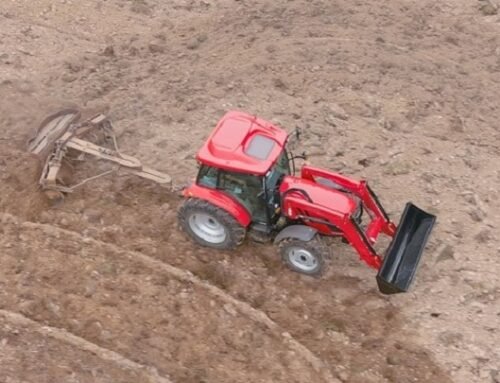
Electrical issues on Jinma tractors often look bigger than they are. Sometimes a tractor seems “dead,” but the real issue is a fuse, switch, ground wire, or loose connector.
Credit: kenotractors.com
Main causes
- Loose battery cables
- Bad ground connection
- Blown fuse
- Faulty ignition switch
- Weak alternator or charging system
- Corroded connectors
Easy fixes
Start with the battery and ground. A bad ground causes many strange electrical symptoms, from dim lights to starting failure. Clean metal contact points and tighten all major cables.
Check the fuses before replacing bigger parts. A blown fuse is simple, cheap, and easy to miss. Then test the charging system if the battery keeps going flat. A working alternator should keep the battery charged while the engine runs.
If a switch works only sometimes, do not ignore it. Worn ignition and safety switches can create intermittent failures that feel random. These are annoying, but often not hard to replace.
Non-obvious insight that saves time
Rust around the frame can create a poor ground path even when the wire looks fine. Many people replace the battery first, but the real issue is sometimes the tractor body not completing the circuit properly. A quick clean and retighten can fix what looked like a major electrical fault.
For general battery care and charging basics, a helpful reference is The Battery Council International. It is not tractor-specific, but it explains battery health in a clear way.
Overheating during work
Overheating is one of the most damaging problems if ignored. It can lead to engine wear, gasket damage, and long repair time. A tractor may overheat while mowing, pulling, or working in hot weather, but the root cause is often not the workload alone.
Main causes
- Dirty radiator fins
- Low coolant
- Bad radiator cap
- Loose fan belt
- Blocked airflow
- Thermostat problem
Easy fixes
Clean the radiator and screen first. Grass, dust, and chaff can block airflow fast. Even a thin layer can raise temperature during hard work. Check the coolant level and inspect the radiator cap for damage.
A loose fan belt reduces cooling efficiency. If the belt slips, the fan and water pump may not do their job properly. Also make sure the radiator is not blocked by debris from front-mounted equipment or mud buildup.
If the tractor still runs hot after these checks, the thermostat or water pump may need attention. Do not keep running an overheating tractor just to finish a task. That can turn a small repair into a major one.
Fuel system trouble after storage
Many Jinma tractor problems show up after the tractor sits unused for weeks or months. Diesel fuel can age, collect water, and leave residue inside filters and lines. This is especially common when the tractor is stored in humid conditions or outside.
Main causes
- Old diesel fuel
- Water in the tank
- Dirty fuel filter
- Sticky injector components
- Collapsed fuel hose
Easy fixes
Drain old fuel if it smells stale or looks dirty. Replace the fuel filter and check the tank for water or sediment. If the tractor ran well before storage and now starts badly, fuel quality is one of the first things to inspect.
Use clean containers and fresh fuel when refilling. Keep the tank full during long storage to reduce moisture buildup. This simple habit can prevent many fuel-related issues later.
Preventive habits that reduce future repairs
The best way to handle jinma tractor problems is to stop many of them before they start. A little routine care makes a big difference, especially on tractors that work in dust, mud, heat, or long storage periods.
Credit: reddit.com
Simple maintenance habits
- Check oil, coolant, fuel, and hydraulic levels often.
- Clean the air filter regularly.
- Drain water from the fuel system when needed.
- Grease joints and moving parts on schedule.
- Keep battery terminals clean and tight.
- Watch for leaks before they become bigger failures.
- Use the correct fluid for your model and climate.
Two habits matter more than many new owners realize. First, small leaks should be fixed early. A tiny leak often becomes a low-fluid problem later, and that can damage pumps, bearings, or seals. Second, storage matters. A tractor that sits in a clean, dry place usually has fewer fuel, battery, and corrosion issues than one left outside.
When a small fix is not enough
Some issues should not be handled only with trial and error. If the tractor has metal shavings in oil, repeated overheating, major smoke, or a transmission that jumps out of gear, it may need deeper inspection. At that point, a qualified mechanic can save you from causing more damage.
Also, if you have already checked fuel, air, battery, oil, and basic connections but the problem remains, stop guessing. Random part replacement can cost more than proper diagnosis. A good repair starts with evidence, not hope.
FAQs
1. Why does my Jinma tractor crank but not start?
The most common causes are air in the fuel system, a clogged fuel filter, weak battery power, or fuel shutoff trouble. Start with battery condition and fuel flow before replacing bigger parts.
2. Why does my tractor lose power under load?
This usually happens because of a dirty air filter, blocked fuel filter, old fuel, or overheating. Check airflow and fuel delivery first, because those are the easiest fixes.
3. What should I do if the hydraulics are weak?
Check hydraulic fluid level, fluid condition, and suction screen first. Air in the system or a blocked filter can make the pump seem weak even when the pump is still usable.
4. Why is the steering on my Jinma tractor hard to turn?
Common causes include low tire pressure, worn front-end parts, bad lubrication, or hydraulic steering trouble if your model uses it. Start with tire pressure and visible linkages.
5. How can I reduce future Jinma tractor problems?
Do regular fluid checks, clean filters, keep the battery healthy, fix leaks early, and store the tractor in a dry place when possible. Preventive care is the easiest way to avoid expensive repairs.