
If you own a commercial mower or a zero-turn machine, the hydrostatic drive is one of the most important parts of the whole system. When it works well, the machine feels smooth, fast, and easy to control. When it starts to fail, you can feel it right away. Weak pulling power, strange noises, and slow response are often early warnings that should not be ignored.
The hydro gear zt 3400 problems owners report most often are not random. In many cases, they come from heat, old fluid, air in the system, poor maintenance, or wear inside the pump or motor. The good news is that many of these issues can be diagnosed early and, in some cases, fixed before major damage happens.
This guide explains the most common ZT-3400 issues, why they happen, and what you can do about them. You will also learn the small warning signs many beginners miss, plus the maintenance habits that help the unit last much longer.
What the ZT-3400 is supposed to do
The Hydro-Gear ZT-3400 is a popular integrated transaxle used in many zero-turn mowers. Its job is simple in theory: take engine power and turn it into smooth wheel movement. In real life, it has to do that under heavy load, on slopes, in hot weather, and often for long mowing sessions.
Because the unit handles both power and steering control, even a small problem can affect the whole machine. A mower that once felt sharp and responsive may begin to pull to one side, hesitate when moving forward, or lose speed when the fluid gets hot. These are not just comfort issues. They are signs that the drive system needs attention.
One thing many owners miss is this: hydrostatic problems often start before the machine seems “broken.” A slight delay when engaging drive, a little extra noise, or a small drop in performance after 20 minutes of use can be the first clue. Catching these early usually saves money.
Most common hydro gear zt 3400 problems
Here are the issues owners see most often. Some are simple. Some point to internal wear. The key is to recognize the pattern early.
1. Weak drive or loss of power
This is one of the most common complaints. The mower moves fine at first, then slows down, struggles on hills, or feels weak under load. In some cases, the machine may still move, but it cannot keep full speed when cutting thick grass.
Common causes:
- Low hydraulic fluid level
- Old or contaminated fluid
- Air trapped in the system
- Worn internal pump or motor parts
- Loose belt or belt slipping under load
If the problem gets worse as the unit warms up, heat is often part of the issue. Hot fluid becomes thinner, and any internal wear shows up more clearly.
2. Slow response when moving forward or reverse
You move the lever, but the mower hesitates before it starts rolling. Or it reacts slowly in reverse and feels stronger in one direction than the other. This can be frustrating, but it also gives useful clues.
Common causes:
- Air in the hydraulic system
- Weak charge pump performance
- Contaminated fluid
- Control linkage adjustment problems
- Internal valve wear
A small delay is easy to ignore at first. But if the delay is getting longer, the system is usually telling you something. In many cases, the issue is not the lever itself. It is the hydro unit struggling to build pressure fast enough.
3. Strange whining or growling noise
Hydro units do make some sound, but a loud whine, grind, or growl is not normal. If the noise changes with speed, temperature, or steering input, it is worth checking right away.
Common causes:
- Low fluid level
- Air cavitation inside the system
- Damaged bearings
- Worn internal gears or pump surfaces
- Debris in the fluid
Non-obvious insight: a unit that makes more noise right after startup and then gets quieter may still have a problem. That pattern often means the fluid is thick when cold, then the issue fades as the system warms. The root cause is still there.
4. Overheating after short use
Heat is one of the biggest enemies of hydrostatic systems. If the ZT-3400 gets too hot too quickly, performance drops, fluid breaks down faster, and seal life shortens.
Common causes:
- Low oil level
- Dirty cooling fins or poor airflow
- Overworked machine on steep slopes or heavy loads
- Wrong fluid type
- Internal wear creating extra heat
Many owners think overheating only happens when the unit is failing. That is not always true. Sometimes the mower is simply being used in a way that creates too much heat, such as towing heavy loads or mowing in very thick grass for long periods.
5. One wheel moves differently than the other
If one side feels stronger, faster, or more responsive, the mower may pull during travel. This makes steering feel uneven and can be dangerous on slopes.
Common causes:
- Air in one side of the system
- Control linkage out of adjustment
- Uneven tire pressure
- One transaxle developing internal wear
- External belt or pulley issue affecting drive balance
This is one of the easiest problems to misread. People often blame the hydro unit first, but tire pressure and linkage settings are common hidden causes. A simple check can save a lot of unnecessary repairs.
6. Hydraulic fluid leaks
Leaks are a clear sign that something needs attention. Even a small leak can lead to low fluid, more heat, and faster wear.
Common leak points:
- Seals on the axle or shaft
- Filter area or filter seal
- Case seam
- Fittings or plug areas
- Damaged hoses, if the setup uses them
A leak is not just about losing oil. It also means dirt can enter the system, especially if the seal area is exposed. Once contamination starts, wear often speeds up.
7. Mower will not move at all
This is the most serious symptom for many owners. The engine runs, but the mower stays still or barely creeps.
Common causes:
- Bypass valve left open
- Broken drive belt
- Severe fluid loss
- Major internal failure
- Damaged linkage or control system
Before assuming the hydro unit is dead, check the simple things first. A bypass valve that was left open after service can make the machine seem broken when the fix is very small.
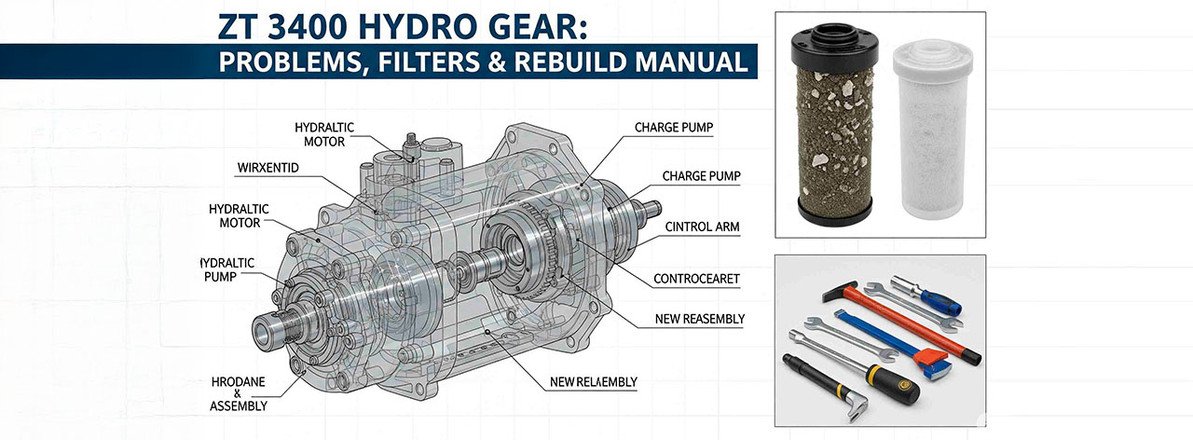
Why these problems happen
Most hydrostatic failures do not come from one sudden event. They build slowly. Understanding the real causes helps you prevent the next breakdown.
Credit: hydropumps.parts
Heat is the biggest enemy
Hydraulic systems depend on clean fluid and stable temperature. When the fluid gets too hot, it loses some of its ability to protect parts and carry pressure properly. That creates more wear, which creates more heat. It becomes a cycle.
Hot weather, heavy grass, steep slopes, and long mowing sessions all increase heat. So does running with low fluid or poor airflow around the transaxle.
Dirty fluid damages internal parts
Hydraulic fluid should stay clean. Once dirt, water, or metal particles get inside, they can damage internal surfaces. Small particles may not stop the mower right away, but they slowly wear the pump and motor.
Non-obvious insight: many owners change fluid but skip cleaning the area around the fill and filter openings. That is a mistake. Dirt often enters during service, not just during use.
Air in the system changes performance
Air bubbles compress easily. Fluid does not. That is why air in the system can cause hesitation, weak drive, and strange noise. Air usually enters after fluid service, a leak, or a low-fluid condition.
Wear inside the unit gets worse under load
Internal parts may still work when cold and light-loaded. But once the mower gets hot or works hard, weak parts show themselves. This is why some ZT-3400 problems appear only after 15 to 30 minutes of mowing.
How to diagnose the problem the smart way
Before replacing anything, use a simple order of checks. This avoids wasted money and helps you find the real cause faster.
- Check tire pressure on both sides. Uneven pressure can feel like a hydro problem.
- Inspect the drive belt. Look for cracks, glazing, slack, or slipping.
- Check fluid level. Low fluid is one of the first things to rule out.
- Look for leaks. Find any wet area around seals, case joints, or fittings.
- Feel for abnormal heat. Compare both sides after use, carefully and safely.
- Test movement forward and reverse. Note whether the problem is one-sided, hot-only, or always present.
- Inspect linkage and bypass settings. A small adjustment issue can mimic a bigger failure.
If you want a reliable factory reference for service details, manuals, and identification, the official Hydro-Gear site is the best place to start: Hydro-Gear.
Fixes that often solve the issue
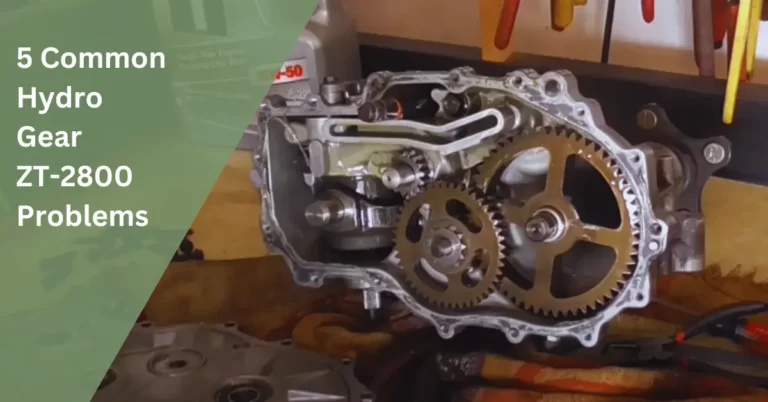
Some hydro gear zt 3400 problems can be fixed without replacing the whole unit. Others need a rebuild or replacement. Start with the safest, simplest steps.
Credit: dillongarden.com
Top off or replace the fluid
If the fluid is low, use the correct type recommended for your model. Do not mix random fluids. Wrong fluid can change how the system heats, seals, and responds.
When fluid is dark, smells burnt, or looks dirty, a full service is usually better than just topping off. Old fluid can hide deeper wear.
Bleed air from the system
After servicing or if the unit ran low, air may need to be removed. Follow the proper procedure for your machine. Often this involves lifting the drive wheels safely, running the unit slowly, and cycling forward and reverse several times.
Do not rush this step. If air remains inside, the mower may still feel weak or noisy even after everything else looks fine.
Replace or inspect the belt
A worn belt can slip under load and feel like hydro failure. Check tension, alignment, and condition. If the belt is glazed or stretched, replace it.
Clean the cooling area
Dirt and grass buildup reduce airflow. Clean the transaxle area, cooling fins, and surrounding frame. This is especially important in dusty mowing conditions.
Adjust the control linkage
If the mower pulls, lags, or feels uneven side to side, the control linkage may need adjustment. A small misalignment can change how each transaxle responds.
Repair leaks early
If you find a damaged seal, loose fitting, or worn shaft area, do not wait. Even a slow leak can turn into a larger failure. Seals are often cheaper to address early than to repair after internal damage starts.
Know when replacement is smarter
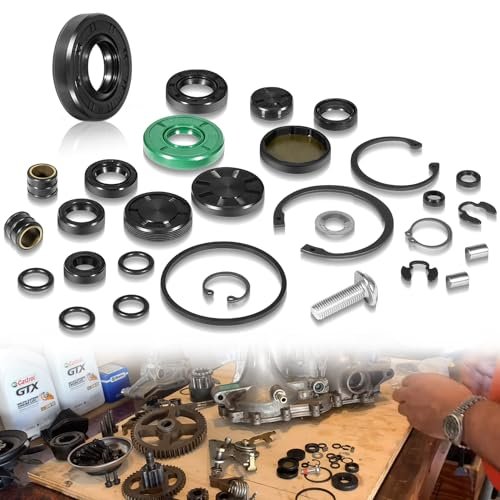
Sometimes the internal parts are too worn. If the unit has severe metal in the fluid, a persistent loud noise, or very weak drive even after service, a rebuild or replacement may be the better choice. Spending money on repeated small repairs may not be practical.
Maintenance habits that prevent future trouble
The best way to avoid hydro gear zt 3400 problems is to treat the system like a wear item, not a sealed black box. A little care goes a long way.
Keep the fluid clean and at the right level
Check the level regularly, especially before heavy mowing days. If the fluid looks dirty or smells burnt, do not ignore it.
Watch operating temperature
Give the mower rest when it has been working hard for a long time. If your machine is always running hot, look for the reason instead of just accepting it.
Inspect belts, tires, and linkages
These parts affect hydro performance more than many owners realize. A hydro unit can seem weak when the real issue is outside the transaxle.
Use the mower within its limits
Heavy towing, constant slope work, and thick overgrown grass all stress the system. That does not mean you must avoid them completely, but frequent overloading shortens life fast.
Pay attention to small changes
A tiny shift in sound, speed, or steering feel is often the first warning. Owners who notice changes early usually avoid expensive damage later.
Common mistakes owners make
Some problems get worse because of simple errors. Avoid these if you want the ZT-3400 to last.
- Running the mower with low fluid
- Ignoring a small leak because the machine still moves
- Using the wrong fluid type
- Skipping belt checks
- Assuming all pulling issues mean the hydro unit is bad
- Forgetting to clean cooling fins and debris buildup
- Not bleeding air after service
One of the biggest mistakes is replacing expensive parts too early. A careful diagnosis is often cheaper and more accurate than guessing.
Signs you should stop using the mower
There are times when continued use can cause more damage. Stop and inspect the machine if you notice:
- A sudden major loss of drive
- Loud grinding or metallic noise
- Burning smell from the transaxle area
- Large fluid leaks
- One wheel locking, dragging, or jerking hard
If the unit is making metal-on-metal noise or throwing fluid quickly, do not keep mowing. A few more minutes can turn a repair into a full replacement.
Credit: michelebattiste.com
How long a ZT-3400 can last
There is no single lifespan for every unit. Life depends on use, load, maintenance, and heat control. A well-maintained unit used under normal conditions can last a long time. A machine that runs hot, leaks, or works overloaded every day will wear out much sooner.
The important part is not only how many hours are on the mower. It is how those hours were used. Easy mowing in clean conditions is very different from daily commercial use on rough ground.
If you want the biggest return on maintenance, focus on fluid condition, cooling, belt health, and early problem detection. Those four areas usually decide whether a hydro unit lasts or fails early.
Final take
The most common hydro gear zt 3400 problems are usually linked to heat, fluid issues, air in the system, worn belts, poor adjustment, or internal wear. Some symptoms look serious but have simple causes. Others point to deeper damage that needs fast action.
The best approach is simple: check the easy things first, do not ignore small changes, and keep the system clean and properly serviced. That habit saves time, money, and frustration. It also gives your mower a much better chance of staying strong when you need it most.
FAQs
1. What is the most common cause of Hydro-Gear ZT-3400 failure?
Low or dirty fluid is one of the most common causes. Heat is usually behind it. When the fluid is low, old, or contaminated, the unit loses protection and performance drops faster.
2. Why does my mower work when cold but get weak when hot?
This often means the system has internal wear, low fluid, or a cooling problem. Hot fluid is thinner, so weak parts and poor sealing show up more clearly after the mower warms up.
3. Can air in the system cause hydro gear zt 3400 problems?
Yes. Air can cause noise, hesitation, and weak drive. It often gets in after a fluid service, through a leak, or when the unit has run low on fluid.
4. Should I rebuild or replace a bad ZT-3400 unit?
If the damage is minor, a rebuild may make sense. If there is major internal wear, metal in the fluid, or repeated failure after repair, replacement is often the better long-term choice.
5. How often should I inspect my ZT-3400 drive system?
Check it before heavy use and again if you notice any change in sound, speed, or steering feel. Regular checks of fluid, belt condition, leaks, and tire pressure help prevent bigger problems later.