
If your Briggs and Stratton engine backfires through carb, the problem usually means fuel and air are not entering the cylinder at the right time. In simple terms, the engine is “spitting” ignition back through the intake instead of burning cleanly inside the cylinder.
The good news is that this issue is often fixable without replacing the whole engine. In many cases, the cause is a clogged carburetor, old fuel, a bad valve, a loose ignition wire, or a timing problem that is easy to miss until the engine starts popping.
Below, you will find the most likely causes first, then the best fixes in a clear order. You will also learn how to tell whether the problem is fuel-related, ignition-related, or mechanical, so you can avoid wasting time and money on the wrong repair.
For wider troubleshooting context, compare this guide with Briggs and Stratton V-twin governor problems, Kawasaki FX1000V problems.
What backfiring through the carburetor really means
Backfiring through the carburetor happens when combustion happens at the wrong moment and the flame travels backward into the intake system. On a small Briggs and Stratton engine, that usually shows up as a loud pop, a puff of smoke, or a sharp spit from the carb throat when you crank, start, or shut the engine off.
This is not the same as a muffler backfire. A carb backfire points more toward the intake side of the engine, which means the fuel mixture, ignition spark, or valve timing is off. On small engines, even a small issue can create a big symptom because the margin for error is small.
The most common pattern is simple: the engine gets too much air, too little fuel, or spark at the wrong time. Sometimes the root cause is one dirty jet in the carburetor. Other times, the issue is deeper, like a sticking intake valve, worn keyway, or low compression.
Common signs that point to a carb backfire
- The engine pops through the carb during startup.
- It spits fuel mist or air back out of the carburetor.
- It starts for a second, then dies with a pop.
- It surges, hunts, or runs rough before backfiring.
- It backfires more when the throttle is opened quickly.
If you see more than one of these symptoms, do not assume the carburetor is the only problem. That is one of the biggest mistakes people make. A carburetor can be clean and still backfire if the engine has a valve, ignition, or compression issue.
The most likely causes, starting with the 80% case
For most small Briggs and Stratton engines, stale fuel and a dirty carburetor cause the problem first. Gasoline can start to break down in as little as 30 days, and old fuel leaves varnish inside the tiny passages that control idle and transition fuel. When that happens, the engine runs lean, and lean mixtures are a classic trigger for intake backfire.
After fuel issues, the next most common causes are ignition timing problems and valve trouble. A loose flywheel key can shift spark timing by just a small amount, but that small shift is enough to make the engine fire too early. A weak intake valve spring or worn valve seat can also let pressure escape in the wrong moment, which sends flame back into the carb.
| Likely cause | What you notice | How common it is |
|---|---|---|
| Stale fuel or clogged carburetor | Hard starting, rough idle, lean surge, backfire on throttle-up | Most common |
| Air leak at intake or gasket | High idle, surging, backfire, change in speed when spraying around joints | Common |
| Flywheel key damage | Sudden backfire after hitting a blade or object | Common after impact |
| Valve problem | Repeated backfire, low power, hard starting, compression loss | Moderate |
| Ignition coil or spark issue | Misfire, uneven running, random popping | Moderate |
One non-obvious clue: if the engine backfires most when the choke is opened, it often means the engine is running lean under load. That points you toward fuel restriction or an air leak, not a spark plug problem. Another clue is when the engine starts easier with partial choke but backfires when fully warm. That often means the carburetor is not delivering enough fuel on the main circuit.
Check fuel quality and carburetor condition first
Start with the fuel system because it is the fastest thing to inspect and the most common cause. Drain any old gasoline, especially if it has been sitting for more than a month or two. Refill with fresh fuel and, if the engine uses it, the correct fuel mix ratio or clean straight gasoline as specified by the manufacturer.
Next, inspect the carburetor bowl, main jet, and air filter. A dirty air filter can make the mixture rich, but a blocked fuel passage usually makes it lean. Both can cause poor running, but a lean condition is the one more likely to create a carb backfire.
If you need a reliable reference for routine small-engine care and safety, the official manufacturer support page is the right place to check model-specific guidance and manuals.
What to clean and what to replace
- Drain old fuel from the tank and carb bowl.
- Replace the fuel filter if your setup has one and it looks dark or restricted.
- Clean the carburetor bowl and main jet with carb cleaner and compressed air.
- Inspect the float for sticking, cracks, or fuel inside the float.
- Replace dried gaskets if you see cracks, shrinkage, or fuel seepage.
Do not use a wire or drill bit to “open up” a jet. That can enlarge the passage and make the mixture worse. Carb passages are small, and even a tiny change in size can affect how the engine runs at idle and under load.
How to tell if the carb is the real problem
If the engine starts better with choke, then dies or pops as the choke opens, fuel restriction is likely. If spraying a small amount of carb cleaner around the intake gasket changes the engine speed, you may have an air leak. If cleaning the carb fixes the issue for a day or two and then the backfire returns, the fuel is probably dirty again or the tank is shedding debris.
That last point matters more than many people realize. A clean carburetor will not stay clean if the tank, fuel line, or primer parts keep sending dirt and varnish into the bowl. In repeat cases, the whole fuel path needs inspection, not just the carburetor body.
Inspect for air leaks and intake gasket problems
A small air leak can create a big backfire problem because it leans out the fuel mixture. The carburetor meters fuel for a certain amount of incoming air. If extra air slips in through a cracked gasket, loose mounting bolt, or worn intake manifold, the mixture becomes too lean for smooth combustion.
The most common leak spots are the carburetor gasket, intake gasket, primer hose, and any rubber connector between the carb and engine. On some engines, the issue is not dramatic enough to cause a total stall. Instead, it creates surging, popping, and intermittent carb backfire under load.

Credit: reddit.com
Simple leak checks
- Look for cracked or flattened gaskets.
- Check whether carb mounting bolts are snug, not overtightened.
- Inspect rubber intake parts for splits near the bends.
- Watch for fuel stains or dust streaks around gasket edges.
You can also perform a careful spray test with carb cleaner around suspected joints while the engine idles. If the RPM changes, air is entering where it should not. Use caution, keep the spray brief, and avoid hot surfaces and ignition sources.
One detail that beginners often miss is bolt torque. Loose bolts can cause leaks, but overtightening can warp the gasket or plastic intake and make the leak worse. Tight is good. Crushing parts is not.
Do not ignore ignition timing and spark problems
If the fuel system checks out, turn to ignition timing. On many Briggs and Stratton engines, the flywheel key controls timing. If the blade hits a rock, stump, or heavy debris, the key can shear or partially slip. The engine may still run, but the spark timing can shift enough to cause backfire through the carburetor.
A damaged flywheel key is one of the best clues when the problem starts right after an impact. The engine may crank normally, but it pops, runs unevenly, or refuses to start. This is especially common on mower engines that stopped suddenly during a hard strike.
Ignition parts to check
- Spark plug – make sure it is clean, gapped correctly, and not cracked.
- Spark plug wire – check for loose fit, damage, or burned insulation.
- Ignition coil – inspect for mounting damage or incorrect air gap.
- Flywheel key – inspect if the engine backfired after an impact or sudden stop.
A weak spark can also create incomplete combustion, which leaves fuel in the intake at the wrong time. That is why a fouled plug should never be ignored just because it still throws a spark on the bench. Under compression, spark demand is much higher.
Another non-obvious point: ignition problems often show up more when the engine warms up. A coil can pass a basic spark check cold, then fail once heat builds. If the backfire gets worse after 10 to 15 minutes of running, do not rule out the ignition system too quickly.
Check valves and compression if the carb still backfires
If fuel and ignition parts look fine, the engine may have a mechanical problem. The intake valve must open and close at the correct time. If it sticks, leaks, or has too little clearance, the cylinder can push pressure backward into the carburetor.
Low compression is another warning sign. A healthy small engine usually shows strong, even compression, while a worn or leaking engine may crank too easily and backfire because combustion is not being contained properly. Compression loss can come from worn rings, a damaged valve seat, or a head gasket issue.
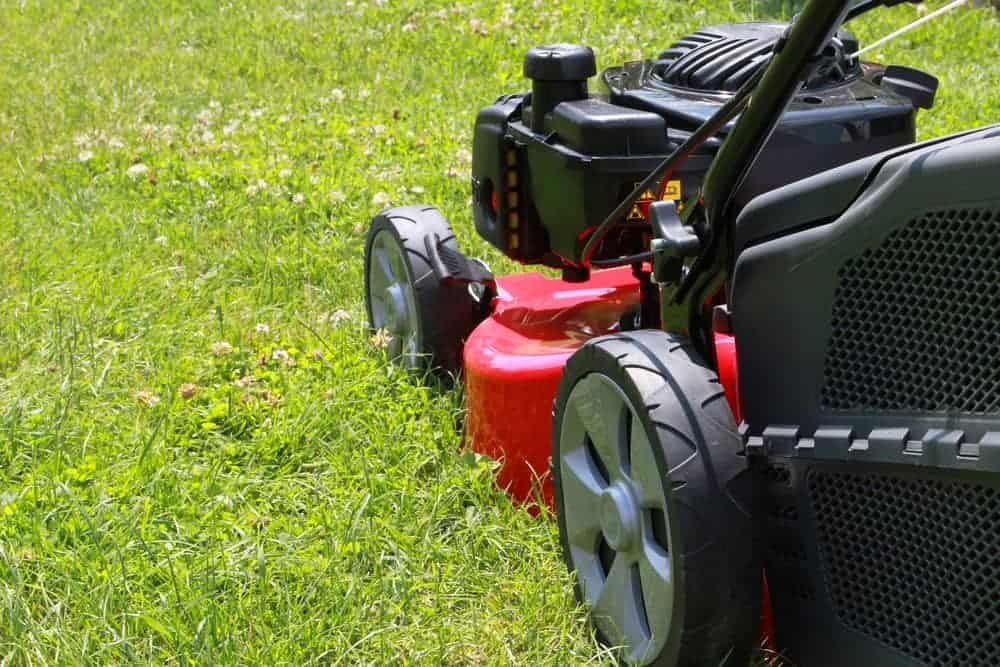
Credit: lawn.com.au
Clues that point to a mechanical issue
- The starter rope feels unusually easy to pull.
- The engine backfires no matter how clean the carb is.
- It has poor power and cannot stay running under load.
- Valve train noise is louder than normal.
Valve lash matters too. Too little clearance can hold a valve slightly open, especially when the engine is hot. That can produce a repeat backfire that looks like a fuel issue but is actually a valve sealing problem. Many people replace parts for hours before checking lash, which is a costly mistake.
If you do not have a compression gauge or feel uncomfortable opening the valve cover, this is the point where a small-engine repair shop may be the best option. Mechanical diagnosis is not hard, but it is more involved than a carb clean or plug swap.
Use a simple repair order so you do not chase the wrong problem
The fastest way to fix a backfiring Briggs and Stratton engine is to work in the right order. Start with the easiest and most likely causes. Do not jump straight to major disassembly unless the symptom strongly points there, such as sudden failure after blade impact.
- Replace stale fuel and verify the tank is clean.
- Clean the carburetor, including the bowl and jets.
- Check the air filter and replace it if clogged or soaked.
- Inspect intake gaskets and hoses for leaks.
- Test spark plug and ignition parts.
- Inspect the flywheel key if there was a sudden stop or impact.
- Check valve condition and compression if the problem remains.
This order saves time because the most common fixes are the least expensive and least invasive. It also avoids a common trap: people replace the carburetor without confirming whether the real issue is a leaking gasket or timing shift. A new carb cannot fix a broken flywheel key.
Also, remember that a backfire is a symptom, not a diagnosis. Treating the symptom without finding the cause usually means the problem comes back after a short run time, often worse than before.
How to prevent it from happening again
Once the engine runs correctly, prevention is simple but important. Use fresh fuel, and do not leave gas in the tank for long storage periods. If the engine will sit for more than 30 days, consider draining the carb or using a fuel stabilizer designed for small engines.
Keep the air filter clean and replace it on schedule. A dirty filter does not usually cause carb backfire by itself, but it can make tuning harder and hide a lean issue. Also, inspect the fuel cap vent, because a blocked vent can starve the carb and mimic a fuel problem.
One extra habit helps a lot: listen for changes. If the engine begins to surge, hesitate, or pop even once, fix it early. Small engines often give warning signs before a full backfire starts. Catching a lean condition early can save the carburetor, spark plug, and starter from unnecessary strain.
For safe handling of small engines and equipment, always follow the official owner guidance for your exact model before removing guards, touching ignition parts, or servicing the fuel system.
When the backfire is a sign you need professional help
If the engine still backfires after fresh fuel, carb cleaning, intake leak checks, and spark plug replacement, the problem is likely deeper than basic maintenance. Repeated backfire after a blade strike, or backfire paired with very low compression, usually means a mechanical repair is needed.
Call a professional if you suspect a broken flywheel key but do not have the tools to pull the flywheel safely. Also seek help if valve adjustment, head removal, or compression testing is outside your comfort zone. Those repairs are doable, but a mistake can turn a repairable engine into a dead one.
Safety matters here. Small engines can start unexpectedly if they are not disabled correctly, and rotating parts can cause serious injury. If you are unsure, stop and get help rather than forcing a repair.
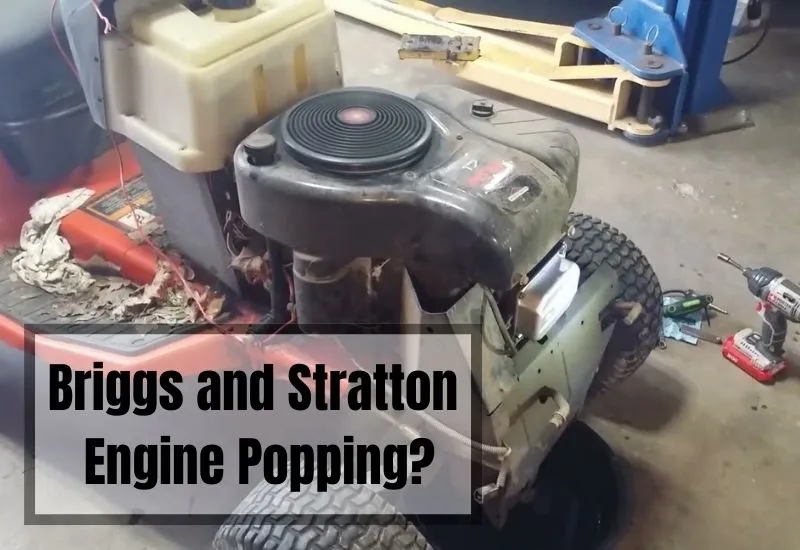
Credit: lawnask.com
Briggs and Stratton engine backfires through carb: the bottom line
When a Briggs and Stratton engine backfires through carb, the most likely cause is a lean fuel condition from stale gas, a dirty carburetor, or an air leak. If those parts check out, move to spark timing, flywheel key damage, and valve or compression issues.
The best repair path is simple: fresh fuel first, carb cleaning second, leak inspection third, ignition checks fourth, and mechanical testing last. That sequence solves most cases without guesswork and keeps you from replacing parts that are not the real problem.
In short, backfire through the carburetor is usually fixable, but only if you diagnose it in the right order. Work from the easiest cause to the deepest one, and the engine has a much better chance of returning to smooth, reliable running.
After the main fault is fixed, run the machine briefly under light load and recheck the related belt, wiring, fuel, fluid, and safety-switch areas before returning it to normal work.
FAQs
1. Why does my Briggs and Stratton engine backfire through the carb when starting?
The most common reason is a lean fuel mixture from stale gas, a clogged carburetor passage, or an air leak at the intake gasket. A bad spark plug or shifted flywheel key can also cause startup backfire.
2. Can bad gas really cause a carburetor backfire?
Yes. Old fuel can leave varnish in the carburetor and reduce fuel flow. That makes the engine run lean, which can cause popping or backfire through the carburetor during start or acceleration.
3. How do I know if the flywheel key is damaged?
If the engine started backfiring right after hitting a rock, stump, or blade obstruction, the flywheel key is a strong suspect. Signs also include sudden timing changes, hard starting, and uneven running.
4. Will cleaning the carburetor fix the problem permanently?
Sometimes, but not always. If the fuel tank, fuel line, or intake gasket is still causing trouble, the backfire can return. A carb clean helps most when the issue is dirt or varnish inside the fuel passages.
5. When should I stop DIY repair and call a technician?
Call a technician if the engine still backfires after fresh fuel, carb cleaning, and spark checks, or if you suspect compression loss, valve trouble, or flywheel key damage but do not have the right tools.