
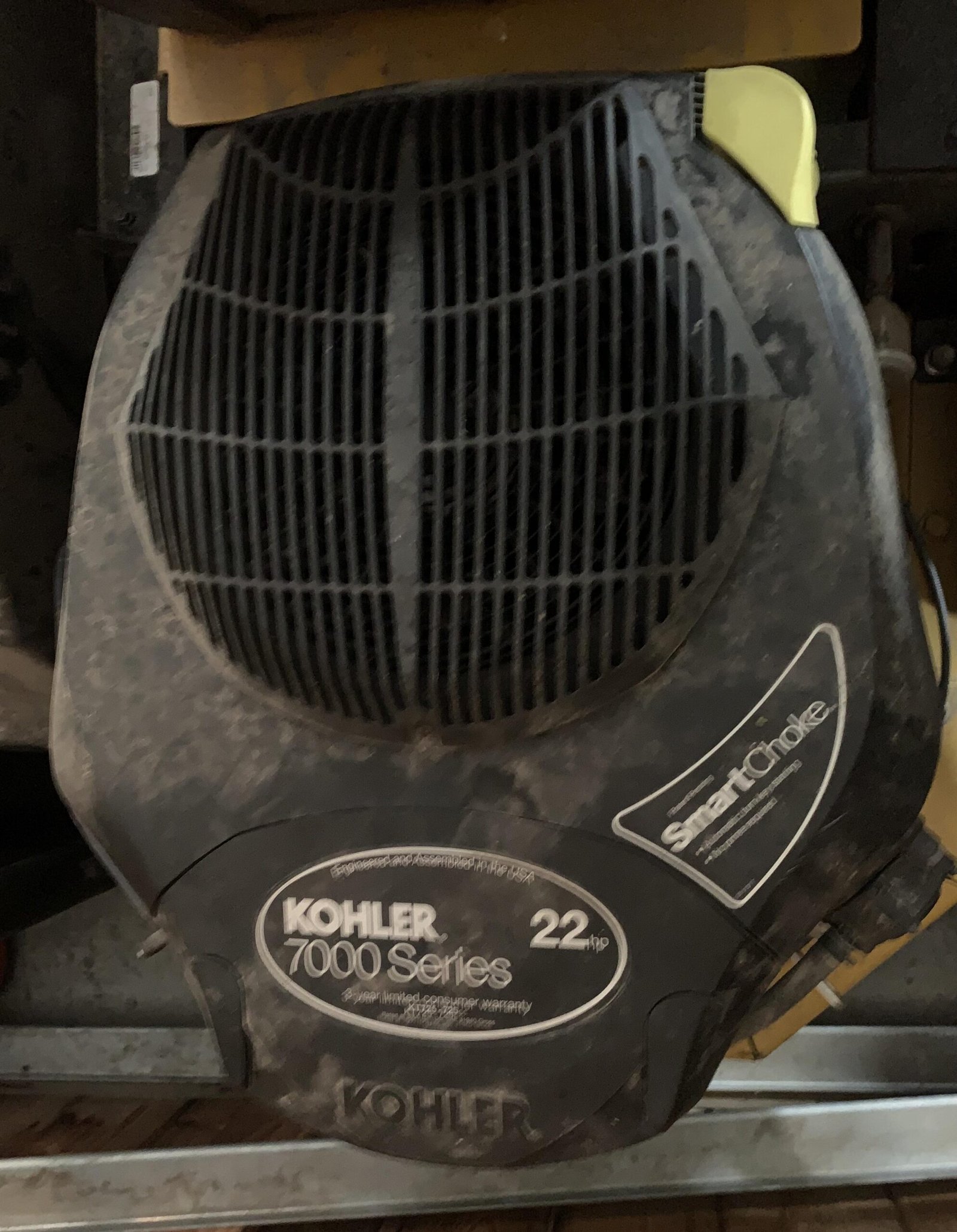
A Kohler 7000 Series hard start when hot problem usually points to heat affecting fuel, spark, or compression. The engine runs fine cold, then cranks longer, stumbles, or refuses to restart after a short stop.
The good news is that this issue is often traceable without guesswork. In many cases, the root cause is a weak ignition coil, vapor lock, a failing fuel cap vent, or a starter that struggles once heat builds up.
Below, you will see the most likely causes first, how to test each one, and which fixes actually solve the problem instead of masking it. You will also learn the small details that many owners miss, like why a weak battery can act like a hot-start problem even when the battery seems “fine.”
For wider troubleshooting context, compare this guide with Kohler 7000 Series Smart Choke problems, Kohler CV742 problems.
Start with the most likely hot-start failure points
When a Kohler 7000 Series engine starts cold but not hot, the first suspects are usually fuel delivery and ignition heat soak. Heat soak means engine heat keeps building after shutdown and pushes parts past the point where they work normally.
For this engine family, the 80% case is simple: the engine has enough spark and fuel when cold, but one part becomes weak as temperature rises. That weak part may be the ignition coil, the fuel cap vent, a dirty carburetor, or a tired starter that turns too slowly when hot.
Before replacing parts, pay attention to the exact symptom. A slow crank points in a different direction than a fast crank with no start. A restart issue after 10 to 20 minutes also tells a different story than a no-start after an overnight heat cycle.
Use the symptom to narrow the cause
- Cranks slowly when hot: battery, cable, starter, or ground issue.
- Cranks normally but will not fire: ignition coil, fuel delivery, or carburetor issue.
- Starts with starting fluid but not on its own: fuel starvation or carburetor problem.
- Starts only after cooling down: heat-sensitive coil, vapor lock, or fuel boiling.
That simple split saves time. Many people replace the carburetor first, then later discover the real problem was a weak coil or restricted vent in the fuel cap.
If you want the factory baseline for maintenance and safe operation, the official owner’s manual and support page is the best place to confirm service intervals and model-specific guidance.
Why heat changes the way the engine behaves
Heat affects several engine systems at the same time. Fuel gets more volatile, electrical resistance rises, metal parts expand, and battery output drops slightly under load. A small weakness that is invisible when the engine is cold can become obvious after shutdown.
This is why a machine can mow for an hour, stop for lunch, and then refuse to restart. The engine is not “mysteriously bad when hot.” It is usually showing the first clear sign of a part that is already near its limit.
Vapor lock is less common than people think, but it still matters
Vapor lock happens when fuel turns to vapor before it reaches the carburetor in the right form. Small engines are more sensitive to this when fuel lines run close to hot parts or when fuel sits in the system after shutdown.
One non-obvious detail: modern fuel blends can make this worse if the machine sits for long periods. Ethanol-blended fuel absorbs moisture and can age faster, which can change how well the engine restarts after heat soak.
Ignition coils often fail only when hot
A weak ignition coil may produce enough spark cold, then break down as temperature rises. The coil windings expand with heat, and tiny internal cracks can open just enough to weaken spark.
That is why a hot engine may crank strongly but never light off. Once it cools, the coil contracts and works again for a while. This pattern is one of the clearest signs of a heat-related ignition fault.
Battery and starter drag can mimic fuel problems
Heat does not help electrical parts. A starter motor that is marginal can lose cranking speed after a hot shutdown, especially if internal resistance is already high. Lower cranking speed reduces spark quality and compression speed, which makes the engine harder to fire.
Also, battery cables can look clean but still fail under heat if the terminal connection is loose or corroded under the insulation. That hidden resistance becomes more obvious when current demand rises.
Check the fuel side first if the engine cranks normally
If the engine cranks at a normal speed, the fuel system deserves your attention before anything else. On a hot restart problem, the fuel often does not reach the carburetor in the right amount, or it reaches it too slowly.
Start with the easiest checks. They often reveal the problem in minutes, and they do not require disassembly. Look at the fuel cap, the fuel line routing, the fuel filter, and the carburetor bowl.
1. Test the fuel cap vent
A blocked fuel cap vent can create a vacuum in the tank. When the engine runs, fuel flows for a while. After shutdown, the vacuum or pressure imbalance gets worse, and the next start becomes difficult.
Try a quick test: when the engine is hot and hard to start, loosen the fuel cap slightly and try again. If it starts better, the vent may be restricted. This is a fast clue, not a final repair.
2. Inspect the fuel line for heat exposure
Fuel lines that touch the engine, exhaust shield, or cylinder shroud can soften or trap vapor when hot. On a Kohler 7000 Series hard start when hot complaint, this matters more than many owners realize.
Look for line routing that passes too close to heat sources. A line that is safe cold can still become a problem after the engine bay reaches operating temperature.
3. Check the fuel filter and fuel freshness
A partially restricted filter may still allow enough fuel for cold starting, but not enough for a hot restart after heat soak. If the filter is older than one season, replacing it is usually a good first move.
Old fuel is another common cause. If fuel has sat for 30 to 60 days or longer, especially in warm weather, it can become harder to vaporize cleanly. Drain stale fuel and refill with fresh gasoline if the fuel is questionable.
4. Examine the carburetor for heat-related flooding or starvation
A dirty float needle, weak float, or varnished jet can cause inconsistent fuel delivery. In some cases, the carburetor bowl runs too lean when hot. In others, the needle leaks and floods the engine after shutdown.
If you smell raw fuel after a hot shutdown, flooding is possible. If the plug is dry and the engine only pops once, fuel starvation is more likely.
Do not overlook spark and ignition heat soak
When the fuel side checks out, ignition becomes the next strong suspect. A heat-sensitive ignition coil is one of the most common reasons a mower starts cold but not hot.
The tricky part is that a failing coil can still make spark. It just may not make enough spark under hot conditions to fire the mixture reliably. That is why testing only when the engine is cold can miss the problem.
Credit: reddit.com
How to tell if the coil is the issue
Watch the pattern. If the engine dies after running, then refuses to restart until it cools for 15 to 30 minutes, the coil is a prime suspect. If the spark plug is new, fuel is present, and the engine still cranks but never catches when hot, the coil moves higher on the list.
You can use an inline spark tester to compare cold and hot behavior. A spark that looks acceptable cold but becomes weak or intermittent hot points toward coil breakdown.
Check the spark plug, but do not stop there
A worn plug, incorrect gap, or carbon buildup can make hot starts worse. Replace the plug if it is old, fouled, or the electrode looks uneven. On many small engines, a plug gap around 0.030 inch is common, but always confirm the exact spec for your engine.
Still, a plug alone usually is not the entire answer if the engine has a strong cold start and a clear hot restart failure. The plug is a cheap test part, not the most likely long-term fix.
Grounds and wiring can fail only after heat builds
Heat can open up a weak ground connection or a damaged wire harness. That means the ignition system may work during a short cold test but fail after 20 minutes of mowing.
Check for loose terminals, brittle insulation, and wires touching the muffler or cylinder area. A rubbed wire that is barely intact cold can separate or short when hot.
Battery, starter, and compression can create a false hot-start problem
Some owners chase fuel problems when the real issue is slow cranking. A hot engine needs the starter to work against higher internal drag and thin oil behavior. If the starter speed drops, the engine may not reach the rpm needed for a clean start.
That is why a hot-start complaint can actually be an electrical load problem. You hear cranking, so it sounds like fuel. But the engine may simply be turning too slowly to produce a strong spark and proper mixture pull.
Check cranking speed first
If the engine sounds labored when hot, test the battery under load. A battery can show a decent open-circuit voltage and still fail when demand rises. Clean and tighten both battery terminals and the chassis ground.
Also inspect the positive cable where it runs to the starter solenoid and starter. Heat and vibration can damage the cable end where you least expect it.
Starter heat soak is a real issue
Some starters become sluggish as they heat up from engine radiation. The internal brushes, bearings, or armature can drag more once hot, especially if the starter is already worn.
A useful clue: if the engine cranks well after cooling, but slowly right after shutdown, the starter may be heat-soaked or wearing out. That is different from a no-crank issue and should be diagnosed separately.
Compression can increase the load on hot restarts
A mechanical compression release problem can also make hot starts harder. Some engines feel normal when cold but require more torque once hot components expand. That extra load shows up as sluggish cranking or brief starting attempts.
If the engine has good spark and fuel but still feels hard to spin hot, compression and valve issues deserve attention. This is less common than fuel or ignition trouble, but it is worth checking when the basics do not solve it.
Fixes that actually solve the problem
The best repair depends on what you found during diagnosis. Start with the easiest and most likely fixes, then move to parts replacement only when the evidence points there.
Many hot-start problems are solved by restoring fuel flow, refreshing ignition parts, or correcting heat exposure. Replacing everything at once wastes time and can hide the real fault.
| Symptom | Most likely cause | Best first fix |
|---|---|---|
| Cranks normally, no fire when hot | Ignition coil or fuel delivery issue | Test spark hot, inspect cap vent and fuel flow |
| Cranks slowly only when hot | Starter, battery cable, or battery weakness | Load-test battery and inspect grounds |
| Starts with cap loosened | Blocked fuel cap vent | Replace cap or vented cap assembly |
| Starts on spray then dies | Fuel starvation | Clean carburetor, replace filter, check line routing |
| Restarts only after cooling 15–30 minutes | Heat-sensitive coil | Replace ignition coil and confirm air gap |

Credit: reddit.com
Fuel system fixes
Replace old fuel, change the fuel filter, and clean the carburetor if contamination is present. If the fuel line is hard, soft, cracked, or routed too close to heat, replace and reroute it.
A clean carburetor is not just about removing varnish. The float needle must seal correctly, or the engine may flood after shutdown and act like a hot-start failure.
Ignition system fixes
If spark fades when the engine is hot, replace the ignition coil with the correct model for your engine. Set the coil air gap correctly during installation, because a bad gap can create a new problem.
Replace the spark plug if it is worn or fouled. Use the specified plug type and gap, not just “any plug that fits.” Small engines can be picky about heat range.
Electrical fixes
Clean both battery terminals, tighten cable ends, and inspect the ground point on the frame or engine. Replace swollen or heat-damaged cables. If the starter is slow only when hot, test current draw and consider starter replacement.
Do not ignore simple corrosion. A thin layer of oxidation can be enough to create a hot-start issue because heat increases resistance and reduces available cranking power.
Heat management fixes
Keep fuel lines away from mufflers and hot shrouds. Make sure engine covers and cooling fins are clean so heat can escape. A dirty cooling system can raise under-hood temperature enough to turn a borderline issue into a repeat failure.
One overlooked point: grass buildup around the engine does more than create a fire risk. It also traps heat and can make the restart problem show up more often after mowing tall grass.
Common mistakes that waste time and money
The biggest mistake is changing the carburetor without checking spark under heat. Many people assume “fuel problem” because the engine will not fire, but hot ignition failure is just as common.
Another mistake is testing only when the engine is cold. A part that works in the driveway for two minutes can fail after a real mowing session. If possible, test right after the hot no-start happens.
What beginners often miss
- Loose grounds: they can look fine and still fail under heat.
- Blocked cap vent: a tiny vent problem can mimic a major fuel failure.
- Starter drag: slow cranking can look like a fuel issue.
- Fuel line routing: a line too close to heat may work until the engine warms fully.
People also miss the difference between a no-start and a restart-only problem. That timing matters. If the engine starts cold every time but struggles after shutdown, the fault is usually heat-sensitive, not random.
For safe handling of fuel and fuel-related cleaning products, follow the EPA’s guidance on safe disposal and household hazardous waste when you drain old gasoline or contaminated fluids.
When to stop testing and replace a part
Stop guessing when you have repeated the same hot failure pattern and confirmed the same test result more than once. For example, if spark is weak only when hot, the coil is likely done. If loosening the fuel cap fixes the issue, the vent system is the next fix.
Replace a part when the symptom is repeatable and the test matches the failure. That approach saves money and avoids the common cycle of “replace, retry, hope.”
If the engine still hard starts hot after fuel, spark, battery, and starter checks, a compression or valve issue may be involved. At that point, deeper diagnosis is worth the time, especially on a mower you use often.

Credit: reddit.com
How to prevent the problem from coming back
Good maintenance reduces hot-start issues more than most owners expect. Fresh fuel, a clean cooling system, and tight electrical connections keep the engine from crossing that failure threshold.
Use fuel that is not old, store the machine with a stable fuel stabilizer if it sits for long periods, and inspect the air cooling path around the engine after heavy mowing sessions. Clean grass debris from the shrouds and around the cylinder fins regularly.
Also check the fuel cap vent and the condition of rubber lines once or twice per season. Small parts like these often fail slowly, so catching them early prevents the first no-start at the worst time.
Most Kohler 7000 Series hard start when hot complaints come down to one clear weakness that heat exposes. Once you separate slow cranking from no-fire conditions, the fix usually becomes obvious.
Focus on the most likely causes first: fuel cap vent, fuel flow, ignition coil, battery cables, and starter health. That simple order solves more hot-start problems than random part replacement ever will.
After the main fault is fixed, run the machine briefly under light load and recheck the related belt, wiring, fuel, fluid, and safety-switch areas before returning it to normal work.
FAQs
Why does my Kohler 7000 Series start fine cold but not after mowing?
Heat changes fuel, spark, and electrical resistance. A part that is weak but usable cold can fail after the engine gets hot and heat-soaked.
Can a bad fuel cap cause a hot start problem?
Yes. A blocked cap vent can create vacuum or pressure issues in the tank. A quick test is to loosen the cap when the engine is hot and see if it starts better.
How do I know if the ignition coil is bad when hot?
If the engine cranks normally, has fuel, and starts again only after cooling 15 to 30 minutes, the coil is a strong suspect. Testing spark immediately after the hot failure helps confirm it.
Could the starter be the reason it hard starts when hot?
Yes. A worn starter can turn slower when hot, which reduces the engine speed needed for good spark and compression. Slow cranking points more toward electrical load than fuel delivery.
What should I replace first on a hot-start problem?
Start with the easiest checks: fuel cap vent, fresh fuel, fuel filter, battery terminals, and spark plug. If the problem repeats, move to hot spark testing and ignition coil diagnosis.