
If your Kubota TG1860 gearbox will not engage, the most common cause is a simple control or linkage problem, not a failed transmission. In many cases, the tractor is being stopped by a safety switch, low hydraulic pressure, or a damaged shift linkage that prevents the gears from moving fully into place.
The good news is that many of these problems can be diagnosed at home with basic tools. You will learn the likely causes, the fastest checks, and the repairs that usually solve the issue before it turns into a bigger gearbox failure.
The key is to start with the easy items first. A small adjustment, a worn bushing, or low fluid can make the TG1860 act like the gearbox is dead when the real problem is somewhere else.
For wider troubleshooting context, compare this guide with Kubota TG1860 Problems: Common Issues, Causes, and Easy Fixes, Kubota TG1860 problems, Kubota B7800 problems.
Check the simple causes before opening the gearbox
When a Kubota TG1860 refuses to engage, the first move is to rule out the basic external problems. Many owners jump straight to expensive repairs, but the tractor often has a mechanical interlock or linkage issue that blocks engagement completely. These are the kinds of faults that can appear suddenly after mowing, after hitting debris, or after years of normal vibration.
Start with the shift lever, pedal action, and safety systems. On compact tractors and garden tractors, the controls must move fully through their travel. If the lever feels loose, sticky, or vague, the gearbox may never be reaching the actual engagement point inside the transmission case.
Also check whether the tractor is truly in neutral before trying to engage. A partial engagement or a misread neutral position can make the tractor seem stuck. This matters because the TG1860 uses mechanical and safety-related conditions that can stop movement even when the gearbox itself is not damaged.
What to inspect first
- Shift lever movement — look for binding, extra play, or a lever that does not return cleanly.
- Seat and safety switch function — a failed switch can interrupt engagement on some setups.
- Clutch or pedal free play — if applicable, a control that does not release fully can prevent gear mesh.
- Range selector position — make sure the tractor is fully in the selected range and not between detents.
- Parking brake and interlocks — some symptoms are caused by a safety circuit, not the gearbox.
One non-obvious issue many owners miss is worn plastic or rubber bushings in the linkage. These parts can look fine from above, but they let the lever move without actually pushing the transmission selector far enough. Another overlooked problem is dried grease and dirt around the shift shaft, which can make the lever feel stiff only under load.
Transmission fluid level and condition matter more than many owners realize
Low or dirty fluid can make the Kubota TG1860 gearbox will not engage problem much worse, especially if the tractor uses hydraulic-assisted functions tied to the same system. If fluid is low, the tractor may hesitate, grind, or fail to move into gear at all. If the fluid is old or contaminated, valves and internal components may not respond the way they should.
Check the fluid level on level ground and follow the owner’s manual procedure for the exact check point. A tractor that is just slightly low may still operate some functions, which is why owners often assume the fluid is fine. In reality, even a small drop in level can expose air to the system and cause poor pressure response.
Look at the fluid color and smell. Dark fluid, burnt smell, or visible metal particles are warning signs. If the fluid looks milky, water contamination may be present, and that can cause rust or poor lubrication inside the gearbox.
| Fluid condition | What it may mean | Likely next step |
|---|---|---|
| Low level | Air entering the system or poor lubrication | Top up with the correct fluid and inspect for leaks |
| Dark or burnt fluid | Overheating or aged oil | Drain and replace fluid, then inspect for damage |
| Milky fluid | Water contamination | Service immediately and check seals and storage conditions |
| Metal flakes | Internal wear | Stop operating and inspect for internal gearbox damage |
If the fluid is low, also look for seepage at seals, hoses, fittings, and the case. A leak can be slow enough that you never see drips on the floor, but still severe enough to stop proper engagement after a few operating hours.
Shifter linkage and range selector problems are a common reason for failure
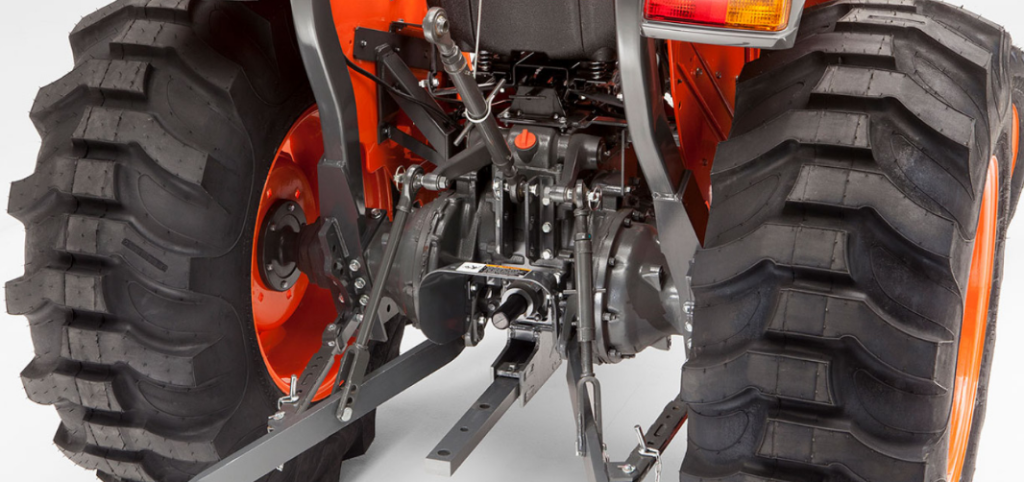
The shift linkage is one of the most common places to find the real fault when gears refuse to engage. The outside lever may move normally, but if the rods, pins, clevises, or bushings are worn, the internal selector may not move far enough to lock a gear in place. That creates a situation where the tractor feels stuck between gears or slips out of position.
Inspect every visible connection from the lever to the transmission case. You are looking for bent rods, loose fasteners, cracked bushings, or pins that have walked out of their holes. Even a few millimeters of lost movement can be enough to stop the gearbox from engaging properly.
Range selectors can also get misaligned after rough use or vibration. If the tractor has a separate range lever, make sure it is fully seated in low, medium, or high. A selector that is only halfway into detent may block the main gearset.
Credit: tractorpartscentral.com
Signs the linkage is the problem
- The lever moves, but the tractor does not respond.
- You feel a soft stop instead of a firm gear detent.
- The gearbox works sometimes, but not every time.
- The tractor shifts better when the engine is off.
- You can see excessive play in the external linkage.
A useful test is to move the lever with the engine off and listen for a clear mechanical click into position. If the motion feels vague or incomplete, the problem is often external to the gearbox itself. If the lever feels solid but the gear still will not hold, the fault may be inside the transmission.
This is where many owners save time by cleaning and lubricating the linkage before replacing parts. Dirt and rust can create enough drag to mimic a failed gearbox. A thorough clean, followed by light lubrication where appropriate, often restores normal movement without major repair.
Clutch, brake, and safety interlock faults can block engagement
On equipment like the TG1860, safety systems are designed to stop movement when the machine is not in a safe condition. That is helpful, but it also means a bad switch, misadjusted pedal, or failed interlock can look like a gearbox problem. If the tractor will not engage after a sudden change, this should be high on your checklist.
Test whether the clutch or brake pedal returns fully and moves freely. A pedal that stays slightly depressed can keep the system from allowing gear engagement. Also check for broken springs, bent arms, or debris under the pedal area.
Safety switches are another frequent issue. If the seat switch, brake switch, or PTO interlock does not send the correct signal, the tractor may refuse to move. You do not want to bypass these systems permanently, because they are there for safety. If you need the official setup details, use the official Kubota support page for manual and service information.
How to narrow down an interlock problem
- Confirm the tractor starts normally.
- Check whether the engine changes behavior when you press the brake or clutch.
- Inspect switch connectors for corrosion or loose plugs.
- Look for damaged wiring near moving pedals or the seat base.
- Compare the current switch position to the normal resting position.
One mistake many owners make is assuming a switch is fine because the tractor starts. Starting and gear engagement are not always controlled by the same circuit. A switch can be partially working and still stop the transmission from engaging under load.
Internal gearbox wear creates a different kind of problem
If the external checks do not solve the issue, the gearbox itself may have worn internal parts. This is less common than linkage or fluid problems, but it becomes more likely on a tractor with many operating hours, rough shifting habits, or a history of low fluid. Internal wear can keep the gearbox from locking into gear, especially if the shift forks or synchro components are damaged.
Signs of internal wear include grinding during selection, popping out of gear, unusual noise under load, and metal particles in the oil. If the gearbox was noisy before it stopped engaging, that is a strong clue that the problem is deeper than the controls. A tractor that suddenly loses engagement after a loud clunk may have damaged gear teeth or a failed selector component.
Do not keep forcing the lever if this is happening. Every hard attempt can damage more parts and increase repair costs. If the gearbox only engages with great effort, or only after rocking the machine slightly, internal alignment or wear may be involved.
Clues that point inside the transmission
- The lever feels normal, but the gear does not stay engaged.
- You hear grinding even with careful shifting.
- Oil contains glitter-like metal debris.
- One range works, but another does not.
- The problem gets worse as the tractor warms up.
A subtle clue is temperature-related behavior. Some worn parts expand as the transmission heats up, which can make an already weak selector fail after 20 or 30 minutes of use. If the tractor works cold and fails hot, that pattern matters.
At this stage, a teardown may be needed. That usually means inspecting forks, gears, bearings, and shift rails. If you are not set up for transmission work, this is a good point to involve a qualified technician.
Step-by-step diagnosis that saves time and prevents guesswork
When the Kubota TG1860 gearbox will not engage, a simple sequence works better than random part swapping. Start with the outside controls, then move toward the transmission only if the earlier checks do not explain the fault. This approach keeps the repair focused and often cuts the diagnostic time in half.
Credit: orangetractortalks.com
1. Verify the operating condition
Park on level ground, set the brake, and shut the engine off. Try shifting through the ranges by hand. If the lever is stiff or incomplete with the engine off, the problem is likely mechanical rather than hydraulic.
2. Inspect fluid and leaks
Check the fluid level, condition, and any signs of leakage. Look under the tractor, around seals, and near fittings. If fluid is low, refill with the correct specification before retesting.
3. Watch the linkage move
Have someone move the lever while you inspect the linkage from the side. Watch for lost motion, bent rods, or parts that do not travel the full distance. This is one of the fastest ways to spot a worn connection.
4. Test safety switches and pedal return
Make sure all pedals return fully and switches are not stuck. Check connectors for dirt, corrosion, or loose fit. A small electrical problem can stop gear engagement even when the transmission is healthy.
5. Listen for internal symptoms
If the tractor grinds, pops out of gear, or leaves metal in the oil, stop treating it like a linkage problem. Those signs usually mean internal wear or damage that needs deeper service.
A good rule is this: if the lever and linkage do not move correctly, fix that first. If they do move correctly but the tractor still refuses to engage, shift your attention inside the transmission. That order prevents a lot of wasted effort.
Fixes that usually solve the problem
The right fix depends on where the fault is. The most common repairs are not dramatic. They are usually cleaning, adjustment, replacement of worn linkage parts, or a fluid service. Only a smaller number of cases require internal gearbox work.
Common repairs
- Adjust the linkage so the lever reaches full travel.
- Replace worn bushings or pins that create slack.
- Clean and lubricate the selector shaft and pivot points.
- Top up or replace transmission fluid if level or condition is poor.
- Repair faulty switches or connectors in the safety circuit.
- Inspect and repair internal components if metal debris or grinding is present.
One repair many people overlook is cable or rod alignment after previous service. If someone removed a panel, replaced a lever, or changed a mount, the linkage can be slightly out of position. A tiny misalignment can prevent full gear engagement while still making the controls feel almost normal.
Another useful habit is to document what gear or range failed. If only one position will not engage, the problem is often localized. If all gears fail equally, the issue is more likely in the shared control path, safety system, or fluid condition.
When to stop troubleshooting and call for help
Call a professional if the tractor has metal in the oil, loud internal noise, or a gearbox that will not engage after all external checks are done. Those symptoms usually need opening the transmission, and continued use can make a small failure much worse. If the tractor is under service coverage or you are not confident handling drivetrain repairs, professional service is the safer path.
Also stop if the tractor must be forced into gear. Forcing a selector can break forks, bend rails, or chip gears. That kind of damage turns a repairable issue into a full rebuild.
Safety matters too. Support the machine properly, shut it down before inspection, and keep hands clear of moving linkages. If you ever need to work under the tractor, use proper stands, not a jack alone.
Credit: reddit.com
After the main fault is fixed, run the machine briefly under light load and recheck the related belt, wiring, fuel, fluid, and safety-switch areas before returning it to normal work.
FAQs
Why does my Kubota TG1860 shift lever move but the gearbox still will not engage?
The most common reason is lost motion in the linkage, worn bushings, or a safety switch problem. The lever can move normally while the transmission selector inside the case does not move far enough to lock a gear.
Can low fluid really stop the gearbox from engaging?
Yes. Low fluid can reduce pressure and lubrication, which affects shifting and engagement. Even a small loss of fluid can cause weak response or intermittent operation.
What if the tractor only fails to engage when it is hot?
That often points to worn internal parts, expanding components, or fluid that is breaking down under heat. If the problem appears after 20 to 30 minutes of use, internal wear becomes more likely.
Should I force the gear lever if it will not go in?
No. Forcing the lever can bend linkage parts or damage internal gears and forks. If it does not engage with normal pressure, stop and diagnose the cause.
What is the fastest way to tell if the problem is outside the gearbox?
Try shifting with the engine off and inspect the full movement of the linkage. If the lever feels loose, stiff, or incomplete, the fault is usually external rather than inside the transmission.