
When a tractor starts acting strange, work stops fast. That is why kubota b7800 problems matter to owners who depend on this compact tractor for mowing, loading, grading, and farm work. The B7800 is known as a solid machine, but even strong tractors can develop common faults after years of use.
The good news is that many B7800 issues are not serious. In many cases, the cause is simple: old filters, weak batteries, dirty fuel, air in the hydraulic system, or worn parts. If you know what to look for, you can save time, money, and a lot of frustration.
This guide explains the most common Kubota B7800 problems, why they happen, and how to fix them. It is written in simple language and focuses on real-world troubleshooting, so you can find the issue faster and get back to work.
What usually goes wrong first on a B7800
The Kubota B7800 is a compact tractor, so most problems show up in a few main systems: engine, fuel, hydraulics, transmission, steering, electrical, and PTO. Many owners first notice small changes before a full breakdown. A hard start, slow lift, weak drive power, or strange noise is often the early warning.
One important point many beginners miss is that one symptom can have more than one cause. For example, a slow loader may not mean the hydraulic pump is bad. It could be low fluid, a clogged filter, a leaking hose, or air trapped in the system. Good troubleshooting means checking the simple things first.
Signs that should not be ignored
- Engine starts but runs rough or dies under load
- Hydraulics move slowly or jerk
- Tractor loses power on hills or in thick grass
- PTO does not engage correctly
- Battery dies often or starter turns slowly
- Transmission feels weak, noisy, or inconsistent
If you catch these signs early, repair is usually easier and cheaper. Waiting too long often turns a small service issue into a bigger part replacement.
Engine starting problems and rough running
Hard starting is one of the most common kubota b7800 problems. The engine may crank slowly, start only after several tries, or run unevenly after it finally starts. In cold weather, these symptoms often get worse.
Common causes
- Weak or old battery
- Corroded battery terminals
- Bad glow plugs or glow plug relay
- Dirty air filter
- Fuel restriction from a clogged filter
- Water or dirt in diesel fuel
- Low compression in an older engine
Diesel engines need good cranking speed, clean fuel, and strong heat during cold starts. If one of those is missing, the engine may struggle. A battery that seems “almost fine” can still fail under load because diesel starting demands more power than many people expect.
Fixes that often work
- Test the battery voltage and replace weak batteries.
- Clean battery posts and clamps until shiny metal shows.
- Replace the fuel filter if service history is unknown.
- Check the air filter and clean or replace it if dirty.
- Test glow plugs if starts are poor in cold weather.
- Drain water from the fuel system if contamination is suspected.
A useful habit is to check fuel quality first if the tractor has been sitting. Old diesel can form deposits and cause poor combustion. Many owners focus on electrical parts first, but contaminated fuel is often the real issue.
When rough running points to a bigger issue
If the engine still smokes heavily, shakes, or loses power after fresh filters and clean fuel, the problem may be deeper. Injector wear, air leaks in the fuel system, or compression loss can be involved. At that point, a pressure test or professional diagnosis is worth the cost.
Hydraulic problems with the loader and three-point hitch
Hydraulic trouble is another major area where owners report kubota b7800 problems. The loader may lift slowly, the bucket may drop too fast, or the three-point hitch may not raise evenly. Sometimes the system works, but only after the tractor warms up.
Hydraulics depend on clean fluid, correct level, and unrestricted flow. Even a small issue can affect performance. This is why hydraulic problems can feel confusing: the tractor may still move, just not as well as it should.
Common causes
- Low hydraulic fluid
- Wrong hydraulic fluid type
- Clogged hydraulic filter
- Air in the hydraulic system
- Worn hydraulic pump
- Internal leakage in cylinders or control valves
- Loose or leaking hydraulic fittings
One thing many owners overlook is temperature. Thin fluid when hot can reveal internal wear, while thick fluid when cold can slow the system. If performance changes a lot with temperature, fluid condition and wear should both be checked.
Practical fixes
- Check the hydraulic fluid level on level ground.
- Use the correct Kubota-approved fluid or a compatible premium equivalent.
- Replace the hydraulic filter on schedule.
- Inspect hoses, seals, and fittings for leaks.
- Cycle the loader and hitch several times to help remove trapped air after service.
- If motion is still weak, test pump output and cylinder holding ability.
Another non-obvious clue is a whining sound from the hydraulic system. That often means air is getting in, the fluid is low, or the pump is starved. Do not ignore it. Running a hydraulic pump while it is starving for fluid can shorten its life quickly.
Transmission and driveability issues
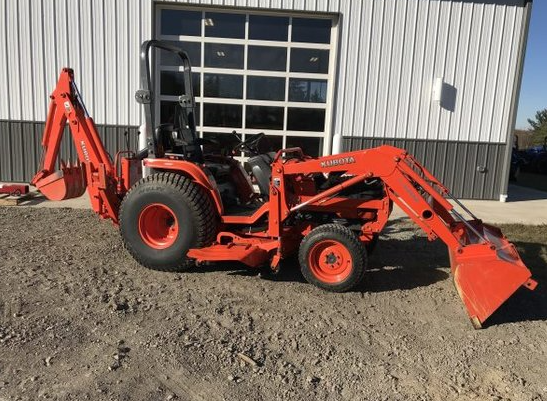
The B7800 often uses a hydrostatic drive system in many setups, and drive problems can feel like power loss or hesitation. The tractor may move slowly, not respond smoothly, or feel like it is slipping under load. Some owners assume the transmission is failing right away, but the cause may be simpler.
Credit: commercialvehicleinfo.com
Common causes
- Low hydrostatic fluid
- Clogged transmission filter
- Overheated fluid
- Pedal linkage out of adjustment
- Worn drive belt or related components on certain attachments
- Contamination in the hydraulic/transmission system
Hydrostatic drive systems are sensitive to fluid condition. If the fluid is old or dirty, the tractor may feel weak even when the engine is fine. That is why it is smart to separate engine power problems from drive system problems before replacing parts.
Fixes and checks
- Verify the transmission/hydro fluid level.
- Check service records for fluid and filter replacement.
- Inspect the pedal and linkage for free movement.
- Let the tractor cool if performance drops after long use.
- Drain and refill the system if the fluid looks dark, milky, or dirty.
A common beginner mistake is to keep driving a tractor that feels weak because “it still moves.” That can create more wear and heat. If the transmission starts slipping or losing response, stop and diagnose it early.
Electrical faults, dead batteries, and charging issues
Electrical problems can cause many different kubota b7800 problems. The tractor may not start, lights may dim, fuses may blow, or the charging system may not keep up. Since the B7800 is often used in dusty, wet, or outdoor settings, connectors and grounds can corrode over time.
Common causes
- Weak battery
- Bad alternator or charging circuit
- Loose ground cable
- Corroded terminals
- Blown fuse
- Faulty ignition switch
- Damaged wiring from vibration or rodent damage
Electrical faults can be tricky because the tractor may work sometimes and fail at other times. That makes owners suspect big failures, but intermittent issues often come from loose connections or weak grounds.
How to troubleshoot
- Test battery voltage with the engine off and running.
- Inspect the battery cables for corrosion or looseness.
- Check grounds where cables attach to the frame or engine.
- Replace damaged fuses with the correct rating only.
- Inspect the alternator output if the battery keeps going flat.
If the battery dies often, do not only replace the battery and move on. First find out why it went dead. A bad charging system, a parasitic draw, or poor cable connections may be the real cause.
Useful reference for charging system testing
If you want a clear general guide on how battery charging works and why voltage matters, the DENSO explanation of battery failure and charging basics is helpful. The same core ideas apply to compact tractor electrical systems.
Steering and front-end loader concerns
Steering trouble is frustrating because it affects control and safety. On a B7800, steering may feel stiff, noisy, or uneven. If the front loader is installed, steering issues can become more noticeable under load or at low engine speed.
Common causes
- Low hydraulic fluid
- Air in the steering circuit
- Leaking steering components
- Worn front axle parts
- Poor tire pressure
- Heavy loader load on soft ground
One overlooked issue is tire pressure. Uneven or low front tire pressure can make steering feel worse than it really is. Always check tires before replacing hydraulic or steering parts.
What to do
- Check hydraulic fluid first.
- Inspect the front tires for correct pressure and damage.
- Look for leaks around steering hoses and fittings.
- Test steering at idle and at higher RPM to see if response improves.
- Inspect the front axle and joints for play.
If steering gets hard only when the loader is carrying a heavy load, the issue may be system capacity or low engine speed rather than a failed steering part. Increasing RPM within safe operating limits may help. If it does not, the system needs inspection.
PTO problems and attachment performance
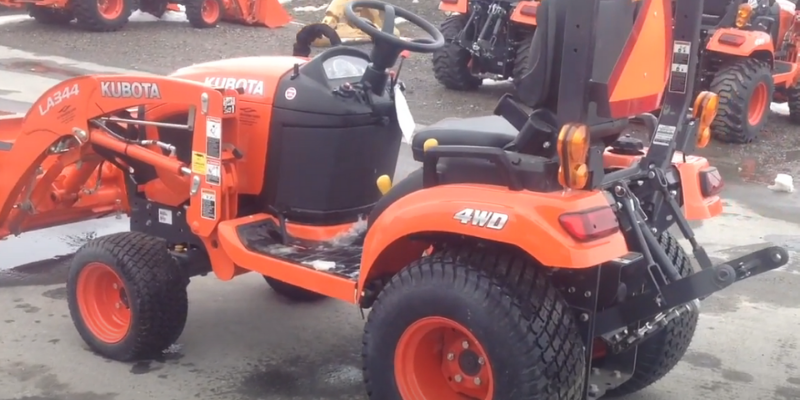
The power take-off, or PTO, drives many attachments such as mowers, tillers, and snow equipment. PTO trouble can look like slipping, delayed engagement, or no power to the implement. Since the PTO is used often, wear and adjustment issues can show up with age.
Credit: plantnative.org
Common causes
- Faulty PTO switch or linkage
- Low hydraulic fluid in PTO-driven systems
- Worn clutch components
- Electrical fault in the engagement circuit
- Safety switch preventing operation
- Damaged PTO shaft or implement connection
PTO issues often appear to be tractor problems, but sometimes the attachment is the real issue. A stiff driveline, bad gearbox, or jammed implement can make it seem like the PTO is failing.
Good troubleshooting steps
- Test the PTO with a known good attachment.
- Check for safety switch activation.
- Inspect the PTO shaft and implement connection.
- Listen for engagement changes when the PTO is switched on.
- Review the operator manual for correct PTO engagement procedure.
A subtle but important clue is the sound during engagement. A clean, steady engagement is different from a harsh or delayed one. If the sound changes over time, wear may be increasing even before the PTO fully fails.
Overheating and poor cooling performance
Some owners notice the engine getting hot during mowing or long pulls. Overheating can reduce power and damage engine parts if ignored. It is one of the problems that needs fast attention.
Common causes
- Dirty radiator screen or fins
- Low coolant level
- Failing thermostat
- Weak water pump
- Fan belt issues
- Debris buildup from grass, dust, or chaff
Compact tractors often work in dusty, grassy conditions. That means the cooling system can clog faster than many owners expect. A tractor that is clean outside can still have packed debris hidden in the radiator fins.
How to fix it
- Clean the radiator screen regularly.
- Blow out debris from the fins with low-pressure air.
- Check coolant level when the engine is cool.
- Inspect the fan belt for cracks or looseness.
- Replace old coolant on schedule.
One common mistake is washing the radiator with strong pressure from the wrong side. That can bend fins and make airflow worse. Gentle cleaning is usually better than aggressive spraying.
How to diagnose problems without guessing
The fastest way to handle kubota b7800 problems is to use a simple order of checks. Do not replace expensive parts too early. Start with the basic items that fail most often.
A smart troubleshooting order
- Check fluid levels and fluid condition.
- Inspect battery, terminals, and grounds.
- Replace dirty filters.
- Look for leaks, loose fittings, and damaged hoses.
- Test the tractor under light load and then normal load.
- Compare the symptom when cold versus when warm.
That last step matters more than many people realize. Some problems only appear when fluid warms up, while others improve after warm-up. This difference helps you separate hydraulic wear, fuel restriction, and electrical weakness.
Common mistakes owners make
- Replacing a pump before checking fluid level
- Installing a new battery without checking the alternator
- Ignoring a dirty air filter because the tractor still runs
- Using the wrong hydraulic fluid
- Assuming one bad start means a full engine failure
These mistakes are expensive because they skip the basics. The B7800 is a dependable tractor, but it still needs routine service. Many “serious” failures begin as simple maintenance issues.
Prevention that saves money later
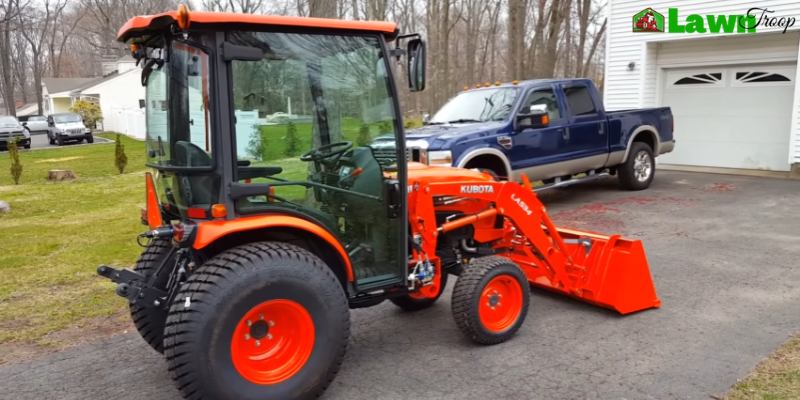
Most Kubota B7800 issues are easier to prevent than to fix. Regular maintenance keeps the tractor strong and makes it easier to spot new problems early. This is especially important for tractors used seasonally, because sitting unused can cause as many issues as hard work.
Credit: plantnative.org
Good habits to follow
- Change engine oil and filters on time
- Replace fuel and hydraulic filters as recommended
- Keep battery terminals clean
- Store fuel properly and avoid old diesel
- Clean the radiator and air intake area often
- Inspect hoses, belts, and fittings before seasonal use
Another useful habit is to write down what you changed and when. Simple service notes help you spot patterns. If the same problem returns after a few months, you will have better clues.
When to call a mechanic
Some repairs are suitable for owners with basic tools. Others are safer and smarter to leave to a technician. If the tractor has no compression, major hydraulic failure, repeated electrical burning, or transmission noise that gets worse quickly, professional help is the better choice.
Call a mechanic if:
- The engine will not start after basic checks
- Hydraulics are completely weak or erratic
- The tractor will not move normally
- You smell burning electrical parts
- There is metal in fluid or major internal noise
The real goal is not to do every repair yourself. The goal is to find the problem accurately and avoid wasted time. Sometimes the smartest repair is knowing when to stop troubleshooting and get expert help.
Final thoughts
Most kubota b7800 problems come from a handful of causes: weak batteries, dirty filters, old fluids, leaks, worn parts, and poor maintenance. That is encouraging, because these are often solvable without major engine or transmission work.
If you start with the basics, watch for changes in sound and performance, and check the tractor system by system, you can solve many issues before they grow. The B7800 is a dependable compact tractor, and with steady care, it can keep working well for many years.
FAQs
1. What are the most common Kubota B7800 problems?
The most common issues are hard starting, weak hydraulics, battery trouble, transmission performance loss, PTO concerns, and overheating. In many cases, the cause is maintenance-related, not major part failure.
2. Why does my Kubota B7800 start hard when cold?
Cold starting trouble usually comes from a weak battery, dirty fuel, bad glow plugs, or clogged filters. Diesel engines need strong cranking power and proper heat to start well in low temperatures.
3. Why is the loader on my B7800 so slow?
Slow loader movement often points to low hydraulic fluid, a clogged filter, air in the system, or worn hydraulic parts. Check fluid condition and filter status before assuming the pump is bad.
4. Can old fuel cause Kubota B7800 problems?
Yes. Old or dirty diesel can cause rough running, hard starts, and power loss. Water in the fuel can make the problem worse, especially if the tractor has been stored for a long time.
5. When should I call a mechanic for B7800 issues?
Call a mechanic if the tractor will not start after basic checks, the hydraulics fail badly, the transmission makes unusual noise, or you suspect internal engine or electrical damage. Those problems can get worse fast.