
If your Mahindra tractor PTO stops working, slips, makes noise, or will not engage, the problem can slow down your whole job very fast. A PTO issue is not just a small annoyance. It can stop mowing, baling, tilling, and many other farm tasks.
The good news is that many mahindra tractor pto problems come from simple causes. Low hydraulic oil, worn linkage parts, a dirty clutch adjustment, bad wiring, or a damaged PTO switch can all create the same symptom. That means you do not always need a major repair. In many cases, careful checking can save time and money.
This guide explains the most common PTO problems on Mahindra tractors, how to find the real cause, and what to do next. It also covers smart troubleshooting steps, common mistakes to avoid, and signs that tell you when the problem is more serious.
How the PTO system works on a Mahindra tractor
The power take-off, or PTO, sends engine power to attached equipment. It is the part that lets your tractor run implements like a rotary cutter, hay baler, post-hole digger, or snow blower. On many Mahindra tractors, the PTO is tied to the clutch, hydraulics, safety switches, and sometimes electronic controls.
That is why a PTO issue is not always a PTO-only issue. A tractor may have enough engine power, but if the clutch is not releasing correctly, hydraulic pressure is weak, or a safety switch is failing, the PTO may still refuse to work the right way.
Why this matters when troubleshooting
Many owners replace the wrong part first. For example, they may think the PTO clutch is bad when the real problem is low transmission oil or a loose switch wire. A calm step-by-step check is usually the fastest path.
One thing many beginners miss is that PTO symptoms often change with tractor temperature. A PTO that works cold but fails when hot can point to fluid thinning, worn seals, weak hydraulic pressure, or a clutch pack that is already near the end of its life.
Common Mahindra tractor PTO problems and what they usually mean
Below are the most common symptoms and the most likely causes. Use them as a starting point before taking anything apart.
| Symptom | Likely cause | What it often means |
|---|---|---|
| PTO will not engage | Low fluid, bad switch, wiring issue, clutch problem | Electrical or hydraulic fault |
| PTO engages but slips | Worn clutch pack, low hydraulic pressure, incorrect adjustment | Internal wear or weak pressure |
| PTO keeps running when switched off | Stuck linkage, clutch not releasing, solenoid issue | Release problem |
| Grinding or chatter | Bad clutch adjustment, damaged gears, worn bearings | Mechanical wear or poor engagement |
| PTO speed is weak or inconsistent | Engine speed low, hydraulic issue, internal slip | Power transfer problem |
1. PTO will not engage at all
This is one of the most frustrating mahindra tractor pto problems. You move the lever or press the switch, but nothing happens. Sometimes there is no sound. Sometimes you hear a click, but the shaft stays still.
Common causes include:
- Low hydraulic fluid or dirty fluid
- Blown fuse
- Faulty PTO switch
- Broken wire or loose connector
- Safety switch not allowing engagement
- Failed PTO solenoid or clutch pack
Start with the easy checks first. Look at the dash lights, listen for a click, and confirm that the tractor is in the right operating mode. Some Mahindra models will not engage the PTO unless the seat switch, brake switch, or neutral switch is working correctly.
2. PTO engages but slips under load
If the PTO starts turning but slows down or stops when you put the implement under load, you may be dealing with slipping clutch plates, weak hydraulic pressure, or poor clutch adjustment. This is common when mowing thick grass or running an implement that demands steady power.
Slipping is not something to ignore. It usually gets worse with time. If you keep using it, heat builds up and the wear becomes faster.
A less obvious cause is incorrect engine speed. Some owners run the engine too low and assume the PTO is weak. The PTO may be fine, but the implement needs the correct RPM to work properly. This is why checking engine throttle position matters before opening the tractor.
3. PTO stays on when it should be off
This problem can be dangerous. If the PTO keeps running after you switch it off, do not try to clear the implement with your hands. Shut down the tractor and remove the key first.
Possible causes include:
- Sticking mechanical linkage
- Faulty electrical relay
- Solenoid not releasing
- Internal clutch pack sticking
- Damaged control cable or lever
Sometimes the control lever feels normal, but the inside parts are not moving fully. Dirt, rust, or wear in the linkage can prevent proper release. This is one of those problems where a small mechanical fault can create a major safety risk.
4. Grinding, clunking, or chatter during PTO engagement
Noisy engagement usually means the PTO is not connecting smoothly. That can happen when parts are worn, adjustments are off, or the shaft is trying to engage too quickly.
Common triggers include:
- Worn clutch discs
- Incorrect pedal or lever adjustment
- Damaged bearings
- Gear wear inside the PTO housing
- Hydraulic pressure that comes in too sharply
If the sound is new and getting louder, treat it as a warning. Noise is often the first sign of internal wear before a total failure happens.
5. PTO speed feels weak
Sometimes the PTO turns, but the implement seems underpowered. This can feel like a speed issue, but it is often a power transfer issue. In other words, the shaft may be turning, but not with full force.
Check these first:
- Engine RPM
- Correct PTO speed setting, if your model has one
- Hydraulic fluid level and condition
- Signs of clutch slip
One detail many owners miss is that dirty or old fluid can cause more trouble in hot weather. A tractor may work fine in the morning and act weak later in the day because fluid temperature changes pressure and response.
Step-by-step troubleshooting process
Use this process in order. It helps you avoid random part replacement and gives you a better chance of finding the real fault.
Credit: justanswer.com
1. Make the tractor safe first
Park on flat ground. Lower all implements. Set the parking brake. Turn off the engine and remove the key before touching the PTO shaft or nearby parts. If the implement is heavy or raised, secure it properly.
Safety is not optional here. A PTO can start or move unexpectedly if a switch or relay is faulty.
2. Check fluid level and condition
Many hydraulic and PTO issues start with the fluid. Low fluid can reduce pressure. Dirty fluid can cause poor valve movement, heat buildup, and slow engagement.
Look for:
- Low fluid level
- Milky fluid, which may mean water contamination
- Dark, burnt-smelling fluid
- Foaming or air bubbles
If the fluid looks bad, change it according to the tractor manual. Also inspect the filter if your model uses one. Clean fluid is one of the easiest ways to protect the PTO system.
3. Inspect the PTO control and switch
If the PTO is electronically controlled, check the switch first. Push it several times. See if it feels loose, sticky, or dead. Look for dash warnings if your tractor has them.
For mechanical systems, inspect the lever, cable, and linkage. A bent rod or tight pivot can stop full movement. Sometimes the lever is moving, but the internal control is not reaching the full range.
A simple visual check often catches the problem faster than opening the transmission area.
4. Check fuses, relays, and wiring
Electrical faults are common and often overlooked. A PTO may fail because of a small blown fuse or a connector that shook loose from vibration.
Look for:
- Blown fuse
- Corroded terminals
- Pinched wire
- Loose ground connection
- Water inside a connector
If your PTO works sometimes and fails other times, wiring is a strong suspect. Intermittent failures often point to a loose connection rather than a fully broken part.
5. Test safety switches
Mahindra tractors may use safety switches for the seat, clutch, brake, or gear position. If one switch does not send the right signal, the PTO may not engage.
Do not bypass safety switches unless a qualified technician is diagnosing the system. These switches are there for a reason. A bypass may hide the real problem and create a safety hazard.
6. Listen for the solenoid or engagement sound
When you turn the PTO on, listen carefully. A click may mean the control circuit is working. No sound may point to electrical failure, while a click with no shaft movement may mean the clutch or hydraulic side is failing.
This is a useful clue because it helps separate electrical problems from mechanical ones.
7. Check for mechanical binding
Rotate the PTO shaft by hand only when the tractor is shut off and safe to touch. It should move according to the design of the tractor and implement condition. If it is hard to turn or feels rough, there may be internal damage, a seized bearing, or an implement problem causing drag.
Also inspect the implement itself. A bad implement gearbox or jammed attachment can make the tractor PTO seem faulty when the tractor is not the real issue.
Practical fixes for common PTO faults
Some problems can be fixed in the field. Others need shop work. The key is knowing which ones are simple and which ones are warning signs of deeper wear.

Credit: motorbiscuit.com
Replace or top up hydraulic fluid
If fluid is low or dirty, correct it first. Use the fluid type recommended in your Mahindra manual. Do not mix random fluids without checking compatibility. Wrong fluid can change pressure behavior and hurt seals.
If the system has been run low for a while, also check for leaks around hoses, fittings, and seals.
Clean and tighten wiring connections
Unplug and inspect connectors only when the system is off and safe. Clean corrosion with the correct electrical cleaner. Tighten loose terminals. Replace damaged wires, not just tape them.
A poor ground connection can cause strange symptoms. The PTO may work one day and fail the next because the electrical path is weak.
Adjust the clutch or linkage
If your tractor uses a mechanical PTO control or clutch-based system, adjustment matters a lot. Too much free play can stop full engagement. Too little can cause dragging, heat, and hard shifting.
Follow the manual for exact settings. Small adjustment errors can create big PTO problems.
Replace worn switches or relays
Switches are inexpensive compared with major internal repairs. If testing points to a bad PTO switch or relay, replace it with the correct part number. Cheap matching parts can cause new problems if they are not the right spec.
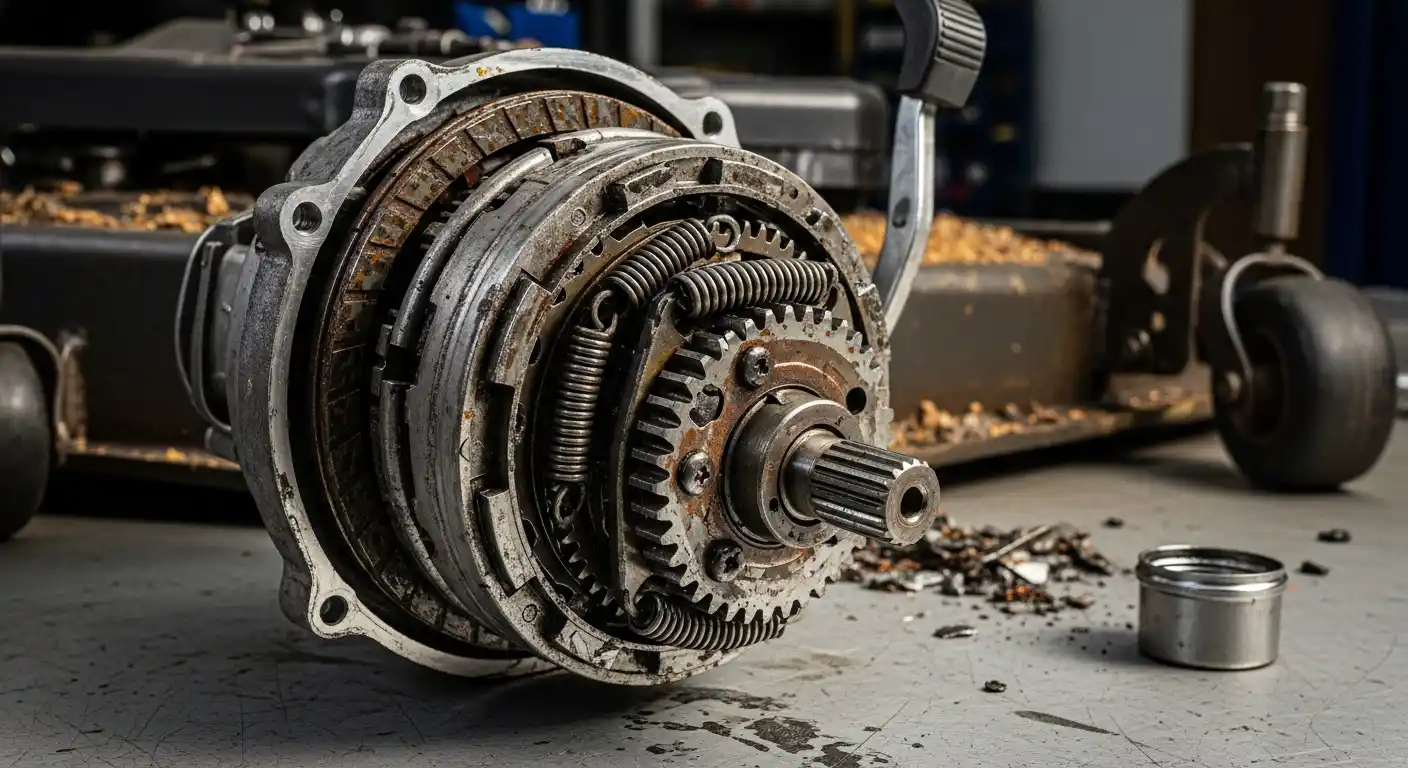
Repair or rebuild the PTO clutch pack
If the PTO slips even after fluid, wiring, and adjustment checks, the clutch pack may be worn. This is a more serious repair and often requires a technician. Worn plates, damaged seals, or weak pressure inside the PTO housing usually need internal service.
Do not keep running a slipping clutch for long. Heat damage spreads fast.
Common mistakes that make PTO problems worse
Many owners make the same mistakes during troubleshooting. Avoiding them can save you from extra damage.
Using the wrong fluid
Fluid choice is not a small detail. The wrong oil can change pressure response and create poor PTO operation. Always check the manual, especially after a service done by someone else.
Ignoring implement problems
Sometimes the tractor is blamed when the implement is the real issue. A stuck gearbox, bent shaft, or seized bearing can overload the PTO and mimic tractor failure.
Forcing the PTO switch or lever
If the PTO does not engage, do not force it. That can damage linkages, switches, or internal parts. Find the reason first.
Skipping simple checks
It is easy to jump straight to expensive repairs. But many mahindra tractor pto problems come from fuses, switches, or fluid level. Always start simple.
When the problem is likely internal
Some signs suggest the trouble is inside the PTO housing or transmission area. If you see any of these, it is time to think beyond basic troubleshooting:
- Strong burning smell from repeated use
- Metal particles in fluid
- Loud grinding from inside the tractor
- PTO that works only after warm-up, then slips again
- Repeated failure after switch, fuse, and fluid checks
Internal wear may involve clutch plates, bearings, seals, or gears. These are not usually quick fixes. A professional repair shop may be the safest choice, especially if the tractor is still under warranty.
How to prevent PTO trouble in the future
Good maintenance is the best defense. A PTO system often gives warning signs before it fails. If you pay attention early, you can avoid downtime during the busiest season.
Do these regular checks
- Check hydraulic fluid level often
- Inspect connectors and wiring for wear
- Keep the PTO area clean
- Grease linkage points if your model requires it
- Use the correct engine RPM for the implement
- Store the tractor in a dry place when possible
One smart habit is to test the PTO before a major job, not during it. A short dry test can reveal a weak switch, sticky lever, or noisy engagement before the tractor is under full load.
Watch for early warning signs
Small changes matter. Slight delay in engagement, a new sound, or a little slipping under load may seem minor at first. But these are often the first signs of a larger problem.
Many owners wait until the PTO fully fails. That usually makes the repair larger and more expensive.
Useful reference for safe tractor maintenance
If you want to check general tractor safety and maintenance guidance, the NIOSH agricultural safety resources are a helpful place to start. Safe habits matter when you are working around PTO shafts and powered implements.
Credit: yardguides.com
Final thoughts on solving Mahindra PTO issues
Most PTO problems become easier when you follow a simple process. Start with fluid, switches, wiring, and safety interlocks. Then move to adjustment, linkage, and only after that internal parts. This approach saves time and helps you avoid replacing parts you do not need.
The main thing to remember is that mahindra tractor pto problems are often caused by a chain of small faults, not one big failure. A weak battery, dirty connector, low fluid, or worn linkage can all affect the way the PTO behaves. Careful checking usually gives the answer.
If your PTO still slips, makes noise, or refuses to engage after basic checks, it is better to stop and inspect it properly. A small repair now is usually better than a major rebuild later.
FAQs
1. Why does my Mahindra tractor PTO not engage?
The most common reasons are low hydraulic fluid, a blown fuse, a bad PTO switch, loose wiring, or a safety switch that is stopping engagement. If those parts look fine, the problem may be inside the PTO clutch or solenoid area.
2. Can low hydraulic fluid cause PTO problems?
Yes. Low fluid can reduce pressure and stop the PTO from engaging smoothly. It can also cause slipping, slow response, and poor performance under load.
3. Why does the PTO slip when I use heavy equipment?
Slipping often points to worn clutch plates, weak hydraulic pressure, or incorrect adjustment. It can also happen if the engine speed is too low for the implement.
4. Is it safe to keep using a PTO that makes noise?
No, not for long. Grinding, chatter, or clunking usually means wear or poor engagement. Continued use can damage internal parts and make the repair more expensive.
5. When should I call a mechanic for PTO trouble?
Call a mechanic if the PTO still fails after checking fluid, fuses, switches, wiring, and linkage, or if you find metal in the fluid, a strong burning smell, or repeated slipping under load. These signs often mean internal damage.