
If your mower or compact machine starts acting strange, the hydrostatic drive is often the first place to look. Many owners search for hydro gear zt 3100 problems when they notice weak movement, strange noises, or one wheel pulling harder than the other. These symptoms can look serious, but in many cases the cause is simple.
The Hydro-Gear ZT-3100 is a popular transaxle used on many zero-turn mowers. It is built for strong performance, but like any hydraulic system, it depends on clean oil, proper airflow, correct belt tension, and good maintenance. When one small part is off, the whole drive can feel wrong.
This guide explains the most common issues, why they happen, and what you can do to fix them. It also covers warning signs many beginners miss, so you can solve the real problem instead of replacing parts at random.
How the ZT-3100 works and why problems start
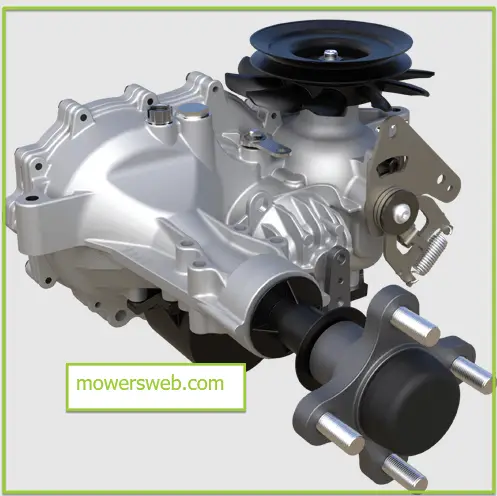
The ZT-3100 is a hydrostatic transaxle. In simple words, it uses hydraulic fluid, a pump, and a motor to move the wheels. The drive pedal or lever changes fluid flow, and that changes speed and direction. It is smooth, strong, and easy to control when everything is working correctly.
Most hydro gear zt 3100 problems do not start inside the unit itself. They often begin with outside issues like old fluid, worn belts, bad linkage adjustment, or cooling problems. That is why the best repair starts with a careful check, not a guess.
One important thing many owners miss is that a hydro drive can “seem” bad when the issue is actually outside the transaxle. A loose belt, a weak idler spring, or dirty cooling fins can create the same symptoms as internal wear.
Common Hydro Gear ZT 3100 problems you may notice
These are the signs people report most often. Some are mild and some point to real damage. The key is to notice the pattern.
| Problem | What it feels like | Most likely cause |
|---|---|---|
| Weak drive | Mower moves slowly or loses power on hills | Low fluid, air in system, worn belt, internal wear |
| One side slower | Machine pulls left or right | Linkage issue, belt problem, mismatch in transaxle performance |
| Noise | Whine, hum, or grinding sound | Low fluid, cavitation, damaged bearings, overheating |
| Overheating | Drive gets weak after running for a while | Dirty fins, old fluid, overload, poor ventilation |
| No movement | Engine runs but mower will not move | Belt broken, bypass valve open, linkage failure, severe internal fault |
1. Loss of drive power
This is one of the most common symptoms. The mower may move fine at first, then slow down, especially on slopes or in thick grass. Sometimes it feels like the machine is “slipping.”
Common causes:
- Low hydraulic fluid
- Old or dirty oil
- Air in the system
- Worn drive belt
- Internal pump wear
What to do: Check the fluid level first if your model allows service access. Look for leaks around the seals and fittings. Inspect the belt for glazing, cracks, or looseness. If the belt looks fine, test the machine after it has warmed up. A big drop in power after 20 to 30 minutes often points to heat or internal wear.
One non-obvious clue: if power drops mainly when the mower is hot, the problem is often not the belt. Heat causes weak fluid performance and makes worn parts show their weakness faster.
2. Mower pulls to one side
If your zero-turn does not track straight, the problem may not be the transaxle alone. Many owners assume one side has failed, but this symptom often comes from adjustment or resistance.
Common causes:
- Uneven tire pressure
- Improper control linkage adjustment
- Weak belt tension on one side
- Air or wear in one transaxle
- Dragging brake or stuck component
What to do: Start with tire pressure. Even a small difference can cause tracking problems. Then check the control arms and linkage. Make sure both drive levers return and move equally. If the machine still pulls, test each side separately. A weak side under load often shows up more clearly in a turn than in a straight line.
Beginners often overlook the parking brake or brake linkage. A slight drag can feel like hydrostatic failure and waste a lot of time.
3. Whining or humming noise
A light whine can be normal on some hydro systems, but a loud or new noise is a warning. If the sound changes with speed or gets worse when the machine is hot, pay attention.
Common causes:
- Air in the fluid
- Low oil level
- Cavitation from poor suction or restriction
- Worn internal bearings
- Overheating
What to do: Inspect for leaks and confirm the fluid is correct and clean. If the system was recently serviced, air may still be trapped. Gentle operation for a short period can sometimes help purge small air pockets. If the noise is harsh, grinding, or metallic, stop using the mower until it is inspected. That kind of sound can mean real internal damage.
Another useful clue: a high-pitched whine that changes when you turn often points to hydraulic strain, not engine trouble. That helps you focus on the drive system instead of the motor.
4. Slow response or delayed movement
Sometimes the mower does move, but only after a delay. You press the control, wait, and then the machine finally reacts. This can be frustrating and unsafe.
Common causes:
- Thick or old hydraulic fluid
- Air pockets in the system
- Loose linkage
- Sticky control arms
- Internal wear in pump pistons or motor parts
What to do: Check that all moving linkage parts swing freely. Clean dirt and grass buildup around the controls. If the unit has not had service for a long time, old fluid can become the problem. Fluid that has broken down does not respond as quickly and can make the whole drive feel lazy.
A delayed response can also come from cold weather. Some hydro systems feel slow when cold and improve as they warm up. If the problem stays after warm-up, you likely have a real issue.
5. Overheating during operation
Heat is one of the biggest enemies of hydrostatic drives. If the transaxle gets too hot, performance drops and wear rises fast. Many long-term hydro gear zt 3100 problems begin with repeated overheating.
Common causes:
- Dirty cooling fins or fan
- Mowing in heavy grass for long periods
- Low or poor-quality fluid
- Restricted airflow around the transaxle
- Worn internal parts creating extra friction
What to do: Clean the transaxle housing, fan area, and surrounding deck space. Remove packed grass and dirt. Make sure nothing blocks airflow. Check the oil condition and replace it if needed. If your machine works fine for the first part of the job and then fades, heat is a strong suspect.
One important point: overheating is not always caused by the transaxle itself. A mower that is pushed too hard in tall grass can overload the system even if the unit is healthy. That is why operating habits matter.
6. No movement at all
If the engine runs but the mower does not move, the cause may be simple or serious. Do not assume the transaxle is ruined right away.
Common causes:
- Broken or slipped drive belt
- Bypass valve left open
- Failed idler pulley or spring
- Control linkage disconnected
- Major internal failure
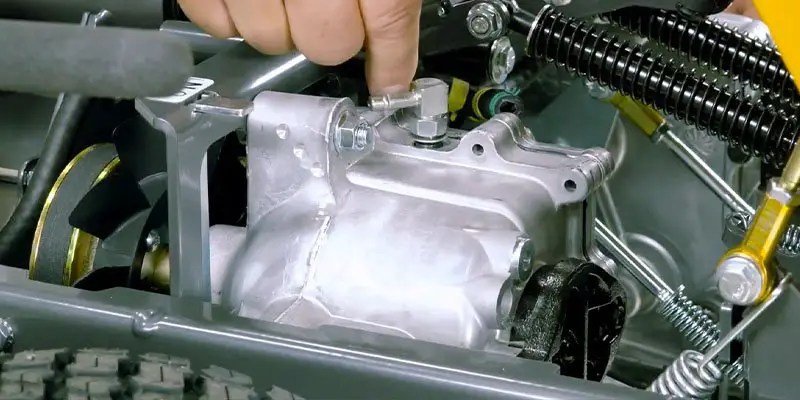
What to do: First check the belt. Then confirm the bypass valve is closed. Many machines have a freewheel or bypass lever for pushing the mower by hand. If that lever is open, the drive will not work. After that, inspect the control linkage under the frame. If all external parts are correct and the machine still will not move, the problem may be inside the transaxle.
Root causes behind most drive failures
When people search for hydro gear zt 3100 problems, they usually want the symptom. But the real value comes from knowing what causes the symptom in the first place. Here are the main root causes.
Credit: mowersweb.com
Dirty or degraded hydraulic fluid
Hydraulic fluid does more than move power. It also cools, lubricates, and protects parts. When fluid gets dirty or old, it loses these jobs. That leads to noise, heat, weak response, and wear.
Very often, owners change belts and tension parts first, but the real issue is old fluid. If the drive has been used for many seasons without service, fluid quality should be one of the first things checked.
Air in the system
Air causes spongy response, noise, and poor performance. It can enter through low fluid, loose fittings, or recent service work. A hydrostatic drive does not like air bubbles because they compress. Fluid should transmit force cleanly, but air gets in the way.
Cooling problems
Heat kills hydro systems slowly. A dirty fan, packed grass, bad airflow, or overloading the mower can make the unit run too hot. Once heat builds, seals harden and fluid breaks down faster.
Mechanical wear outside the transaxle
Belts, idlers, pulleys, linkages, and brakes can all mimic transaxle failure. That is why a full inspection matters. Replacing the hydro unit before checking these parts can waste a lot of money.
Internal wear
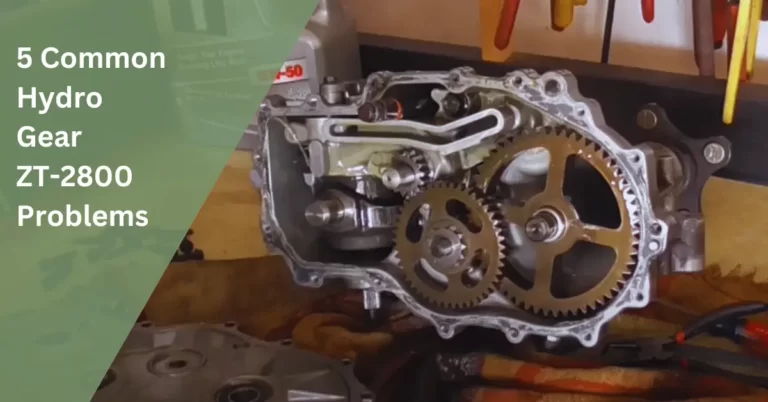
Sometimes the transaxle itself is worn. That can happen after many hours of use, poor maintenance, or overheating. Internal wear usually shows up as weak drive, heat, and poor performance that does not improve after simple checks.
How to troubleshoot the ZT-3100 step by step
If you want a practical way to find the problem, use this order. It saves time and helps you avoid random part swaps.
- Check tire pressure. Make sure both sides match and are set correctly.
- Inspect the drive belt. Look for cracks, glazing, slack, or slipping.
- Confirm the bypass valve is closed. An open bypass valve can stop movement completely.
- Check the control linkage. Make sure it moves freely and reaches full travel.
- Look for leaks. Oil around seals or fittings can mean low fluid and air entry.
- Clean the transaxle area. Remove grass, dirt, and debris from cooling areas.
- Test for heat-related weakness. Run the mower long enough to see if performance changes as it warms up.
- Listen carefully. New whine, grinding, or clicking helps narrow the issue.
If the machine still has problems after these checks, the issue may be internal. At that point, service information for your exact mower model becomes important.
Credit: lawnmowerswiki.com
Fixes that solve many ZT-3100 issues
Some repairs are simple and very effective. These are the fixes that solve many real-world complaints.
Replace worn belts and pulleys
A belt can look usable and still slip under load. If it is shiny, cracked, or stretched, replace it. Also check pulleys for wobble or rough bearings. A bad pulley can damage a new belt fast.
Service the fluid properly
If your machine allows fluid service, use the correct type recommended by the manufacturer. Do not mix random oils. Wrong fluid can change heat behavior and damage seals. Clean fluid and proper filling can restore smoother operation in many cases.
Clean cooling parts
Remove grass and dirt from the housing, fan, and nearby areas. Keep air moving around the transaxle. This is one of the easiest ways to reduce heat-related trouble.
Adjust linkages carefully
Small linkage errors can create big steering and drive issues. Set both sides evenly. If the controls do not return or move smoothly, fix that before judging the transaxle.
Repair leaks early
A tiny leak may not look serious, but it lowers fluid level and pulls in air over time. Early seal or fitting repair can prevent bigger damage later.
When the transaxle itself may be failing
Not every problem can be fixed with basic maintenance. Sometimes the unit is worn enough that internal repair or replacement is the right answer.
Signs of deeper failure include:
- Persistent weak drive after belt, fluid, and linkage checks
- Loud grinding or knocking sounds
- Heavy heat buildup even with clean fins and correct fluid
- Metal particles in drained fluid
- Performance that gets worse very quickly over time
If you find metal in the fluid, treat that as a serious warning. It usually means internal parts are wearing out. At this stage, continued use can make damage worse.
For official product details, service guidance, and model-specific documents, the Hydro-Gear website is a helpful source.
How to prevent future problems
Prevention is much cheaper than repair. A few habits can make the ZT-3100 last far longer and run better.
Keep the machine clean
Grass buildup traps heat. Dirt also hides leaks and makes inspection harder. Clean the drive area often, especially after mowing wet grass.
Use the right maintenance schedule
Do not wait for a problem to appear. Check fluid, belts, cooling, and linkage at regular intervals. If you use the mower hard or in hot weather, inspect it more often.
Do not overload the mower
Cutting very tall or wet grass puts heavy strain on the transaxle. Slow down and take smaller passes if needed. This reduces heat and keeps the drive system healthier.
Watch for early warning signs
Many serious failures start small. A slight whine, weak hill performance, or tiny fluid leak can become a bigger issue later. Fixing small problems early is the best way to avoid downtime.
Common mistakes people make when diagnosing hydro drive issues
A lot of time is wasted because the wrong part gets blamed first. These are the mistakes that happen most often.
- Replacing the transaxle before checking the belt
- Ignoring tire pressure differences
- Overlooking a partially open bypass valve
- Assuming noise always means internal failure
- Using the wrong hydraulic fluid
- Not checking for heat-related performance loss
One of the biggest beginner mistakes is focusing only on the symptom. A mower that pulls to one side may have a simple linkage or tire issue. A mower that feels weak may only need belt or airflow service. Good diagnosis starts with the easy things.
Credit: dillongarden.com
Final thoughts
Most hydro gear zt 3100 problems are not mysterious. They usually come from fluid issues, heat, belt wear, linkage problems, or normal internal wear after many hours of work. The good news is that many of these issues can be found early and fixed before they become expensive.
If you check the simple things first, stay alert to noise and heat, and keep the drive system clean, the ZT-3100 can give strong and steady service for a long time. Careful diagnosis saves money, reduces frustration, and helps you get the mower back to work faster.
FAQs
1. What are the most common hydro gear zt 3100 problems?
The most common problems are weak drive, pulling to one side, overheating, noisy operation, delayed response, and no movement. Many of these come from belts, fluid, cooling, or linkage issues rather than a failed transaxle.
2. Why does my mower lose power after it warms up?
This often points to overheating, old fluid, or internal wear. When the unit gets hot, weak parts show their limits. Dirty cooling fins and heavy mowing conditions can make the problem worse.
3. Can low fluid cause a Hydro-Gear ZT-3100 to stop moving?
Yes. Low fluid can cause poor pressure, air entry, noise, and in some cases no movement at all. If the level is low, check for leaks before adding more fluid.
4. Is a whining sound always a sign of failure?
No. Some light whine can be normal, especially under load. But a loud, new, or changing whine usually means a problem such as low fluid, air in the system, or internal wear.
5. When should I replace the transaxle instead of repairing it?
Replacement makes sense when the unit still performs badly after belt, fluid, cooling, and linkage checks, or when you find metal in the fluid and serious internal damage. At that point, repair may not be practical.