
If you own this mower, you already know why people like it. The cut is clean, the deck is wide, and the machine is built for serious yard work. But like any zero-turn mower, it can develop problems over time. Some are small and easy to fix. Others can stop the mower from working at all.
This guide explains the most common husqvarna m zt 52 problems, why they happen, and what you can do about them. The goal is simple: help you find the real cause faster, avoid wasted parts, and keep your mower running well through the season.
Many mower issues look like one thing when they are actually caused by another. For example, a mower that will not start may not have a bad battery at all. It may have a fuel issue, a safety switch problem, or a weak starter connection. That is why the best fix often comes from checking the full system, not just the first part that seems suspicious.
What Usually Goes Wrong on This Mower
The Husqvarna M ZT 52 is a strong machine, but it works in heat, dust, vibration, wet grass, and long mowing sessions. That is a lot of stress. Over time, wear shows up in the engine, fuel system, belts, blades, tires, electrical parts, and steering controls.
Most issues fall into a few common groups:
- Starting problems
- Engine running rough or stalling
- Uneven cutting or poor deck performance
- Drive system trouble
- Electrical or safety switch faults
- Overheating or smoke
The key is to notice the symptom carefully. A mower that cranks but will not start needs a different path than one that starts and dies after a minute. A mower that cuts poorly may not have an engine problem at all. It may simply need belt adjustment, blade care, or deck cleaning.
Starting Problems and No-Start Conditions
One of the most common husqvarna m zt 52 problems is a mower that will not start. Sometimes the engine does not crank. Other times it cranks normally but refuses to fire.
Common causes
- Dead or weak battery
- Loose battery terminals
- Blown fuse
- Bad starter relay or solenoid
- Faulty ignition switch
- Fuel not reaching the engine
- Clogged fuel filter
- Dirty carburetor
- Safety switch not engaged
What to check first
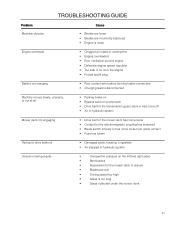
Start with the battery. A battery can show some power and still be too weak to crank the engine properly. Check the terminals for corrosion and make sure they are tight. Then look at the fuse and the seat, brake, and PTO safety switches. These switches are there for protection, but one faulty switch can stop the whole mower from starting.
If the engine cranks but does not start, check fuel flow. Old fuel is a very common problem. Gasoline that has sat too long can break down and cause hard starting, rough idle, and carburetor clogging. If the fuel is old, drain it and refill with fresh gas.
Practical fix
If you suspect fuel trouble, replace the fuel filter, inspect the fuel lines for cracks, and clean the carburetor if needed. If the mower still will not start, test the spark plug. A worn or fouled plug can make the engine act dead even when everything else is fine.
Non-obvious insight: many owners replace the battery too early. In reality, loose cable ends often cause the same symptom. A battery may be healthy, but if the connection is poor, the starter still will not get enough current.
Engine Starts, Then Dies
A mower that starts and then shuts off often points to fuel delivery or electrical protection issues. This problem can be frustrating because the engine seems fine for a few seconds, then suddenly cuts out.
Possible causes
- Blocked fuel cap vent
- Dirty fuel filter
- Water or debris in fuel
- Carburetor jet blockage
- Weak spark
- Faulty safety switch
- Overheating shutdown in some engine setups
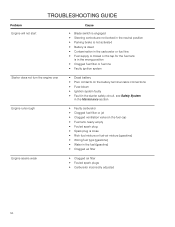
A blocked fuel cap vent is often missed. If air cannot enter the fuel tank properly, fuel flow slows down and the engine dies. A simple test is to loosen the cap briefly and see whether the engine runs better. If it does, the vent may be the issue.
Another common cause is a dirty carburetor. Even a small amount of varnish from old fuel can block tiny jets. The engine may start on the fuel already in the bowl, then stall when that fuel is used up.
Useful fix order
- Check fuel level and freshness.
- Inspect the fuel cap vent.
- Replace the fuel filter.
- Clean the carburetor.
- Check spark plug condition.
If the mower stops when you hit bumps or move over rough ground, look closely at the seat switch and wiring. A loose safety connection can cut the engine even when the mower is mechanically fine.
Rough Running, Surging, or Loss of Power
When the engine runs but does not run well, the mower may surge, shake, or lose power under load. This is usually a sign that fuel, air, or ignition is not consistent.
Most likely reasons
- Dirty air filter
- Old spark plug
- Fuel restriction
- Carburetor adjustment issue
- Wrong fuel mix from contaminated tank
- Engine overload from thick grass or dull blades
A clogged air filter can choke the engine. On the other hand, too much air from an intake leak can also cause surging. That is why the issue is not always solved by cleaning one part. You need to look at the whole intake and fuel path.
Another point many people miss: dull blades can make the engine feel weak. If the deck is fighting through thick, torn grass, the engine has to work harder. That can look like an engine failure when the real problem is cutting resistance.
How to fix it
- Replace the air filter if it is dirty or damaged.
- Install a new spark plug if it is worn.
- Use clean fresh fuel.
- Check for vacuum leaks around the carburetor and intake.
- Sharpen or replace the mower blades.
If the mower surges mostly at idle, the carburetor is often the real cause. If it loses power only when mowing thick grass, the issue may be loading, blade condition, or deck buildup.
Cut Quality Problems
One of the biggest reasons people search for husqvarna m zt 52 problems is poor cut quality. A zero-turn mower should give a clean, even finish. If the lawn looks striped, ragged, or uneven, several things may be wrong.
Credit: helpowl.com
Signs of cut problems
- Uneven grass height
- Grass left in strips
- Clumps of clippings on the lawn
- Torn or shredded grass tips
- One side of the deck cutting lower than the other
Common causes
- Dull or bent blades
- Wrong deck height
- Deck not level
- Grass buildup under the deck
- Incorrect ground speed
- Low blade tip speed due to belt or engine issues
Deck leveling matters more than many owners think. Even a small angle difference can cause one side to cut lower and leave an uneven finish. Check the deck from side to side and front to back according to the manufacturer’s settings.
Grass buildup under the deck is another hidden cause. Wet grass sticks under the shell and changes airflow. That hurts discharge and makes clippings clump together. Cleaning the deck after use can improve cut quality more than many minor adjustments.
Best fixes
- Sharpen blades regularly.
- Check blade balance and replace bent blades.
- Level the deck.
- Clean underside of the deck.
- Mow at a slower speed in thick grass.
Non-obvious insight: many users blame the mower when the real problem is mowing too fast. A zero-turn can cover ground quickly, but the deck still needs time to process heavy grass. Slow down in tall or wet areas for a cleaner result.
Belt Slipping, Squealing, or Breaking
The drive and deck belts do a lot of work on this machine. If a belt slips or breaks, the mower may lose blade power, fail to move properly, or make loud squealing sounds.
Why belt issues happen
- Normal wear from age and use
- Improper belt tension
- Dirty or rusty pulleys
- Misaligned pulleys
- Debris trapped around the belt path
- Damaged idler pulley or tensioner
A squealing belt often means slippage. That can happen when the belt is worn, glazed, or contaminated with oil or grass residue. If the belt looks shiny, cracked, or frayed, replace it. Do not wait for a full break if the signs are already clear.
Also check the pulleys. A bad idler pulley can sound like a belt problem, but replacing the belt alone will not solve it. Spin each pulley by hand with the engine off. If one feels rough, tight, or wobbly, it may need replacement.
Fix approach
- Inspect the belt path for damage.
- Check tensioner movement.
- Clean debris from pulleys.
- Replace worn belts with the correct size.
- Replace damaged pulleys or idlers.
Steering and Drive Control Problems
Zero-turn steering should feel smooth and responsive. If the mower pulls to one side, feels weak in one direction, or responds unevenly, the problem may be in the drive system rather than the engine.
Common symptoms
- Mower pulls left or right
- One lever feels weaker than the other
- Sluggish response
- Jerky movement
- Loss of drive power on one side
Likely causes
- Low hydraulic fluid, if applicable to the setup
- Air in the drive system
- Drive belt wear
- Bad transmission or pump issue
- Tire pressure mismatch
- Linkage out of adjustment
Do not overlook tire pressure. A small difference between left and right tires can affect tracking and steering feel. If the mower pulls one way, check tire pressure before you assume a major transmission problem.
Linkage settings also matter. If one control arm is not properly adjusted, the mower may drift or fail to move straight. In some cases, the problem is not a failed drive unit but a simple adjustment issue.
What to do first
- Check tire pressure on both sides.
- Inspect drive belts.
- Look for loose or bent linkage parts.
- Test movement on flat ground.
- Seek hydraulic system service if the problem stays.
Battery, Charging, and Electrical Faults
Electrical trouble can cause many confusing symptoms. The mower may start one day and fail the next. Lights may dim. The starter may click but not turn. Or the battery may keep going dead after short use.
Credit: helpowl.com
What often causes electrical issues
- Weak battery
- Bad ground connection
- Faulty charging system
- Corroded terminals
- Broken wire or loose connector
- Failed ignition switch
A weak charging system can look like a bad battery. If the battery keeps dying after use, the mower may not be recharging properly. That can happen because of a bad regulator, wiring problem, or charging component issue in the engine system.
Ground problems are also very common. A mower needs a clean, solid ground path. Rust, dirt, and loose hardware can interrupt the circuit. That leads to strange symptoms like intermittent cranking or random shutdowns.
Simple checks
- Clean battery posts and cable ends.
- Make sure the ground cable is tight and clean.
- Inspect the wiring near vibration points.
- Test battery charge after running the mower.
If you want a reliable reference for battery and charging basics, a helpful external guide is the Bosch automotive resource, which explains charging and electrical principles in a clear way. While it is not mower-specific, the core battery logic is the same.
Overheating, Smoke, or Burning Smell
Heat is a serious issue. If the mower runs hot, smells burnt, or begins smoking, stop using it and inspect it before more damage happens.
Common reasons
- Low oil level
- Dirty cooling fins
- Blocked air intake
- Deck packed with dry grass
- Worn belt slipping and heating up
- Engine working too hard for the conditions
Grass and dirt can block cooling airflow around the engine. If the engine cannot breathe, temperatures rise fast. Regular cleaning around the engine shroud and cooling area helps prevent this.
Smoke can also come from a slipping belt or oil that has leaked onto hot surfaces. That is why smoke should never be ignored. It may be small at first, but the cause can turn into a bigger repair.
Fix steps
- Check the oil level.
- Clean air passages and cooling fins.
- Remove grass buildup from the deck and belt areas.
- Inspect for oil leaks.
- Replace worn belts if they are slipping.
Noise, Vibration, and Shaking
Excess noise or vibration usually means something is loose, worn, or out of balance. This is not just a comfort issue. Heavy vibration can damage bearings, blades, pulleys, and frame parts over time.
Likely sources
- Dull or damaged blade
- Bent spindle
- Loose blade bolt
- Worn deck pulley
- Engine mount issue
- Debris stuck in the deck
One blade problem can make the whole mower shake. If vibration starts suddenly after hitting a rock or root, inspect the blades first. A bent blade may still spin, but it will throw the balance off and stress the deck.
Also check whether the spindle bearings feel rough. A bad bearing often creates a humming or grinding noise before it gets worse. Catching it early can save the spindle housing and nearby parts.
A Simple Inspection Table for Faster Diagnosis
| Symptom | Most likely cause | First fix to try |
|---|---|---|
| No crank | Battery, fuse, switch, solenoid | Check charge, terminals, and safety switches |
| Cranks but will not start | Fuel, spark, carburetor | Use fresh fuel and inspect spark plug |
| Starts then dies | Fuel vent, filter, carb clog | Check cap vent and fuel flow |
| Uneven cut | Deck level, dull blades, buildup | Sharpen blades and clean deck |
| Pulls to one side | Tire pressure, linkage, drive issue | Match tire pressure and inspect linkage |
| Squealing belt | Worn belt or pulley | Inspect belt condition and pulleys |
How to Prevent These Problems
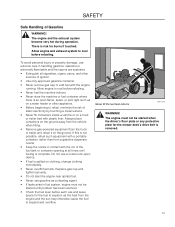
Most mower failures do not happen all at once. They build slowly. A little dirt, weak fuel, loose hardware, or skipped maintenance can turn into a real repair later.
Credit: helpowl.com
Good habits that help
- Use fresh fuel and a fuel stabilizer if the mower sits for long periods.
- Clean the deck after mowing.
- Check oil before each major use.
- Inspect blades often and sharpen them when needed.
- Keep battery terminals clean and tight.
- Replace filters on schedule.
- Listen for new sounds instead of ignoring them.
Seasonal storage matters too. If the mower sits through winter with old fuel, the carburetor can clog before spring even starts. Draining or stabilizing fuel before storage is one of the easiest ways to avoid spring no-start problems.
Another smart habit is to inspect the mower after hitting anything hard. A small impact can bend a blade, damage a spindle, or shift the deck alignment. Fixing it early prevents bigger repair costs later.
When to Stop DIY Work
Many husqvarna m zt 52 problems can be solved at home. But some issues need proper tools or professional service. If the mower has hydraulic drive failure, repeated electrical faults, engine compression loss, or major internal noise, it is better to stop and diagnose it correctly.
It is also wise to seek help if you have already replaced common parts but the symptom keeps coming back. That usually means the root cause has not been found yet. Guessing at random parts can become expensive very quickly.
Final Thoughts
The Husqvarna M ZT 52 is a capable mower, but it needs care like any machine that works hard. Most problems come from a few familiar areas: fuel, battery, blades, belts, safety switches, and deck condition. If you check those systems in the right order, you can solve many issues without wasting time or money.
The smartest approach is to start simple. Look at the symptom, confirm the basics, and move step by step. That method catches the real problem faster and helps you avoid unnecessary repairs. With regular maintenance and careful inspection, this mower can stay dependable for many seasons.
FAQs
1. Why does my Husqvarna M ZT 52 crank but not start?
This usually means fuel or spark is missing. Check for old fuel, a clogged fuel filter, a dirty carburetor, or a worn spark plug. Also make sure the safety switches are working properly.
2. Why does the mower cut unevenly?
Uneven cutting is often caused by dull blades, a deck that is not level, or grass buildup under the deck. Tire pressure and ground speed can also affect the finish.
3. What if the mower starts and then dies after a few seconds?
That can point to a blocked fuel cap vent, fuel restriction, or carburetor clog. It may also be caused by a safety switch or loose wiring connection.
4. Why does the mower pull to one side when driving?
First check tire pressure on both sides. If that is fine, inspect the drive linkage, belts, and transmission response. A small tire difference can make a bigger steering difference than many people expect.
5. How often should I maintain the mower to avoid problems?
Check oil, blades, and battery condition before heavy use. Clean the deck often, replace filters on schedule, and use fresh fuel. Small regular care prevents many of the most common failures.