
If your Toro zero turn dies when handles are moved, the problem is usually in the safety circuit, the drive controls, or the fuel/ignition system under load. The mower may start and idle fine, then shut off the moment you push the lap bars forward or pull them back.
That pattern gives a big clue. The engine is often not “randomly” failing. It is reacting to movement, vibration, or a switch signal that changes when the steering levers move.
Below, you will find the most common causes, how to test them, and the fastest fixes. You will also see the small details many owners miss, like weak seat switch contacts, loose ground wires, and fuel issues that only show up when the mower changes angle or load.
For wider troubleshooting context, compare this guide with Toro zero turn safety switch problems, Toro TimeCutter steering problems.
Start with the most likely cause
When a Toro zero turn dies the moment the handles are moved, the most likely cause is a safety switch problem or a loose connection in the operator presence system. Zero-turn mowers use switches to confirm that the operator is in the seat, the brake is set, and the control levers are in the right position. If one switch opens at the wrong time, the engine can shut down.
The second most common cause is fuel starvation. The engine may idle at low demand, but when the mower moves, the engine needs more fuel. If the fuel cap vents poorly, the fuel line is restricted, or the carburetor is dirty, the engine can stall as soon as the mower is put to work.
There is also a less obvious cause: a weak battery or charging issue. Many riders assume the battery only matters for starting, but on some Toro models, low voltage can make relays, ignition circuits, and safety switches act unpredictably. A battery can still crank the engine and still be too weak for stable operation.
What the symptom usually tells you
- Dies only when moving the handles = likely safety switch, wiring, or control linkage issue.
- Dies when handles move and deck is engaged = check safety interlocks and engine load.
- Dies after a few seconds of movement = fuel delivery or electrical connection may fail under vibration.
- Dies only on slopes or rough ground = fuel pickup, loose ground, or cutoff switch sensitivity.
One useful clue is whether the mower dies instantly or sputters first. A sudden shutoff points more to an electrical interlock. A sputter, surge, or stumble points more to fuel delivery.
Check the safety switches and operator presence system
The safety system is where many diagnosis jobs begin. Toro zero-turn mowers use interlock switches so the mower only runs when the operator is seated and the controls are in a safe position. If the seat switch, PTO switch, brake switch, or neutral switch has a weak connection, the engine can cut out when the levers move and the mower shifts weight.
Start with the seat switch. Sit down, then slowly move each handle while keeping pressure centered on the seat. If the mower dies when you shift slightly, the seat switch may be loose, worn, or misaligned. A cracked seat pan or weak spring can also prevent proper switch contact. This is one of those problems that often looks like an engine issue, but it is really an operator detection issue.
Next, inspect the lap bar linkage. If the bars do not fully return to their neutral detent, the mower may interpret that as an unsafe condition. A bent linkage, worn bushing, or dirty pivot can create a false signal. Even a few millimeters of extra play can matter.
Simple switch checks you can do
- Turn off the mower and remove the key.
- Inspect the seat switch connector for looseness or corrosion.
- Check whether the seat moves too easily or rocks on its base.
- Move the control levers and listen for clicking or rubbing under the console.
- Look for pinched wires near hinge points, frames, and pivots.
If you want to verify the correct safety operation for your exact model, Toro’s official support and parts page is a good place to find model-specific documentation and diagrams.
A small but important detail: switch failures are often intermittent. A switch may test fine when the mower is parked, then fail only when the seat flexes or the frame vibrates. That is why a visual check is not enough by itself.
Inspect the wiring, grounds, and connectors
Electrical problems that happen only when the handles move are often caused by movement-related wiring faults. A wire can look normal from the outside and still be broken inside the insulation. When the bars move, the harness shifts, and the open circuit appears.
Pay close attention to ground wires. A weak ground can cause the engine to die, especially if the mower uses multiple safety switches and relays. Rust, paint, loose bolts, or corrosion under a ground lug can interrupt the circuit. This is easy to miss because the mower may still start and idle just fine.

Credit: justanswer.com
Where to look first
- Battery terminals.
- Ground strap from battery to frame or engine.
- Wire bundles near the steering lever pivots.
- Connectors under the seat.
- Fuse holder and relay sockets.
Look for cracked insulation, shiny rubbed spots, and loose push-on connectors. If a harness has been zip-tied too tightly, the wires may break where they bend. That kind of damage is common on equipment that has seen several seasons of vibration.
Another non-obvious issue is paint-covered grounds. A fresh paint job or corrosion cleanup can accidentally isolate a grounding point. The bolt looks tight, but the circuit is not complete. If the mower dies when the handles are moved, checking the ground path should be a priority, not an afterthought.
Look at fuel delivery under movement and load
If the engine sputters before dying, fuel delivery becomes the main suspect. Many owners think a mower that idles well must have good fuel flow, but that is not always true. A partially clogged carburetor jet, weak fuel pump, blocked fuel line, or poor tank vent can let the engine idle yet starve it the moment the mower is driven.
One easy test is the fuel cap vent. If the vent is blocked, vacuum builds in the tank. The engine may run for a minute or two, then stall. Loosen the fuel cap briefly and see whether the problem changes. If the mower behaves better, the vent may be restricted. That is a simple clue, and it saves time.
Fuel pickup tubes can also shift in the tank or pull air when the mower changes position. This matters more on slopes or when the fuel level is low. A half-full tank can hide the problem during idle but expose it during acceleration or turning.
Fuel issues that show up only when the mower moves
- Dirty carburetor main jet.
- Cracked fuel line that sucks air.
- Weak fuel pump diaphragm.
- Clogged fuel filter.
- Poor tank venting.
Use fresh fuel if the gasoline is old. Fuel that sits for more than 30 days can begin to break down, especially if ethanol is present. That can create varnish in the carburetor and make the engine far more sensitive to load changes.
If you suspect fuel contamination or stale fuel, the EPA has clear guidance on safe fuel handling and storage practices through its official guidance. This matters because bad storage habits often cause mower stalling problems that look mechanical at first.
Test the ignition and engine shutdown circuit
When a Toro mower dies as soon as the handles move, the issue may be in the ignition kill circuit. This is the wiring path that stops the engine when a safety condition is violated. If the circuit grounds out at the wrong time, the engine shuts off immediately.
That can happen because of a bad switch, but it can also happen because of a worn ignition coil wire, damaged module wire, or shorted lead near the frame. On some mowers, the vibration caused by handle movement is enough to make a weak connection fail. The engine does not need to be hot for this to happen.
A practical test is to observe whether the engine dies exactly the same way every time. A clean, instant stop is usually electrical. A rough shutdown with coughing usually points more toward fuel.
Common ignition-circuit clues
| Symptom | Likely area | What it suggests |
|---|---|---|
| Instant shutoff | Safety switch or kill wire | Circuit is opening or grounding incorrectly |
| Sputter before dying | Fuel system | Engine is starving for fuel under load |
| Dies on bumps only | Loose connector or wire break | Intermittent vibration fault |
| Restarts after cooling or waiting | Coil, relay, or weak electrical connection | Heat or movement is exposing the fault |
If you are not comfortable tracing electrical circuits, stop at visual inspection and simple connector checks. A bad test can create more damage, especially if you short a wire while probing around the ignition system.
Check the drive controls and transmission response
Sometimes the mower is not actually “dying” from the handles themselves. The engine may be reacting to a transmission load issue, especially if the hydrostatic drive is binding. When the handles move, the mower tries to engage the drive system. If one side is locked up or dragging badly, the engine can stall under sudden load.
This is less common than a switch problem, but it should not be ignored. A seized wheel motor, stuck brake, low hydraulic fluid on a serviceable system, or damaged drive belt can place a heavy load on the engine. That load can expose a weak carburetor or idle setting and make the shutdown look electrical.

Credit: justanswer.com
Signs the drive system is involved
- The mower stalls only when trying to move forward or reverse.
- One wheel resists turning by hand.
- The mower feels like it “jumps” before it shuts off.
- You hear belt squeal, grinding, or a heavy drag sound.
Check both drive wheels with the mower off and safely secured. They should rotate with similar resistance. A large difference from one side to the other can point to a mechanical drag problem. Also inspect drive belts for glazing, cracking, or improper tension.
Here is a detail many owners miss: a mower can idle smoothly in neutral and still stall only when the drive system loads the engine. That is why “it starts fine” does not rule out a mechanical problem.
Use a clear step-by-step diagnosis path
Instead of guessing, follow a simple order. This saves time and prevents unnecessary part replacement. Start with the cheapest, easiest checks, then move deeper only if needed.
- Confirm the symptom. Does the engine die instantly or sputter first?
- Inspect the seat switch, lever switches, and connector plugs.
- Check battery terminals, grounds, and visible harness damage.
- Test the fuel cap vent by loosening the cap briefly.
- Replace a clogged fuel filter if service history is unknown.
- Inspect belts, drive drag, and wheel resistance.
- Check the carburetor and ignition circuit if the problem remains.
Do not replace three parts at once. That makes the real cause harder to find. A careful step-by-step process is faster in the long run, even if it feels slower at first.
One practical tip: write down exactly when the engine dies. Note whether it happens with the deck off, with the deck on, only in forward, only in reverse, or only when turning. That pattern often points directly to the bad part.
Common mistakes that waste time and money
Many mower owners jump straight to the carburetor because fuel problems are common. But when Toro zero turn dies when handles are moved, the real issue is often a switch or wiring fault. Replacing the carburetor first can waste time and still leave the problem unsolved.
Another mistake is ignoring the battery and ground connections. A mower can appear healthy if it starts on the first crank, yet still have enough voltage drop to trigger a shutdown under vibration. That is a classic intermittent fault.
A third mistake is assuming one bad test result rules out a part. Some switches only fail under pressure, heat, or movement. If the mower dies only while seated and driving, a bench test alone may miss the problem. Real operating conditions matter.
What to avoid
- Spraying random cleaner into switches without checking connectors.
- Replacing parts before confirming the symptom pattern.
- Ignoring cracked wires hidden inside the harness.
- Running old fuel while troubleshooting an electrical issue.
- Forcing the control levers if they feel stiff or misaligned.
If the mower has had multiple issues at once, fix the safety circuit first. Then move to fuel delivery. Then inspect the drive system. That order gives the best chance of finding the real failure without turning the job into trial and error.
When to call a professional
Call a technician if the mower still dies after basic switch, wiring, fuel, and ground checks. You should also get help if the engine stops only under load and you suspect a transmission or internal electrical fault. These can require test equipment, wiring diagrams, or hydraulic checks.
Professional help is also the safer choice if you find burnt wires, melted connectors, repeated fuse failures, or signs of fuel leakage. Fuel and electrical problems can become safety hazards quickly if they are ignored.
If the mower is under warranty, do not open sealed electrical components or modify the harness before checking the warranty terms. A small repair attempt can sometimes complicate later service.
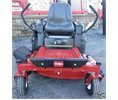
Credit: fixya.com
Final takeaway
When a Toro zero turn dies when handles are moved, the cause is usually one of four things: a safety switch fault, a wiring or ground problem, fuel starvation under load, or a drive-system drag issue. The fastest fix is to test in that order, starting with the seat switch and connector checks.
Most people solve this problem by finding one loose connector, one weak ground, or one dirty fuel path. Keep the diagnosis simple, use the symptom pattern, and avoid replacing parts blindly. That approach will save time, money, and frustration.
After the main fault is fixed, run the machine briefly under light load and recheck the related belt, wiring, fuel, fluid, and safety-switch areas before returning it to normal work.
FAQs
1. Why does my Toro mower start, then die when I move the handles?
That usually means the mower is losing a safety signal or fuel flow when the control system shifts. The most common causes are a bad seat switch, loose wiring, a weak ground, or a fuel restriction that shows up under movement.
2. Can a bad seat switch make a Toro zero turn shut off?
Yes. A bad or misaligned seat switch can tell the mower that the operator is not present. On many Toro models, that can shut the engine off as soon as the mower detects movement or an unsafe condition.
3. Could old fuel cause the mower to die only when driving?
Yes. Old or contaminated fuel may let the engine idle but not keep up with demand. When you move the handles and the mower needs more power, the engine can sputter and die.
4. What should I check first if the mower dies when I move the levers?
Start with the seat switch, lever linkage, battery terminals, and ground connections. Those are the fastest checks and they fix a large share of intermittent shutdown problems.
5. Is it safe to keep using the mower if it only dies sometimes?
No. Intermittent shutdowns can get worse, and they can happen at a bad time on a slope or near an obstacle. Find and fix the cause before continuing to mow.