
If your mower will not move, jerks in drive, or feels weak on hills, you are likely dealing with Raptor SD drive problems. The good news is that many of these issues come from a few common causes that you can check at home.
Most drive issues are simple: low tire pressure, a loose belt, a dirty transaxle area, or a control problem. A few are more serious, like a worn belt, damaged linkage, or hydrostatic transmission trouble. Knowing the difference saves time and prevents guesswork.
This guide walks through the most common causes, the fastest checks, and the best fixes. You will also see how to narrow down the problem step by step so you can decide what to repair yourself and when the mower needs professional service.
For wider troubleshooting context, compare this guide with Raptor SD Drive Belt Problems: Causes, Fixes, and Prevention Tips, Raptor SD drive belt problems, Hydro Gear ZT-3400 problems.
Start with the simplest checks first
When a Raptor SD will not drive correctly, the most likely cause is not a failed transmission. In many cases, the issue starts with something basic that affects traction or belt movement. That is why the first checks should be the easiest ones to inspect and the least expensive to fix.
Begin with the tires, the drive belt path, and the drive controls. These three areas account for a large share of Raptor SD drive problems, especially if the mower still starts and the engine runs normally. If the deck engages fine but the mower barely moves, the issue is often in the drive system, not the engine.
Park on level ground, set the parking brake, remove the key, and let the mower cool before touching anything. If you need the official machine details, the manufacturer support page is the safest place to find model-specific service and manual information.
Check tire pressure before touching the transmission
Low tire pressure can make a drive problem look much worse than it really is. On zero-turn mowers, even a small pressure difference between the left and right rear tires can cause pulling, slow response, or weak climbing. A tire that is just 4 to 6 PSI lower than the other side can change how the mower tracks.
Look at both rear tires first. If one is soft, inflate both to the pressure listed in your owner’s manual. Do not guess by eye, because a tire can look “fine” and still be several PSI low. Uneven tire size or tire wear can also create a fake drive problem.
Inspect the drive belt for wear and tension
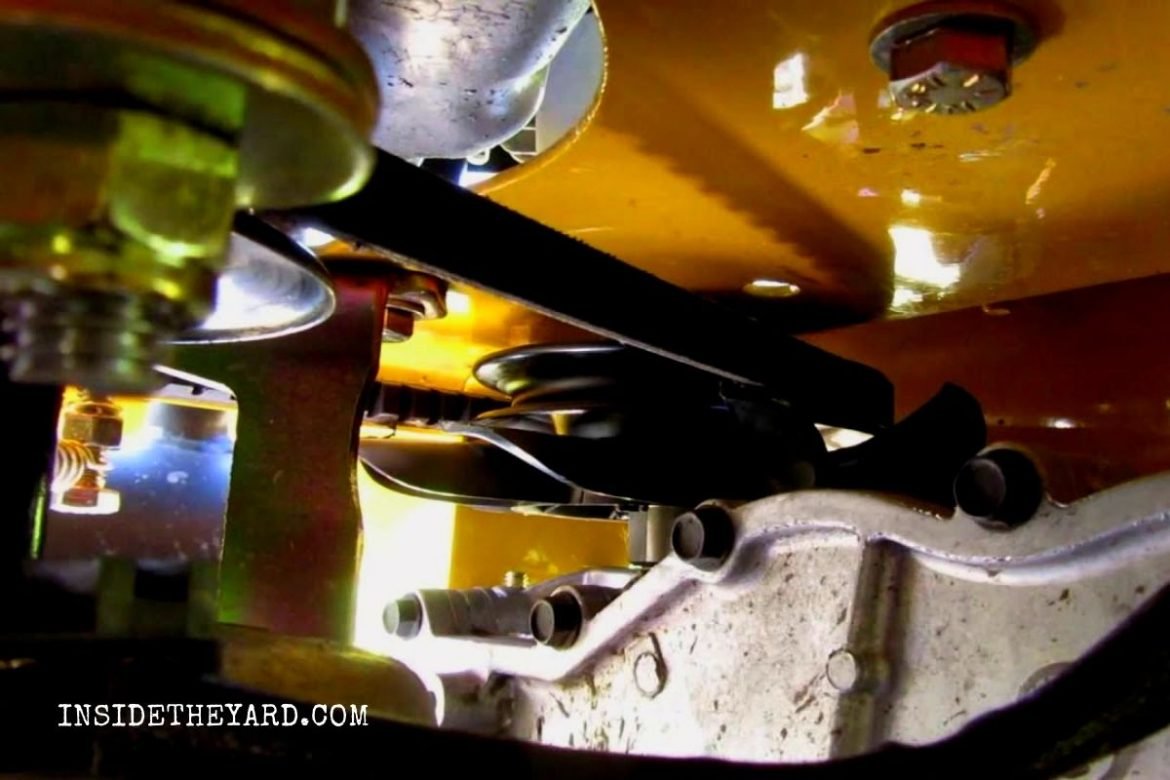
The drive belt transfers power from the engine to the transmission. If it is loose, glazed, cracked, or slipping, the mower may move only at low speed or not at all under load. A belt that looks okay from a distance can still fail under pressure.
Watch for three common belt signs: shiny sidewalls, frayed edges, or rubber dust around the pulleys. Also listen for squealing when you try to move. That sound often means the belt is slipping or riding incorrectly on a pulley.
Look for a control or linkage issue
If the mower responds badly when you move the lap bars, foot pedal, or steering controls, the problem may be mechanical linkages rather than the transmission itself. Bent rods, loose hardware, or out-of-adjustment linkage can stop the mower from fully engaging drive.
A simple clue is this: if one side drives better than the other, you may not have a total transmission failure. You may have a side-specific linkage issue, which is usually easier and cheaper to fix.
Common mechanical causes behind drive failure
Once the basics are ruled out, move deeper into the drive system. Most mechanical faults show up as slipping, weak pulling, uneven speed, or sudden loss of motion. These problems usually build gradually, but they can also appear after hitting debris, mowing thick grass, or running the mower with poor maintenance.
The key is to connect the symptom to the part that actually controls motion. A mower that revs normally but barely moves is telling you that power is not reaching the wheels efficiently. That is different from an engine problem, where the engine itself bogs down.
Worn or stretched drive belt
Drive belts wear over time, especially on mowers used in tall grass or on hilly ground. Heat, dust, and frequent clutching can stretch the belt slightly, which reduces tension and makes slippage more likely. Once a belt has lost its grip, drive performance usually drops first on inclines or under heavier load.
If the belt is older, replaced with the wrong size, or installed incorrectly, it may also ride too low in the pulley groove. That reduces contact and creates a weak drive feel. Replacing the belt with the exact belt specified for your model matters more than many owners realize.
Damaged pulleys or idlers
Pulleys guide the belt and keep tension stable. If an idler pulley is worn, frozen, or wobbling, the belt cannot track correctly. That creates noise, vibration, and slipping that may feel like a transmission failure.
Spin each accessible pulley by hand with the engine off. It should turn smoothly and quietly. If you feel grinding, wobble, or resistance, the pulley bearing may be worn out. Even one bad pulley can shorten belt life quickly.
Loose or misaligned linkage
Linkage connects the operator controls to the drive system. When hardware loosens, the mower may not fully engage forward or reverse. This often shows up as poor response on one side, delayed movement, or a mower that only moves when the control is held in a very specific position.
Check for missing cotter pins, loose nuts, bent rods, and worn bushings. Small wear in a joint can create a big problem at the wheel. If the mower has recently been serviced, incorrect reassembly is also possible.
Brake not fully releasing
A dragging brake can mimic drive trouble because it creates resistance before the mower even starts moving. You may notice the mower feels sluggish, overheats a wheel area, or pulls hard on one side. In some cases, the mower moves, but only after extra throttle and slow steering input.
After a short test run, carefully check for unusual heat near one rear wheel. A hot wheel area often points to brake drag, a stuck caliper-like component, or an adjustment problem. Do not touch hot metal directly.
Hydrostatic transmission issues you should not ignore
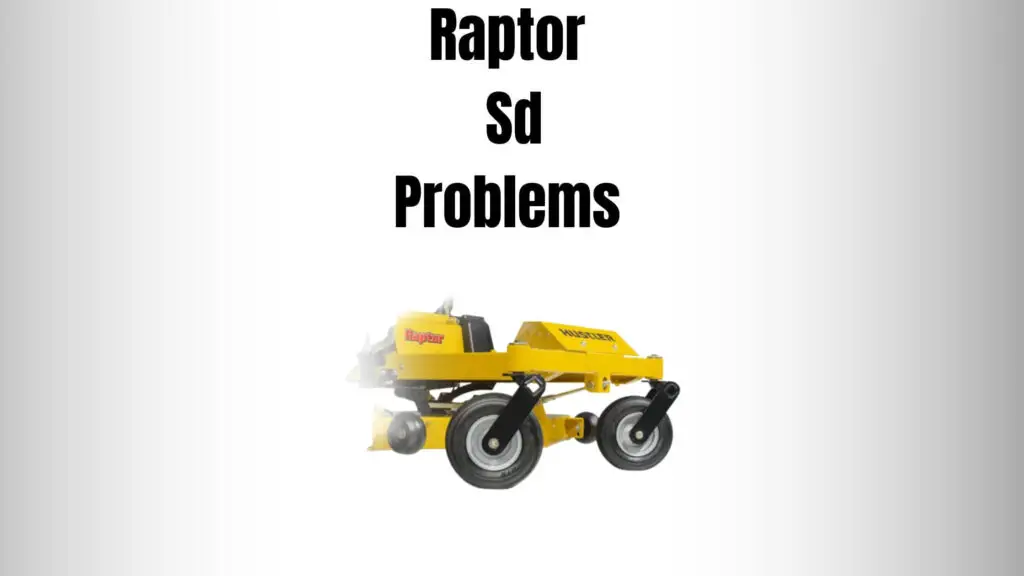
Many Raptor SD models use hydrostatic drive, which means fluid pressure helps control motion. These systems are smooth and strong, but they depend on clean fluid flow, correct belt drive, and proper internal condition. When something goes wrong, the symptoms can look confusing.
Hydrostatic trouble is usually less common than tire, belt, or linkage issues, but it becomes more likely if the mower loses power after warming up, slows down on hills, or works one day and weakens the next. If the mower runs, but the drive fades as it heats up, the transmission deserves attention.
Credit: lawnmowerly.com
Low or degraded transmission fluid
Some hydrostatic units require fluid checks or service intervals that owners overlook. Low fluid can cause weak drive, slow response, or jerky movement. Old fluid can also break down and lose its ability to transfer pressure properly.
If your model allows fluid inspection, check level only on a level surface and follow the manual’s procedure exactly. Filling the wrong amount can create foaming, overheating, or poor performance. Small fluid errors can produce large drive symptoms.
Overheating under load
Hydrostatic systems generate heat, especially during long mowing sessions, heavy loads, or repeated stop-and-go operation. When they overheat, they may temporarily lose strength. The mower may drive normally again after cooling, which can fool people into thinking the problem is solved.
Heat buildup often gets worse if the cooling area is clogged with grass. Clean the transmission area, remove packed debris, and make sure air can move around the unit. A clean housing is not cosmetic; it affects performance.
Internal wear inside the transmission
If the mower has high hours and the drive issue keeps returning, internal wear may be the cause. Worn pumps, weak charge components, or damaged internal parts can reduce drive force. At that point, simple adjustments will not solve the problem.
One sign of internal wear is a mower that behaves differently in forward and reverse, or one side that feels much weaker than the other even after belt and linkage checks. If the symptoms keep returning after basic service, internal transmission repair may be needed.
How to diagnose the problem step by step
The fastest way to fix Raptor SD drive problems is to follow a simple order. Start with checks that take 5 minutes, then move to parts that take more time to inspect. This keeps you from replacing expensive parts before you know the real cause.
Use the pattern below to separate a traction problem from a drive-transmission problem. That distinction matters because mowers often “feel” broken in a way that points to the wrong part.
- Confirm the symptom. Does the mower not move at all, move weakly, pull to one side, or slip only on hills?
- Check rear tire pressure. Make sure both sides match the manual’s recommendation.
- Inspect the belt. Look for cracks, glazing, dust, and incorrect routing.
- Test the controls. Move the lap bars or pedals and feel for stiffness, free play, or uneven response.
- Check pulleys and idlers. Look for wobble, noise, or seizure.
- Observe brake release. Make sure nothing is dragging when the mower is supposed to roll freely.
- Evaluate transmission behavior. If the mower drives better cold than hot, or one side is consistently weak, suspect hydrostatic trouble.
This order works because the simplest faults are the most common. It also prevents you from tearing into the transmission when the real problem is a tire at the wrong pressure or a slipping belt. That saves time and avoids extra damage.
A quick symptom guide
| Symptom | Most likely area | What to check first |
|---|---|---|
| Mower will not move at all | Belt, linkage, brake, transmission | Belt routing and control engagement |
| Moves weakly on hills | Tires, belt slip, transmission heat | Tire pressure and belt condition |
| Pulls to one side | Tire pressure, linkage, wheel issue | Rear tire pressures and control adjustment |
| Works cold, weak when hot | Hydrostatic fluid or internal wear | Cooling area and fluid condition |
| Grinding or squealing noise | Pulley, idler, belt | Idler spin and belt tracking |
Fixes you can handle at home
Many drive problems do not require special tools. If you are careful and patient, you can solve several common issues yourself. Focus on the parts that wear most often and the adjustments that drift over time.
The most effective home fixes are also the most overlooked. People often replace major parts before they clean debris, set tire pressure, or tighten a loose bracket. A few simple corrections can restore normal drive performance in less than an hour.
Credit: insidetheyard.com
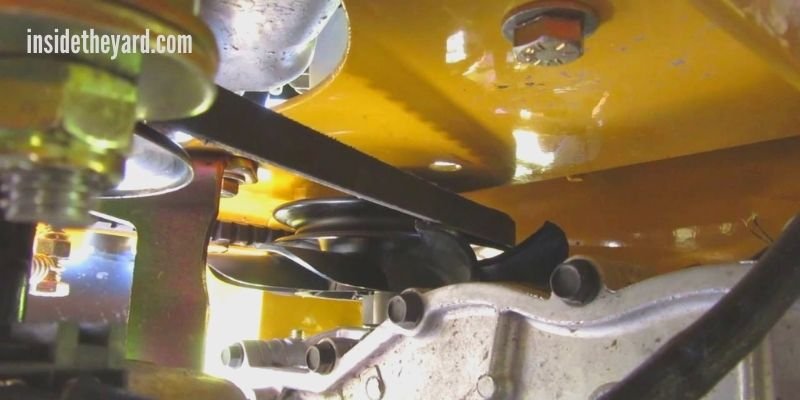
Replace a worn belt with the correct part
If the belt is cracked, stretched, or glazed, replace it rather than trying to stretch its life. Use the exact belt size and routing for your model. A belt that is “close enough” can slip, ride incorrectly, or wear out very fast.
When installing, follow the pulley path carefully and confirm the belt sits fully in each groove. After installation, rotate the drive system by hand if possible to confirm smooth movement. Misrouting is a common mistake and can make the problem worse than before.
Clean grass buildup from the drive area
Packed grass creates heat and blocks movement. It can also make pulleys work harder and shorten belt life. Clean around the transmission, belt guards, and pulley areas after the mower cools.
Use compressed air or a soft brush where safe. Avoid forcing debris into bearings or seals. Cleaning is not just maintenance; it can restore lost performance if the mower was overheating or binding.
Adjust or repair loose linkage
If the mower drives better in one direction than the other, linkage adjustment may help. Tighten loose hardware, replace worn bushings, and straighten bent rods if the manual allows it. Small movement changes can make a big difference in control response.
Do not overtighten parts that are meant to pivot. A linkage that cannot move freely will create a new problem. The goal is firm attachment with smooth movement, not rigidity.
Match tire pressure on both rear wheels
Set both rear tires to the same pressure and keep them within the range specified by the manufacturer. Uneven pressure can cause pulling, reduced traction, and strange steering response. It can also make you think one transmission side is weak when the tire is simply softer.
Check pressure with an accurate gauge. If the mower still pulls after correction, the issue is likely elsewhere. This is one of the easiest ways to rule out a misleading symptom.
When the problem points to professional service
Not every drive problem is a DIY fix. If the mower has strong symptoms after the basic checks, or if the issue keeps coming back quickly, professional service is the safer path. Transmission repairs can involve seals, internal components, and fluid systems that require proper tools.
Call a technician if the mower loses drive completely after warming up, makes loud internal noises, or has visible fluid leaks. Also seek help if one side has almost no response after belt, tire, and linkage checks are complete. At that point, the cost of guessing may be higher than the cost of a correct diagnosis.
If you suspect a safety issue, stop using the mower until it is inspected. For general mower safety guidance, the CPSC lawn mower safety guidance is a useful reference.
How to prevent drive trouble from coming back
Prevention is mostly about keeping the drive system clean, balanced, and properly adjusted. Most repeat failures happen because one small issue is ignored until it damages another part. A slipping belt can wear pulleys. A low tire can stress linkage. Heat can shorten transmission life.
Check tire pressure regularly, especially before mowing hills. Clean debris after each use, and inspect the belt and pulleys every few weeks during mowing season. If the mower starts feeling “different,” do not wait for a full failure. Small changes in feel often come before bigger damage.
One detail many owners miss: a mower that is stored in damp or dirty conditions will age faster in the drive system, even if the engine still runs well. Drive parts do not like heat, dust, or neglected lubrication points. A few minutes of care can prevent a repair that takes days.
Credit: insidetheyard.com
Final take on Raptor SD drive problems
Most Raptor SD drive problems come from a short list of causes: low tire pressure, a worn drive belt, pulley trouble, loose linkage, or hydrostatic wear. Start with the easiest checks, because they solve many cases and help you avoid unnecessary repairs. If the mower still struggles after those steps, the problem is more likely inside the drive system and may need professional attention.
The best troubleshooting habit is simple: change one thing at a time and test after each fix. That approach gives you a clear answer and keeps the repair process under control. It also helps you spot the difference between a true mechanical fault and a problem that only looked serious at first.
After the main fault is fixed, run the machine briefly under light load and recheck the related belt, wiring, fuel, fluid, and safety-switch areas before returning it to normal work.
FAQs
Why does my Raptor SD move slowly but the engine sounds normal?
That usually points to the drive system, not the engine. The most common causes are low rear tire pressure, a slipping drive belt, or a hydrostatic transmission that is losing strength under load.
Can a bad belt cause the mower to stop moving completely?
Yes. If the belt is broken, badly slipped, or routed incorrectly, the mower may not move at all. A belt that is only loose can also cause very weak movement, especially on hills.
Why does the mower drive fine when cold, then weaken later?
That pattern often points to heat-related hydrostatic trouble or debris buildup around the transmission. It can also happen when a belt gets hotter and slips more as the mower runs longer.
What should I check first if the mower pulls to one side?
Start with rear tire pressure. If both tires are equal and the problem continues, inspect the control linkage, brake release, and wheel components on the weak side.
When is it time to replace the transmission?
If the mower still has weak or uneven drive after belt, tire, linkage, and cooling checks, the transmission may have internal wear. That is the point where a qualified technician should inspect it before you decide on replacement.