
If your mower feels hard to steer, pulls to one side, or turns unevenly, the most likely cause is a mechanical issue in the steering or drive system. Toro TimeCutter SS5000 steering problems often come from worn linkages, loose hardware, tire issues, or hydro drive imbalance.
The good news is that many of these problems are simple to diagnose. You can often narrow it down in 10 to 20 minutes with a basic inspection, a pressure check, and a test of both control levers.
This guide shows the common causes, the fastest fixes, and the steps that help you figure out whether the issue is minor or needs repair. You will also see the warning signs that point to a bent part, air in the hydraulic system, or a worn steering component.
For wider troubleshooting context, compare this guide with Toro TimeCutter Steering Problems: Causes, Fixes, and Troubleshooting Tips, Toro zero turn safety switch problems, Toro TimeCutter steering problems.
Start with the most likely cause
Most Toro TimeCutter SS5000 steering problems are not caused by a major failure. In many cases, the mower is still usable, but one small issue makes steering feel off. A low tire, a dirty linkage, or uneven wheel adjustment can change how the mower tracks.
The first thing to check is whether the mower drifts when both steering levers are in the neutral position. Then see if one side feels weaker than the other during slow turns. These two signs tell you a lot. If the machine pulls left more than right, the problem is often on the side that feels different under your hand.
Also check the age of the mower and how often it is used. On a machine with 100 to 300 hours, worn bushings, loose fasteners, and belt wear become much more common. If the steering changed suddenly after hitting a curb, root, or hole, a bent or shifted part is more likely than normal wear.
Common causes of steering trouble on the SS5000
Several parts can affect steering on a zero-turn mower. Some are simple, and some are hidden under the frame or seat area. The easiest way to troubleshoot is to move from the outside in, starting with tires and linkages before you inspect the drive system.
Uneven tire pressure or worn tires
Tire pressure may sound too simple to matter, but on a zero-turn mower it changes tracking fast. If one rear tire is even 2 to 4 PSI lower than the other, the mower can pull to one side. That problem often looks like a steering issue even when the controls are fine.
Worn tread is another clue. If one rear tire is more rounded, cracked, or shorter in tread depth, it can change how the mower grips the ground. Soft turf makes this worse because the weaker side slips first.
Loose or damaged steering linkage
The SS5000 uses linkages that transfer your lever movement to the drive system. If a bolt backs out, a joint wears, or a bushing develops play, steering becomes sloppy. You may feel extra free movement before the mower responds.
This is one of the most common hidden causes because it does not always look broken. A small amount of looseness can create a big problem when you are trying to hold a straight line at mowing speed.
Uneven control lever adjustment
If the control levers are not set evenly, the mower may go straight only when both hands are held in an awkward position. One side can start moving earlier than the other. That makes the machine arc instead of tracking straight.
Sometimes this happens after storage, transport, or a repair. It can also happen if the operator changes the seat position and the lever reach no longer feels symmetrical.
Hydro drive imbalance
The SS5000 uses hydrostatic drive units, and if one side loses strength, steering feel changes. This can happen from low fluid, air in the system, worn drive components, or a belt that does not transfer power evenly. The mower may still move, but one wheel will feel weaker.
A hydro issue is more likely if the mower drives fine when cold, then gets worse after 20 to 30 minutes of use. Heat can reveal a weak drive unit or a fluid problem that a quick cold test would miss.
Brake or freewheel issues
If a brake does not fully release, or a freewheel mechanism is not set correctly, the mower can drag on one side. That creates a steering pull that feels similar to a drive problem. You may also notice extra resistance when pushing the mower by hand.
This is easy to overlook because the mower may still start and move normally. The drag shows up most clearly during slow turns and on flat pavement.
Steering arm or frame damage
After a hard bump, a steering arm can bend slightly without snapping. That tiny bend changes lever travel and wheel response. Frame damage is less common, but it matters because even a few millimeters of misalignment can affect tracking.
If the mower suddenly changed behavior right after impact, inspect the left and right sides carefully. Uneven gaps, shiny metal marks, or fresh scrapes are useful clues.
How to diagnose the problem step by step
A simple inspection sequence saves time and prevents guesswork. Start with the easiest checks first. Many owners replace parts too soon when the real issue is tire pressure or an adjustment problem.
-
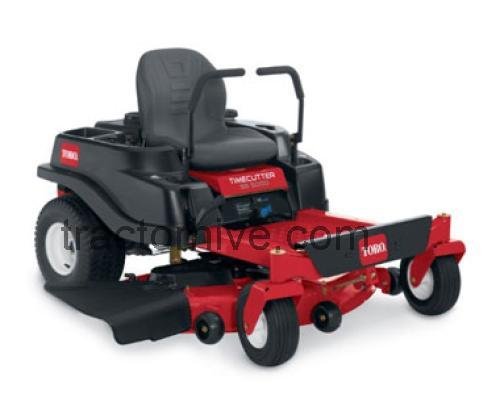
Check rear tire pressure.
Use an accurate gauge and compare both sides. Match them to the mower’s recommended pressure, not just each other.
Credit: tractorspeczone.com
-
Inspect the tires for wear.
Look for cracks, flat spots, or uneven tread. If one tire is visibly more worn, it can cause drift.
-
Test the steering levers.
Move each lever through its full range. Feel for extra play, stiffness, or a lever that returns differently from the other side.
-
Look under the seat and around the linkage.
Check for loose bolts, missing washers, bent rods, or dry joints. A flashlight helps here.
-
Raise the rear safely and test wheel response.
With the engine off and the mower secured, spin each drive wheel by hand. One side should not drag much more than the other.
-
Run a straight-line test.
On level ground, drive slowly with both levers even. If the mower pulls, note which side leads and whether the issue changes with speed.
One non-obvious clue is lever feel during the first 5 minutes of operation. If the mower is fine cold but gets harder to steer as it warms up, the hydro system or drive belt deserves attention before the steering linkage does.
Fixes that solve most steering issues
Once you know where the problem starts, the repair is usually straightforward. In many cases, you do not need major parts. A careful adjustment, cleaning, or replacement of one worn item is enough.
Set both rear tires correctly
Begin with tire pressure because it is fast and free to check. Inflate both rear tires to the same level recommended in the owner information. If one tire has repeated low pressure, inspect for a nail, damaged valve stem, or slow leak.
If the tires are badly worn or mismatched, replace them as a pair if possible. That keeps traction and rolling resistance closer on both sides.
Tighten loose hardware
Use basic hand tools to check visible fasteners around the steering linkage, seat area, and frame mounts. Do not overtighten. The goal is to remove play, not strip threads.
If you find a bolt that keeps loosening, thread wear or missing lock hardware may be the real issue. A bolt that falls out twice usually points to vibration, poor engagement, or a damaged mount.
Lubricate moving points
Dry pivot points add friction and make steering feel rough. Clean dirt from the joints first, then apply the right lubricant. Do not overdo it. Too much grease can attract grass and dust, which creates a new problem later.
Focus on joints that move every time the levers are used. If one side feels smoother after lubrication, you have likely found part of the cause.
Adjust the control levers
If the levers do not line up evenly, adjust them so both sides start from the same reference point. Small differences matter. On a zero-turn mower, even a slight mismatch can change tracking over a long pass.
After adjustment, test the mower on a flat surface for 30 to 50 feet. Make one slow pass, then another at normal mowing speed. The mower should respond the same way on both sides.
Inspect the drive belt and pulleys
A worn or slipping belt can cause one side to respond weaker than the other. Look for glazing, cracking, or fraying. Also inspect pulley alignment. If a pulley is dirty or damaged, power transfer can become uneven.
One useful sign is a change in steering feel under load. If the mower turns better on flat ground but struggles in tall grass, belt slip may be part of the issue.
Check hydro performance carefully
If the simple fixes do not solve the problem, the hydro drive side may need closer inspection. That can include fluid level checks, leakage inspection, and a look at cooling airflow around the drive components.
Hydro systems do not always fail suddenly. More often, they weaken slowly. The mower still moves, but one side loses power first, especially after long use or hot weather.
| Symptom | Most likely cause | Best first fix |
|---|---|---|
| Mower pulls to one side at all speeds | Uneven tire pressure or lever adjustment | Check tire pressure and lever alignment |
| Sloppy or delayed steering response | Loose linkage or worn bushings | Inspect and tighten hardware |
| Weak turning after 20 to 30 minutes | Hydro imbalance or belt slip | Check belt, cooling, and drive response |
| One wheel drags when pushed by hand | Brake or freewheel issue | Inspect brake release and wheel drag |
Problems that are easy to miss
Some steering issues look minor but create bigger trouble over time. These are the kinds of details many people skip during quick troubleshooting. Catching them early can save a lot of repeat repairs.
Credit: backyardcorner.com
Operator position can change the feel
If the seat is not centered correctly, or if the operator is sitting differently than usual, the mower can feel harder to control. That sounds small, but hand position affects how evenly the levers are moved.
This matters most during long mowing sessions. A small body-position change can turn into a visible tracking problem across a large yard.
Grass buildup around the linkage matters
Wet clippings and packed debris can hide under the frame and around moving points. That buildup adds friction and may prevent a lever from returning cleanly. In damp conditions, the problem can appear without any part being broken.
Cleaning the underside regularly helps more than many owners expect. It also makes inspections easier, which means you are less likely to miss a loose part.
One weak tire can mimic a bad hydro unit
A tire that is soft, slightly out of round, or more worn than the other can feel like drive failure. The mower may veer as soon as you add speed or turn into thicker grass. That often leads people to blame the transaxle too early.
Checking tire condition before deeper repairs is one of the simplest ways to avoid unnecessary parts replacement.
When the mower needs professional service
Some issues are safe to inspect at home, but not every repair should be done without experience. If you suspect a bent frame, internal hydro damage, or a serious fluid leak, it is better to stop and get help. Replacing the wrong part can waste time and money.
If the mower will not track straight even after tire pressure, linkage, and lever adjustments are correct, the problem may be inside the drive system. That is also true if one side grows hot, makes unusual noise, or loses power only under load.
For safety guidance tied to mower operation and maintenance, the official mower safety guidance from the U.S. Consumer Product Safety Commission is a good reference. It is especially useful before any under-deck inspection or drive test.
How to prevent steering trouble from coming back
Prevention is mostly about consistency. A mower that is kept clean, checked often, and stored well usually develops fewer steering problems. This is one of those cases where a few minutes of maintenance saves hours later.
Check tire pressure at regular intervals, not just when something feels wrong. Inspect the steering linkage after hard use, especially if the mower has hit an obstacle. Keep the underside clean so you can spot leaks, loose parts, or wear early.
It also helps to pay attention to how the mower feels during every job. A steering change that starts small often becomes obvious before total failure. If the machine begins to pull, drift, or respond unevenly, do not wait for the symptom to get worse.
Toro TimeCutter SS5000 steering problems are usually fixable when you approach them in the right order. Start with tires, levers, and linkages, then move to belts and hydro performance if needed. That simple method solves most cases without guesswork.
Credit: tractorspeczone.com
After the main fault is fixed, run the machine briefly under light load and recheck the related belt, wiring, fuel, fluid, and safety-switch areas before returning it to normal work.
FAQs
Why does my Toro TimeCutter SS5000 pull to one side?
The most common reason is uneven rear tire pressure. If tire pressure is correct, check lever adjustment, linkage looseness, and tire wear. A weak hydro side can also cause a pull, especially after the mower warms up.
Can low tire pressure really affect steering that much?
Yes. Even a small pressure difference can change how the mower tracks. On a zero-turn mower, that can be enough to make straight mowing difficult.
What if the steering feels loose but the mower still moves fine?
That usually points to worn linkage, a loose fastener, or a pivot that needs lubrication. The mower may still run normally, but steering accuracy will suffer.
Why does steering get worse after 20 minutes of mowing?
That pattern often points to hydro drive weakness, belt slip, or a component that changes when hot. It can also happen if grass buildup is causing extra drag as the mower works harder.
When should I stop troubleshooting and call a technician?
Call a technician if you suspect a bent frame, internal hydro failure, major fluid leak, or any problem that does not improve after tire, linkage, and lever checks. If the mower is unsafe to drive straight, do not keep testing it in the yard.