
If your Kawasaki FX1000V cranks but won’t start, the problem is usually simple: fuel, spark, air, or a safety switch is blocking the engine from firing. The good news is that this engine often gives clear clues before you start replacing parts.
You do not need to guess wildly. A few fast checks can tell you whether the issue is old fuel, a bad spark plug, a clogged filter, a weak battery, or something deeper like compression or valve trouble.
Below, you will find the 7 most common causes, how to test each one, and the fastest fixes that actually work. The goal is to help you move from “it cranks” to “it starts” without wasting time or money.
For wider troubleshooting context, compare this guide with Kawasaki FX1000V problems, Kawasaki fuel pump problems, Kawasaki governor problems.
Start with the simplest checks first
When a Kawasaki FX1000V cranks but won’t start, the most likely cause is fuel delivery. That is true in many real-world cases, especially if the engine sat for 30 days or more with fuel in the tank.
Before removing parts, do three quick checks: confirm fresh fuel, confirm the spark plug is firing, and confirm the engine is getting air. These take only a few minutes and can save you from chasing the wrong problem.
If the engine cranks at normal speed, your battery is probably not the main issue. But if it cranks slowly, sounds weak, or clicks, voltage may be too low for the ignition system to work correctly. On this engine, a battery can still crank the starter and still be too weak to support a strong spark.
| Symptom | Most likely cause | Fastest check |
|---|---|---|
| Cranks fast, no sputter | No fuel or no spark | Spray test, plug spark test |
| Cranks then briefly fires | Fuel restriction or bad fuel | Check filter, fuel lines, choke |
| Cranks slowly | Weak battery or bad connections | Measure battery voltage |
| Backfires while cranking | Ignition timing, choke, or valve issue | Inspect plug, fuel, compression |
1. Old fuel or no fuel reaching the engine
Fuel problems cause a large share of no-start complaints. Gasoline breaks down over time, and modern fuel can go stale in as little as 30 days, especially if it contains ethanol.
If the fuel smells sour, looks darker than usual, or the mower sat all winter, drain it and refill with fresh fuel. This is one of the fastest fixes for a Kawasaki FX1000V that cranks but won’t start. Also check whether the tank actually has fuel, because a clogged pickup or a stuck gauge can hide an empty tank.
How to tell if fuel is the problem
Remove the air filter and give a very small spray of starting fluid into the intake. If the engine fires for one or two seconds, fuel delivery is the issue. If it does nothing at all, move to spark or compression checks.
That short burst of life is a useful clue. It does not mean the engine is “fixed,” but it tells you the ignition system is at least partly working.
What to fix
- Drain old fuel from the tank.
- Replace it with fresh, clean gasoline.
- Check the fuel cap vent by loosening the cap and trying again.
- Inspect the fuel line for cracks, kinks, or blockage.
- Replace a dirty fuel filter if the machine has one.
A clogged fuel cap vent is easy to miss. If the vent is blocked, fuel flow slows down or stops after a short crank cycle. The engine may even start and die, or act different after the cap is loosened.
2. Dirty carburetor or blocked fuel jets
If fresh fuel is in the tank but the engine still will not start, the carburetor may be dirty. This is common after storage, especially when fuel evaporates and leaves varnish inside the small passages.
The FX1000V uses a carburetor with tiny fuel circuits. Even a little buildup can stop enough fuel from reaching the cylinders. The engine may crank normally but never catch, or it may fire only when you use starting fluid.
Signs the carburetor is the issue
- Engine starts briefly on starting fluid
- Fuel is reaching the filter, but not the cylinders
- Engine ran poorly before it stopped starting
- You see black residue or sticky buildup inside the carburetor bowl
One non-obvious clue is the choke response. A partially clogged carburetor may start better with full choke, then die when you open the choke. That usually means the engine is running too lean because fuel flow is restricted.
What to fix
Start with the simplest option: remove the carburetor bowl and inspect for debris. If the bowl is dirty, clean it carefully and check the main jet and float needle. If you are not comfortable with small engine carburetor work, replacement is often faster than a deep rebuild.
For a reliable reference on safe service practices and engine maintenance basics, use the official Kawasaki engine owner’s manual page to match your exact model information.
3. Weak spark plug or ignition problem
A bad spark plug is one of the easiest problems to test, and it is more common than many owners think. If the plug is fouled with carbon, oil, or fuel, the engine may crank all day without firing.
Remove the spark plug and inspect it closely. A healthy plug is usually light tan or gray. If it is wet with fuel, black and sooty, or physically damaged, replace it before going further.
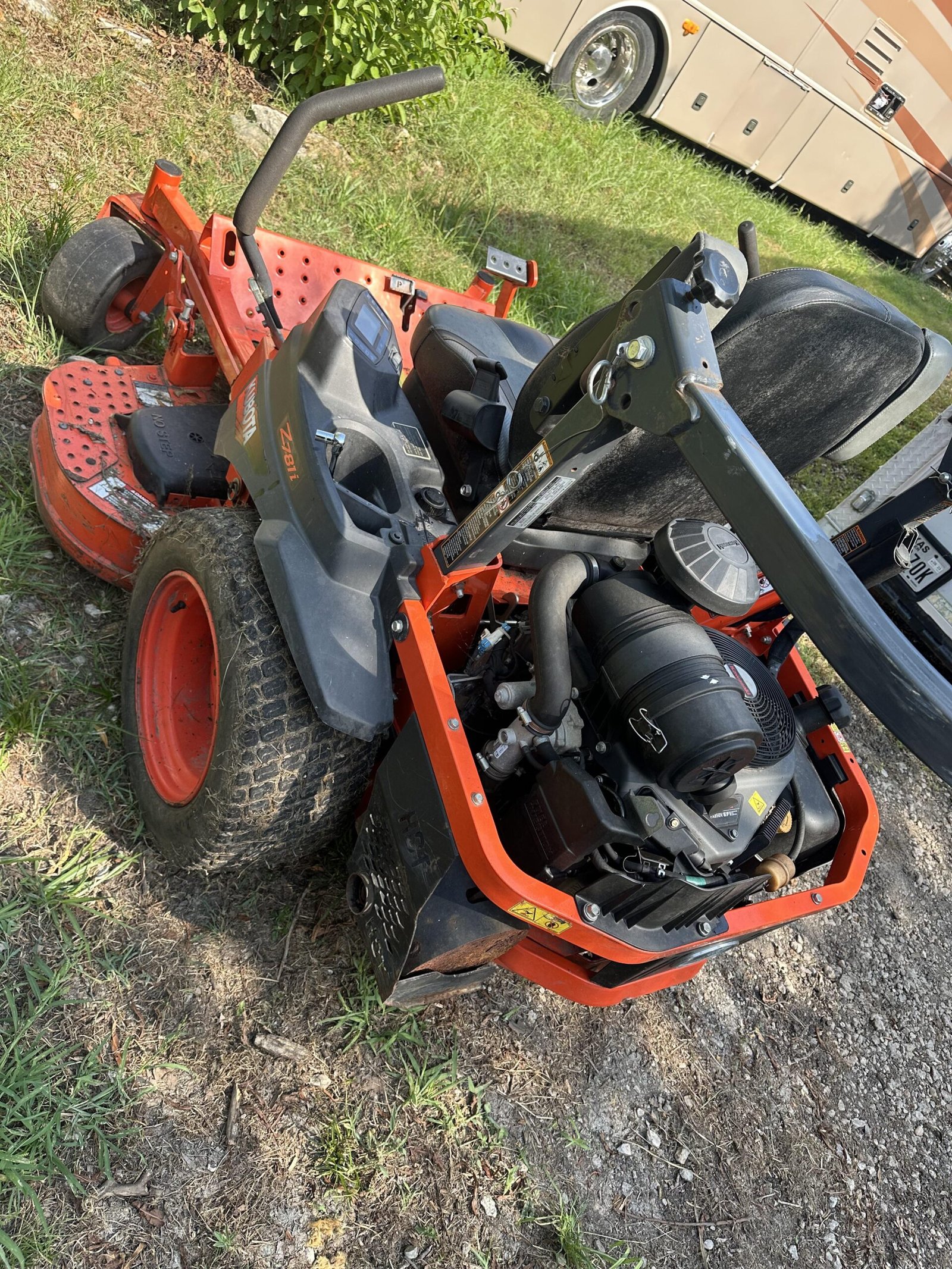
Credit: reddit.com
How to check spark the right way
- Remove the spark plug wire.
- Take out the spark plug.
- Reconnect the wire to the plug.
- Ground the plug threads against clean metal on the engine.
- Crank the engine and look for a strong blue spark.
A weak orange spark is not ideal. The engine may still crank, but the spark may not be strong enough to ignite the fuel mixture under compression. That is especially true if the battery voltage is low or the ignition coil is failing.
What to fix
Replace the spark plug if it is worn or fouled. Also check the plug gap against the engine specifications. If there is no spark at all, inspect the ignition coil, plug wire, and kill switch circuit. A pinched wire or a faulty safety switch can ground out the ignition and prevent starting.
Do not ignore a plug that looks wet after cranking. A wet plug can mean too much fuel, but it can also mean the cylinder is not getting strong enough spark to burn what is already there.
4. Choke stuck open or air filter blocked
Air problems can cause starting trouble, too. The FX1000V needs the right mix of fuel and air to start, and a choke that does not close or open correctly can throw that mix off.
If the choke is stuck open during cold starts, the engine may not get enough fuel-rich mixture to fire. If the air filter is heavily clogged, the engine may flood or breathe poorly. Both problems can lead to the same result: cranking with no start.
What to inspect
- Make sure the choke moves fully when you control it.
- Check that the choke plate is closing for cold start.
- Inspect the air filter for dirt, oil, or collapse.
- Look for mouse nests or debris in the intake area.
A dirty filter does not always stop an engine instantly, but it can make starting much harder. This is common after mowing in dusty conditions or after long storage. If the filter is oil-soaked, replace it rather than trying to clean it.
If the engine starts only after repeated cranking and then runs rough for a short time, restricted air flow or a choke problem may be part of the cause. Small changes in air flow can have a big effect during starting.
5. Weak battery, bad cables, or poor grounds
Even though the starter is turning the engine, the electrical system still matters. A weak battery can spin the crankshaft but not supply stable voltage to the ignition system and fuel controls.
This is one of the most overlooked causes when people say the engine “cranks fine.” In reality, cranking speed and usable voltage are not the same thing. A battery may show enough power for the starter but still be too weak for reliable ignition.
What to test
Use a multimeter if you have one. A fully charged 12-volt battery should usually read about 12.6 volts at rest. During cranking, voltage should not drop too far below 10 volts. If it does, the battery may be weak even if the starter still spins.
Check these items:
- Battery terminals for corrosion
- Loose cable ends
- Damaged ground cable
- Bent or rusted starter connections
Cleaning the terminals can solve a no-start problem faster than replacing parts. A thin layer of corrosion can create enough resistance to weaken the ignition system during cranking.
What to fix
Fully charge the battery, clean both terminals, and tighten all connections. If the battery is old and will not hold charge, replace it. If the engine starts only with a jump, the battery or charging system needs attention.
6. Safety switches or wiring faults
Modern mower engines often have safety circuits that stop the engine from starting under unsafe conditions. On a Kawasaki FX1000V setup, a seat switch, PTO switch, brake switch, or wiring harness issue can interrupt spark or starter operation.
Sometimes the engine cranks because the starter circuit is okay, but a related safety switch still prevents ignition. That can be confusing, because the machine seems to be “trying” to start normally.
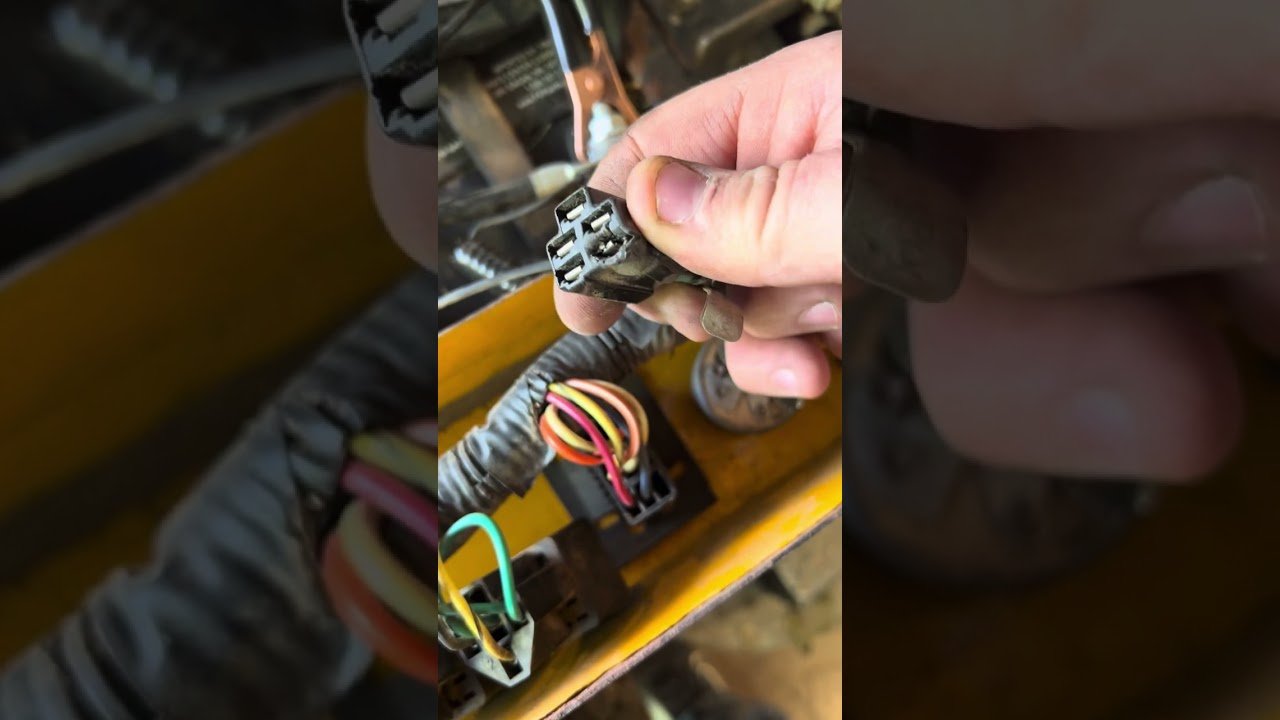
Credit: repairhow.blog
How to diagnose it
- Check that the seat switch is working properly.
- Make sure the PTO is disengaged.
- Confirm the brake or parking switch is set correctly.
- Inspect visible wiring for cuts, loose plugs, or rubbed insulation.
If the problem changes when you move the seat, wiggle the harness, or toggle a switch, you are likely dealing with an electrical interruption. That kind of issue can be intermittent, so it may appear and disappear during testing.
Safety circuits are there for a reason. Do not bypass them unless you are only performing a brief diagnostic test and fully understand the risk. If you are unsure, stop and follow the service manual for your machine.
7. Low compression, valve issue, or internal engine wear
If fuel, spark, air, and electrical checks all pass, the remaining cause may be mechanical. Low compression means the engine cannot seal the combustion chamber well enough to make a proper power stroke.
This is less common than fuel or spark problems, but it does happen. Worn rings, sticky valves, carbon buildup, or a valve timing issue can all keep the engine from starting even though it cranks normally.
Clues that point to compression trouble
- The starter sounds unusually free or fast
- The engine backfires through the intake or muffler
- Starting fluid does not help much
- The engine has gotten harder to start over time
A compression gauge can confirm the issue. If compression is low, you may need a valve adjustment, valve cleaning, or more serious internal repair. This is the point where the problem is no longer a quick tune-up fix.
One useful insight: a slightly sticking intake valve can act like a fuel problem at first. The engine still cranks, but it loses the compression needed to ignite the mixture. That is why starting fluid tests do not solve every no-start case.
What to do in the right order
If you want the fastest path to a fix, work from the most likely and easiest causes to the more complex ones. That keeps you from replacing expensive parts before checking simple failures.
Use this order:
- Check fresh fuel and fuel flow.
- Test spark at the plug.
- Inspect the air filter and choke.
- Charge and test the battery.
- Look at safety switches and wiring.
- Clean or replace the carburetor if fuel is reaching it but not the engine.
- Test compression if everything else checks out.
This sequence works because it matches how engines fail in the real world. Most no-start complaints are not caused by a broken engine block. They are caused by stale fuel, a dirty carburetor, or a weak ignition part.
If you want a simple rule, remember this: fuel and spark solve most cases. Compression is where you look after the easy systems have been ruled out.
Common mistakes that waste time
Many owners replace parts before confirming the basic cause. That can make the repair longer and more expensive than it needs to be.
- Replacing the carburetor before checking fresh fuel
- Assuming the battery is fine because the starter spins
- Ignoring a fouled spark plug
- Forgetting to check the fuel cap vent
- Testing with starting fluid and stopping there
Another mistake is skipping visual inspection. A cracked fuel line, loose ground, or blocked air intake can be seen in seconds, but people often jump straight into disassembly.
Also, do not assume a mower that ran fine last month will still start now without issue. Small engines are sensitive to storage, moisture, and old fuel. A 15-minute inspection can prevent hours of unnecessary work.
Credit: reddit.com
When the problem needs professional help
If the Kawasaki FX1000V still cranks but won’t start after fresh fuel, a known-good spark plug, carburetor cleaning, and basic electrical checks, the issue may be deeper than a normal tune-up. At that point, compression testing and valve inspection are the next logical steps.
Call a professional if you find metal in the oil, very low compression, severe backfiring, or wiring damage you cannot trace safely. You should also stop if the engine has repeated no-start attempts and begins smelling strongly of fuel, because flooding can create a fire risk.
When in doubt, use the service information for your exact model and ask for help from a qualified small engine technician. That is often faster than replacing random parts.
After the main fault is fixed, run the machine briefly under light load and recheck the related belt, wiring, fuel, fluid, and safety-switch areas before returning it to normal work.
FAQs
Why does my Kawasaki FX1000V crank but won’t start after sitting?
Old fuel is the most common reason. Fuel can go stale in about 30 days, and ethanol-blended fuel can leave varnish that clogs the carburetor. Start with fresh fuel and a spark test.
Can a bad spark plug cause cranking with no start?
Yes. A fouled or worn spark plug can still let the engine crank normally but fail to ignite the air-fuel mix. If the plug is black, wet, or damaged, replace it.
How do I know if it is the carburetor or the ignition system?
Use a small starting-fluid test through the intake. If the engine fires for a second or two, ignition is probably working and the fuel system is the issue. If nothing happens, check spark first.
Will a weak battery still crank the engine?
Yes, sometimes. The starter may spin, but the battery can still be too weak to support the ignition system properly. A healthy 12-volt battery should usually rest around 12.6 volts and stay above about 10 volts while cranking.
When should I suspect low compression?
Suspect compression trouble if fuel, spark, air, and electrical checks all pass, but the engine still will not fire. Fast cranking, backfiring, or no response to starting fluid are common signs.