
If your Kawasaki starts hard, loses power, or dies like the key was turned off, the fuel pump may be the reason. Many riders blame the battery, spark plugs, or fuel quality first. Sometimes that is correct. But in many cases, Kawasaki fuel pump problems are the real cause behind strange engine behavior.
This matters because a weak fuel pump can create very confusing symptoms. The bike may run fine for a few minutes, then stumble under load. It may idle well but fail at high speed. It may also crank normally and still not start. These signs can look random, but they often point to a fuel delivery issue.
In this guide, you will learn the common symptoms, the main causes, and the best fixes. You will also see how to test the pump, avoid common mistakes, and decide when a repair is enough or when replacement is the smarter move.
For related Kawasaki engine checks, compare this guide with Kawasaki FX1000V problems, Kawasaki governor problems, and why a lawn mower will not start. These related guides help separate fuel pump trouble from ignition, governor, carburetor, and safety-circuit symptoms.
How the Kawasaki fuel system works
Before you diagnose a pump problem, it helps to know what the pump does. The fuel pump moves fuel from the tank to the engine at the correct pressure. On many Kawasaki models, especially fuel-injected bikes, the engine needs steady fuel pressure all the time. If pressure drops, performance drops too.
A fuel system usually has several parts working together:
- Fuel tank – stores the gasoline
- Fuel pump – pushes fuel out of the tank
- Fuel filter or strainer – catches dirt and debris
- Fuel lines – carry fuel to the engine
- Fuel injectors – spray fuel into the engine
If any one of these parts fails, the bike can act like the pump is bad even when it is not. That is why good diagnosis matters. Replacing the pump without checking voltage, filter condition, or fuel pressure can waste money.
Why Kawasaki fuel pump problems are easy to misread
One reason riders struggle with diagnosis is that fuel pump issues often come and go. A weak pump may work when cold and fail when hot. A dirty electrical connection may make the pump run sometimes and stop other times. A clogged filter may act like a failing pump because both reduce fuel flow.
Another common issue is that fuel problems often look like ignition problems. The engine may sputter, surge, or misfire. That makes people check coils and plugs first. But if the engine is not getting enough fuel, no spark system can fully fix the issue.
Common symptoms you may notice
The signs of a bad pump are not always dramatic. In fact, many Kawasaki fuel pump problems start with small changes in the way the bike feels.
1. Hard starting or no start
If the engine cranks but does not fire, fuel delivery should be on your suspect list. A failing pump may not build enough pressure to start the engine. Sometimes the bike starts after several tries, then becomes harder to start over time.
2. Loss of power at higher speed
A weak pump may still supply enough fuel at idle, but not enough when the engine needs more under throttle. This often shows up during acceleration, highway riding, or climbing hills. The bike may feel flat, slow, or “starved.”
3. Stalling at idle or while riding
Random stalling is another classic sign. The engine may cut out at stoplights, during slow traffic, or even while cruising. If it restarts after a short wait, heat or an electrical fault may be part of the problem.
4. Sputtering, surging, or hesitation
When fuel pressure is unstable, the engine does not get a steady mix of air and fuel. That can cause jerking, hesitation, or uneven power. Many riders describe it as the bike “bucking” or “gasping.”
5. Pump noise changes
Most fuel pumps make some sound when they prime. A healthy pump often makes a short, steady hum. If the sound becomes very loud, weak, rough, or inconsistent, that may point to wear inside the pump.
6. Check engine light or fault code
Some Kawasaki models may trigger a warning light or fault code if fuel pressure drops too low or an electrical issue is detected. This does not always mean the pump itself is dead, but it is a strong clue that the fuel system needs attention.
7. Poor fuel economy
Less commonly, a failing fuel system can make the engine run rich or unevenly. That can hurt mileage. This symptom alone does not prove pump failure, but it adds to the picture when combined with other signs.
What causes Kawasaki fuel pump problems
There is no single cause. In many cases, the pump is not “broken” in the usual sense. It may be damaged by age, contaminated fuel, heat, or a bad electrical supply.
| Cause | What it does | Typical result |
|---|---|---|
| Worn pump motor | Internal parts lose strength over time | Weak pressure, hard starting, stalling |
| Clogged filter or strainer | Restricts fuel flow | Hesitation, power loss, sputtering |
| Bad wiring or relay | Interrupts power to the pump | Intermittent no-start or random cutouts |
| Corrosion inside tank | Contaminates fuel and pump parts | Noisy pump, poor flow, premature failure |
| Overheating | Creates extra wear on the motor | Pump works cold, fails hot |
| Old fuel | Leaves varnish and deposits | Sticking parts, blocked passages |
Credit: carglassadvisor.com
1. Wear and age
Like any electric motor, a fuel pump wears out. Brushes, bearings, and internal components slowly degrade. Over time, output becomes weak. This is more likely on older bikes or machines that sit for long periods.
2. Dirty fuel
Contaminated gasoline is one of the most common hidden causes. Dirt, rust, and water can damage pump parts or block the filter. If a bike has been stored with old fuel, the system may develop sticky deposits that reduce flow.
3. Electrical faults
Sometimes the pump is fine, but the wiring is not. Loose connectors, corroded grounds, damaged fuses, failing relays, or weak battery voltage can all cause pump trouble. A pump that does not get full power cannot do its job.
4. A clogged filter
This is one of the most overlooked causes. Riders often assume the pump has failed when the real problem is a blocked filter or strainer. The result feels the same: low fuel delivery and poor performance.
5. Heat and long ride conditions
Some pumps fail only after the bike heats up. That is a clue. Heat can expose weak electrical parts or internal wear. A pump may work on a short test ride and then fail after 20 or 30 minutes on the road.
6. Poor storage habits
Motorcycles that sit unused for months are at higher risk. Fuel can break down, moisture can build up, and corrosion can form inside the tank. This is especially important for riders who only use the bike seasonally.
How to diagnose the problem the smart way
For Kawasaki fuel pump troubleshooting, start with the prime sound before replacing parts. If the pump does not prime when the key is turned on, check the battery voltage, fuse, relay, ground, connector corrosion, and wiring before assuming the pump motor is bad. If it primes but the engine still starves for fuel, move next to the filter, pressure test, tank pickup, and heat-related pressure loss.
Do not replace the fuel pump too quickly. A careful check can save time and money. Start with the simple tests first.
Check the basics first
- Make sure the battery is fully charged.
- Check the fuel level.
- Listen for the pump prime when you turn the key on.
- Inspect fuses and relays.
- Look for loose wires or corroded connectors.
These steps sound basic, but they matter. A weak battery can cause fuel pump symptoms that look like pump failure. A bad relay can stop the pump from running even if the pump itself is healthy.
Listen carefully to the prime sound
When you turn the key on, the pump should usually run for a short moment. If you hear no sound at all, the issue may be electrical. If the pump sounds weak, noisy, or inconsistent, the pump may be worn or obstructed.
Use a pressure test if possible
A fuel pressure test is one of the best ways to confirm a problem. If pressure is below spec, the engine may not run correctly. This test can help separate a bad pump from a blocked line, dirty filter, or injector issue.
For accurate numbers and service procedures, use the official Kawasaki service manual for your specific model. Kawasaki’s own support and documentation are the best place to start: Kawasaki official website.
Check for heat-related failure
If the bike starts and runs well when cold but fails after warming up, repeat the test when the problem appears. That pattern often points to a weak pump motor or a failing electrical connection that opens up when hot.
Look inside the tank
If the tank has rust, debris, or dirty fuel, the pump may be suffering from contamination. This is a strong clue if the bike has been stored, used with old gasoline, or exposed to water in the fuel system.
Fixes that actually solve the issue
Once you know the cause, the fix becomes easier. Some problems need only cleaning or repair. Others require replacement.
Credit: motorbikeinsider.com
1. Replace the fuel filter or strainer
If the pump is still strong but flow is restricted, a clogged filter may be the real issue. This is a low-cost repair compared with replacing the pump. In many cases, it restores normal performance right away.
2. Clean corroded connectors
Electrical contact cleaner, a small brush, and careful inspection can solve intermittent problems. Make sure connectors are dry and fully seated. Do not ignore grounds, since a poor ground can make the pump act weak or dead.
3. Test or replace the relay
A failing relay may work sometimes and fail when hot. If the relay does not send steady power to the pump, replacing it can fix the issue. This is often much cheaper than buying a pump assembly.
4. Flush old fuel
If the gasoline is old or contaminated, drain the tank and refill it with fresh fuel. If there is visible dirt or rust, the tank may need deeper cleaning before the new fuel pump can work well.
5. Repair wiring damage
Broken insulation, rubbed wires, and weak terminals can interrupt power. This is especially important on bikes that have been modified, crashed, or exposed to heavy vibration. A solid electrical repair can bring a pump back to life.
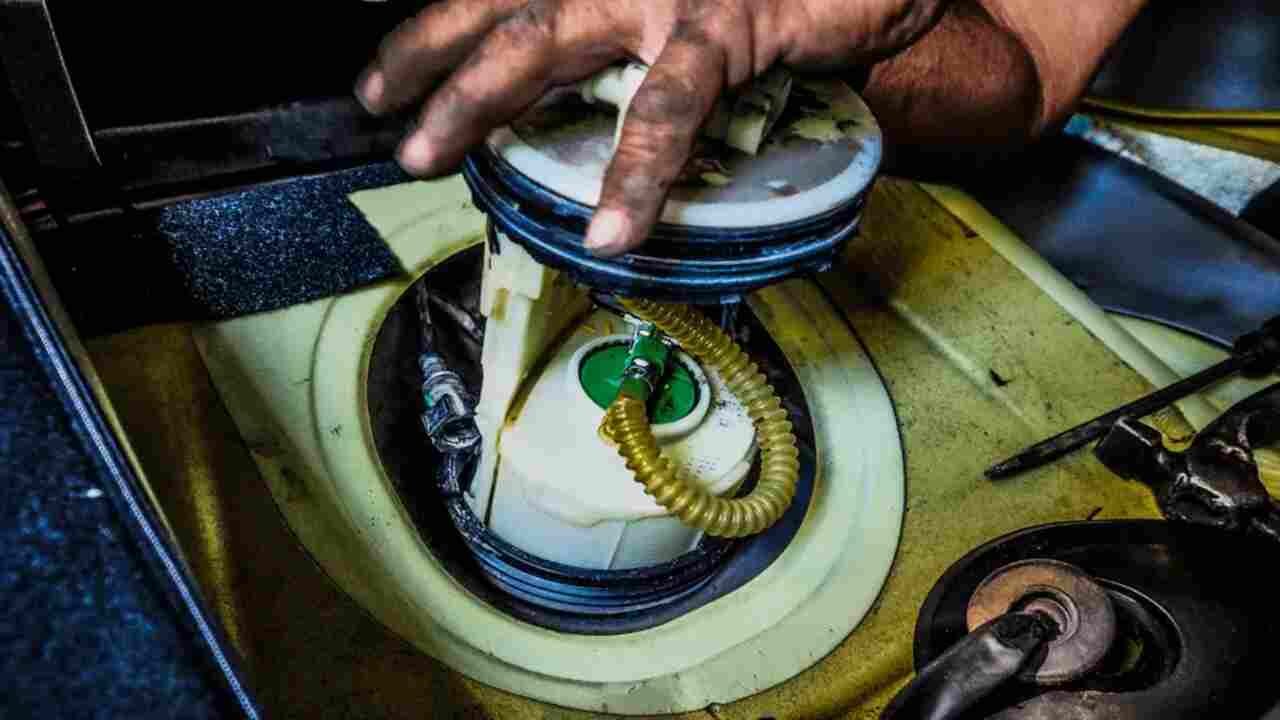
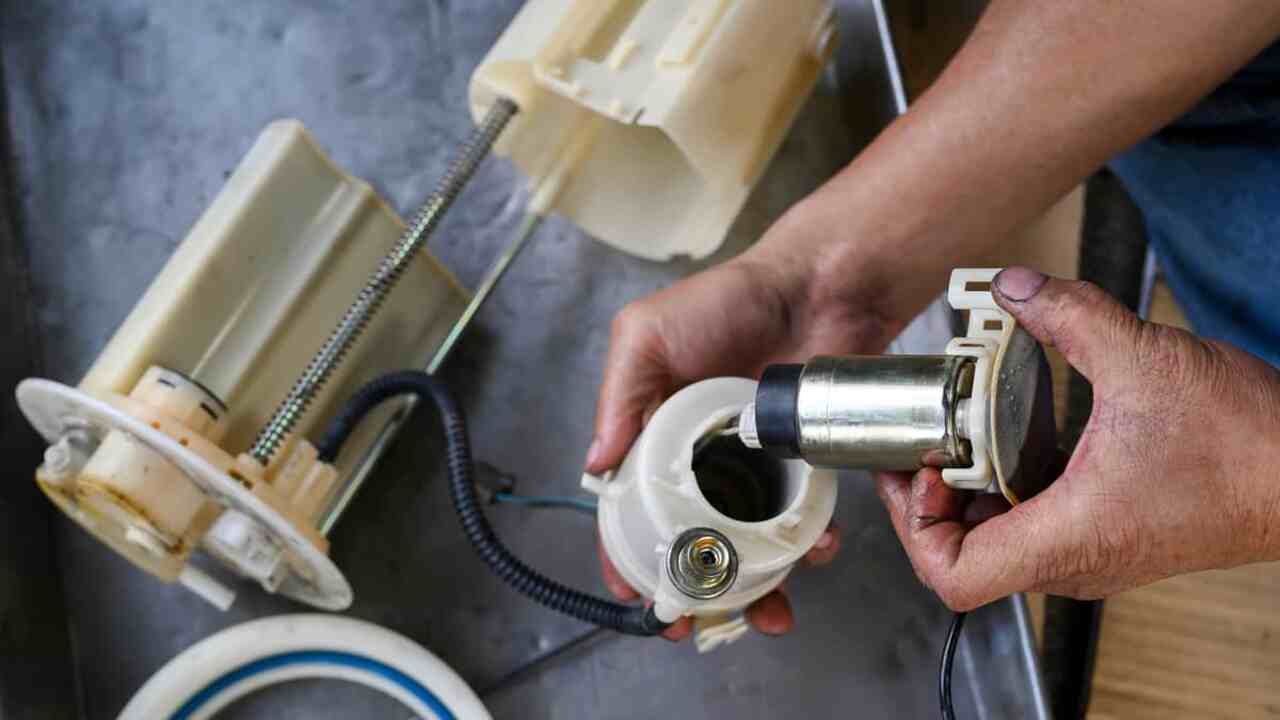
6. Replace the fuel pump
If the pump motor is worn, noisy, or unable to hold pressure, replacement is usually the best fix. Do not forget to replace any related seals or gaskets during the job. A new pump will not help much if fuel is still leaking or the tank is contaminated.
7. Clean the fuel tank if needed
When rust or dirt is present, cleaning the tank is not optional. A brand-new pump can fail early if it keeps pulling debris from a dirty tank. This is one of the non-obvious mistakes beginners often miss.
Common mistakes riders make
Many riders spend money on the wrong part because the symptoms seem vague. These mistakes are very common.
Replacing the pump without testing voltage
If the pump is not getting proper power, a new pump will act just like the old one. Always check the supply first.
Ignoring the filter
A restricted filter can mimic a bad pump almost perfectly. This is one of the most overlooked causes of Kawasaki fuel pump problems.
Forgetting about heat
Some issues only appear when the bike is hot. If you test only for a few minutes in the garage, you may miss the real fault.
Using poor-quality fuel
Cheap or old fuel creates deposits, corrosion, and moisture problems. Over time, that can shorten pump life and damage the entire fuel system.
Skipping the tank inspection
If there is rust or debris in the tank, the pump may fail again after repair. Cleaning the source of contamination is just as important as replacing the part.
How to prevent future fuel pump trouble
Prevention is often simple. A few habits can protect the fuel system and help the pump last longer.
- Use fresh fuel whenever possible.
- Do not let the bike sit for very long with old gasoline in the tank.
- Keep the battery in good condition.
- Inspect connectors during regular service.
- Replace the filter at the recommended interval.
- Store the bike properly during long breaks.
One useful habit is to ride the bike long enough for the fuel system to stay active and clean. Bikes that sit for months are much more likely to develop deposits and corrosion. Another smart habit is to listen for changes in pump noise. A small change can be an early warning.
When replacement is the right choice
Sometimes repair is no longer worth it. If the pump is old, noisy, and weak, or if it fails pressure tests after the filter and wiring checks, replacement is the cleanest solution. If the tank is full of rust or the pump has already been damaged by contaminated fuel, replacing only one part may not solve the full problem.
For many riders, the best long-term fix is a full fuel system cleanup plus a new pump and filter. That may cost more at first, but it often prevents repeat failures.
Quick guide to matching symptoms with likely causes
This simple guide can help you narrow down the issue faster:
- No start, no pump sound: check fuse, relay, wiring, and battery first
- No start, pump sound present: test fuel pressure and filter condition
- Runs cold, fails hot: suspect heat-related pump wear or electrical faults
- Stalls under load: suspect weak pump, clogged filter, or low pressure
- Random cutting out: check relay, connectors, and ground points
This is not a full diagnosis, but it helps you avoid guessing. The key is to follow the pattern. Good diagnosis means looking at the whole system, not just the pump itself.
Credit: motorbikeinsider.com
Final thoughts on Kawasaki fuel pump problems
Kawasaki fuel pump problems can feel frustrating because the symptoms often overlap with other engine issues. But the pattern is usually there if you look closely. Hard starting, power loss, stalling, sputtering, and strange pump noise all point toward a fuel delivery issue.
The best approach is simple: check power first, inspect the filter and wiring, look for old fuel or tank contamination, and confirm pressure before replacing parts. That method saves money and gives you a better repair result. In many cases, the pump is not the only issue. The real fix is often a combination of cleaning, electrical repair, and proper fuel system maintenance.
If you take care of the fuel system early, your Kawasaki can run smoother, start easier, and last longer. That is the real goal—not just replacing one part, but restoring reliable fuel flow.
FAQs
1. What are the first signs of Kawasaki fuel pump problems?
The first signs are often hard starting, weak acceleration, sputtering, or a change in pump noise. The bike may still run at first, but performance gets worse over time.
2. Can a bad battery cause fuel pump symptoms?
Yes. A weak battery can reduce pump performance and create symptoms that look like pump failure. Always test battery voltage before replacing the pump.
3. How do I know if the fuel pump or fuel filter is bad?
If the pump runs but the bike has low power or stalls, the filter may be clogged. A fuel pressure test helps separate a weak pump from a blocked filter or line.
4. Will a fuel pump fail suddenly?
Sometimes yes, but many pumps fail slowly. They often become noisy, weak, or inconsistent before they stop working completely.
5. Is it safe to keep riding with fuel pump issues?
It is not a good idea. Fuel pump problems can get worse quickly and may leave you stranded or cause unsafe stalling while riding. It is best to diagnose and fix the issue as soon as possible.