
Slugs can destroy tender leaves fast, but how to get rid of slugs in garden spaces does not have to mean using harsh chemicals. The best results usually come from a mix of simple habits, traps, barriers, and natural controls.
If you only kill the slugs you see, the problem often comes back. The real fix is to make your garden less friendly to slugs while protecting the plants they love most. That is why the most effective methods work best when used together, not one at a time.
Below are 15 natural and easy methods that actually help, plus the timing, mistakes, and small details most people miss. You will also learn which methods work best for seedlings, raised beds, containers, and damp shady areas.
Start with the slug-friendly conditions in your garden
Before trying traps or barriers, look at why slugs are there in the first place. Slugs need moisture, shade, and hiding places during the day. If your garden stays wet overnight or has thick mulch, boards, pots, or leaf piles on the ground, you are giving them cover.
This is the most overlooked part of slug control. Many gardeners keep adding more control products, but the population stays high because the garden still offers the same perfect habitat. Drying the surface, improving airflow, and removing shelters can cut slug pressure in a way that lasts.
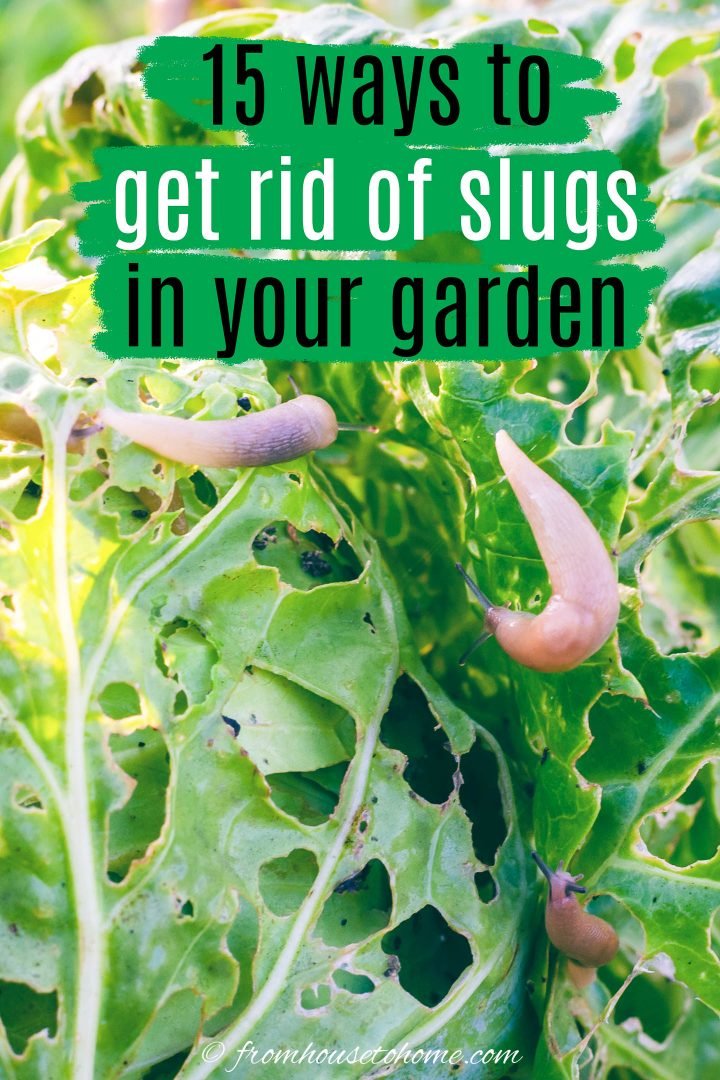
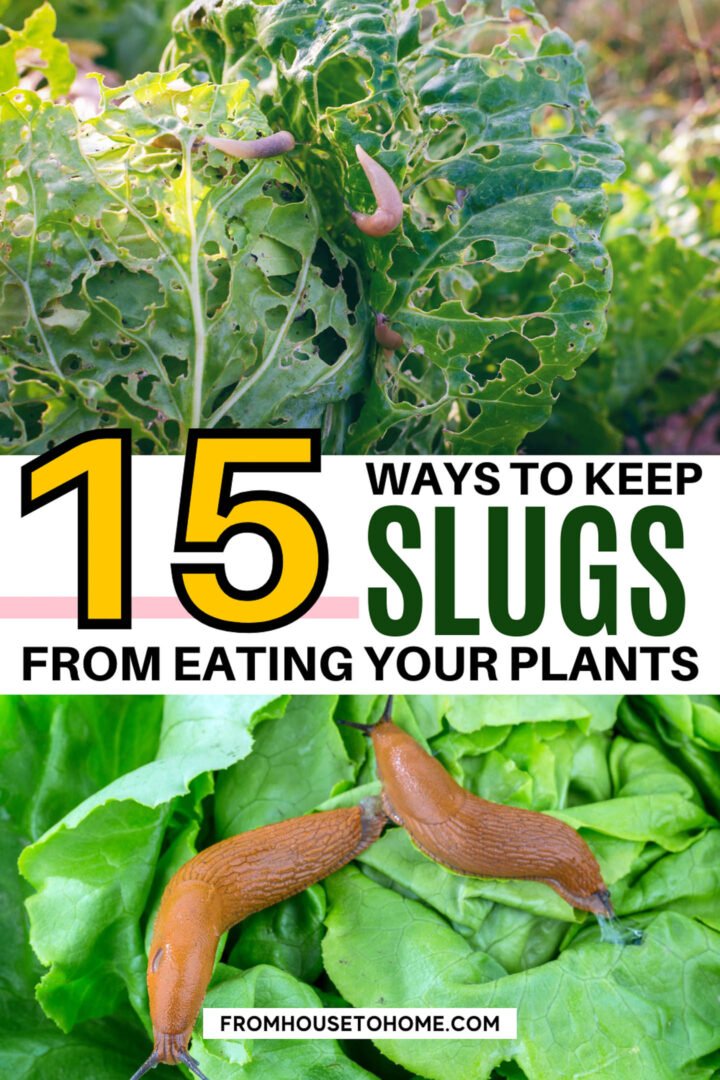
Focus first on the areas where damage is worst. Slugs usually attack young plants, soft greens, strawberries, hostas, basil, lettuce, and seedlings. They often feed at night, so by morning the damage is already done.
Signs slugs are the real problem
- Irregular holes in leaves, often starting from the edges
- Shiny slime trails on soil, pots, or leaves
- Seedlings cut down or stripped overnight
- Damage is worse after rain, watering, or humid nights
If you see these signs, you are dealing with slugs or snails, not insect chewing. That matters because slug control works differently from bug sprays. Many insecticides do little or nothing against them.
Use the most effective natural methods first
The fastest progress usually comes from combining 3 or 4 methods at once. A single trick may help, but a layered approach works much better. For example, you can remove hiding spots, water at the right time, and use a barrier around vulnerable plants.
Here are the natural methods that give the best results for most home gardens. Some are preventive, some are direct controls, and some are for catching slugs before they do more damage.
1. Water early in the day
Slugs love wet soil and damp leaves. If you water in the evening, the garden stays moist right through the night, which is prime feeding time. Morning watering lets the top layer dry before dark.
This simple change can make a real difference within a week. It is especially useful for lettuce beds, herb gardens, and containers that dry slowly. Try to water at soil level, not over the leaves, when possible.
2. Remove hiding places
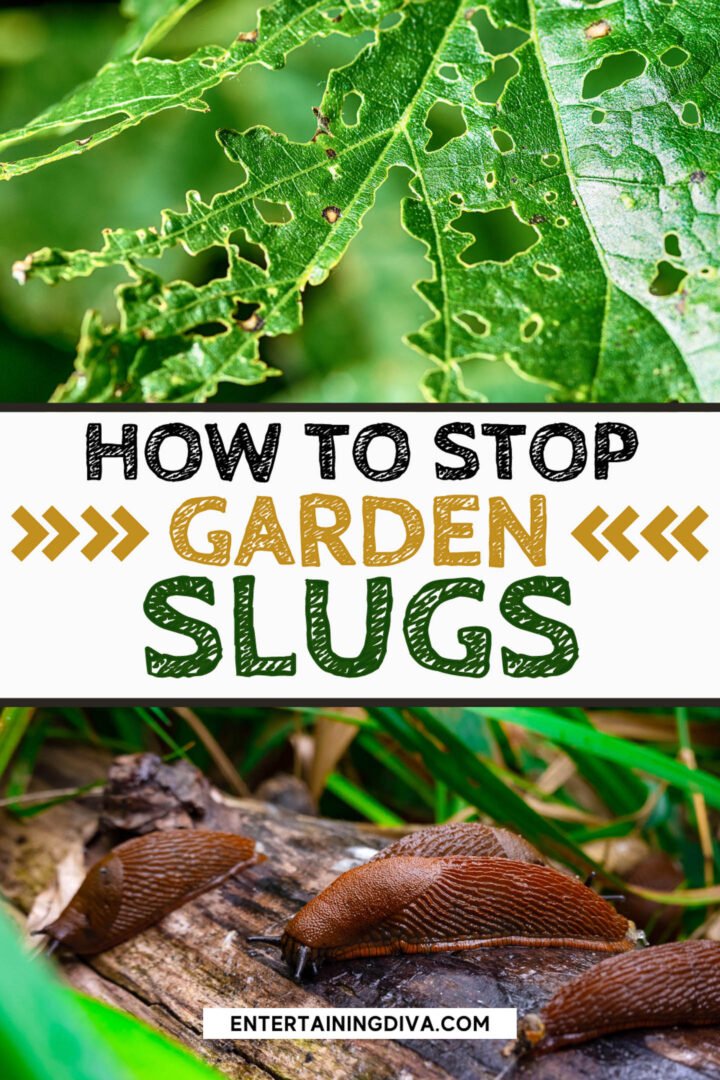
Slugs hide under boards, stones, old pots, weeds, and thick debris during the day. Clearing these spots does not kill them directly, but it removes the shelter they rely on. A cleaner garden usually means fewer nighttime visitors.
Pay special attention to the edges of beds and fences. These areas often stay cooler and wetter than open soil. Even moving a stack of pots or a board can reveal several slugs hiding underneath.
3. Hand-pick at night or early morning
This is one of the simplest methods, and it works better than many people expect. Use a flashlight after dark or check plants at dawn when slugs are still active. Pick them off by hand and drop them into soapy water or remove them far from the garden.
It is not glamorous, but it gives immediate relief around valuable plants. The best time is after rain or after a damp evening, when slugs are easiest to find. A few nights of steady picking can lower pressure a lot.
4. Use copper barriers around pots and beds
Copper helps because slugs do not like crossing it. The reaction with their slime creates a mild shock-like effect, which makes them turn back. Copper tape around containers and raised-bed edges is one of the most useful natural barriers.
For best results, the strip must be clean and continuous. Gaps, dirt, or overhanging leaves give slugs an easy bridge. Copper works best on pots, seed trays, and small beds where you can fully seal the edge.
5. Set shallow beer traps carefully
Beer traps attract slugs, which crawl in and drown. A shallow container sunk level with the soil can work, but it is not magic. It usually catches some slugs, not all of them.
Use them as part of a larger plan, not as your only method. Empty and refill traps often, and place them away from the plants you want to protect so you do not draw slugs right toward them. This method is most useful in a small area with heavy pressure.
6. Try boards or damp cardboard as trap stations
A flat board or piece of cardboard placed on moist soil becomes a daytime hideout for slugs. Check it in the morning, lift it, and remove the slugs gathered underneath. This is a low-cost way to find where activity is highest.
It also helps you track patterns. If one bed keeps filling with slugs, you know where to concentrate barriers and removal. That makes your effort more efficient instead of spread too thin.
7. Apply diatomaceous earth only when conditions are dry
Diatomaceous earth is a fine powder made from fossilized algae. It can irritate soft-bodied pests when dry, but it loses much of its effect once wet. That means it is useful only in dry stretches and must be reapplied after rain or watering.
Use a light ring around vulnerable plants, not a thick pile. It works best on paths, dry containers, and protected spots. For gardens that stay damp, it is usually less reliable than barriers or habitat control.
8. Create rough barriers with sharp mulch or gritty materials
Slugs prefer smooth, moist surfaces. Coarse materials such as crushed eggshells, pine needles, sharp grit, or rough bark can slow them down around plant bases. The texture is the barrier, not the material itself.
This method is mixed in effectiveness, but it can help around small plants. Keep in mind that mulch piled right against stems can make the problem worse by holding moisture. Leave a little dry space around the crown of each plant.
9. Encourage natural predators
Frogs, toads, ground beetles, birds, and some beneficial insects all help reduce slug numbers. A garden with good habitat for predators often has fewer slug outbreaks over time. Small water sources, native plants, and less pesticide use can support this balance.
This method works slowly, but it is one of the few that helps long term. If you remove all the shelter and food for predators, slug control gets harder. A healthy garden ecosystem usually handles pests better than a sterile one.
10. Use iron phosphate bait when needed
Iron phosphate is a common slug bait that is considered a lower-toxicity option compared with older products. Slugs eat it and stop feeding, then die underground. It is often a better choice than harsh chemical pellets when you need stronger control.
Use it carefully and follow the label exactly. Put it where slugs travel, not in big piles. If you want a safety reference for garden chemicals and label use, the EPA guidance on safe pesticide use is a helpful official source.
Build a barrier plan around the plants slugs attack most
Some plants need special protection because slugs prefer them so much. Young lettuce, hostas, beans, marigolds, dahlias, basil, and many seedlings can be damaged quickly. If you protect only these high-risk plants, you can save a lot of time and effort.
This is where garden design matters. A few well-protected zones often work better than trying to treat the entire yard. Put your best barriers around the most valuable or vulnerable plants first.
Credit: fromhousetohome.com
Use containers and raised beds to your advantage
Slugs can climb, but raised beds and containers make access harder and barriers easier to apply. A copper ring around a pot is much easier to maintain than trying to protect a wide open bed. Raised edges also dry faster than ground-level soil.
If possible, lift pots onto stands or bricks so slugs cannot hide under them. Remove saucers that hold water overnight unless the plant truly needs them. That one change can reduce the damp hiding spots slugs love.
Protect seedlings in the first 2 to 4 weeks
Seedlings are the most vulnerable stage. A few slug bites can destroy them before they establish roots or produce enough leaf mass to recover. For that reason, the first 2 to 4 weeks matter most.
Use cloches, mesh covers, or small row covers if needed. Even simple hoops with fine netting can keep slugs off young plants while still allowing light and air. Once plants grow stronger, they can tolerate some minor chewing.
Make nighttime access harder
Slugs move most after dark, so anything that interrupts their path helps. Dry edges, clean pathways, and no leaf bridges between the ground and plant stems all reduce access. Even a small gap between mulch and stems can matter.
One non-obvious detail: slugs often follow the same routes repeatedly. If you find slime trails on a path or bed edge, that is a clue. Protect that route with barriers or traps instead of spreading your effort everywhere.
| Method | Best use | Main limitation |
|---|---|---|
| Copper tape | Pots and small raised beds | Must stay clean and unbroken |
| Beer traps | Small, heavy infestations | Needs frequent emptying |
| Hand-picking | Fast control around prized plants | Requires repeated effort |
| Habitat cleanup | Long-term reduction | Results are slower |
What most gardeners do wrong when fighting slugs
The biggest mistake is using only one method and expecting a full fix. Slugs are persistent, and they reproduce quickly in damp spaces. If the environment stays friendly, the population keeps returning.
Another common mistake is killing slugs after they have already done the damage, but not protecting the next target. By the time you see holes, more slugs may already be hiding nearby. That is why prevention is as important as removal.
Credit: fromhousetohome.com
Common mistakes that make the problem worse
- Watering in the evening instead of the morning
- Leaving boards, stones, and debris near beds
- Putting mulch too close to plant stems
- Using dry deterrents after rain and not reapplying them
- Relying on beer traps alone
- Ignoring the shady, damp edges of the garden
Another less obvious issue is over-mulching. Mulch is useful, but thick wet mulch can become a slug shelter. Keep it loose and away from the plant crown so it helps the soil without protecting pests.
How to know which method to use first
If the damage is on seedlings or one small bed, start with hand-picking, copper, and covers. If the whole garden has slug pressure, focus first on cleanup, watering habits, and habitat removal. If you need stronger control, add iron phosphate bait in the worst zones.
This decision saves time. Many gardeners jump to bait before fixing the conditions that created the problem. That often means the slug problem returns the next wet week.
Use seasonal timing to stay ahead of slug outbreaks
Slug pressure changes with weather. It often rises after rain, during cool damp spring periods, and in shaded areas that stay wet longer than the rest of the garden. If you know the pattern, you can act before serious damage starts.
Spring is usually the hardest time because young plants are tender and slugs are active. Late summer can also be tricky in irrigated beds or after storms. In dry, hot weather, slug activity may drop, but sheltered spots can still hold hidden populations.
Best time to check for slugs
Check at dusk, after rain, or early in the morning. These are the times slugs are most active and easiest to find. A 10-minute inspection can show you where the problem is strongest.
If you notice fresh slime trails, go straight to that area the same day. That is usually where tomorrow night’s feeding will happen. Acting early is far easier than trying to recover shredded seedlings later.
When a stronger approach makes sense
If you are losing new plants every week, natural methods may need support from iron phosphate bait or repeated hand-picking. That is still a targeted, garden-friendly approach. It gives you control while the habitat changes slowly over time.
The goal is not to eliminate every slug forever. The goal is to keep numbers low enough that plants can grow without constant damage. That is a much more realistic and successful target.
A simple 7-day slug control plan
If you want a quick start, use a short plan instead of trying everything randomly. A focused week can lower pressure fast and show you which methods work best in your yard. This is especially useful if you are learning how to get rid of slugs in garden beds for the first time.
- Water in the morning only.
- Remove boards, pots, weeds, and debris near beds.
- Check plants at dawn or dusk and hand-pick slugs.
- Put copper tape or barriers around top-priority plants.
- Set one or two traps in active zones.
- Protect seedlings with covers or mesh if needed.
- Review damage after 7 days and repeat the most effective steps.
After one week, you should see fewer fresh slime trails and less overnight feeding. If not, the problem area may be holding hidden moisture or shelter, and that is where to focus next.
Credit: fromhousetohome.com
Keep slug control simple and steady
The best answer to how to get rid of slugs in garden spaces is not one perfect trick. It is a steady mix of morning watering, cleanup, barriers, traps, and smart plant protection. That approach is natural, practical, and much more reliable than chasing slugs one by one.
Start with the easiest changes first, then protect the plants that matter most. If you stay consistent for a few weeks, you can bring slug damage down a lot without turning your garden into a chemical zone.
FAQs
1. What is the fastest natural way to get rid of slugs?
The fastest natural method is usually hand-picking at night or early morning, then removing hiding spots around the garden. For immediate plant protection, copper barriers and covers help right away.
2. Do coffee grounds really stop slugs?
Not reliably. Coffee grounds may help a little in some gardens, but they are not strong enough as a main control method. They work better as a small extra step, not a full solution.
3. Are slugs worse after rain?
Yes. Slugs are much more active when soil and air are damp, especially after rain or heavy watering. That is why morning watering and cleanup matter so much.
4. Will salt kill slugs in the garden?
Salt can kill slugs, but it is not a good garden method because it also harms soil and plants. It is better to use safer options like hand-picking, barriers, or iron phosphate bait.
5. How do I keep slugs away from seedlings?
Use row covers, copper rings, or small cloches around seedlings, and keep the soil surface drier at night. Seedlings need the most protection during their first 2 to 4 weeks of growth.