
Grub damage can ruin a lawn or garden bed fast, but the fix is usually simpler than people think. If you want to know how to get rid of grubs in garden spaces without harsh chemicals, the best plan is to act early and use the right natural method for the life stage you are dealing with.
Grubs are the white, C-shaped larvae of beetles. They live in soil, chew on roots, and often go unnoticed until plants wilt, turf lifts like a carpet, or animals start digging for them. The good news is that you can stop them with a mix of timing, soil care, biological controls, and a few smart garden habits.
The fastest results come from identifying the problem correctly, treating when grubs are young, and making your soil less attractive to beetles over time. That approach gives you control now and helps prevent the same damage next season.
How to confirm grubs are the real problem
Before you treat anything, make sure grubs are actually in the soil. Many garden problems look similar on the surface. Dry patches, poor drainage, cutworms, and root disease can all mimic grub damage.
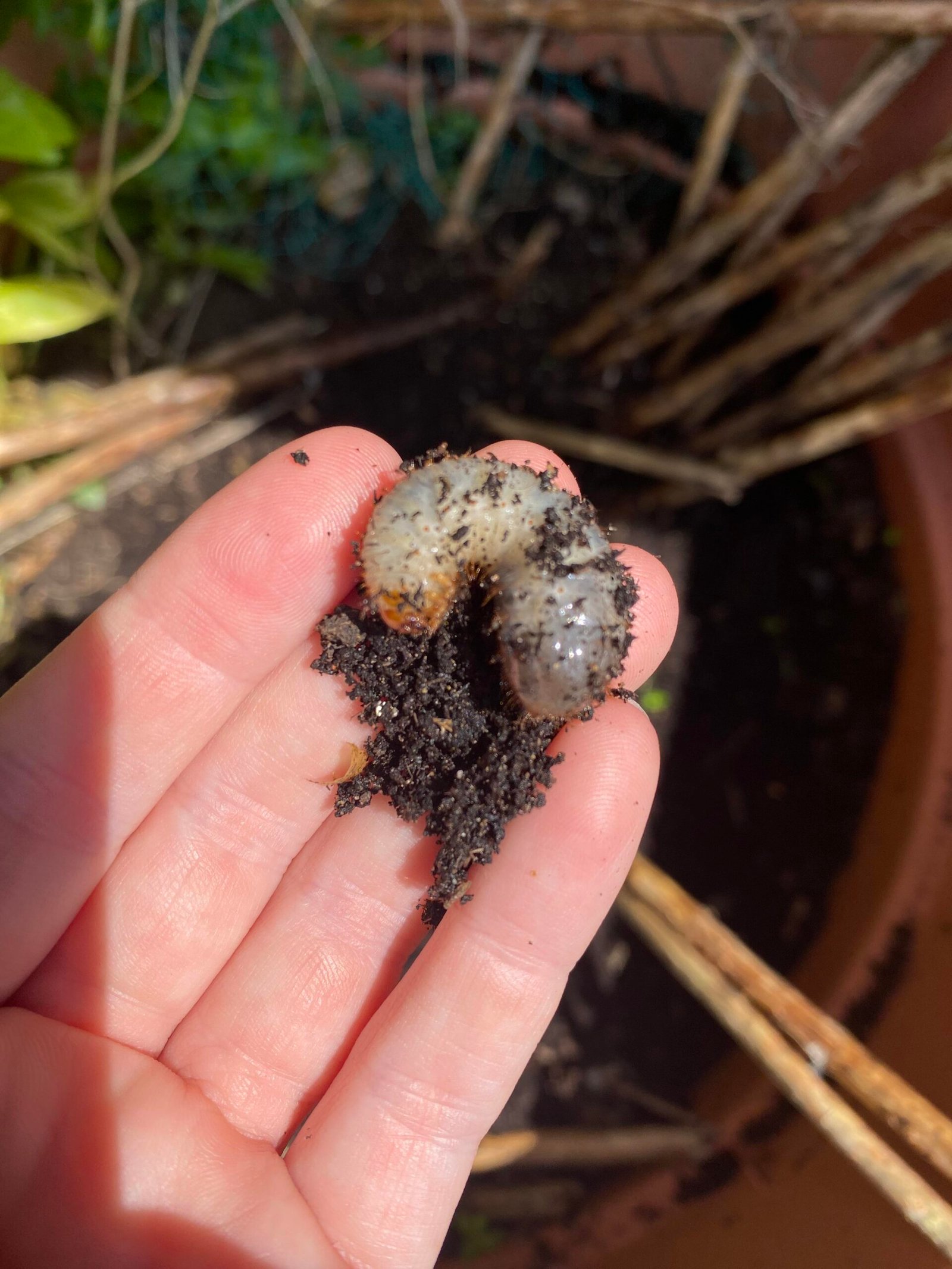
The most reliable sign is easy: pull up a small section of turf or dig 2 to 4 inches deep in the root zone of a damaged plant. If you find several white larvae curled into a C shape, you have grubs. Most lawn and garden damage becomes obvious when there are about 5 to 10 grubs per square foot, though even fewer can hurt young plants or stressed soil.
Another clue is wildlife activity. Birds, raccoons, skunks, and moles often dig in the same spots because grubs are an easy meal. That kind of digging is not proof by itself, but it is a strong hint.
If you want a quick check, look at the root system. Healthy roots are firm and spread out. Grub-fed roots are short, weak, or missing in patches. Plants may wilt even when the soil feels moist because the roots are no longer doing their job.
What grubs look like
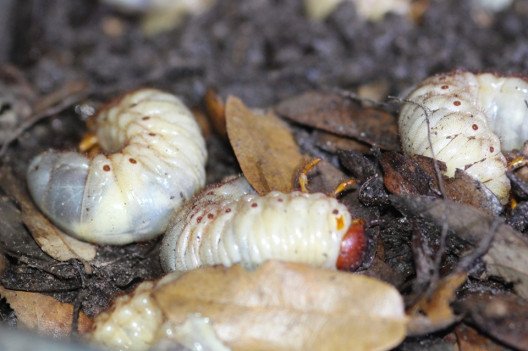
Most common garden grubs are creamy white with brown heads and six tiny legs near the front. They are usually less than 1 inch long, depending on age and species. They often curl when disturbed, which makes them easier to spot in soil samples.
When to inspect the soil
The best time to look is late summer through early fall, when many grubs are near the surface and still small. That is also the best window for many natural treatments. Spring inspections can still help, but older grubs are harder to control because they are larger and feeding less actively.
Use natural controls that target the right grub stage
Natural grub control works best when you match the method to the grub’s age. Tiny, young grubs are much easier to stop than large, mature ones. This is the part many gardeners miss: by the time damage looks severe, the best treatment window may already be closing.
The most effective natural options are beneficial nematodes, milky spore for Japanese beetle grubs, and careful soil management. These methods do different jobs, so choosing the right one matters more than using the strongest product you can find.
Beneficial nematodes
Beneficial nematodes are microscopic worms that infect and kill grubs in the soil. They are one of the best answers for how to get rid of grubs in garden areas without synthetic insecticides. The most common helpful species for grubs are Heterorhabditis bacteriophora and Steinernema species, depending on the grub type and soil conditions.
Apply them when soil is moist and temperatures are mild, usually in late summer or early fall. Water the area before and after application so the nematodes move into the root zone. Dry soil and hot sun can weaken them quickly.
One non-obvious tip: nematodes work better at night or on cloudy days. UV light can damage them, so evening application gives them a better chance to survive and spread.
Milky spore
Milky spore is a natural bacterium used against Japanese beetle grubs. Once established, it can remain active in the soil for years. But it only targets Japanese beetle larvae, so it will not solve every grub problem.
This makes it useful if you have confirmed Japanese beetles in your area and repeated grub problems in the same beds. It takes time to build up, so it is more of a long-term plan than a quick rescue tool. If you need fast relief, pair it with nematodes or hand removal.
Neem-based soil treatments
Neem products can reduce feeding and slow grub growth, especially when used early. They do not usually wipe out a heavy infestation on their own, but they can support other methods. Look for soil-safe formulations and follow the label carefully.
Neem works best as a preventive or early-stage option. It is less effective against older, larger grubs already causing major root loss. Think of it as pressure control, not an instant cleanup tool.
Fix the soil so grubs do not keep coming back
Healthy soil is one of the strongest long-term defenses against grubs. Beetles prefer areas where plants are stressed, roots are weak, and soil conditions make it easy for larvae to survive. If your soil is compacted, too dry, or lacking organic matter, grubs often gain the upper hand.
A well-balanced garden is less attractive to beetles and more resilient when larvae do show up. That means better drainage, deeper roots, steadier moisture, and less bare soil for egg-laying beetles.
Credit: reddit.com
Water deeply, not lightly
Shallow watering creates weak roots close to the surface. Those roots are easier for grubs to damage. Deep watering encourages roots to grow downward, where they are harder to destroy and better able to recover.
Try watering less often but more thoroughly. For many beds, 1 inch of water per week is a useful starting point, adjusted for weather and plant type. Consistent moisture also helps beneficial nematodes move through the soil if you are using them.
Reduce compacted soil
Compacted soil makes it easier for roots to stay weak and harder for natural predators and beneficial organisms to move around. Light aeration, compost, and gentle mulching improve the soil structure over time.
Do not overwork the bed. Excess digging can expose helpful insects and disturb root systems. A thin layer of compost, added seasonally, usually does more good than repeated deep tilling.
Keep grass and garden edges healthy
Many grub infestations start where turf meets beds, especially in thin or stressed areas. Strong borders matter because beetles often lay eggs in open, sunny soil and short grass. Dense plant cover can reduce egg-laying spots.
Mulch bare areas, overseed thin lawn patches if needed, and avoid leaving soil exposed for long periods. Even a simple 2 to 3 inch mulch layer can make a bed less inviting for beetles looking for egg sites.
Remove grubs by hand when the infestation is small
For a small garden bed or a few damaged spots, hand removal can be surprisingly effective. It is not a cure for a large outbreak, but it works well when you catch the problem early. This method is also useful when you want to avoid any treatment at all around edible plants.
Dig around the damaged area and sift through the top few inches of soil. Pick out the larvae you find and drop them into a bucket of soapy water. The goal is not perfection. Removing even a portion of the active grubs can lower pressure on the roots while other control methods start working.
Hand removal is most useful after rain or watering, when grubs move closer to the surface. Dry, hard soil makes this much harder. If you are dealing with only a handful of damaged plants, this may be all you need together with better watering and a biological treatment.
Best places to check first
- Thin or yellowing patches near the edge of a lawn or bed
- Spots where birds or animals have been digging
- Areas with weak roots or plants that pull up too easily
- Open soil near lights, where beetles may have laid eggs
Use beetle prevention to stop next season’s grub cycle
Grubs are only half the story. Adult beetles lay the eggs that create next year’s problem. If you control beetles and reduce egg-laying conditions, you can break the cycle instead of treating the same soil every season.
This is where many gardeners get the best long-term results. The goal is not just to kill grubs already in the ground. The goal is to make your garden a bad place for beetles to start the next generation.
Time your garden cleanup wisely
Adult beetles often appear in warm months and may feed on leaves, flowers, and soft plant tissue. If you see them, remove them by hand in small gardens when practical. For larger areas, use row covers on vulnerable crops during peak beetle activity.
Also avoid overusing bright lights near the garden at night. Some beetles are attracted to lighted areas, which can increase egg-laying nearby. Simple changes like this can reduce the pressure more than people expect.
Protect the right plants
Some ornamentals and vegetables are more likely to attract beetles or suffer from root stress. Keep those plants strong with steady moisture, mulch, and proper spacing. Healthy roots tolerate small infestations better than stressed roots.
One subtle point: a plant can look fine above ground while roots are already weakening. By the time leaves yellow, the root damage may be advanced. That is why prevention matters even when the garden seems okay.
Choose the right timing for treatments
Many gardeners treat too late. The most active feeding window for young grubs is usually late summer into early fall. That is the best time to use nematodes or other biological controls because the larvae are still vulnerable and close to the surface.
Spring treatments can still help, but they often work less well. Older grubs are tougher and may already have caused most of the damage. If you know you have a recurring problem, set a reminder for late summer instead of waiting for visible damage.
What not to do when treating grubs naturally
Some common “fixes” waste time or make the problem worse. Natural control is effective, but only when the method fits the situation. If you use the wrong approach, you may see little improvement and assume nothing works.
Do not flood the soil for days. Excess water can stress roots and create rot. Do not apply nematodes to hot, dry soil. And do not expect milky spore to fix a grub species it does not target.
Another mistake is treating the entire yard without checking whether the infestation is localized. If damage is limited to a few beds, focus there first. This saves effort and helps you measure whether the treatment is working.
| Method | Best use | Fast or slow | Main limitation |
|---|---|---|---|
| Beneficial nematodes | Young grubs in moist soil | Moderate speed | Need correct temperature and moisture |
| Milky spore | Japanese beetle grub problems | Slow | Only works on one grub type |
| Hand removal | Small, localized infestations | Fast for small areas | Not practical for large beds |
| Soil improvement | Prevention and recovery | Slow but lasting | Does not kill grubs directly |
If you want official guidance on safe use and general pest control practices, the EPA safe pest control guidance is a helpful reference for reading product labels and avoiding misuse.

Credit: reddit.com
How to help damaged plants recover
Once you have reduced the grub pressure, the garden still needs time to recover. Roots need moisture, oxygen, and room to regrow. This recovery stage matters because a plant that survives the infestation may still decline later if the soil stays dry or compacted.
Start by removing dead or badly weakened plants. Then top-dress the area with compost and water deeply. For lawns, patch thin sections only after grub activity has slowed. For beds, replant with strong transplants or hardy species rather than delicate seedlings.
Watch the area for 2 to 3 weeks after treatment. If damage continues to spread, dig again and check whether grubs are still active. That tells you whether to repeat a biological treatment or shift to another control method.
Signs that your treatment is working
- Fewer grubs in soil samples after 7 to 14 days
- Less bird or animal digging in the treated area
- Plants stop wilting once watered normally
- New root growth appears in recovering spots
Simple prevention plan for the rest of the year
The easiest way to handle grubs is to stop treating them like a surprise problem. A small seasonal routine works better than emergency fixes. It also saves time because you can inspect and act before plants are badly damaged.
Use this practical rhythm: inspect in late summer, treat young grubs early, improve soil through the growing season, and watch for beetle activity when plants are flowering. That cycle is simple, but it works.
Most gardeners do not need aggressive products. They need better timing, better soil, and one good biological control. That combination is often enough to keep grub numbers below the level that causes serious damage.
- Check damaged areas first, not the whole garden.
- Confirm grubs with a small soil sample.
- Apply beneficial nematodes when grubs are young and soil is moist.
- Use milky spore only when Japanese beetle grubs are confirmed.
- Water deeply and improve soil health to help plants recover.
- Reduce beetle egg-laying conditions to prevent next season’s infestation.
If you stay consistent, how to get rid of grubs in garden spaces becomes much less stressful. The key is not one miracle treatment. It is the right method at the right time, backed by healthier soil and simple prevention habits.
Credit: drecampbell.com
FAQs
How do I know if grubs are in my garden soil?
Dig 2 to 4 inches into the root zone of a damaged area and look for white, C-shaped larvae with brown heads. If plants pull up easily or birds are digging in the same spot, grubs are a strong possibility.
What is the most effective natural treatment for grubs?
Beneficial nematodes are one of the best natural options for many grub problems. They work best on young grubs in moist soil. Milky spore is effective too, but only for Japanese beetle grubs.
When should I apply nematodes for grub control?
Late summer through early fall is often the best time, when grubs are young and active near the surface. Apply them in the evening or on cloudy days, and keep the soil moist before and after treatment.
Can I get rid of grubs without chemicals?
Yes. Many gardeners control grubs with beneficial nematodes, hand removal, milky spore for Japanese beetle larvae, and better soil care. The best results usually come from combining more than one method.
Will my plants recover after grub damage?
Often, yes, if the roots are not completely destroyed. Water deeply, remove dead plants, and improve the soil with compost. Recovery is faster when you stop the grub feeding early and keep the area evenly moist.