
Garden gnats are small, but they can quickly make outdoor spaces annoying. If you want to know how to get rid of garden gnats, the good news is that you usually do not need harsh chemicals to control them.
The fastest fix starts with finding where they breed. In most gardens, gnats gather in wet soil, decaying plant matter, mulch that stays too damp, or standing water nearby. Once you dry out those problem spots and break the life cycle, the population drops fast.
The methods below focus on natural control, practical prevention, and a few simple checks that most people miss. You will learn what works, what does not, and how to stop gnats from coming back.
Find the source before you treat the problem
Most garden gnat problems start with moisture. That is the main clue. Gnats need damp places to lay eggs, and their larvae often live in wet organic material rather than on healthy, well-drained soil.
Look closely at the areas where gnats gather most. Common breeding spots include overwatered pots, compost piles, thick mulch, clogged drainage, birdbaths, and trays that hold excess water. If you treat only the flying adults, they will keep returning from the source.
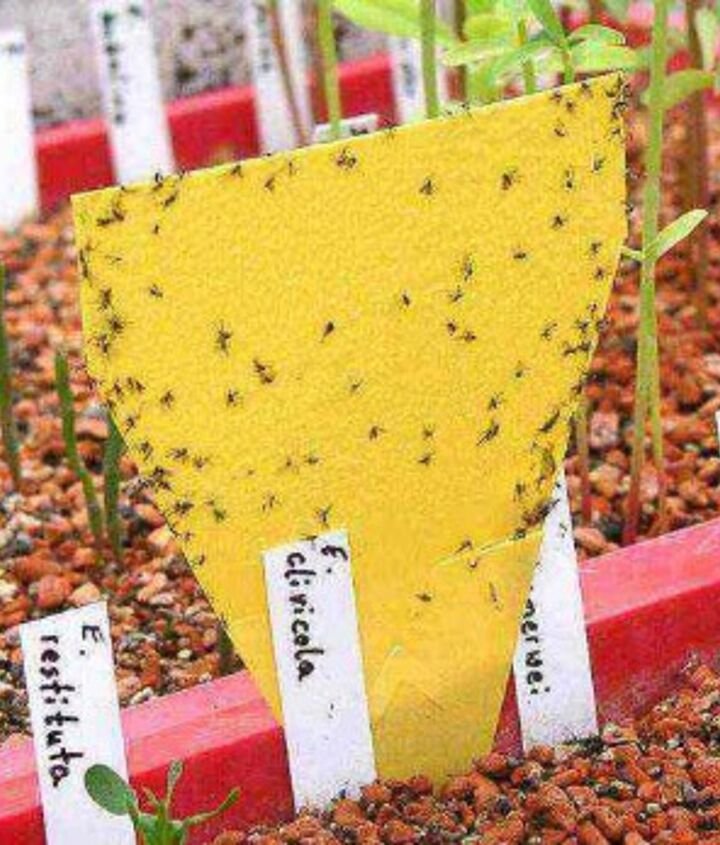
A simple test helps you narrow it down. Place a yellow sticky trap near the worst area for 24 to 48 hours. If the trap catches the most gnats near one planter or bed, that spot is likely the main breeding zone. This saves time and prevents you from treating the entire yard when only one area is causing the problem.
What garden gnats usually like
- Moist, compact soil
- Decaying leaves and plant debris
- Heavy mulch that stays wet for days
- Compost that is too damp
- Low spots where water collects after rain
One thing many gardeners miss: gnats are often a symptom, not the real problem. If you keep seeing them, the deeper issue is usually poor drainage, overwatering, or too much organic matter sitting wet for too long.
Dry out the breeding areas
If you want a natural solution that actually works, reduce moisture first. This is the most effective step in most cases, and it often cuts the population faster than sprays or homemade mixtures.
Start by letting the top 1 to 2 inches of soil dry before watering again. For many containers, that means watering less often but watering more deeply. In the ground, check whether the soil feels soggy several inches down. If it does, pause watering until the surface and root zone begin to dry.
Improving drainage matters just as much as reducing watering. Raise pots off the ground, empty saucers after watering, and loosen compacted soil where possible. If one bed holds water after rain, consider adding compost to improve structure or creating a slight slope so water runs away instead of sitting in place.
Small changes that make a big difference
- Water early in the day so the surface dries faster
- Skip frequent light watering; it keeps the top layer damp
- Use pots with drainage holes only
- Remove plant saucers that hold standing water
- Thin out thick mulch if it stays wet for days
Another useful trick is to move houseplants or container plants outdoors only after they have dried properly. Wet potting mix can become a gnat nursery very quickly, especially in warm weather. A dry top layer is one of the simplest natural barriers you can use.
Use traps to reduce the adults
Drying the source stops new generations, but traps help reduce the adults you already see flying around. That makes the problem feel more manageable while your long-term fixes start working.
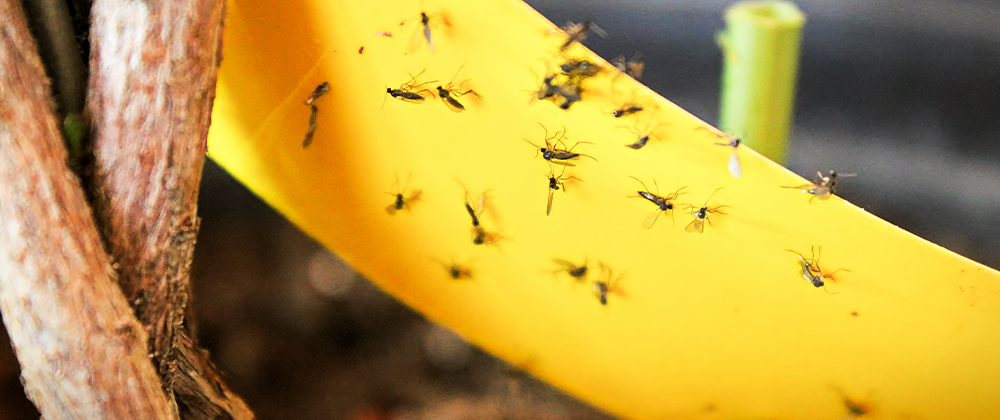
Yellow sticky traps are one of the easiest options. Gnats are attracted to bright yellow, and the sticky surface catches them. Place traps close to the soil surface near affected pots or beds, but not so close that they touch leaves or flowers. Replace them when they fill up or lose stickiness.
You can also use a simple homemade trap indoors or in a sheltered garden area. A shallow dish with apple cider vinegar and a drop of mild soap can attract and trap some flying gnats. This works best for small infestations, not severe outdoor outbreaks. The soap breaks the surface tension so the insects sink instead of landing and escaping.
Credit: hometalk.com
How to use traps well
- Place traps near the worst breeding area first.
- Check them daily for the first 3 to 5 days.
- Move traps if one area catches far more gnats than others.
- Keep them away from pets and children.
- Use them as support, not as the only solution.
Traps are useful, but they are not the whole answer. A common mistake is to keep adding more traps while leaving wet soil unchanged. That only catches part of the adult population. The next wave still hatches if the breeding site remains active.
Break the life cycle in soil and compost
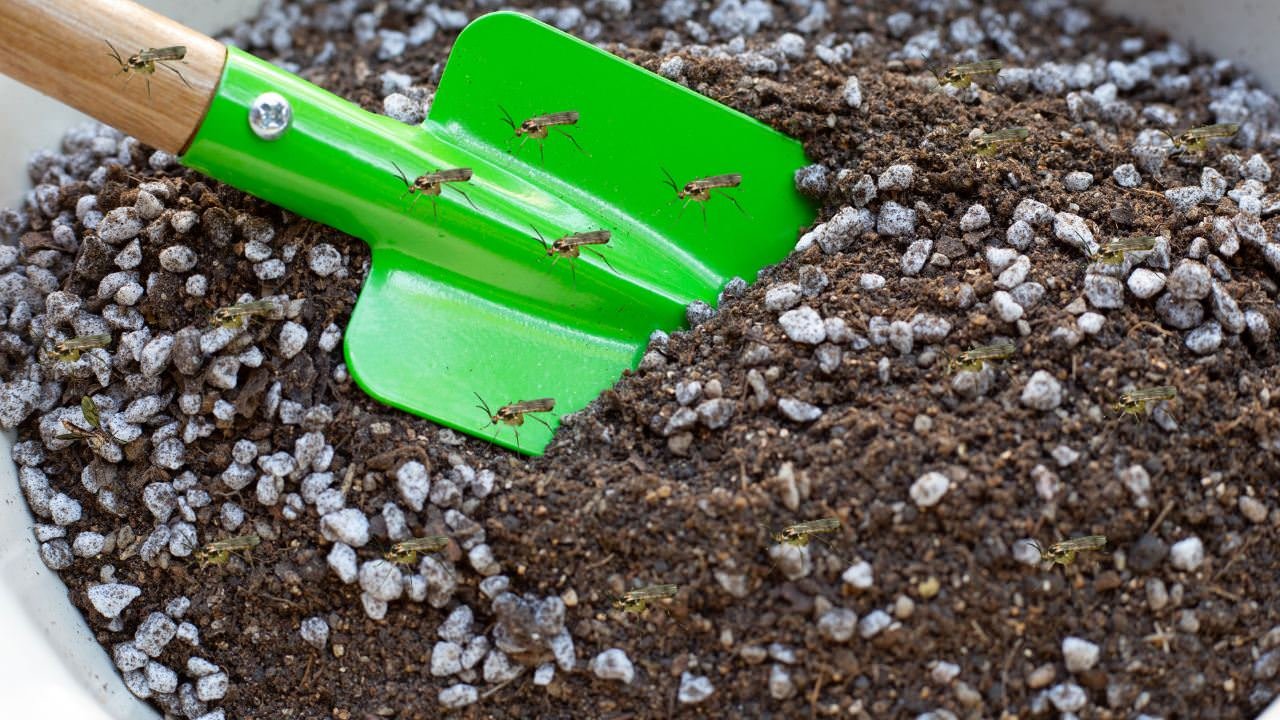
Garden gnats often live in the first layer of soil or in wet compost, where they feed on decaying organic material. If you disrupt that environment, you make it much harder for them to reproduce.
One natural method is to let the top layer of soil dry and then gently scrape off dead plant debris. Do not leave fallen leaves, moldy fruit, or rotting stems sitting on the surface. That material acts like a food source and a hiding place at the same time.
For compost, the goal is balance. If a pile smells sour or feels soggy, it usually has too much moisture and too much “green” material like fruit scraps or fresh grass clippings. Add dry browns such as shredded cardboard, dry leaves, or straw. Turn the pile so air can move through it. Gnats hate a pile that heats up and dries properly.
If the infestation is around potted plants, you can also remove and replace the top 1 inch of soil with fresh, dry potting mix. This is especially useful when gnats keep returning from one container. Be gentle with roots, and avoid disturbing plants too much during hot weather.
Why the top layer matters so much
The first inch of soil is where many eggs and larvae stay active. That is why surface cleanup works better than people expect. Even a small change, like removing decaying leaves or top-dressing with dry material, can lower activity enough to stop the cycle.
In a healthy garden, a little organic matter is good. But wet, decomposing material sitting in one place for days is a problem. The difference is not “organic” versus “not organic.” The real issue is moisture plus decay.
Try safe natural controls that support the garden
Some natural controls can help without damaging plants or helpful insects, as long as you use them carefully. They work best when you already fixed the moisture problem and want extra support.
One option is neem-based treatment for soil pests, but use it sparingly and follow label directions exactly. Another option is beneficial nematodes, which are microscopic organisms that attack certain soil-dwelling larvae. These are often used in gardens because they can target pests below the surface without leaving harsh residues. For general safe garden advice, your local university extension guide is a strong place to check for plant-safe recommendations.
Some gardeners also use a light layer of sand or dry diatomaceous earth on top of dry potting soil. This can make the surface less friendly for egg-laying and crawling larvae. However, it only works when the surface stays dry. If the layer gets wet, its effectiveness drops fast.
What works best, and what is less useful
| Method | Best use | Important limit |
|---|---|---|
| Yellow sticky traps | Reducing flying adults | Does not stop breeding source |
| Drying soil | Stopping egg-laying and larval growth | Takes a few days to show results |
| Beneficial nematodes | Targeting soil larvae | Must be applied under proper conditions |
| Sand or dry top dressing | Making the surface less inviting | Works poorly if the surface stays wet |
Non-obvious insight: the best natural control is often a combination, not one magic fix. Dry soil plus cleanup plus traps usually beats any single treatment. That approach also keeps you from over-treating the garden, which can create new problems.
Prevent gnats from coming back
Once the current infestation is down, prevention is easier than people think. Small habits matter more than strong treatments at this stage. If the environment stays less friendly to gnats, they will not keep rebuilding their numbers.
Start with watering habits. Most garden plants do better with deep, less frequent watering than with small daily watering. If you are unsure, check the soil with your finger or a simple moisture meter before watering again. Containers usually need more attention than ground beds because they dry unevenly.
Keep the garden clean but not sterile. Remove dead leaves, fallen fruit, and mushy plant debris before it starts to decay. Refresh mulch only when needed, and do not pile it thickly against stems. In rainy periods, check for places where water sits for more than a day.
Credit: mycityplants.com
Prevention habits that actually hold up
- Water only when the top layer begins to dry
- Improve airflow around dense plants
- Empty all water-holding trays and containers
- Turn compost regularly
- Inspect new pots and potting mix before use
Another smart step is quarantine for new plants. Fresh potting soil or newly purchased plants can bring gnats into the garden. Keep new additions separate for a week or two, if possible. That gives you time to spot problems before they spread.
Also watch nearby areas outside the garden. Clogged gutters, wet trash bins, and shaded puddles can support gnats even if your beds look fine. Garden pest control is often about the whole space, not just the planting area.
How to get rid of garden gnats without harming plants
The safest way to how to get rid of garden gnats naturally is to focus on the environment, not just the insects. That means drying the soil, removing decaying material, using traps to lower adult numbers, and only adding extra controls when needed.
Plants usually recover well when the gnat problem is handled early. In fact, many plants do better once excess moisture is reduced. Overwatering can cause weak roots, yellow leaves, fungus problems, and poor growth. So the same steps that reduce gnats often improve plant health too.
What does not work well is panic treatment. Spraying random products, soaking soil repeatedly, or covering everything in moisture-heavy mixtures can make the problem worse. Keep your changes simple, targeted, and consistent for at least 2 to 3 weeks. That gives you time to break the life cycle and see real improvement.
If you remember only one thing, remember this: gnats are easy to remove when you cut off their breeding conditions. Once the soil dries, debris is gone, and traps reduce the adults, the garden becomes much less attractive to them. That is the most reliable long-term fix.
Credit: plantperfect.com
FAQs
How long does it take to get rid of garden gnats naturally?
Most people see fewer adults within a few days if they dry out the soil and use traps. Full control usually takes 2 to 3 weeks because you need to break the egg-to-adult cycle.
Do garden gnats damage plants?
Adult gnats usually do little direct damage, but their larvae can bother roots in very wet soil. The bigger problem is that gnats often point to overwatering or poor drainage, which can hurt plants more than the insects themselves.
Will cinnamon or vinegar solve the problem on its own?
No. These may help a little in small cases, but they do not replace drying the soil and cleaning up breeding spots. If the source stays wet, the gnats usually come back.
Can I use beneficial nematodes in flower beds and pots?
Yes, if the product is labeled for the pest you are targeting and the soil conditions are right. They work best when applied to moist soil, then kept from drying out too fast right after application.
What is the fastest natural fix for a bad gnat problem?
The fastest fix is usually to stop watering too often, remove decaying material, and set sticky traps near the worst area. That combination attacks both the breeding source and the flying adults at the same time.