
Whiteflies can turn a healthy garden into a sticky mess fast. If you want to know how to get rid of whiteflies in garden spaces without harsh chemicals, the good news is that natural control can work very well when you act early and stay consistent.
These tiny pests hide under leaves, suck plant sap, and leave behind honeydew that can lead to sooty mold. The best results come from a mix of quick action, simple cleanup, and steady prevention. You do not need one perfect trick. You need the right sequence.
Below, you will find proven natural control tips, what works best on different plants, and the common mistakes that let whiteflies come back. You will also learn how to tell whiteflies apart from other pests, so you treat the real problem instead of wasting time.
First, confirm that whiteflies are really the problem
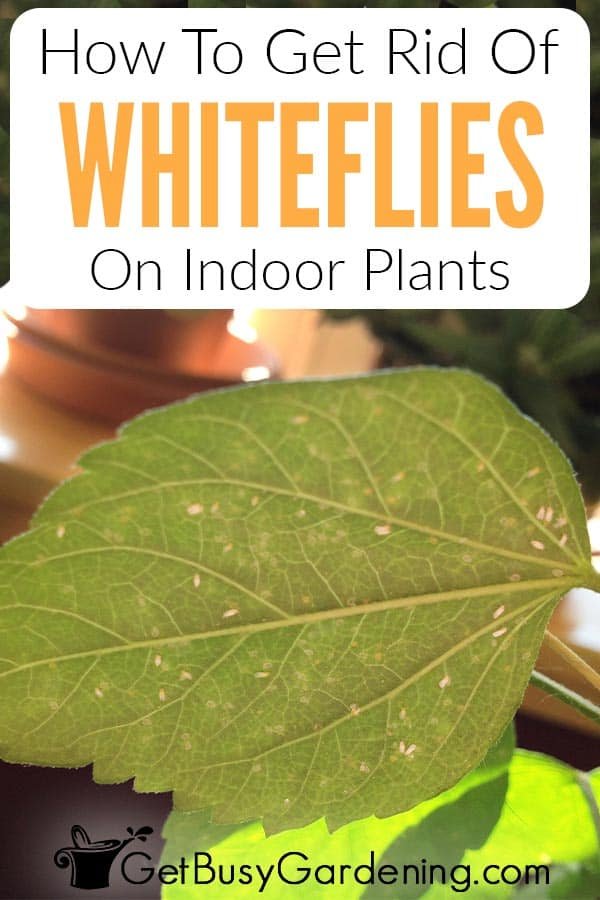
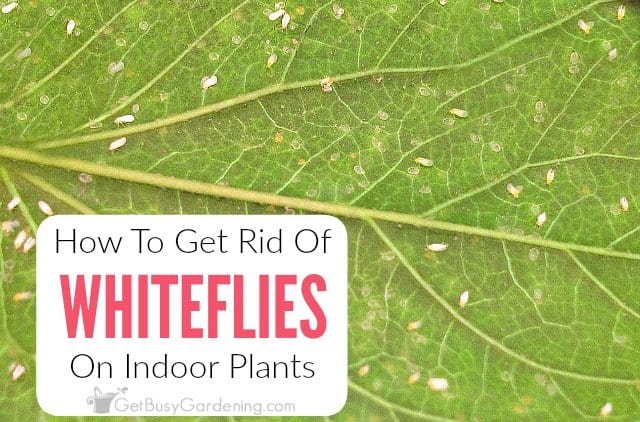
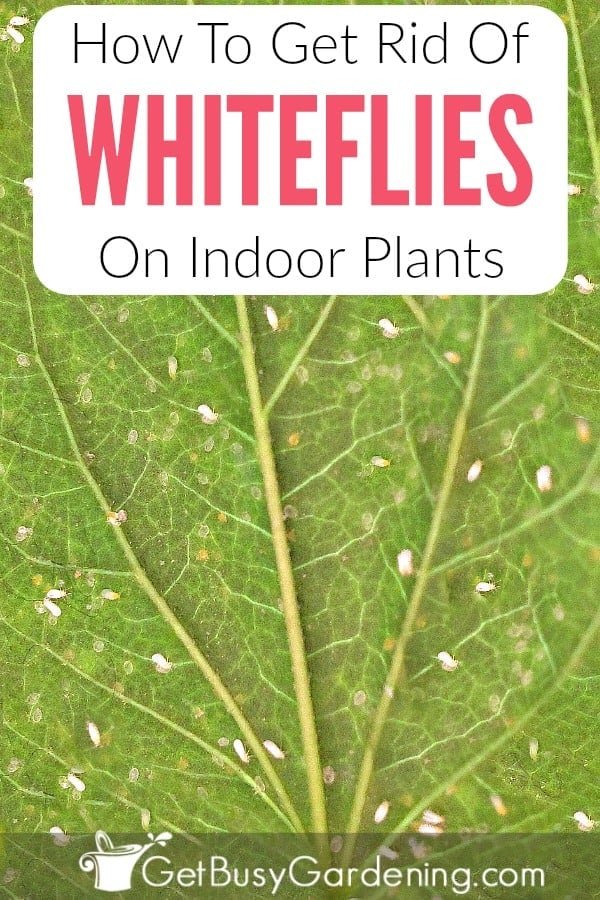
Before you spray or remove anything, make sure you are dealing with whiteflies. Many gardeners confuse them with tiny moths, fungus gnats, or aphids. Whiteflies are small, white, winged insects that usually gather on the underside of leaves. When you disturb the plant, they fly up in a small cloud.
The most common signs are yellowing leaves, sticky surfaces on leaves or nearby furniture, and black sooty mold. That sticky layer is honeydew, which whiteflies leave behind after feeding. On vegetable plants, you may also notice slow growth and weak stems, especially when the infestation is heavy.
A simple test helps. Hold a leaf and shake it gently. If a cluster of tiny white insects rises quickly, whiteflies are likely the issue. Check the undersides of the top, newest leaves first. Whiteflies often prefer tender growth.
Why early detection matters
Whiteflies reproduce quickly. A small problem can become a large one in just a few weeks, especially in warm weather. One female can lay dozens of eggs, and several generations can overlap at once. That is why waiting too long makes control harder.
Early action also means you can rely more on natural methods. Once populations explode, you may need repeated treatment and stronger intervention. Catching them early saves time, protects pollinators, and reduces plant stress.
Remove the worst-infested leaves and reduce the population fast
The first practical step is physical removal. If some leaves are heavily covered with eggs, nymphs, or adults, prune them off and discard them in the trash. Do not compost badly infested material unless your compost gets hot enough to destroy pests.
For smaller infestations, gently wipe the undersides of leaves with a damp cloth or gloved hand. This works best on sturdy plants like peppers, tomatoes, citrus, and many ornamentals. You will not remove every insect this way, but you can cut the population enough to help other methods work better.
Use a strong spray of plain water on the undersides of leaves. A hose with a gentle but firm stream can knock off many adults and immature stages. Do this in the morning so leaves dry before night. Wet leaves late in the day can raise disease risk.
Prune for air and light
Whiteflies love dense, crowded growth. If a plant is too bushy, airflow drops and the underside of leaves stays protected. Thin out a few inner stems so air and light can move through the plant more easily.
This does not just help with whiteflies. It also lowers the chance of fungal problems. Better airflow makes every other control method stronger because sprays reach more leaf surfaces.
Use insecticidal soap and neem oil the right way
For many home gardens, insecticidal soap and neem oil are the best natural tools. They work best when sprayed directly on the pests, especially on the undersides of leaves. They do not usually solve the problem in one treatment, but they can reduce whitefly numbers sharply when used correctly.
Insecticidal soap breaks down the soft outer layer of the insect. It works on contact, so complete coverage matters. Neem oil can disrupt feeding and growth and may also help reduce egg laying. Neem is not a magic cure, but it is useful in a repeated program.
Always test any spray on a small leaf area first. Some plants are sensitive, especially in hot weather. Spray in the early morning or late evening, not under strong midday sun. Heat plus spray can burn leaves.
| Natural treatment | Best use | Main limitation |
|---|---|---|
| Insecticidal soap | Fast knockdown of soft-bodied whiteflies on contact | Must touch the insect directly |
| Neem oil | Repeated control and suppression of feeding | Works slowly and needs full coverage |
| Water spray | Quick reduction of adults and loose nymphs | Temporary if used alone |
How to spray for better results
Spray the underside of every leaf, not just the top. Whiteflies hide where the spray often misses. Use enough liquid to coat the leaf, but do not drench the plant until it drips heavily.
Repeat treatment every 5 to 7 days for at least 2 to 3 rounds. That timing matters because you want to catch newly hatched whiteflies before they mature and lay more eggs. One treatment almost never ends the problem.
If your plant has delicate leaves, use a lighter mix and smaller test area first. Some herbs and tender ornamentals react more easily than tough garden plants.
For official general guidance on safe home pesticide use, the EPA safe pesticide use guidance is a useful reference.
Bring in natural enemies and make the garden less friendly to whiteflies
One of the smartest ways to control whiteflies is to let nature help. Beneficial insects like lady beetles, lacewings, and parasitic wasps can reduce whitefly numbers over time. These helpers work best when you avoid broad sprays that kill both pests and good insects.
Planting a more balanced garden also helps. Whiteflies are attracted to stressed plants, too much soft new growth, and crowded spaces. Healthy plants are not immune, but they resist damage better and recover faster.
Credit: getbusygardening.com
What attracts whiteflies in the first place
Whiteflies often show up when plants are overfertilized with nitrogen. This creates soft, tender growth that they love. Fast-growing leaves may look healthy, but they can actually make feeding easier for pests.
Overwatering can also weaken roots and reduce plant defense. Dry, stressed, or overfed plants are all more likely to become targets. A steady watering schedule and balanced feeding are better than pushing growth too hard.
Simple garden changes that help
- Space plants so air moves freely.
- Avoid too much nitrogen fertilizer.
- Remove weeds near the garden edge.
- Inspect new nursery plants before bringing them home.
- Keep dust off leaves when possible, since dusty plants attract more pests.
Yellow sticky traps can help you monitor adult whiteflies. Place them near affected plants, but not so close that they trap large numbers of helpful insects. They are best used as a monitoring tool, not the main solution.
Protect vegetables, ornamentals, and houseplants with the right approach
Not every plant should be treated the same way. Tomatoes and peppers can usually handle repeated soap or neem sprays if used carefully. Tender ornamentals may need gentler application. Houseplants need extra caution because indoor air circulation is poor and pests can spread from one pot to another very quickly.
On vegetables, remove the worst leaves first, then spray the rest thoroughly. Check again every few days. On flowering plants, avoid spraying open blooms whenever possible because that can disturb pollinators. On houseplants, isolate the infested pot immediately so whiteflies do not move to nearby plants.
One detail many people miss: whitefly eggs and nymphs sit close to the leaf surface and are easy to overlook. Adults are only part of the problem. If you only kill the flying insects, the next wave can still hatch and restart the cycle.
Indoor plants need extra isolation
If you find whiteflies on a houseplant, move it away from other plants before treatment. Vacuuming the adults with a handheld vacuum can help in severe cases, but do it gently so you do not damage the plant. After that, follow with soap or neem on the leaf undersides.
Also check windowsills, nearby curtains, and plant stands. Whiteflies can gather on surfaces near infested pots. A small indoor outbreak often spreads because the first infected plant stays too close to the rest.
A simple control plan that works in real gardens
If you want a practical answer to how to get rid of whiteflies in garden beds, use this order: remove badly infested leaves, wash the plant, spray with soap or neem, then monitor and repeat. That sequence gives you fast reduction first and longer control second.
- Inspect the undersides of leaves and identify the worst plants.
- Prune off heavily infested leaves or stems.
- Spray the plant with a strong water stream.
- Apply insecticidal soap or neem oil to both sides of leaves.
- Repeat every 5 to 7 days for 2 to 3 rounds.
- Use sticky traps to monitor adult activity.
- Improve spacing, watering, and plant nutrition to prevent return.
This plan works because it attacks several life stages at once. It also reduces the chance that one missed step will fail the whole effort. The biggest mistake is treating once and assuming the problem is gone.
A second non-obvious point: timing matters more than product strength. A weaker treatment used consistently is often better than a stronger one used only once. Whiteflies reproduce quickly, so your follow-up schedule matters a lot.
Credit: getbusygardening.com
Common mistakes that make whiteflies come back
Many gardeners think the spray failed, when the real issue is the way it was used. Spraying only the top of leaves misses most of the pest population. Whiteflies live and feed mainly on the underside, where they are protected from direct contact.
Another mistake is spraying in hot sun. This can damage leaves and make the plant weaker, which gives whiteflies an advantage. A third problem is using too much fertilizer, especially high-nitrogen feeds. That creates the tender growth whiteflies prefer.
Do not ignore nearby weeds and volunteer plants either. These can act like host plants and keep the infestation alive. If whiteflies have a place to hide, they can move back into your main garden after treatment.
When natural control is not enough
If an infestation is severe and keeps spreading after several treatments, you may need to reassess the plant’s condition. Very weak plants sometimes never fully recover. In that case, removing the plant can protect the rest of the garden.
For edible crops, always follow product labels exactly and avoid using anything not approved for the plant type. If you are unsure about treatment safety, check the label first and use only products meant for home garden use.
Keep whiteflies from returning next season
Prevention is easier than recovery. Start with clean planting habits. Inspect seedlings, nursery plants, and transplants before they enter the garden. One infested plant can seed a much larger problem in just a short time.
At the end of the season, clean up plant debris and remove spent annuals that held pests. Whiteflies do not always survive freezing conditions well outdoors, but in warmer areas and protected spaces they can persist on living plants. Do not leave a “bridge” of host plants if you can avoid it.
Rotate crops when possible, especially in vegetable beds. While whiteflies can feed on many plants, rotation still helps reduce repeated pest pressure. Keep records of where infestations were worst so you can watch those spots earlier next season.
The last useful insight is simple: consistency beats panic. Gardeners who inspect once a week usually catch whiteflies early enough to control them with natural methods. Those who wait until leaves are sticky and yellow often need much more work.
Final thoughts on getting control back
The best way to handle whiteflies is to combine removal, spraying, and prevention instead of relying on one quick fix. If you are learning how to get rid of whiteflies in garden settings, focus on the leaf undersides, repeat treatments on a schedule, and keep plants less crowded and less stressed.
Natural control works when you stay consistent. A few well-timed actions can stop a small infestation before it becomes a season-long problem, and healthy garden habits make future outbreaks much less likely.
Credit: getbusygardening.com
Frequently asked questions
1. What kills whiteflies naturally the fastest?
Insecticidal soap usually gives the fastest natural knockdown because it works on contact. A strong water spray can also remove many adults right away, but it works best when followed by soap or neem oil.
2. How often should I spray for whiteflies?
Repeat sprays every 5 to 7 days for 2 to 3 rounds. This helps you catch newly hatched pests before they become adults and lay more eggs.
3. Can whiteflies live on indoor plants?
Yes. Indoor plants are often more vulnerable because air movement is lower and pests can spread from one pot to another. Isolate the plant as soon as you notice whiteflies.
4. Will sticky traps get rid of whiteflies completely?
No. Sticky traps help you monitor and reduce adult numbers, but they do not reach eggs or nymphs on the leaves. They work best as part of a full control plan.
5. Why do whiteflies keep coming back after I spray?
They often return because the spray missed the leaf undersides, the treatment was not repeated, or nearby plants were still infested. Overfertilizing with nitrogen can also encourage new whitefly outbreaks.