
Squash bugs can ruin a healthy garden fast, and the best how to get rid of squash bugs in garden plan starts before the damage gets severe. These pests suck sap from squash, pumpkin, zucchini, and other cucurbits, then leave leaves wilted, spotted, and weak.
The good news is that natural control can work well if you act early and stay consistent. You do not need harsh chemicals to protect most plants. You do need fast inspection, simple daily habits, and a mix of removal, barriers, and timing that fits the bug’s life cycle.
Here is the practical part: once you know what to look for, squash bug control becomes much easier. You will see how to identify them, stop them from spreading, use organic treatments the right way, and reduce the chance they come back next season.
Know exactly what you are fighting
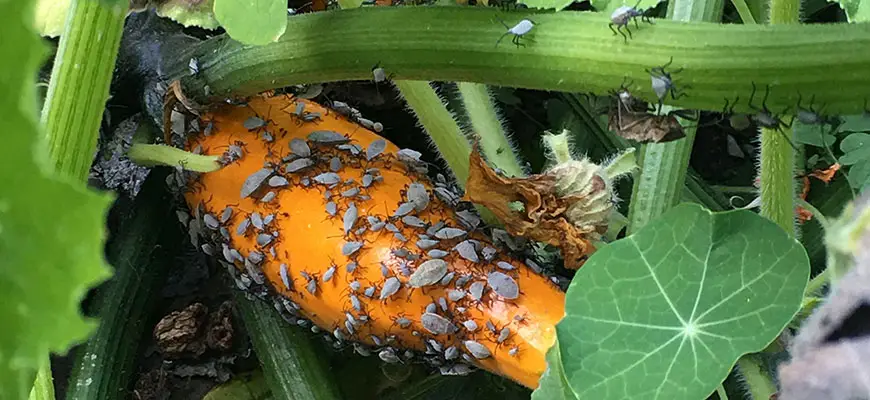
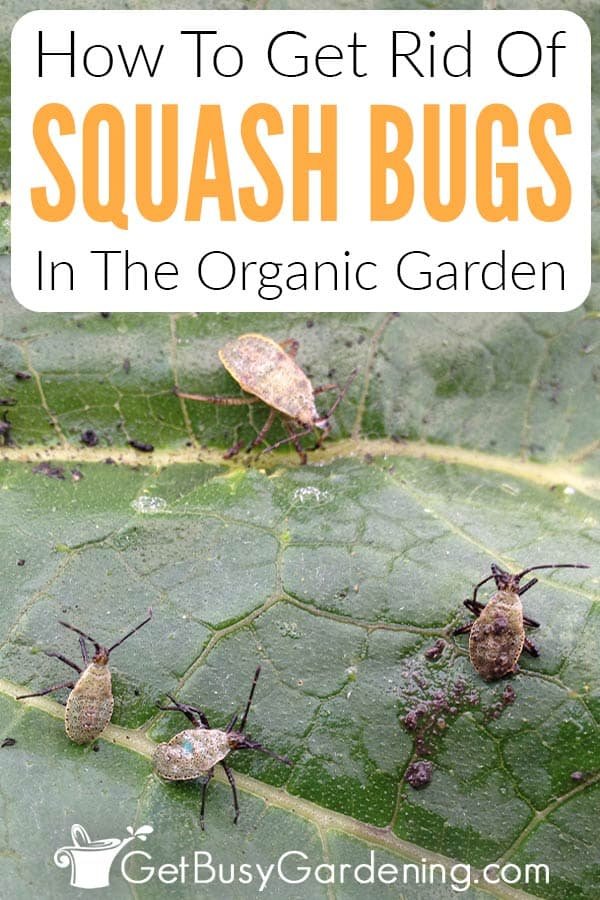
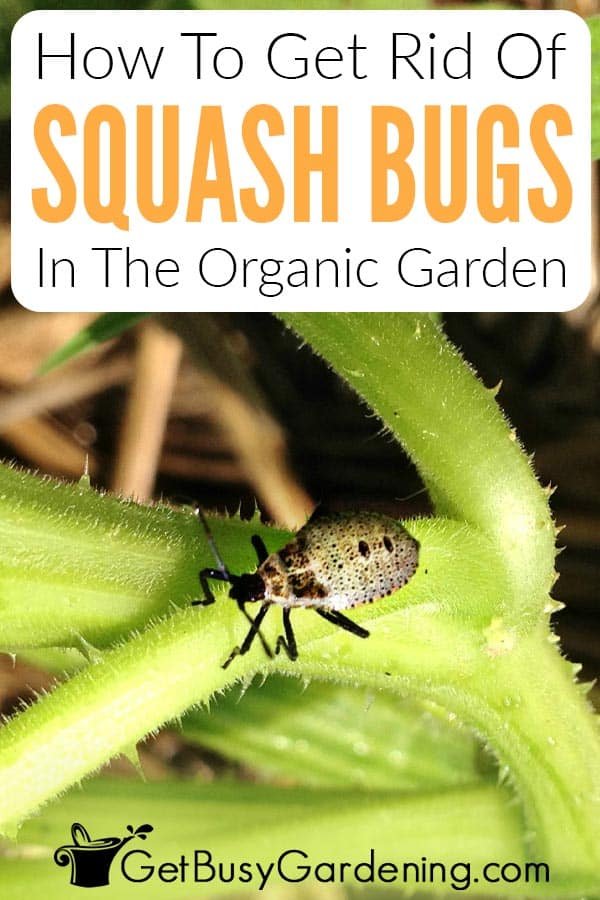
Before you treat squash bugs, make sure that is really the pest in your garden. Squash bugs are flat, brownish insects with a shield-like body. Adults are about 5/8 inch long, and the nymphs are smaller, gray to light green, and often gather in groups on leaf stems and undersides of leaves.
The damage is usually easy to spot. Leaves may develop yellow dots, then turn brown and crispy. Plants may wilt even when the soil is moist, because the bugs feed on the plant’s sap and weaken the flow of water inside the stems.
One thing many gardeners miss is that the eggs matter just as much as the adults. Eggs are copper-colored or bronze and laid in neat rows, usually on the underside of leaves. If you remove those egg clusters early, you stop dozens of new bugs before they hatch.
How to tell squash bugs from similar pests
Do not confuse squash bugs with cucumber beetles or stink bugs. Cucumber beetles are usually yellow with black stripes or spots and have a more beetle-like body. Stink bugs are more rounded and often release a strong odor when disturbed.
Squash bugs also behave differently. They often hide near the base of the plant, under leaf stems, or around mulch and debris. If you see large groups of nymphs clustered on one plant, that is a strong clue.
Why early detection matters so much
Squash bugs can move from annoying to destructive in a short time. A small infestation in spring can become a major problem by midseason if eggs keep hatching. One female can lay many eggs over several weeks, so the population grows fast when no one interrupts it.
That is why the most effective natural control is not one spray or one trick. It is a repeated system that targets eggs, nymphs, adults, and overwintering sites.
Use a layered natural control plan
If you want real results, use more than one method. The strongest organic approach combines hand removal, physical barriers, plant cleanup, and targeted treatment. This is the core of how to get rid of squash bugs in garden beds without depending on broad chemical sprays.
Start with the easiest wins. Remove eggs, kill nymphs before they mature, and make the plant less attractive to adults. These steps work better together than alone.
1. Check plants every day during peak season
Inspect squash plants at least once a day in warm weather. Look at the undersides of leaves, the main stems, and the soil line near the crown. Early morning is often best because bugs are slower and easier to spot.
Use your fingers or a piece of tape to remove eggs. You can also scrape them off with a knife edge or card. Drop them into soapy water or crush them.
2. Hand-pick adults and nymphs
For small gardens, hand-picking is still one of the most effective tools. Wear gloves and look under leaves and along stems. Adults can be dropped into a container of soapy water.
Nymphs are often easier to kill than adults because they cluster together. If you see a group, act immediately. Waiting even a few days can mean a fresh wave of bugs on the same plant.
3. Use row cover at the right time
Floating row cover can block adults from laying eggs on young plants. Use it early in the season, before bugs arrive or before plants begin flowering. Once plants need pollinators, you must remove the cover during bloom or pollinate by hand.
Row cover works best on seedlings and young transplants. It is less useful once plants are already heavily infested, because bugs may already be inside the planting area.
4. Remove plant debris and hiding spots
Squash bugs love shelter. Dead vines, boards, thick mulch right against the stem, and weedy edges all give them places to hide. Clean garden beds after harvest and keep the area tidy during the season.
This matters more than many gardeners realize. Adult squash bugs often overwinter in debris near the garden. If you remove hiding places, you reduce next year’s infestation before it starts.
5. Trap and destroy eggs before hatch time
Egg removal is one of the biggest differences between a mild problem and a serious one. Check leaves for bronze egg clusters every 2 to 3 days during peak pressure. If you find them early, the population drops much faster.
Many gardeners only treat the visible adults, but eggs are the real multiplier. Missing just a few clusters can restart the infestation within a week or two.
Choose organic treatments that actually help
Not every organic product works well against squash bugs. Some only give short-term control, and others work best on young nymphs, not adults. That is why timing matters as much as the product itself.
For most home gardens, insecticidal soap, neem-based sprays, and diatomaceous earth can help when used correctly. None of them are magic. They work best when you combine them with hand removal and regular scouting.
Credit: learn.hydrobuilder.com
Insecticidal soap for soft-bodied nymphs
Insecticidal soap can help on young nymphs because their bodies are softer and more vulnerable. Spray directly on the bugs, especially on leaf undersides and stem joints. You need direct contact for good results.
Do not expect it to solve a large adult infestation by itself. It is a contact tool, not a long-lasting shield. Reapply only as directed on the label, especially after rain or heavy watering.
Neem-based sprays for repeated pressure
Neem products may help reduce feeding and slow development. They can be useful in a steady control plan, especially when nymphs are active. But they should not be sprayed blindly across the garden every day.
Use them in the evening to reduce risk to pollinators, and follow the product label carefully. For home gardeners, label directions matter more than internet tips.
Diatomaceous earth around stems and shelters
Diatomaceous earth can help in dry conditions by damaging insect bodies as they crawl over it. Sprinkle a light layer around hiding areas, not in thick piles. If it gets wet, it loses much of its effect.
Use it as a support tool, not the main solution. It works best when bugs must cross treated areas to reach the plant or return to cover.
| Tactic | Best use | Main limitation |
|---|---|---|
| Hand-picking | Small infestations and egg clusters | Time-consuming |
| Row cover | Protecting young plants | Must be removed for pollination |
| Insecticidal soap | Young nymphs on contact | Poor on hidden adults |
| Neem spray | Ongoing pressure and repeated feeding | Needs careful timing |
| Diatomaceous earth | Dry crawl routes and hiding spots | Less effective when wet |
Protect your plants with smart garden habits
Healthy gardening habits can make a big difference, even before the first bug appears. Squash bugs often attack stressed plants more aggressively. If your plants already struggle with poor soil, uneven water, or crowding, the damage can look worse and spread faster.
Give squash and zucchini enough space for air flow. Overcrowded leaves create shelter for pests and make inspection harder. Water at the base of the plant, not on the leaves, so the bed stays cleaner and easier to monitor.
Rotate crops when you can
Do not plant squash in the same spot year after year if you can avoid it. Crop rotation helps reduce pest buildup in the soil and in nearby debris. Moving cucurbits to a different area can make life harder for overwintered adults.
A 2- to 3-year rotation is a practical target for home gardens. That alone will not eliminate squash bugs, but it lowers pressure over time.
Use companion plants carefully
Some gardeners try companion planting to confuse pests. While this may not stop squash bugs completely, mixed planting can help make the garden less obvious and may support beneficial insects.
Plants that attract beneficial predators, like flowering herbs, can improve the overall balance in the garden. Still, do not rely on companions alone. They support control, but they do not replace direct action.
Keep the base of the plant visible
Mulch can be helpful for moisture, but thick mulch packed against the stem gives squash bugs a hiding place. Leave some space around the crown so you can inspect the base easily. This also makes it easier to spot wilting, egg clusters, and nymph groups.
A clean plant base is a small change that pays off. It improves scouting, helps treatments reach the right spot, and reduces the places bugs can hide during the day.
Stop the population from returning next season
One of the best secrets in squash bug control is this: if you only fight them in summer, you are always behind. The real long-term win is breaking the cycle before the new season begins.
Squash bugs often overwinter in protected areas near the garden, such as dead vines, boards, leaf litter, and garden edges. If you clean those areas in fall, you reduce the number of adults ready to attack next year.
Credit: getbusygardening.com
Remove infested vines after harvest
When squash plants finish producing, pull them out promptly. Do not leave dead vines on the ground for weeks. Those stems can shelter bugs until they move elsewhere or survive the winter nearby.
Bag the material if it is heavily infested. If your local rules allow composting, only compost material that has fully broken down in a hot, managed compost system. Shallow backyard piles often do not get hot enough.
Watch the garden edges
Squash bugs do not only live in the crop row. They can hide in fence lines, tall weeds, boards, stone edges, and nearby debris. Clearing these areas can reduce the local population more than many gardeners expect.
If you have had repeated infestations, spend extra time on edges and corners. That is where survivors often wait until the next planting starts.
Use a quick spring inspection routine
In spring, check transplants and nearby soil before the plants get large. Look for adults hiding under mulch, near boards, and around old plant residue. Early control in the first 2 to 4 weeks after planting can prevent a much bigger problem later.
For safety and pesticide guidance, the EPA guidance on safe pest control is a useful reference when you are choosing and using any garden treatment.
Common mistakes that make squash bug control fail
Many gardeners do everything in the wrong order. They spray first, then look for eggs later. They remove some adults but leave infected debris in place. They wait until the leaves are badly wilted, when the plant is already under heavy stress.
Another common mistake is spraying without checking where the bugs are hiding. If you only spray the top of the leaves, you miss the eggs and nymphs underneath. Squash bugs stay close to the stems, so the lower plant zone needs attention.
Do not depend on one treatment
A single spray rarely fixes an infestation. Squash bugs have overlapping life stages, so one method may hit only part of the population. That is why integrated control works better than a “one and done” approach.
Think in layers: remove eggs, kill nymphs, block adults, clean debris, and repeat. The garden stays safer when you keep pressure on the population instead of reacting once in a while.
Do not wait for visible plant collapse
By the time a plant is fully wilted, the damage may already be severe. Some squash plants can recover from light feeding, but heavy infestations can reduce fruit production and shorten the harvest window.
Catch the pest while the leaves still look mostly healthy. That gives you the best chance to keep the plant productive.
A simple action plan for the next 7 days
If you want a clear starting point, use a short daily routine. It keeps the work manageable and prevents the problem from slipping out of control. Most gardeners see better results when they stick to a repeatable habit instead of random treatment.
- Inspect the underside of leaves and the base of each plant every morning.
- Remove egg clusters immediately and drop them into soapy water.
- Hand-pick adults and nymphs you can reach easily.
- Apply a contact organic treatment only where bugs are present.
- Clear weeds, dead leaves, and hiding spots near the bed.
- Check again 48 hours later and repeat the process.
This simple routine is often enough for light to moderate infestations. For heavier pressure, keep the same steps going longer and add row cover to future plantings.
The main goal is not perfection. The goal is to keep numbers low enough that the plants can keep growing and producing.
Credit: getbusygardening.com
Final thoughts on long-term control
The most effective how to get rid of squash bugs in garden strategy is a mix of prevention, early detection, and steady follow-through. If you only react after the damage is obvious, you will always feel behind. If you scout early, remove eggs, and clean up hiding spots, you can protect most home garden plants without harsh measures.
Focus on the habits that break the bug cycle. Daily inspection, prompt egg removal, and clean fall cleanup do more than any single product. That is what keeps squash bugs from turning one good planting into a weak, damaged one.
FAQs
How do I know if I have squash bugs or something else?
Look for flat, brown adults, bronze egg clusters on leaf undersides, and groups of gray nymphs near stems. Squash bugs usually cause yellow spotting, wilting, and leaf decline on squash-family plants.
What is the fastest natural way to reduce squash bugs?
Remove eggs by hand, drop adults into soapy water, and check plants daily. Fast control usually comes from repeated scouting, not from one spray alone.
Will neem oil kill squash bugs?
Neem-based sprays may help, especially on young nymphs, but they do not solve every infestation. They work best as part of a larger control plan that includes hand removal and cleanup.
Can I save a plant that already has squash bug damage?
Sometimes, yes. If the plant still has healthy growth and you remove the bugs quickly, it may recover enough to keep producing. Severely wilted plants may not bounce back well.
How can I prevent squash bugs next year?
Remove dead vines, clear debris, rotate crops if possible, and inspect early in spring. Reducing overwintering places is one of the best ways to lower next season’s infestation.