
If your Zetor tractor oil leaking front of motor, the most likely cause is a worn front crankshaft seal, a loose gasket, or oil coming from a higher point and running down the engine. The good news is that many leaks at the front of the motor are fixable once you find the real source.
Do not guess too fast. Oil can travel along the engine block, drip from the fan area, or collect on the clutch housing and look like a front seal problem when it is not. A careful inspection saves time, money, and a lot of unnecessary parts replacement.
Below you will find the most common causes, how to check each one, and the right fix for each situation. You will also learn which leaks can be handled in the shop and which ones should be repaired before the tractor is used again.
For wider troubleshooting context, compare this guide with Zetor Tractor Problems: Common Issues, Causes, and Easy Fixes, Zetor tractor problems, Ford 4000 hydraulic lift problems.
Find the exact leak source first
The front of a tractor engine has several places where oil can escape. On a Zetor, the leak may come from the crankshaft seal, timing cover gasket, valve cover area, oil filter base, or even a blocked breather system. A leak that looks small can become serious if the tractor is worked on steep ground or under heavy load.
Start with a clean engine. Wash off old grime so you are not chasing stale oil. Then run the tractor for 10 to 15 minutes and look with a flashlight from the top, sides, and below the front engine area. Fresh oil will show a clear wet path, while old oil usually looks dark, sticky, and spread out.
A simple trick is to dust suspected areas with talcum powder or use UV leak dye if you have it. The fresh oil path becomes much easier to see. This matters because a front leak is often blamed on the seal when the real source is 6 to 12 inches above it.
What to inspect in order
Use this order so you do not miss the common causes:
- Valve cover and upper engine area – Oil may run down the front of the block.
- Breather or crankcase vent – Excess pressure can push oil past seals.
- Oil filter housing and sending units – A bad gasket or loose fitting can drip forward.
- Timing cover area – Gasket failure often looks like a front seal leak.
- Front crankshaft seal – A very common true leak point.
If the leak is heavy, check the oil level before and after the test run. A loss of even 1 quart in a short period is a sign to stop using the tractor until the source is fixed. Running low on oil can damage bearings fast.
Common causes of oil leaking at the front of the engine
There are several reasons a Zetor tractor oil leaking front of motor problem starts. Some are simple, like a loose fitting. Others are more serious, like seal wear or crankcase pressure. The best way to solve it is to match the symptom to the cause, not replace parts at random.
| Likely cause | What you may see | How urgent it is |
|---|---|---|
| Front crankshaft seal | Oil dripping behind the pulley or fan area | High |
| Timing cover gasket | Wet seam around the front cover | Medium to high |
| Valve cover leak | Oil running down from above | Medium |
| Blocked breather | Multiple seals seeping, not just one spot | High |
| Loose oil filter or sender | Oil appears near front side of engine and spreads | Medium |
Front crankshaft seal wear
This is one of the most common causes. The front crankshaft seal spins around the crankshaft nose and keeps oil inside the engine. Over time, heat, dirt, age, and vibration harden the seal lip. Once that happens, oil can escape from behind the pulley or harmonic balancer area.
A worn seal often leaks more after the tractor has been worked hard or run for a long time. You may see oil sling on nearby parts because the pulley or fan throws the oil outward. If you find fresh oil behind the front pulley, this seal is a top suspect.
Timing cover gasket failure
The timing cover seals the front engine area and helps keep oil inside. If the gasket shrinks, cracks, or shifts, oil can leak from the seam and travel downward. This leak can look almost identical to a seal leak at first glance.
One clue is wet oil along the edge of the cover, not just at the crankshaft opening. If the cover is damaged or warped, a new gasket alone may not solve the problem. Surface condition matters more than many owners realize.
Valve cover or rocker cover seepage
Oil from the top of the engine can run forward along casting lines and then drip from the front. This is why many “front leaks” are not front leaks at all. A cracked gasket, loose bolts, or uneven cover seating can send oil down the block.
If the upper engine is oily, check there first. A leak that starts at the valve cover can make the front of the tractor look much worse than it is. Tightening bolts too much can also warp a thin cover and make the leak return.
Crankcase pressure from a bad breather
If the crankcase breather or vent is blocked, pressure builds inside the engine. That pressure pushes oil past seals and gaskets, even ones that are still in decent shape. This is a non-obvious cause that many beginners miss.
You may see more than one leak point at once. That is a clue. If the front seal, rear seal, and gasket areas all seem to seep a little, the breather may be the real problem. Fixing only one seal will not solve the root issue.
Loose fittings, filters, or senders
Oil filter bases, pressure senders, and fittings near the front of the engine can leak and then spread oil around. The leak may start above the front housing and collect at the lowest point, which makes the front of the motor look guilty.
Always check for a loose oil filter, damaged O-ring, or cracked sender unit. A fresh filter that was not tightened properly can leak immediately after an oil change. Do not assume a new part is a good part without checking its seal area.
How to diagnose the leak without removing major parts
You can learn a lot before taking the tractor apart. A careful diagnosis often tells you whether the fix is simple or whether the engine needs deeper service. The goal is to find the highest wet point, because that is usually where the leak begins.
- Clean the engine – Remove grease and old oil from the front, sides, and top of the motor.
- Check oil level – Make sure the engine is not overfilled. Too much oil can force leaks.
- Run the tractor briefly – Let it idle and then bring it up to normal operating speed.
- Inspect with a flashlight – Look at the valve cover, filter area, timing cover, and front seal zone.
- Watch for sling marks – Oil sprayed in a fan pattern usually points to a rotating part.
- Check the breather – Look for blockage, oil mist, or heavy pressure inside the vent system.
If you see oil only after running the tractor under load, heat expansion may be opening a weak seal or gasket. If it leaks even when idling, the source is usually more direct and easier to spot. A leak that appears only when parked may be slow seepage collecting over time, not an active spray.
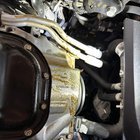
One practical test is to place clean cardboard under the engine overnight. The drip pattern can help you tell whether the leak is centered at the pulley, slightly rearward, or off to one side. That small detail can save hours of guessing.
Credit: reddit.com
Fixes that solve the problem
The right fix depends on the source. Some repairs are simple maintenance jobs. Others require front-end disassembly and special tools. The key is to fix the root cause, not just clean the mess and hope it stops.
Replace a damaged front crankshaft seal
If the front crankshaft seal is the source, replacement is usually the proper repair. This often means removing the front pulley or balancer and accessing the seal carefully. A damaged seal lip, worn shaft surface, or nicked housing can all cause repeat leaks if not handled correctly.
When installing a new seal, inspect the crankshaft surface for grooves. A groove where the old seal rode can let even a new seal leak. In some cases, a seal sleeve or repair sleeve may be needed. Use the correct install depth and keep the seal square in the bore.
Helpful repair tip
Do not pry against the seal surface or hammer it in crooked. Even a small twist can make the leak return. A seal driver or properly sized socket works much better than a screwdriver and guesswork.
Renew the timing cover gasket
If oil is escaping along the front cover seam, remove the cover and replace the gasket. Clean both mating surfaces carefully. Old gasket material, hardened sealant, or minor corrosion can prevent the new gasket from sealing.
If the cover is bent, it may need to be straightened or replaced. A gasket cannot fix a warped surface. Use sealant only where the service procedure calls for it. Too much sealant can squeeze into the engine and create a new problem.
Fix upper-engine leaks before they travel down
Replace a valve cover gasket if the top of the engine is damp. Tighten the cover evenly, not aggressively. On many engines, over-tightening is just as bad as under-tightening because it squeezes the gasket out of place.
If the oil is coming from above, do not waste time on the front seal first. A simple top-end gasket can make it look like the front of the motor is failing. This is one of the most common repair mistakes on older tractors.
Clear the breather system
If crankcase pressure is part of the problem, clean or replace the breather assembly. Check hoses for collapse, sludge, or blockage. A clean breather helps the engine breathe normally and keeps pressure from forcing oil through weak points.
This is a repair that often gets skipped. That is a mistake. A new seal will not last long if the engine is still building too much pressure inside. Think of the breather as part of the sealing system, not a separate item.
Correct oil level and service errors
Overfilling the crankcase can cause oil foaming and extra pressure. That pressure can turn a small seep into a constant drip. If the oil level is too high, drain it to the proper mark before looking for deeper issues.
Also check whether the wrong oil viscosity is being used for the climate. Oil that is too thin at operating temperature can slip past worn seals more easily. Use the grade recommended in the owner’s manual for your engine and working conditions.
For official maintenance and safety guidance, the official OSHA guidance is useful when working around machinery, rotating parts, and hot engine components.
How to prevent the leak from coming back
Stopping the leak once is good. Stopping it for good is better. Many front-engine oil leaks return because the repair fixed the symptom but ignored the wear pattern or pressure problem behind it.
Change oil at proper intervals, and do not let sludge build up inside the engine. Dirty oil can harden seals and clog breathers. Keep the front of the engine clean so you can spot a new leak early, before it spreads across belts and pulleys.
Inspect the engine after long storage periods. Tractors that sit for months often develop dry seals, and the first hard run can expose a weak spot. A 5-minute walkaround before each season can catch a small issue before it becomes a mess.
Also pay attention to belt condition and pulley alignment. Worn belts can add vibration, and vibration is hard on old seals. That is a small detail many owners overlook.
Credit: greentractortalk.com
Common mistakes that waste time and money
One big mistake is replacing the front seal before checking the breather and upper gasket areas. Another is using too much sealant on a gasket joint. A third is cleaning the engine too quickly and assuming the first wet area is the leak source.
Here are the most common errors to avoid:
- Replacing parts before finding the highest wet point
- Ignoring crankcase pressure and blocked breathers
- Over-tightening covers and squeezing gaskets out of shape
- Using the wrong seal size or installing it crooked
- Running the tractor with low oil because the leak seems “small”
Another non-obvious issue is shaft wear. If the crankshaft nose has a groove where the seal rides, a new seal may leak again very quickly. In that case, the surface needs repair, not just replacement parts. This is why a “same leak again” repair often comes from a missed wear point, not a bad seal.
When the tractor should not be used
Stop using the tractor if oil is dripping steadily, hitting the belts, or reaching the clutch housing. Oil on a belt can reduce grip and create more heat. Oil on a clutch area can lead to slipping and much more expensive repairs.
Do not keep running the tractor if the oil pressure warning light comes on, the engine starts making new noises, or the oil level keeps dropping fast. A front leak is sometimes the first warning sign of a larger internal problem. If the leak came on suddenly after a repair, shut down and inspect the installation before using the machine again.
Call a professional if the front cover needs to come off and you do not have the proper tools, or if the crankshaft seal area shows shaft wear, scoring, or wobble. Precision matters here. A poor seal install can leak again within days.
Credit: greentractortalk.com
Final check before you put the tractor back to work
After the repair, clean the engine again and run it under normal load. Check every suspected point with a flashlight. Then inspect for fresh oil after a short test and again after the tractor has cooled. Small leaks often show up only after heat cycles.
Keep a close eye on the first 3 to 5 operating hours. That is when a weak seal, loose cover, or overlooked fitting usually shows itself. If the area stays dry through that period, the repair is probably holding.
When a Zetor tractor oil leaking front of motor problem is diagnosed correctly, the fix is usually straightforward. The real win is finding the true source early, before oil damage spreads to belts, pulleys, clutch parts, or the ground below your machine.
After the main fault is fixed, run the machine briefly under light load and recheck the related belt, wiring, fuel, fluid, and safety-switch areas before returning it to normal work.
FAQs
1. What is the most common cause of oil leaking from the front of a Zetor tractor engine?
The most common cause is a worn front crankshaft seal. However, a timing cover gasket, valve cover leak, or blocked breather can create the same symptom, so diagnosis matters before replacing parts.
2. Can a blocked breather cause oil to leak at the front of the motor?
Yes. A blocked breather increases crankcase pressure and can push oil past the front seal and other gaskets. This is a common hidden cause when multiple seep points appear at once.
3. How do I know if the leak is from the seal or from above it?
Clean the engine, run it briefly, and look for the highest fresh wet point. If oil starts above the front cover and runs down, the seal may not be the real source. A flashlight and a clean engine make this much easier to tell.
4. Is it safe to keep using the tractor if the leak is small?
Only if the oil level stays stable and the leak is not reaching belts, the clutch area, or hot surfaces. Even a small leak can become a bigger failure if the engine runs low on oil or the leak spreads.
5. When should I call a mechanic for this problem?
Call a mechanic if the front cover must be removed, the crankshaft area is worn or scored, or the leak returns after you replace the obvious seals and gaskets. If you are unsure of the source, professional diagnosis is usually faster and cheaper than repeated part swaps.