
If your Zetor tractor hydraulic lift is slow, weak, or not moving at all, the cause is usually simple and fixable. The most common Zetor tractor hydraulic lift problems come from low oil, dirty oil, air in the system, worn seals, or a blocked filter.
The good news is that you can check many of these issues with basic tools and a little patience. In this guide, you will learn how the lift system works, how to find the real fault, and which fixes are worth trying before you call for repair.
We will focus on practical steps, not theory. You will also see the warning signs that tell you whether the problem is in the oil, pump, valves, hitch control, or cylinder.
For wider troubleshooting context, compare this guide with Zetor Tractor Problems: Common Issues, Causes, and Easy Fixes, Zetor tractor problems, Ford 4000 hydraulic lift problems.
How the hydraulic lift system on a Zetor works
The lift system on a Zetor tractor uses hydraulic pressure to raise and hold implements. The pump sends oil through valves and into the lift cylinder, which moves the three-point hitch arms. When the system is healthy, the arms lift smoothly and stay in position with little drift.
Most lift problems happen because pressure is lost somewhere in the path. That loss can come from thin oil, clogged screens, worn pump parts, leaking seals, or a valve that is not shifting correctly. Even a small air leak on the suction side can cause foaming and poor lift performance.
One detail many owners miss is that hydraulic systems can fail even when oil is present. Oil level alone does not prove the system is healthy. If the oil is dirty, water-contaminated, or the wrong grade, the lift may still act weak or jerky.
What the lift system needs to function well
- Clean hydraulic oil at the correct level
- A pump that can build pressure
- Clear filters or screens
- Seals that do not leak internally or externally
- Control valves that move freely
- A cylinder that holds pressure without bypassing oil
If any one of these parts fails, the hitch can stop lifting, lift only with light loads, or drop back down after raising. That is why troubleshooting must follow a clear order. Start with the simple checks first.
Most common Zetor tractor hydraulic lift problems and what they mean
Different symptoms usually point to different causes. A slow lift often means weak pressure or restricted flow. A hitch that will not hold may point to worn seals inside the cylinder or control valve.
A noisy pump, especially a whining or rattling sound, often means the pump is sucking air or working with low oil. A hitch that rises in jerks usually suggests contaminated oil, sticky valves, or a partially blocked filter. If the arms move only with high engine speed, the pump may be worn or the system may be starving for oil.
These patterns are useful because they narrow the problem fast. Instead of replacing parts at random, you can test the system in a logical way.
| Symptom | Likely cause | What it usually looks like |
|---|---|---|
| Lift is slow | Low oil, dirty filter, weak pump | Arms rise, but only after delay or at high RPM |
| Lift will not raise | No pressure, stuck valve, empty system | No movement or very small movement |
| Lift drops down | Internal leak, worn seals, valve bypass | Arms rise, then sink under load |
| Jerky movement | Air in oil, contamination, sticky control valve | Lift moves in jumps instead of smooth motion |
| Noise from pump | Air leak, low oil, cavitation | Whine, growl, or rattling sound |
Start with the easiest checks first
Before touching major parts, check the basics. Many hydraulic lift failures are caused by simple maintenance issues. These are the fastest problems to rule out, and they cost almost nothing to inspect.
1. Check the hydraulic oil level
Low oil is the most common cause of weak lift performance. If the tractor is parked on uneven ground, the reading can be misleading, so check it on level ground. A level that looks “close enough” can still be too low for the pump to stay fully fed.
If the oil is below the recommended mark, top it up with the correct hydraulic oil for your model. Do not mix in random oil types unless the manufacturer allows it. Wrong oil can change the way the valves and seals behave, especially in colder weather.
2. Look at the oil condition
Good hydraulic oil should look reasonably clean and should not smell burnt. Milky oil often means water contamination. Dark, thick, or dirty oil can clog passages and slow the system down.
This matters more than many owners realize. A tractor can still have “enough” oil and still fail badly if the fluid has lost its working quality. Contaminated oil also wears the pump faster, which turns a minor issue into a costly one.
3. Inspect the filter or suction screen
A clogged filter can starve the pump. When that happens, the lift may work a little at high RPM and then fade again under load. Some Zetor setups use a suction screen or internal filter that gets overlooked during normal service.
If the screen is dirty, clean or replace it according to the service interval for your tractor. If you see metal flakes, that is a warning sign of internal wear. In that case, do not just clean the screen and move on.
4. Check for air leaks
Air leaks on the suction side can be hard to spot because they may not leak oil outward. Instead, they let air into the system, which causes foaming and weak pressure. A loose hose clamp, cracked hose, or worn seal can be enough.
Foamy oil is one of the clearest signs of air entry. If you see bubbles in the reservoir or hear the pump change sound under load, inspect the suction line closely.
How to troubleshoot the lift step by step
A good troubleshooting process saves time. Begin with visible checks, then move toward pressure and internal faults. If you skip ahead too fast, you can miss the real issue and replace the wrong part.
- Check oil level and oil condition.
- Inspect the filter, screen, and suction line.
- Start the tractor and listen for unusual pump noise.
- Raise the hitch with no implement attached.
- Test again with a light load, then a heavier load.
- Watch whether the lift is slow, jerky, weak, or unable to hold.
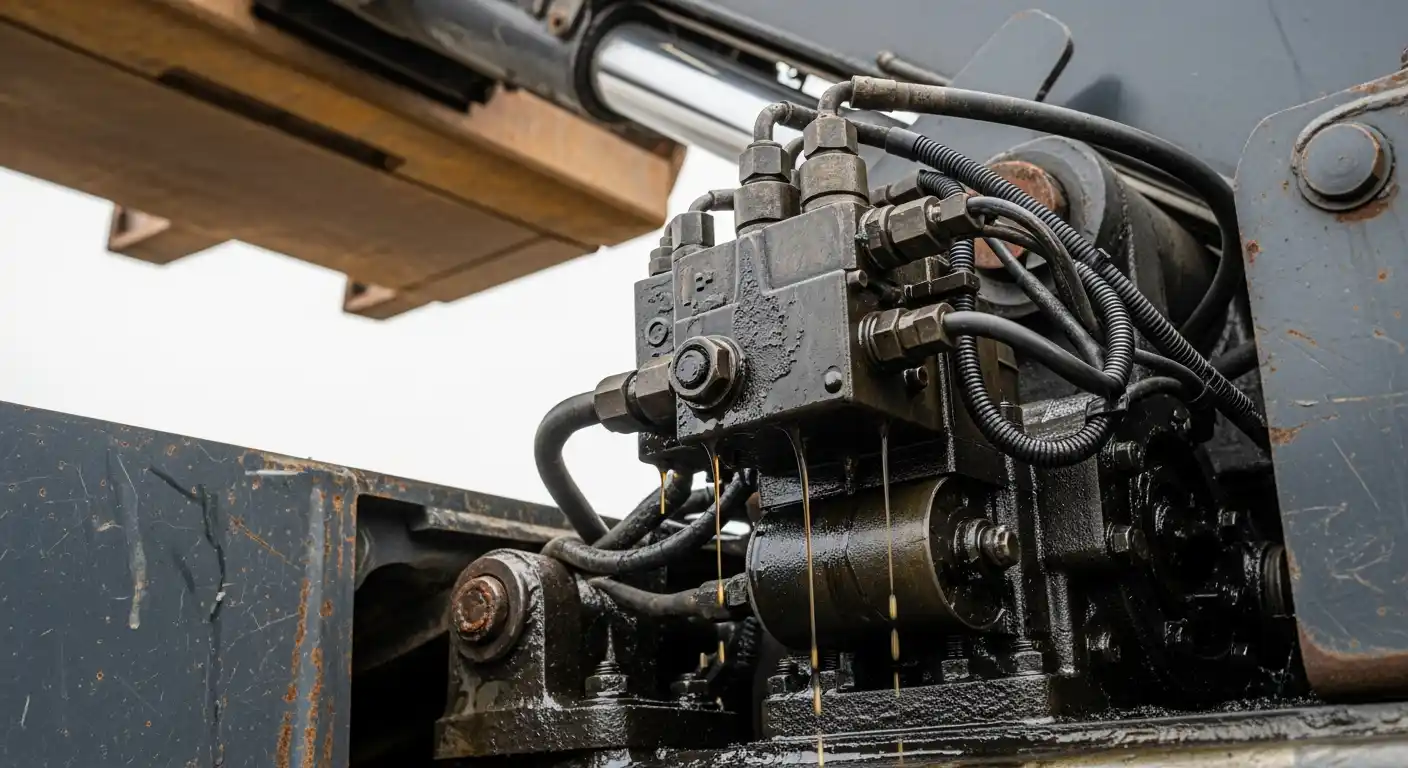
If the empty hitch lifts normally but fails with an implement, pressure may be borderline or the pump may be worn. If it struggles even with no load, the problem is more basic, such as oil supply or valve control. If it lifts fine but slowly drops, look at internal leakage.
Credit: justanswer.com
What the test results can tell you
A tractor that lifts better at higher engine speed usually has a flow or pump issue. A tractor that makes noise while lifting often has an air leak or oil starvation. A tractor that only fails after warming up may have seals or valve parts that leak more when the oil thins out.
That last point is easy to miss. Cold oil is thicker, so worn components may seem okay for the first few minutes. Once the oil heats up, the weak seal or bypass becomes obvious.
Easy fixes that often solve the problem
Some hydraulic lift issues can be fixed without major repair work. These are the first repairs worth trying if the tractor has basic service needs. Do them carefully, and one at a time, so you can see what changed.
Replace old hydraulic oil
If the oil is dirty, milky, or overdue for service, change it. Fresh oil can restore flow and reduce valve sticking. It also protects the pump from extra wear.
After changing the oil, run the tractor and cycle the lift several times. This helps purge trapped air. Do not judge the repair too quickly, because the system may need a few lift cycles to settle.
Clean or replace the filter
A restricted filter can make the lift look weak even when the pump is still decent. If the filter is serviceable, clean it thoroughly. If it is damaged or heavily clogged, replace it.
When reinstalling, make sure seals are seated correctly. A small leak on the suction side can cancel out the benefit of the new filter.
Tighten loose suction connections
Loose fittings can pull air into the system without showing an obvious oil leak. Tighten clamps and inspect hoses for cracks near bends and ends. Replace brittle hoses before they fail completely.
Many owners focus on the pump first and skip hose inspection. That can be a mistake. A $10 hose issue can look like a bad pump.
Bleed trapped air from the system
After service, air may remain in the hydraulics. Cycle the hitch up and down several times with no load, then with a light load. This helps the system purge bubbles.
If the lift still foams or chatters after repeated cycling, an air leak is still present. Bleeding alone will not solve a suction-side problem.
When the problem is deeper than basic maintenance
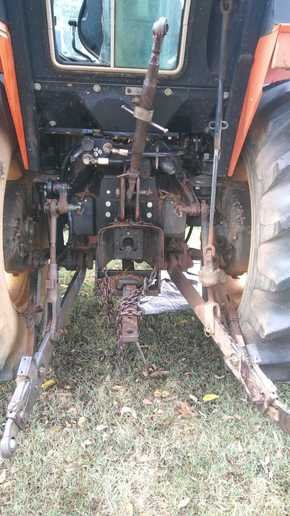
If simple checks do not fix the lift, the issue may be internal. At that point, the pump, control valve, lift cylinder, or internal seals need closer inspection. These faults usually cause repeat symptoms, not one-time glitches.
Credit: forums.yesterdaystractors.com
Worn hydraulic pump
A worn pump can still move oil, but not at enough pressure to lift a real load. The tractor may respond better at higher RPM, which gives the pump more chance to build flow. That is a strong sign of wear.
One non-obvious clue is how the system behaves when hot. A weak pump may seem usable at first, then get noticeably worse after 20 to 30 minutes of work.
Internal leak in the lift cylinder
If the lift rises but slowly sinks, the cylinder may be bypassing oil past worn seals. External leaks are easy to see, but internal leaks can hide for a long time. The hitch may look normal until it is asked to hold weight.
This kind of failure is common when the tractor has been used with old oil or contaminated fluid. Seal wear and scoring inside the cylinder go together.
Sticking control valve
The control valve directs oil to the right place. If it sticks, the hitch may not raise, may raise slowly, or may refuse to lower correctly. Sticky valves are often linked to dirt, varnish, or degraded oil.
Cleaning can help if the valve is only slightly dirty. If the spool is scored or badly worn, replacement is usually the better fix.
External load or adjustment issues
Sometimes the tractor is not fully broken. The lift linkage may be misadjusted, or the implement may simply be too heavy for the setup. That does not mean the system is healthy, but it can make a minor issue look worse than it is.
If the lift works fine with a light tool but struggles with a large one, compare the load to the tractor’s hydraulic capacity. A tractor can only do so much, especially at idle.
For official maintenance and model-specific guidance, the official Zetor support page is the safest place to confirm service details for your tractor model.
Common mistakes that make the problem worse
Many lift issues get bigger because of a few simple mistakes. The first is using the wrong fluid. The second is running the tractor too long while the system is starving for oil or pulling air.
Another mistake is replacing parts without testing. A new pump will not fix a clogged screen. A new cylinder will not fix dirty oil. That kind of guessing gets expensive fast.
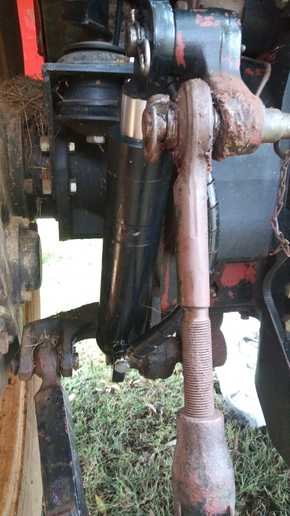
Owners also sometimes forget to check the simplest mechanical links. Bent linkage, loose pins, and bad adjustments can reduce lift range and make the hydraulic system seem weaker than it really is.
- Do not mix incompatible hydraulic fluids.
- Do not ignore foamy oil.
- Do not keep operating with a whining pump.
- Do not assume a new part will fix contamination.
- Do not test a lift only once and call it solved.
How to prevent lift problems from coming back
Prevention is easier than repair. Change hydraulic oil on schedule, keep filters clean, and inspect hoses whenever you service the tractor. These steps protect the pump and valves from wear.
Also check the hitch response from time to time, even when the tractor seems fine. A slow change in lift speed is often the first warning sign. Catching it early can save the pump and cylinder from more damage.
If the tractor works in dusty conditions or sees long periods of heavy use, shorten the inspection interval. Hydraulic systems do not like contamination. Even small amounts of dirt can shorten part life.
Another useful habit is to listen to the tractor. A new whining noise, a jerky lift, or a slow return to neutral is rarely random. Those are usually early signs of trouble, and they deserve attention.
When to stop troubleshooting and get professional help
Call a mechanic if the lift still will not work after oil, filter, and hose checks. You should also stop if you find metal in the oil, repeated foaming, or a pump that makes loud noise after a refill. Those signs point to deeper wear.
If the hitch drops suddenly with a load, treat that as a safety problem. A heavy implement can cause injury or damage if the lift fails while in use. Use support stands and safe blocking before doing any deeper inspection.
Professionals have pressure gauges, flow tests, and internal repair tools that make diagnosis much faster. If you have already ruled out the simple causes, that service cost can save money compared with random part replacement.
Understanding Zetor tractor hydraulic lift problems is mostly about reading the symptoms correctly. Once you know whether the issue is oil, air, pressure, valve control, or cylinder leak, the fix becomes much easier to choose.
Credit: forums.yesterdaystractors.com
After the main fault is fixed, run the machine briefly under light load and recheck the related belt, wiring, fuel, fluid, and safety-switch areas before returning it to normal work.
FAQs
Why is my Zetor tractor hydraulic lift slow?
The most common reason is low or dirty hydraulic oil. A clogged filter, air leak, or weak pump can also slow the lift down. Start with the oil level and condition before checking deeper parts.
Why does the hydraulic lift rise but then drop back down?
This usually points to internal leakage. Worn cylinder seals or a leaking control valve can let oil escape after the hitch is raised. If the arms drop under load, do not keep using the tractor until the fault is found.
Can dirty hydraulic oil cause lift problems?
Yes. Dirty oil can block screens, stick valves, and wear the pump faster. Milky oil is also a warning sign because water contamination can damage seals and reduce hydraulic performance.
Why does the lift work better at higher engine speed?
That often means the pump is weak or the system is short on flow. Higher RPM gives the pump more chance to build pressure. It can also happen when the suction line is partly restricted or pulling air.
When should I replace the hydraulic pump?
Replace the pump only after checking oil, filters, hoses, and valve operation. If the system still has poor pressure, noisy operation, or weak lifting after those checks, the pump may be worn enough to fail under load.