
If your garden plants are turning yellow, the cause is usually simple: water, light, nutrients, or root stress. The good news is that why are my garden plants turning yellow often has a fix you can do today.
Yellow leaves are a plant signal, not a disease by itself. The trick is to read the pattern: new leaves, old leaves, inner leaves, or the whole plant. That pattern tells you where the real problem starts, so you can stop guessing and start fixing.
Below are the 9 most common causes, how to spot each one, and what to do next. You will also see a few less obvious issues many gardeners miss, like pH lockout and heat stress after watering. A fast diagnosis now can save a plant in 24 to 72 hours, before the damage spreads.
Start with the yellowing pattern
Before you add fertilizer or water again, look closely at which leaves are yellow. That one detail often tells you the cause faster than any label or garden app. Old leaves usually point to mobile nutrient problems, while new leaves often point to iron, sulfur, or root trouble.
Also check whether the yellowing is even, patchy, or between the veins. Even yellowing often means a watering or nitrogen issue. Yellow leaves with green veins often point to iron problems or a pH issue that blocks nutrient uptake.
A simple 3-step check can narrow things down quickly:
- Look at the age of the leaves. Old, middle, or new growth?
- Look at the pattern. Uniform yellow, spotted, or veins still green?
- Look at the soil. Wet, dry, crusty, compacted, or normal?
If several plants in one bed are yellow at the same time, the problem is often in the soil, drainage, sunlight, or irrigation. If only one plant is affected, the issue may be local to that plant’s roots, variety, or feeding needs.
1. Too much water is the most common cause
Overwatering is the top reason many garden plants turn yellow. Roots need both water and air. When soil stays wet too long, roots cannot breathe well, and they stop taking up nutrients. The first sign is often pale yellow leaves that look soft rather than crisp.
This problem is easy to miss because the soil on top may look fine while the lower root zone stays soaked. In clay soil, this happens even faster because water drains slowly. A plant can look thirsty while actually drowning.
Signs that point to overwatering
- Leaves turn yellow, then droop
- Soil feels wet more than 2 days after watering
- Lower leaves yellow first
- Mushroom growth or sour smell in the soil
- Roots look brown or soft instead of white and firm
How to fix it
- Stop watering for a few days and check the root zone.
- Make sure containers have drainage holes.
- Loosen compacted soil around the plant edge, not right against the stem.
- Water only when the top 1 to 2 inches of soil are dry for most garden plants.
- If the plant is in heavy soil, raise the bed or improve drainage with compost.
One non-obvious clue: yellowing from overwatering often gets worse after cloudy weather or cool nights, because the plant uses less water. If the plant sits in a low spot, that is often the real reason the leaves change color first.
2. Underwatering can also cause yellow leaves
Dry soil is the second big cause of yellowing. When plants do not get enough water, they shut down parts of their leaf system to save energy. The leaves may start yellow, then turn brown and crispy at the edges.
This happens most often in hot weather, wind, raised beds, and containers. Pots dry out quickly, sometimes in less than 24 hours during a heat wave. Shallow-rooted plants suffer first because they cannot reach deeper moisture.
Signs that point to underwatering
- Soil pulls away from the pot or cracks in the bed
- Leaves feel thin, dry, or papery
- The yellowing starts at the edges or tips
- Plants perk up a little after watering, then fade again
How to fix it
Water deeply, not just at the surface. A light sprinkle wets the top layer but leaves roots dry below. For most garden beds, slow watering for 20 to 30 minutes works better than a quick splash.
Add mulch about 2 to 3 inches deep around the plant base, but keep it a few inches away from the stem. Mulch slows evaporation and protects roots from heat swings. In containers, use a larger pot if the plant dries out every day.
Here is a simple guide to help you spot water-related yellowing:
| Clue | More likely cause | What you usually see |
|---|---|---|
| Wet soil, droopy leaves | Overwatering | Soft yellow leaves, root stress |
| Dry soil, crispy edges | Underwatering | Pale yellow to brown leaf tips |
| Wet then dry in cycles | Irregular watering | Stress, uneven yellowing, leaf drop |
3. Nitrogen shortage often starts with older leaves
Nitrogen is one of the main nutrients plants use to stay green. When nitrogen is low, older leaves usually yellow first because the plant moves nitrogen to younger growth. This is one of the clearest answers to why are my garden plants turning yellow when the problem appears from the bottom up.
Plants with nitrogen shortage often grow slowly, look thin, and produce fewer new leaves. The yellowing is usually even, not spotty. If the whole plant looks pale green or yellow-green, nitrogen is a strong suspect.

Credit: gardenloves.com
How to fix it
- Use a balanced fertilizer or one slightly higher in nitrogen.
- Follow the label carefully; too much can burn roots.
- Top-dress with compost if you want a slower, gentler feeding method.
- For vegetables, feed during active growth, not only after symptoms show.
One common mistake is feeding a yellow plant without checking soil moisture first. A dry root system cannot use fertilizer well. Another mistake is overfeeding with fast-release nitrogen, which can cause very dark green leaves on top while roots stay stressed below.
4. Soil pH can block nutrients even when they are present
This is a hidden cause many gardeners miss. The soil may contain enough iron, magnesium, or other nutrients, but the plant still cannot use them because the pH is off. That is called nutrient lockout. It is a major reason leaves turn yellow even after fertilizing.
Most garden plants do best in slightly acidic to neutral soil, but the exact range depends on the plant. When pH drifts too high or too low, nutrient uptake changes. Iron problems often show up first as yellow new growth with green veins.
Signs that point to pH problems
- New leaves are yellow while veins stay green
- Fertilizer does not seem to help
- Yellowing returns after every feeding
- Some plants in the same bed are fine, others are not
How to fix it
Test the soil pH before adding more products. A simple home soil test kit can give you a useful range. If the pH is off, amend the soil based on the plant’s needs rather than guessing.
According to the university extension guide on home soil testing, soil tests are the best way to know whether pH or nutrients are the real issue. That matters because the wrong fix can waste time and make the problem worse.
Non-obvious insight: iron deficiency is often not a true lack of iron in the soil. It is usually a pH problem or root stress problem. That is why adding more fertilizer sometimes does nothing at all.
5. Poor drainage and compacted soil suffocate roots
Roots need oxygen as much as water. If soil is packed too tightly or drains too slowly, roots struggle and leaves often turn yellow. This issue is common in clay soil, heavy foot traffic areas, and beds that were never loosened before planting.
Compacted soil can also trap fertilizer salts near roots. That adds another layer of stress. The plant may look thirsty, but the root zone is actually crowded, wet, and low in oxygen.
Signs that point to drainage or compaction
- Water pools on the surface
- Soil feels hard or crusty
- Roots are shallow and weak
- Leaves yellow slowly over time, then plants stall
How to fix it
Improve the soil structure, not just the watering schedule. Work compost into the top layer of bed soil before planting, and avoid walking in the same area repeatedly. For existing plants, add compost as a top dressing and use mulch to protect the soil surface.
If the bed stays wet after rain, consider raised beds or better grading. For containers, use a potting mix made for drainage rather than dense garden soil. Dense soil in a pot is one of the fastest ways to trigger yellow leaves.
6. Too much sun or heat can bleach leaves
Not all yellowing comes from lack. Some plants turn yellow when the sun is too harsh or when heat spikes are too strong. This is more likely after a transplant, during a heat wave, or when a shade plant suddenly gets moved into full sun.
Heat stress often starts with faded leaves before they turn yellow or brown. The plant may still have moist soil, which makes the issue easy to misread. In the afternoon, leaves can look worse than they do in the morning.
How to fix it
- Give stressed plants temporary afternoon shade.
- Water early in the day so roots can absorb moisture before peak heat.
- Do not prune heavily during a heat wave unless needed.
- Move container plants to a cooler spot if they are exposed.
New transplants often yellow because their roots are smaller than their tops. For 1 to 2 weeks after transplanting, they may need gentler light and steadier moisture. That is normal stress, but it should improve instead of getting worse.
7. Pests and diseases can cause patchy yellowing
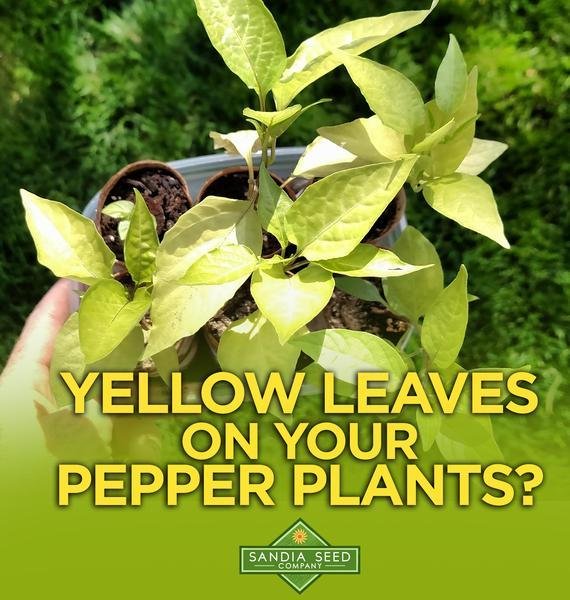
When yellowing appears in spots, speckles, or uneven patterns, pests and disease become more likely. Aphids, spider mites, whiteflies, fungal leaf issues, and viral infections can all create yellow leaves. The exact pattern often gives away the culprit.
For example, spider mites can cause tiny yellow specks that look like dust at first. Aphids often gather on new growth and curl leaves. Fungal diseases may create yellow spots with darker centers or a spreading edge.
Credit: sandiaseed.com
How to check for pests fast
- Look under the leaves with a flashlight.
- Check new growth, stems, and leaf joints.
- Shake a branch over white paper to spot tiny insects.
- Look for sticky residue, webbing, or misshapen leaves.
How to fix it
Remove badly damaged leaves and isolate the plant if possible. For soft-bodied insects, a strong spray of water can help knock them off. For disease, improve air flow and avoid overhead watering late in the day.
If a virus is suspected, do not compost the plant unless your local guidance says it is safe. Viruses do not usually respond to treatment. In many cases, the best move is to remove the plant and protect nearby ones.
8. Transplant shock is common after moving plants
Plants often yellow after being transplanted because their roots were disturbed. Even when the top looks healthy, the root system may spend 1 to 3 weeks recovering. During that time, the plant may absorb less water and nutrients than usual.
This is especially common with tomatoes, peppers, shrubs, and any plant moved from a nursery pot into the ground. If the yellowing begins soon after planting, transplant shock is more likely than a long-term soil problem.
How to fix it
- Water deeply and consistently, but do not soak the soil.
- Keep mulch away from the stem.
- Avoid extra fertilizer right away unless the soil is poor.
- Protect the plant from harsh afternoon sun for several days.
One useful rule: if a transplanted plant is yellow but still firm and slowly producing new growth, it may just need time. If it keeps declining after 2 to 3 weeks, look again at watering, drainage, and root damage.
9. Natural aging can make lower leaves yellow
Sometimes the answer is simple: the plant is shedding old leaves. Many healthy plants yellow their oldest lower leaves as part of normal growth. This is common in tomatoes, basil, peppers, and many ornamentals.
The key is scale. If only a few bottom leaves are yellow and the top growth looks strong, aging may be the real cause. If the yellowing spreads quickly or hits new leaves too, look for a deeper issue.
How to tell normal aging from a problem
- Only a few older leaves are affected
- New growth stays green and active
- The plant keeps flowering or growing well
- No spots, pests, or wilting appear
Remove old yellow leaves if they are fully spent. That helps airflow and makes it easier to monitor the plant. But do not strip healthy leaves just because they are not perfect. Plants still need leaf surface to make energy.
How to fix yellowing without making it worse
The fastest way to help a yellowing plant is to avoid stacking problems. For example, do not fertilize dry soil, and do not water a plant again just because the leaves look tired. First, match the treatment to the cause.
A simple recovery order works well for most garden plants: check soil moisture, inspect the roots if needed, then look at light, drainage, and leaf patterns. Only after that should you feed or treat for pests. This keeps you from hiding the real problem.
A practical recovery sequence
- Check the soil 2 inches below the surface.
- Look at the oldest and newest leaves.
- Inspect for pests under the leaves.
- Test pH if yellowing continues after watering is corrected.
- Feed only if the plant is actively growing and the soil is not waterlogged.
Some gardeners wait too long because they hope the plant will recover on its own. Others act too fast and add every product at once. Both approaches waste time. A calm, step-by-step check usually gives the best result.
Common mistakes that keep plants yellow
Many yellow plants fail to improve because the fix is applied the wrong way. One common mistake is treating the leaves instead of the roots. Another is using fertilizer as a first response, even when the soil is too wet or too dry.
These mistakes matter because yellowing is often a symptom, not the disease. If you only treat the symptom, the real cause stays in place. That is why the plant may look better for a few days, then yellow again.
- Watering on a schedule only. Weather changes, pot size, and soil type all matter.
- Fertilizing without a soil check. This can make pH or salt problems worse.
- Ignoring drainage. Wet roots cannot use nutrients well.
- Assuming all yellowing is the same. The pattern matters.
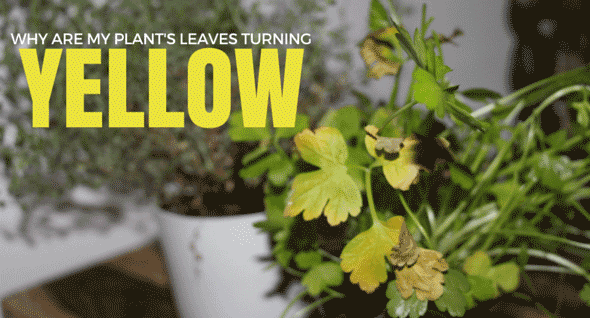
One more useful insight: symptoms often show up first in the weakest part of the plant. That may be the lower leaves, the newest leaves, or one side facing full sun. The first yellow leaf is often your best clue, not just a warning sign.
Credit: saferbrand.com
When yellow leaves are a bigger warning
Some yellowing is mild and easy to correct. But if the plant is wilting badly, losing leaves fast, or showing black stems, root rot or disease may be more serious. In that case, remove the plant from nearby healthy plants if the problem seems contagious.
If you find soft roots, a strong rotten smell, or major stem collapse, the plant may not recover. At that point, the best move is often to remove it, fix the soil conditions, and prevent the same issue next season. Replanting into the same problem bed without changes usually leads to the same result.
For most gardeners, the real answer to why are my garden plants turning yellow is not one single cause. It is usually a small mismatch between water, roots, nutrients, and growing conditions. Once you find the pattern, the fix becomes much easier.
FAQs
Why are my garden plants turning yellow even when I water them?
They may be getting too much water, not enough drainage, or a nutrient blockage caused by poor soil pH. Wet soil can stop roots from breathing, which looks a lot like drought or fertilizer loss.
Should I cut off yellow leaves from my plants?
Yes, if the leaves are fully yellow or dead. Remove them with clean pruners. Leave healthy green leaves in place because the plant still needs them for energy.
Can too much fertilizer make leaves yellow?
Yes. Excess fertilizer can burn roots or create salt buildup in the soil. That can block water and nutrient uptake, which leads to yellow leaves and weak growth.
How do I know if yellowing is from a nutrient problem or watering problem?
Check the soil first. Wet soil and drooping usually point to overwatering, while dry soil and crispy edges point to underwatering. If the soil is normal but new leaves are yellow with green veins, pH or iron issues may be the reason.
Will yellow leaves turn green again?
Sometimes, but not always. Leaves that are only lightly yellow may recover if the cause is fixed quickly. Leaves that are fully yellow often stay that way, even if the plant itself improves.