
Compacted soil is one of the biggest reasons vegetable beds grow slowly, drain poorly, and produce weak roots. If you are trying to learn how to fix compacted soil in vegetable garden beds, the good news is that you usually do not need to replace the soil. You need to loosen it, feed it, and stop the pressure that caused the problem.
Healthy garden soil should let air, water, and roots move through it easily. When soil gets packed down, roots stay shallow, water sits on top, and plants struggle even when you fertilize them. The fix is not one single trick. It is a mix of diagnosis, loosening, organic matter, and better garden habits.
Below you will find the fastest way to tell if your soil is compacted, the safest ways to repair it, and the small changes that keep it loose for good. Some methods work quickly. Others build lasting soil health over a full season.
Check the soil before you start digging
Not every bad-looking bed has compacted soil. Sometimes the problem is poor drainage, low nutrients, or soil that is too sandy. Before you break the ground, confirm that compaction is really the issue. That saves time and keeps you from overworking the bed.
The easiest test is the screwdriver test. Push a long screwdriver or metal rod into moist soil. If it slides in easily, the soil is probably fine. If you need strong pressure or the tool stops after a few inches, the soil is likely compacted. You can also dig a small hole and look for roots that spread sideways instead of downward. That is a common sign that the soil is too dense.
Another clue is water behavior. If water puddles for more than 30 minutes after watering, or if the top inch dries hard while the soil below stays sticky, compaction may be part of the problem. In vegetable gardens, the top 4 to 8 inches usually suffer first because that is where people walk, kneel, and dig most often.
What compacted soil looks and feels like
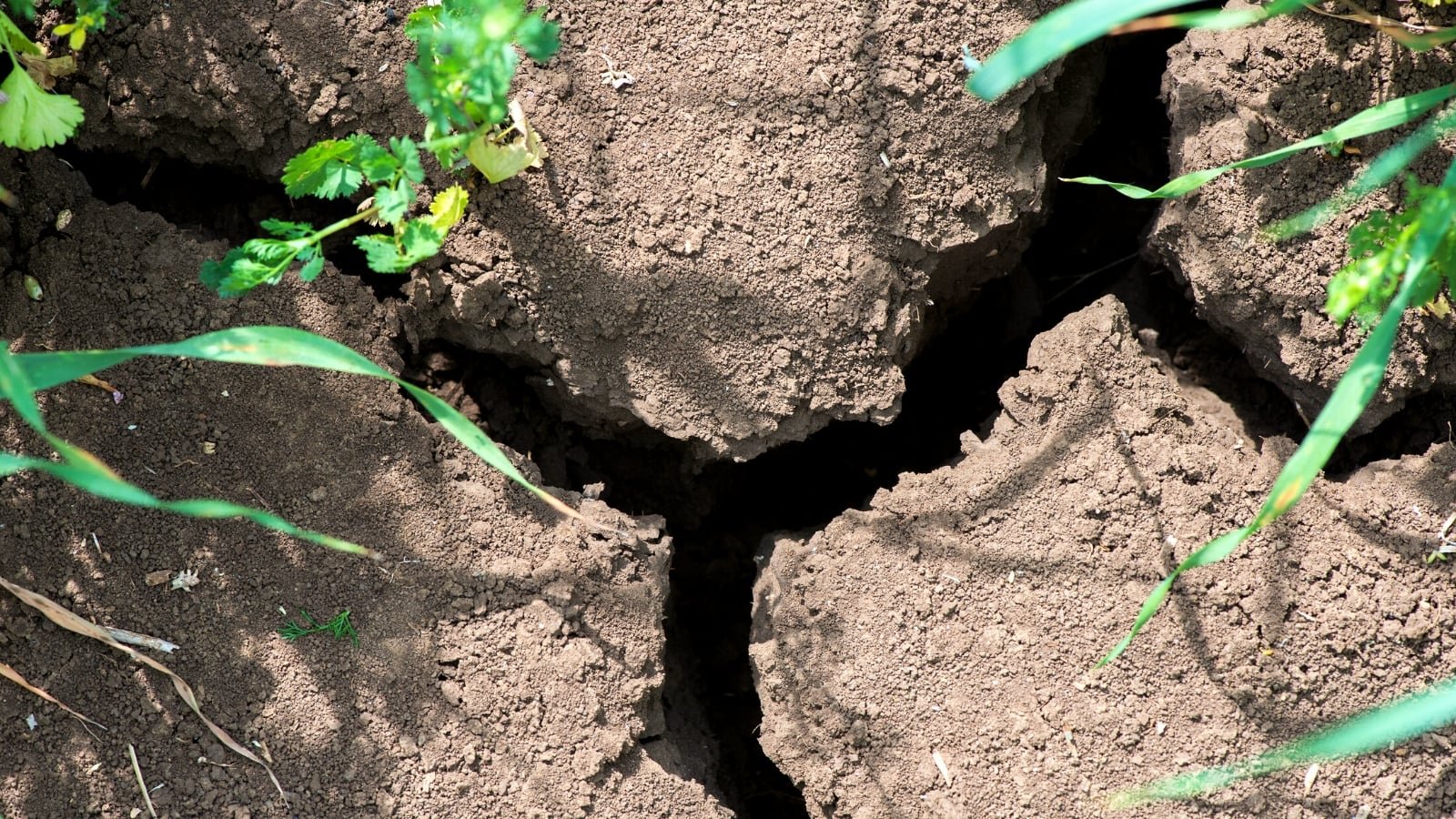
- Hard crust on the surface after watering or rain
- Poor water soaking and slow drainage
- Small, shallow roots
- Yellowing plants that wilt even when the soil is wet
- Very few earthworms in the bed
- Clods that stay stuck together instead of crumbling
If you want a simple soil-health reference from a trusted source, the USDA Natural Resources Conservation Service offers clear soil guidance, including how soil structure affects plant growth: USDA soil health guidance.
Fix compacted soil the right way, not the fast way
The first rule is simple: do not till wet soil. Wet soil smears and gets denser when disturbed. If your bed is damp enough to form a shiny ball in your hand, wait. Working it then can make the compaction worse.
For the best result, loosen the bed gently with a garden fork or broadfork. Push the tool into the soil and rock it back and forth without flipping the layers. You are trying to open air channels, not turn the whole bed upside down. This matters because soil layers support different microbes and root zones. Deep turning can interrupt both.
For very hard beds, work in sections. Open a few inches at a time, then add organic matter on top. This approach is slower than rototilling, but it causes less damage and creates better long-term soil structure.
Step 1: Water lightly if the soil is bone dry
Dry, compacted soil can be almost impossible to loosen. If the bed is extremely dry, give it a light watering a day before you work it. The goal is slightly moist soil, not muddy soil. Moist soil breaks apart more cleanly and protects the soil life you want to keep.
Step 2: Use a fork or broadfork to open air channels
Insert the fork 6 to 12 inches deep if possible. Lean the handle back to lift and crack the soil without turning it over. Move across the bed in a grid so you cover the full area. If your garden bed is raised and narrow, this is often enough to restore drainage and root movement in one session.
Step 3: Add compost on top
Spread 2 to 3 inches of finished compost over the surface. Do not bury it deeply. Earthworms and microbes will pull it down for you. Compost helps soil particles clump into better structure, which improves air flow and water movement. It also feeds the biology that keeps soil loose over time.
A 2020 square foot garden bed usually needs about 0.6 to 0.9 cubic yards of compost for a 2 to 3 inch layer. That is roughly 16 to 25 cubic feet. If your bed is smaller, scale down, but keep the layer thick enough to matter.
Step 4: Mulch after planting
Mulch protects the surface from crusting, heavy rain, and foot traffic. Straw, shredded leaves, and untreated grass clippings are all useful if they are applied thinly and kept off plant stems. A 2 to 3 inch mulch layer helps hold moisture and reduces the repeated wet-dry cycle that hardens topsoil.
Choose the right repair method for your garden’s condition
Different beds need different solutions. A slightly compacted bed after one wet season does not need the same treatment as a garden that has been walked on for years. Knowing the level of damage helps you avoid overdoing it.
| Soil condition | Best fix | What to avoid |
|---|---|---|
| Light surface crusting | Compost topdressing and mulch | Deep tilling |
| Moderate compaction in top 6 inches | Broadforking plus compost | Working the soil while wet |
| Severe compaction with standing water | Drainage improvement, raised beds, and organic matter over time | Repeated rototilling |
| Compaction from foot traffic | Permanent paths and bed borders | Stepping inside the bed |
One non-obvious point: repeated tilling often solves the problem for only a short time. It may feel like the soil is softer at first, but the structure usually collapses again after rain or irrigation. In vegetable beds, less disturbance often gives better results than more force.
Another point many gardeners miss is that clay soil and compacted soil are not the same thing. Clay can be dense without being damaged. The real issue is when clay particles are pressed tightly together and water cannot move through the pore spaces. Compost helps because it changes the structure, not because it magically turns clay into sand.
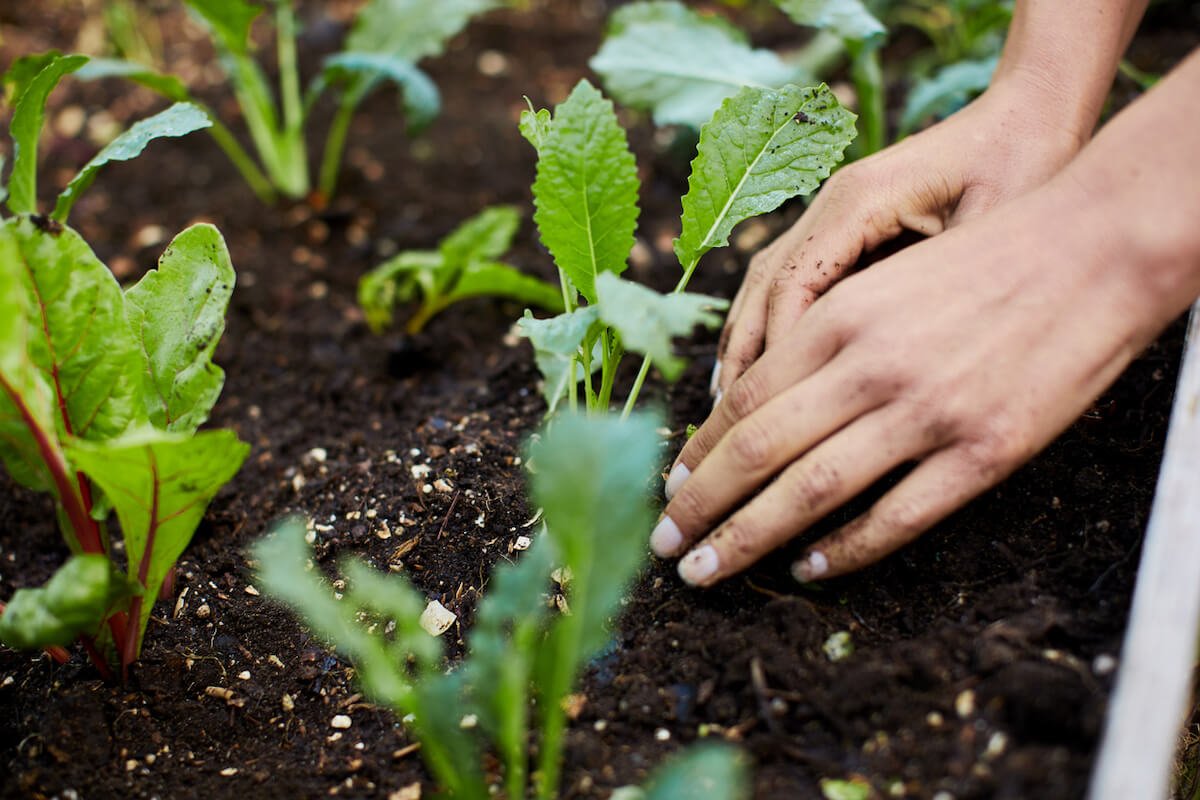
Credit: kellogggarden.com
Build better soil structure with organic matter
Organic matter is the long-term answer for compacted vegetable beds. It improves aggregation, which means soil particles stick together in crumb-like clusters instead of forming a hard slab. That creates space for roots, water, and oxygen. Without enough organic matter, compacted soil often returns after every rainy season.
Compost is usually the best choice because it is stable, easy to spread, and safe for most vegetable gardens. Leaf mold, well-rotted manure, and chopped cover crop residues also help. Fresh manure is not the same thing as compost and can burn plants or introduce excess salts, so it should be used carefully and only when fully aged.
Best organic materials for compacted beds
- Finished compost: balanced, safe, and easy to use
- Shredded leaves: great for mulch and slow soil building
- Leaf mold: excellent for improving crumb structure
- Well-rotted manure: useful in small amounts if fully aged
- Cover crop residue: adds roots and organic material back into the soil
In many gardens, the top 6 to 8 inches are the most important zone. That is where feeder roots grow and where oxygen matters most. Adding 1 to 2 inches of organic matter every season can make a visible difference in just one to two years, especially if you stop walking on the bed.
Use cover crops to loosen soil naturally
Cover crops are one of the most underrated tools for compacted soil. Plants like daikon radish, rye, oats, and clover grow roots that open channels through the soil. When those roots die back or are cut down, they leave pathways behind.
Daikon radish is especially useful in fall because its large root can punch through tight soil. Clover works well when you want living cover and nitrogen support. Rye and oats help hold the surface together and reduce erosion. In many gardens, cover crops do part of the job that a tool cannot do.
Stop the compaction from coming back
Repairing soil is only half the job. If you keep causing pressure in the same place, the soil will become hard again. The most common reason vegetable beds compact is foot traffic. Even a few steps in the bed can press soil down enough to reduce pore space, especially when the soil is wet.
Make paths between beds and keep all stepping out of the growing area. If you grow in wide beds, use a board or kneeling pad only when needed, and never when the soil is soaked. Raised beds help because they define the growing space and make it easier to keep feet out.

Credit: reddit.com
Simple habits that protect loose soil
- Never walk in the planting area
- Mulch bare soil so rain does not crust the surface
- Use raised beds or narrow beds when possible
- Rotate crops so one spot is not overworked every season
- Handle soil only when it is slightly moist, not soggy
Watering method also matters. Heavy overhead watering can create a crust if the soil has little cover. Drip irrigation or soaker hoses keep the surface calmer and help the soil stay open. This is a small change, but it can save a lot of work later.
It also helps to avoid overfertilizing with high-salt products. Salt buildup can make stressed soil feel tighter and harder for roots to use. Healthy soil needs structure and biology, not just plant food.
Work with the season for better results
Timing can make a big difference in how well your soil responds. The best time to fix compacted soil is usually before planting or after harvest, when the bed is not full of crops. That gives you room to loosen, topdress, and mulch without damaging roots.
In fall, adding compost and planting cover crops gives the soil time to recover over winter. In spring, a light fork-and-compost approach works well if the soil has dried enough. Summer repairs are possible too, but they are harder because the bed is actively growing and moisture loss is faster.
If your garden gets heavy rain, consider a permanent mulch layer and slightly raised planting rows. In wet climates, compaction often returns because water fills the pore spaces and then squeezes them shut when the soil dries. The goal is not just to loosen the bed once. It is to keep the structure stable through the whole season.
Common mistakes that make compacted soil worse
Some fixes look helpful but actually damage the bed more. One of the biggest mistakes is rototilling every time the soil feels hard. This can create a loose top layer over a dense layer underneath, sometimes called a tillage pan. Roots then stop at that barrier and plants still struggle.
Another common mistake is adding sand to clay soil in small amounts. That usually does not improve structure and can make the texture worse if the ratio is off. Compost is a safer choice because it improves both drainage and water holding.
It is also easy to overwork the bed. If you dig, rake, and turn the same area repeatedly, you can crush the pore spaces you just opened. One careful pass is better than three aggressive ones. The soil should be opened, not beaten into submission.
Finally, do not ignore drainage. If the bed sits in a low spot, no amount of loosening will fully solve the problem until excess water has somewhere to go. In that case, shape the bed higher, improve edges, or redirect runoff.
What healthy soil should feel like after the fix
Good garden soil should feel loose but not dusty. When you squeeze it, it should hold together briefly and then crumble. Water should soak in within a few minutes instead of sitting on the surface. Most importantly, roots should grow deeper and spread more freely.
You may not see the full effect in one week. That is normal. Soil structure improves gradually, especially when you build it with compost and cover crops instead of relying on tools alone. A bed that was hard in spring can become much easier to work by late summer or the next season.
Watch for better signs of recovery: more earthworms, less crusting, quicker drainage, and stronger growth after transplanting. If young seedlings stop leaning and roots spread evenly, your work is paying off. That is the real measure of success.
When you focus on how to fix compacted soil in vegetable garden beds the right way, you are not just helping plants survive. You are creating soil that can support healthier harvests for years, with less effort each season.
Credit: epicgardening.com
FAQs
1. Can I fix compacted soil without tilling?
Yes. In many vegetable beds, fork loosening, compost topdressing, mulch, and cover crops work better than tilling. These methods improve soil structure without destroying layers or compacting the bed again after the first rain.
2. How long does it take to improve compacted soil?
Light compaction can improve in one season if you loosen the soil and add organic matter. Severe compaction often takes one to three seasons of steady care, especially if you also stop walking in the bed and use mulch or cover crops.
3. Is compost enough to fix hard garden soil?
Compost helps a lot, but it works best with physical loosening and better garden habits. If the soil is extremely dense, you usually need to open air channels first, then add compost on top to build better structure over time.
4. What is the best tool for compacted soil?
A broadfork is one of the best tools because it loosens deep soil without flipping it over. For smaller beds, a garden fork can also work well. The key is to crack and lift the soil, not churn it like a mixer.
5. How can I tell if my soil is improving?
Look for easier digging, better water absorption, fewer puddles, and stronger root growth. You may also notice more worms and a soil texture that breaks into small crumbs instead of hard clumps. Those are strong signs that the soil is becoming healthier.