
If you are asking what kind of mulch for vegetable garden works best, the short answer is: use an organic mulch that protects the soil, holds moisture, and breaks down slowly. That usually means straw, shredded leaves, grass clippings in thin layers, or compost.
The right mulch can do more than make beds look neat. It can cut watering needs, reduce weeds, keep soil cooler in hot weather, and protect roots from sudden temperature swings. For vegetable plants, that often means healthier growth and better harvests with less work.
Choosing mulch is not just about picking the cheapest material. You need to match the mulch to the crop, the season, and the condition of your soil. A good choice can help tomatoes, peppers, squash, beans, and leafy greens grow stronger from the start.
What mulch does for vegetables
Mulch is a layer of material spread over the soil surface. In a vegetable garden, it has one main job: improve growing conditions around the roots. That simple layer can change how much water stays in the bed, how hot the soil gets, and how many weeds compete with your plants.
One of the biggest benefits is moisture control. Soil loses water fast when it is bare, especially in heat and wind. A 2- to 4-inch mulch layer can slow that loss enough to reduce watering frequency, which matters a lot in midsummer.
Mulch also protects the soil from heavy rain. Without it, raindrops hit bare ground, compact the top layer, and can splash soil onto leaves. That splash can spread some soil-borne diseases, especially on crops like tomatoes and squash. Mulch acts like a cushion.
There is another hidden benefit many gardeners miss: soil life improves under mulch. Earthworms and beneficial microbes often work better when the soil stays cooler and more stable. That leads to better soil structure over time, which helps roots spread more easily.
Best mulch types for a vegetable garden
If your goal is healthy plants and bigger harvests, organic mulch is usually the best choice. Organic materials feed the soil as they break down, unlike plastic or landscape fabric, which do not add anything back to the bed. For most home gardens, that matters more than long-term appearance.
| Mulch type | Best for | Main benefit | Main caution |
|---|---|---|---|
| Straw | Tomatoes, peppers, strawberries, squash | Light, clean, easy to spread | Make sure it is weed-free |
| Shredded leaves | Most vegetables, especially fall and spring beds | Free, rich in organic matter | Can mat down if applied too thick |
| Grass clippings | Fast-growing crops and quick soil cover | Readily available and nutrient-rich | Must be used in thin layers |
| Compost | Seedlings, heavy feeders, poor soil beds | Improves soil while mulching | Needs more volume to cover well |
| Wood chips | Paths, perennial edges, orchard-style beds | Long-lasting weed suppression | Not ideal mixed into annual vegetable rows |
Straw
Straw is one of the most popular choices for vegetable beds, and for good reason. It is light, easy to spread, and does a good job of keeping soil cool and moist. It works especially well around tomatoes, peppers, cucumbers, and squash.
The biggest mistake is using hay instead of straw. Hay often contains seeds, which can turn your garden into a weed patch. Straw is mostly the stalk left after grain harvest, while hay is animal feed made from grasses or legumes. That difference matters.
Use a 3- to 4-inch layer around established plants. Keep it a few inches away from the stem so moisture does not sit against the base and invite rot.
Shredded leaves
Shredded leaves are one of the best budget-friendly mulch choices. They break down quickly, add organic matter, and improve soil texture over time. If you have trees nearby, this may be the easiest mulch to get in large amounts.
Whole leaves can mat together and block air and water, especially if they are wet. Shredding them first solves that problem. A leaf mulcher, lawn mower, or even running over them with a mower works well.
In colder climates, leaf mulch is especially useful in fall beds. It helps protect soil through winter and can be lightly worked into the surface in spring.
Grass clippings
Grass clippings can work very well, but only when used carefully. They are rich in nitrogen and decompose fast, which makes them useful for feeding the soil. They are best for a quick, fresh mulch layer on beds that need frequent feeding.
Do not pile clippings too thick. A heavy mat can become slimy, block airflow, and even smell bad. Apply them in thin layers, no more than about 1 inch at a time, and let them dry a bit before adding more.
A good rule is to use clippings only from lawns that have not been treated with herbicides recently. Residues from weed killers can damage vegetables.
Compost
Compost is not just a soil amendment. It also works as a mulch, especially in vegetable beds that need a nutrient boost. A 1- to 2-inch layer helps feed soil life and adds a dark, moisture-holding surface around plants.
This is a smart option for hungry crops like tomatoes, corn, cucumbers, and broccoli. It is also one of the best mulches for new beds with weak soil. Unlike some mulches, compost does not create a sharp boundary between feeding the soil and protecting it.
The downside is that compost can be expensive if you need a lot of it. It also breaks down faster than straw or chips, so you may need to refresh it during the season.
Wood chips
Wood chips are excellent for paths and permanent edges, but they are usually not the first choice for annual vegetable rows. They last a long time, block weeds well, and look tidy. Still, they can be too coarse for close planting areas where you want faster soil improvement.
Fresh wood chips can temporarily tie up nitrogen as they break down on the soil surface, especially if mixed into the soil. That is less of a problem when they stay on top of paths, but it is one reason many gardeners avoid them directly around short-season vegetables.
If you use wood chips near a garden, keep them on walkways or around perennial crops. They work best where you want long-term weed control, not quick soil feeding.
What kind of mulch for vegetable garden works best by crop
The best mulch is not always the same for every plant. Some vegetables prefer warm soil. Others do better with cooler roots and steady moisture. Matching mulch to crop can improve growth in ways that many beginners overlook.
Tomatoes and peppers usually like straw or compost. These crops benefit from stable moisture and soil that does not dry out fast. A mulch layer also keeps soil from splashing onto lower leaves, which helps reduce disease pressure.
Cucumbers, squash, and melons do well with straw or shredded leaves. These spreading plants cover the ground later in the season, but mulch helps them early on when weeds are strongest. It also keeps fruit cleaner when it rests near the soil.
Leafy greens like lettuce, spinach, and kale often prefer cooler root zones, so shredded leaves or compost are good options. Root crops such as carrots and beets need a lighter mulch that will not block emergence. For them, wait until seedlings are established before adding a thin layer.
Beans are a little different. They do not need heavy feeding, but they benefit from moisture control. Straw or shredded leaves usually give the best balance without making the bed too rich.
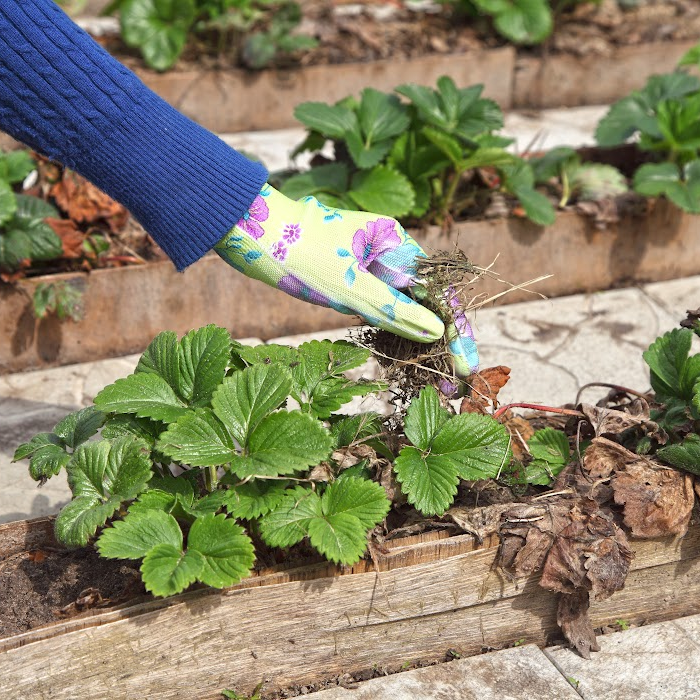
Credit: dianfarmer.com
How thick should mulch be in a vegetable bed?
Mulch depth matters as much as mulch type. Too little mulch does not block weeds or hold moisture well. Too much mulch can slow air movement, hold excess moisture, or keep young plants from getting enough warmth in cool weather.
For most vegetable beds, 2 to 4 inches is the sweet spot. Use about 2 inches for compost or grass clippings. Use 3 to 4 inches for straw or shredded leaves. For wood chips on paths, a deeper layer of 4 to 6 inches works better because you are not trying to grow through it.
Keep mulch a few inches away from the stem or crown of each plant. This reduces rot, insect hiding spots, and stem damage. That small gap is one of the easiest ways to avoid trouble.
In spring, keep mulch lighter if the soil is still cold. Dark, bare soil warms faster than mulched soil. Once plants are established and the weather turns warmer, add more mulch for moisture and weed control.
Organic vs. inorganic mulch in vegetable gardens
For food gardens, organic mulch usually wins. It breaks down, improves soil, and supports long-term garden health. That is especially valuable in raised beds and small backyard gardens where soil quality matters a lot.
Inorganic mulch includes black plastic, landscape fabric, rubber, and gravel. These can solve some weed problems, but they have limits. Black plastic can warm the soil early in the season, which is helpful for some crops, but it can also reduce water infiltration unless you use drip irrigation underneath.
Landscape fabric often looks neat at first, but it can become messy as soil and debris build up on top. Weeds then grow in that debris layer, and the fabric becomes harder to manage. For most home vegetable gardens, it is less useful than people expect.
Plastic mulch can make sense for heat-loving crops in cooler regions, but it is not a general-purpose solution. If you want better harvests and healthier soil over time, organic mulch is usually the smarter choice.
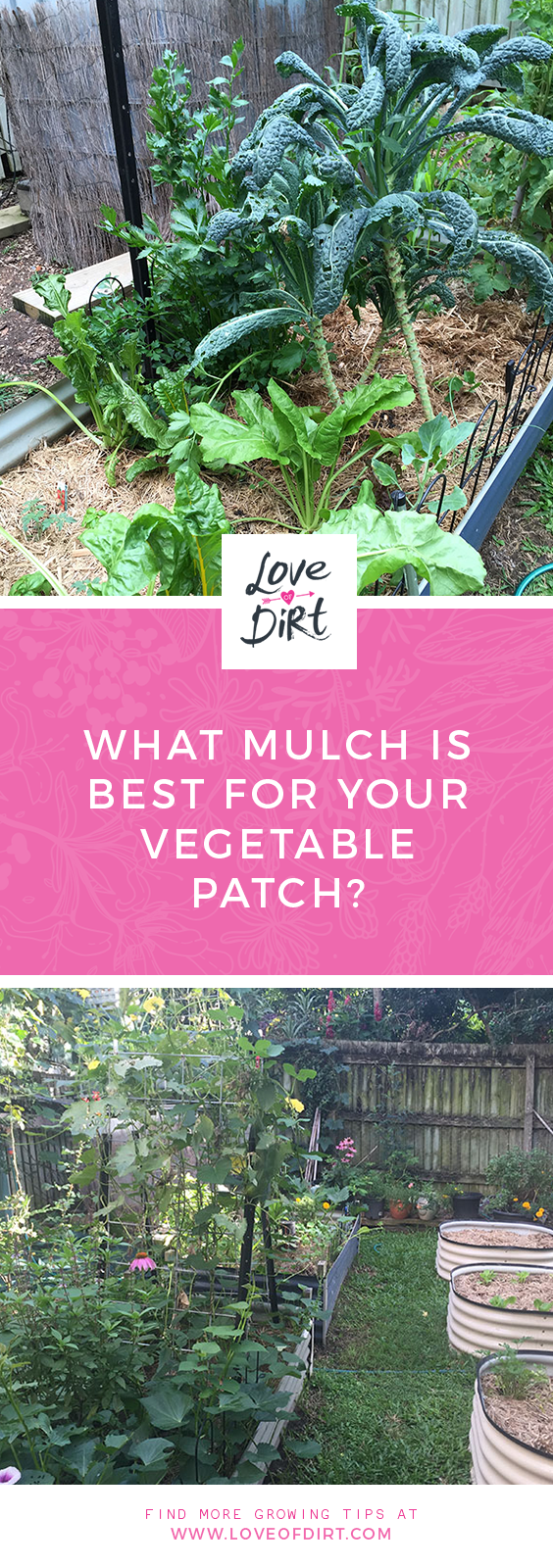
Credit: loveofdirt.com.au
When plastic mulch makes sense
Use plastic mulch only when you have a clear reason. It can help warm the soil faster in spring, which benefits crops like melons, peppers, and tomatoes in short-season areas. It also reduces evaporation well.
Still, it has trade-offs. Water must usually come from drip lines or holes in the plastic, and the soil underneath does not get the same improvement from organic breakdown. For many gardeners, that makes it less useful than straw or leaves.
Common mulch mistakes that hurt vegetables
One of the most common mistakes is mulching too early. If the soil is still cold in spring, a thick mulch layer can slow warming and delay growth. Wait until seedlings are established and the soil has had a chance to warm.
Another mistake is using contaminated mulch. Hay with seeds, grass clippings treated with herbicides, or leaves full of disease can create problems faster than they solve them. Always know where the material came from.
Some gardeners also pile mulch against plant stems. That creates a damp zone where rot and pests can start. The mulch should cover the soil, not bury the plant base.
A less obvious problem is using mulch that is too fresh and too dense. Fresh grass clippings and thick layers of green material can heat up, compact, and block air flow. Thin layers and mixed materials work better.
For soil improvement, many gardeners forget that mulch is not a substitute for feeding the bed. If your soil is very poor, add compost before mulching. Mulch protects the soil you already have; it does not replace a healthy base.
How to choose the right mulch for your garden
Start with your main goal. If you want fast weed suppression in a warm-season bed, straw is a safe bet. If you want to improve soil on a budget, shredded leaves are hard to beat. If you want to feed poor soil at the same time, compost is the strongest choice.
Then think about the crop. Heavy feeders like tomatoes and squash usually benefit from richer mulch like compost or a compost-straw mix. Crops that need clean, dry soil around fruits, such as strawberries and cucumbers, often do well with straw.
Climate matters too. In hot, dry areas, thicker organic mulch helps hold moisture longer. In cool spring weather, a lighter layer may be better until the soil warms. This balance can make a noticeable difference in early growth.
If you want a simple default choice, use this: straw for most beds, shredded leaves for free soil building, compost for feeding, and wood chips for paths. That combination covers most home garden needs without creating extra work.
For crop-specific safety and season timing, the university extension garden guidance is a reliable place to check local recommendations. Climate and soil conditions vary, and local advice often gives the most useful details.
Simple mulch plan for better harvests
A good mulch plan does not need to be complicated. Begin by watering the bed well, then spread your chosen mulch after plants are established. Most gardeners get the best results by keeping the mulch layer even, not packed down.
For spring crops, wait until the soil is warm enough for strong root growth. For summer crops, refresh mulch once the bed starts to open up and weeds begin to appear. A midseason top-up can save a lot of hand weeding.
Use compost where you want extra feeding, straw where you want clean coverage, and leaves where you want low-cost soil improvement. That mix gives you flexibility without overthinking every bed.
The key is consistency. A garden with steady mulch usually needs less watering, fewer weeds, and less stress on roots. Those three things often lead to bigger harvests more reliably than any fertilizer shortcut.
Credit: reddit.com
Final take on what works best
If you want the best answer to what kind of mulch for vegetable garden use, choose an organic mulch that matches your crop and season. For most gardeners, straw, shredded leaves, and compost give the best balance of weed control, moisture retention, and soil health.
There is no single perfect mulch for every bed, but there is a very good default choice for most: straw for coverage, compost for feeding, and shredded leaves for easy, low-cost soil building. Use the right thickness, keep it away from stems, and refresh it as the season moves on.
That simple approach helps vegetables stay healthier with less effort. Over time, it also improves the soil itself, which is what really supports bigger harvests year after year.
FAQs
Can I use grass clippings as mulch in a vegetable garden?
Yes, but use them in thin layers only. Grass clippings work best when they are dry enough not to mat down, and they should come from lawns that have not been treated with herbicides recently.
Is straw better than hay for vegetable mulch?
Yes. Straw is usually better because it has far fewer seeds. Hay often contains weed seeds or grass seeds, which can create more work in the garden.
Should I remove old mulch before adding new mulch?
Usually no. If the old mulch is clean and breaking down naturally, you can add a fresh layer on top. Just avoid building it too thick or piling it against stems.
Can I mulch seedlings right after planting?
Not right away in most cases. Wait until seedlings are established and the soil has warmed a bit. Then add mulch carefully around them, leaving space near the stem.
What is the best mulch for raised vegetable beds?
Straw and compost are often the best choices for raised beds. They are easy to manage, improve moisture control, and support soil health without creating too much weight or compaction.