
Yes, you can use wood mulch in a vegetable garden, and in many cases it works very well. The key is choosing the right type of mulch and using it in the right place.
Can you use wood mulch in a vegetable garden without hurting your crops? Yes, but not every wood product is a good match for edible beds. Some mulches help hold moisture, reduce weeds, and protect soil. Others can create problems like nitrogen tie-up, disease risk, or messy application around young plants.
The good news is simple: wood mulch can be a smart tool for vegetable beds when you know when to use it, where to avoid it, and how thick to spread it. Below, you’ll find the real benefits, the risks many gardeners miss, and the best practices that keep your vegetables healthy.
What wood mulch actually does in a vegetable bed
Wood mulch is a layer of shredded bark, chips, or sawdust-like material placed on top of soil. It does not feed plants directly the way fertilizer does. Instead, it changes the soil surface by blocking sunlight, slowing evaporation, and softening temperature swings.
That matters a lot in vegetable gardens. Most vegetables grow best when soil stays evenly moist and roots do not face extreme heat. A 2- to 4-inch layer of mulch can also reduce weed pressure, which saves time and keeps crops from competing for water and nutrients.
The main thing to understand is that mulch works at the soil surface. It protects the root zone, but it does not replace compost, good soil preparation, or regular watering. If your garden soil is poor, mulch will help less than many people expect.
Why gardeners like wood mulch
Wood mulch is popular because it lasts longer than grass clippings or shredded leaves. In many beds, it can stay useful for 6 to 18 months before needing a refresh. That makes it a low-maintenance option for gardeners who want steady weed control and fewer dry spells between waterings.
It also gives the garden a cleaner look. That may sound cosmetic, but neat beds often get better care. When paths are easier to walk and soil is not muddy, gardeners tend to water and weed more consistently.
Where wood mulch can help the most
Wood mulch works especially well around crops that stay in the ground for a long time, such as tomatoes, peppers, eggplants, squash, and fruiting herbs. These plants benefit from stable soil moisture and less weed competition throughout the season.
It is also useful in hot climates. Bare soil can heat up fast, and that can stress roots, especially when daytime temperatures stay above 85°F. A mulch layer helps keep the topsoil cooler and slows moisture loss after watering or rain.
Benefits of using wood mulch in vegetable gardens
The biggest benefit is water savings. Mulch reduces surface evaporation, so soil holds moisture longer. For many home gardens, that means less frequent watering and fewer stress cycles for plants during hot weather.
Another major benefit is weed control. When weeds cannot get light, they struggle to sprout. Fewer weeds means vegetables get more access to water, sunlight, and nutrients. It also means less hand pulling, which is a real advantage in large beds.
Wood mulch also protects the soil from heavy rain. Bare soil crusts and compacts more easily. A mulch layer softens the impact of rain drops, which helps preserve soil structure and reduce runoff. That can make a noticeable difference on sloped beds or sandy soil.
Temperature moderation is a bigger deal than most people think
One less obvious benefit is soil temperature control. In spring, mulch can slow down soil warming a little, which is not always ideal for early planting. But in summer, that same buffering effect prevents roots from baking in hot sun.
This is why mulch is more useful once warm-season vegetables are established. Young seedlings often need direct warmth first. Mature plants usually benefit more from cooler, steadier soil conditions.
Wood mulch supports better soil life over time
As wood mulch slowly breaks down, it feeds fungi and soil organisms near the surface. That is not instant nutrition for your tomatoes, but it does support long-term soil health. Healthy soil life helps create better texture, better water movement, and more stable growing conditions.
There is a catch, though. Fresh wood chips on top of the soil can temporarily reduce available nitrogen at the surface as microbes begin breaking them down. This does not usually hurt deep-rooted vegetables if the mulch stays on top, but it can matter in small beds with thin soil.
| Benefit | What it helps with | Best for |
|---|---|---|
| Moisture retention | Less evaporation, fewer dry spells | Hot weather, raised beds, sandy soil |
| Weed suppression | Blocks sunlight from weed seeds | Long-season crops, wide beds, pathways |
| Soil protection | Less crusting, erosion, and splash-back | Sloped beds, rainy areas, loose soil |
| Temperature control | Buffers heat and moisture swings | Summer gardens, drought-prone sites |
Risks and mistakes to avoid
Wood mulch is not automatically safe for every vegetable garden use. The biggest mistake is treating all wood material the same. Fresh chips, dyed landscape mulch, and wood from unknown sources are not the same as clean bark or shredded hardwood mulch.
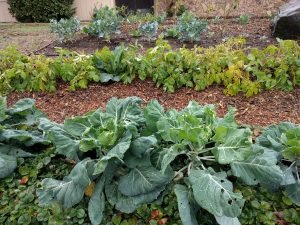
Another common mistake is piling mulch against plant stems. That traps moisture, invites rot, and can create hiding spots for pests. Mulch should stay a few inches away from stems and trunks, especially on tomatoes, peppers, and berries.
Many gardeners also use mulch too early in the season. If the soil is still cold, a thick wood layer can slow warming and delay growth. In cool climates, that matters more than people think.
Credit: gregalder.com
Nitrogen tie-up is real, but often misunderstood
Fresh wood contains a lot of carbon and very little nitrogen. As it breaks down, soil microbes use nitrogen to process it. This is called nitrogen tie-up, or nitrogen immobilization. It happens mostly right where the wood is decomposing.
For vegetable beds, the risk is greatest when wood chips are mixed into the soil instead of staying on top. If you till wood into the bed, plants may show pale leaves and slower growth because the microbes are competing for available nitrogen. Keeping mulch on the surface avoids most of that problem.
Avoid treated, painted, or contaminated wood products
Never use mulch made from pressure-treated lumber, painted wood, or unknown construction waste. Those materials can contain chemicals you do not want near edible crops. Even if they look clean, they are not suitable for food gardens.
For safety guidance on garden and yard materials, a good general reference is the EPA guidance on environmental safety and material disposal. That is especially useful if you are unsure whether a product is clean enough for edible beds.
Watch for mold, pests, and over-mulching
Very thick mulch can stay wet too long, especially in cool or humid weather. That may invite slugs, earwigs, or fungal growth near the soil surface. In vegetable gardens, 2 to 4 inches is usually enough. More is not better.
Wood mulch can also hide seedling problems. If you mulch too close to tiny plants, you may not notice poor drainage, stem rot, or insect damage until the plant is already stressed. This is why mulch works best after transplants are established.
The best types of wood mulch for edible beds
Not all wood mulch performs the same way. In vegetable gardens, the safest and most useful choices are usually clean hardwood chips, shredded bark, or aged wood mulch from a reliable source. These break down at a moderate pace and are easy to manage.
Hardwood chips are often the best all-around option for long-term beds. They last longer than softwood chips and tend to form a stable top layer. Shredded bark is finer and more decorative, but it can move around more in heavy rain or wind.
Softwood mulch is not automatically bad, but it may break down faster. That can be fine in some gardens, especially if you want quicker decomposition and do not mind refreshing it more often. The main goal is always clean source material, not just a certain tree species.
What to look for when buying
Look for mulch that is labeled as untreated and suitable for landscape or garden use. If the source is clear, that is even better. Avoid mulch with strong chemical smells, mixed trash, visible paint chips, or large amounts of unidentified debris.
If you can choose between very fine mulch and chunkier mulch, chunkier pieces usually perform better in vegetable beds. They let water pass through more easily and resist compacting. Fine mulch can mat together and slow rain penetration.
Good mulch sources usually have these traits
- Clean wood only, with no treated lumber
- No paint, stain, or sealant residue
- Uniform texture and little trash mixed in
- Minimal sour or chemical smell
- Clear information about where the material came from
How to apply wood mulch the right way
Preparation matters more than the mulch itself. Start with weed removal, a watered bed, and healthy soil. Mulch works best after plants are already in place and growing steadily.
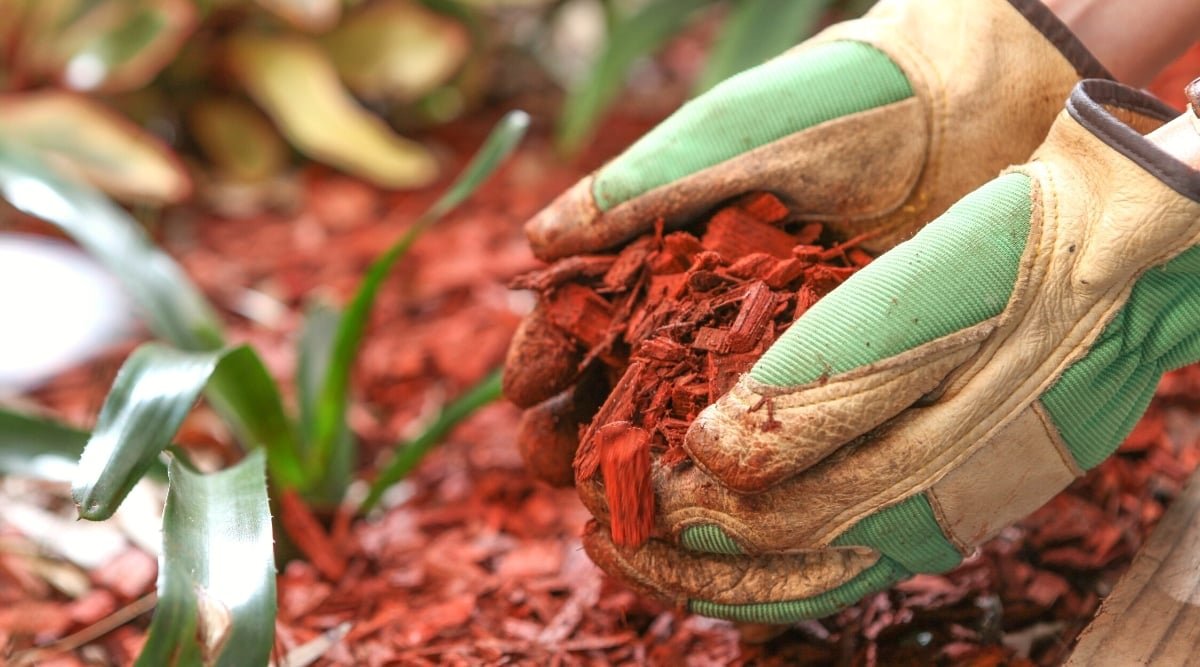
For most vegetable beds, spread mulch 2 to 4 inches deep. Thinner than 2 inches usually does not block weeds well. Deeper than 4 inches can hold too much moisture and make soil too cool or airless in wet conditions.
- Clear the bed of weeds and large debris.
- Water the soil well before mulching.
- Leave a 2- to 3-inch gap around stems and crowns.
- Spread mulch evenly over the soil surface.
- Check after rain and rake back any areas that shift too close to plants.
Timing makes a difference
In spring, wait until soil has warmed enough for the crop. For cool-season crops like lettuce or spinach, mulch is often best after seedlings are established. For warm-season crops like tomatoes or cucumbers, mulch is usually most useful once the soil is already warm and the plant is actively growing.
In dry climates, mulch can go down earlier because moisture retention is a priority. In cool, wet climates, a later start often works better. That small timing choice can affect root growth more than many gardeners realize.
Use mulch differently in raised beds and in-ground beds
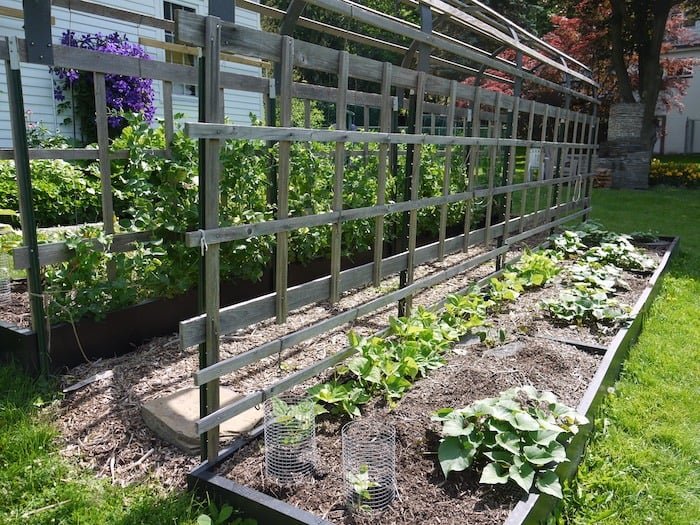
Raised beds warm and dry out faster than in-ground beds, so they often benefit strongly from wood mulch in summer. In-ground beds usually hold moisture longer, so they may need a slightly thinner layer. The same 3-inch mulch layer can behave differently depending on bed depth, soil type, and sunlight.
If your soil is sandy, mulch may be one of your most helpful tools. Sandy soil drains fast and dries quickly. If your soil is heavy clay, mulch helps less with drainage but still reduces crusting and erosion.
Best practices for different vegetables
Some crops welcome wood mulch more than others. Fruiting vegetables usually benefit the most because they stay in the garden for months and need steady moisture. Leafy greens can also do well, but they often prefer lighter mulch once they are small.
Tomatoes are a strong match for wood mulch. So are peppers, eggplants, and summer squash. These plants like consistent moisture, and their larger size makes them easier to mulch without covering the crown.
Root crops need more caution. Carrots, beets, and radishes are usually grown from seed directly in the soil, so a thick mulch layer is not helpful until the seedlings are well established. Even then, keep mulch loose and away from the growing row.
Credit: epicgardening.com
Use extra care with seedlings
Seedlings are the most vulnerable stage. A thick mulch layer can block light, hold too much moisture at the stem base, and make it harder to spot pests. Wait until the plants are sturdy before adding full coverage.
If you want to mulch early, use a very thin ring around larger transplants only, and keep the root flare clear. That gives some moisture control without burying the plant.
Perennial vegetables can benefit the most
Perennial crops like asparagus, rhubarb, and some herbs often respond very well to wood mulch. These plants stay in place for years, so the long life of wood mulch becomes an advantage. It also helps reduce soil splash on edible parts.
For perennial beds, mulch is usually part of long-term soil management. Replenish it as it breaks down, but do not let it pile up against the crown. A clean edge around the plant keeps airflow better and reduces rot risk.
How wood mulch compares with other mulch options
Wood mulch is not the only option for vegetable beds. Straw, shredded leaves, compost, and grass clippings each have different strengths. The best choice depends on your crop, climate, and how much maintenance you want.
| Mulch type | Main advantage | Main drawback | Best use |
|---|---|---|---|
| Wood mulch | Long-lasting and good for weed control | Can slow soil warming | Long-season crops, paths, perennials |
| Straw | Light and easy to spread | Breaks down faster | Annual vegetables, seasonal beds |
| Shredded leaves | Cheap and soil-friendly | Can mat down when wet | Fall and spring garden cleanup |
| Compost | Adds nutrients directly | Less weed suppression | Feeding beds, top-dressing |
Wood mulch is usually the strongest choice when you want a lasting surface layer. Straw is often better if you want something lighter and easier to remove. Compost is better when feeding the soil is the main goal, not just covering it.
Many experienced gardeners mix methods. For example, they may use compost under the plants and wood mulch in the pathways or around established tomatoes. That gives both nutrition and protection without overloading the bed.
Common mistakes gardeners make
One of the biggest mistakes is using mulch as a fix for poor soil. If the bed lacks organic matter, drainage, or proper fertility, mulch only masks the problem. Healthy soil still needs compost, crop rotation, and good watering habits.
Another mistake is using mulch all the way into the base of the plant. This can create constant moisture around the stem, which raises the risk of rot. Keep a clear ring around the stem, especially after rain or heavy watering.
Some gardeners also forget that mulch settles. A 2-inch layer can become much thinner after several months, especially if fungi and soil organisms begin breaking it down. Check it during the season instead of applying it once and forgetting it.
Credit: learningandyearning.com
Three problems that often show up late
First, poor drainage can be hidden by mulch until plants start yellowing. Second, slugs may increase in damp, shaded beds. Third, mulch that looks harmless at first may compact into a wet mat if it contains too many fine pieces.
These issues are easier to prevent than to fix. A quick check every few weeks is usually enough. Lift a corner of the mulch, feel the soil, and look for signs of too much moisture or pest activity.
So, can you use wood mulch in a vegetable garden?
Yes, and in many cases it is one of the best surface coverings you can use. Can you use wood mulch in a vegetable garden safely and effectively? Absolutely, as long as you choose clean wood, keep it on top of the soil, and use the right thickness.
The best results come from simple habits: use untreated mulch, spread it 2 to 4 inches deep, keep it away from stems, and apply it after the soil has warmed. That combination gives you moisture control, weed suppression, and better soil protection without creating avoidable problems.
If you want one easy rule, use wood mulch for established vegetables and perennials, not for freshly seeded rows. That single choice prevents many of the common mistakes. Done right, wood mulch can make the garden easier to manage and more productive through the season.
Frequently asked questions
1. Is wood mulch safe for all vegetables?
No. It works best for established crops, especially tomatoes, peppers, squash, and perennials. Freshly seeded rows and very small seedlings usually need lighter coverage or no mulch yet.
2. How thick should wood mulch be in a vegetable garden?
For most beds, 2 to 4 inches is the best range. Less than 2 inches gives weak weed control, while more than 4 inches can hold too much moisture and slow soil warming.
3. Does wood mulch cause nitrogen problems?
It can if the wood is mixed into the soil. When mulch stays on the surface, nitrogen tie-up is much less of a problem. The risk is greatest with fresh wood that is tilled into the bed.
4. Can I use cedar or pine mulch in a vegetable garden?
Yes, if it is clean and untreated. Cedar and pine are often used as surface mulch. The most important factor is not the tree species, but whether the mulch is safe, clean, and properly applied.
5. When is the best time to add wood mulch?
The best time is after the soil has warmed and plants are established. In cool climates, that usually means waiting until late spring or early summer for warm-season crops.