
If your parking or diff lock pedal will not return on a John Deere X748 diff lock pedal return spring repair, the spring is often the first part to inspect. A weak, rusty, or broken return spring can leave the pedal sluggish, sticky, or stuck down.
The good news is that this is usually a straightforward fix if you know what to check first. You will learn how the spring works, how to confirm the real cause, how to replace it safely, and how to avoid the common mistakes that make the pedal bind again.
This guide is written for quick scanning and practical repair work. You will also see simple fix tips for worn pivots, dirty linkages, and damaged pedal parts, because the spring is not always the only problem.
For wider troubleshooting context, compare this guide with John Deere 2130 problems, John Deere differential lock problems, John Deere 850 problems.
How the diff lock pedal return system works
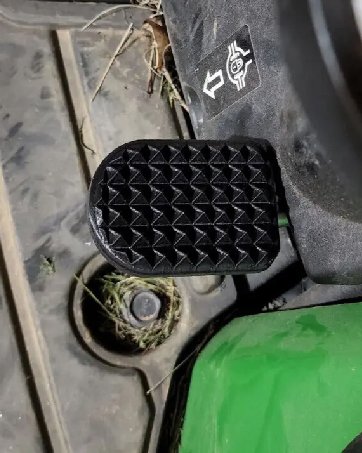
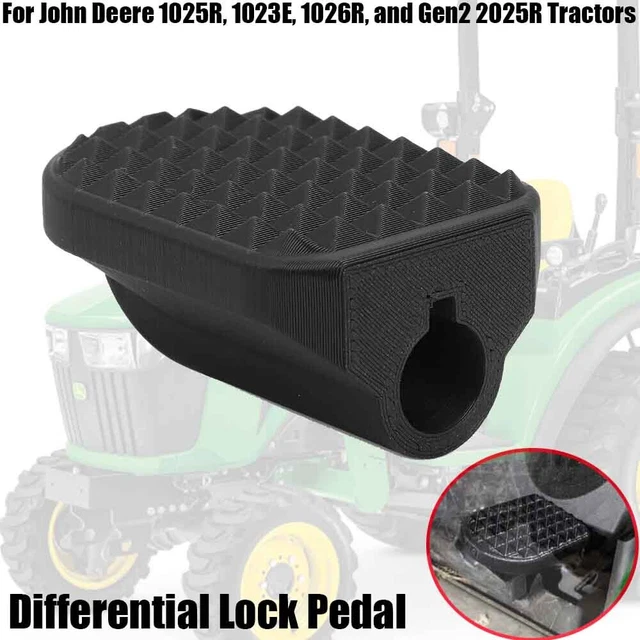
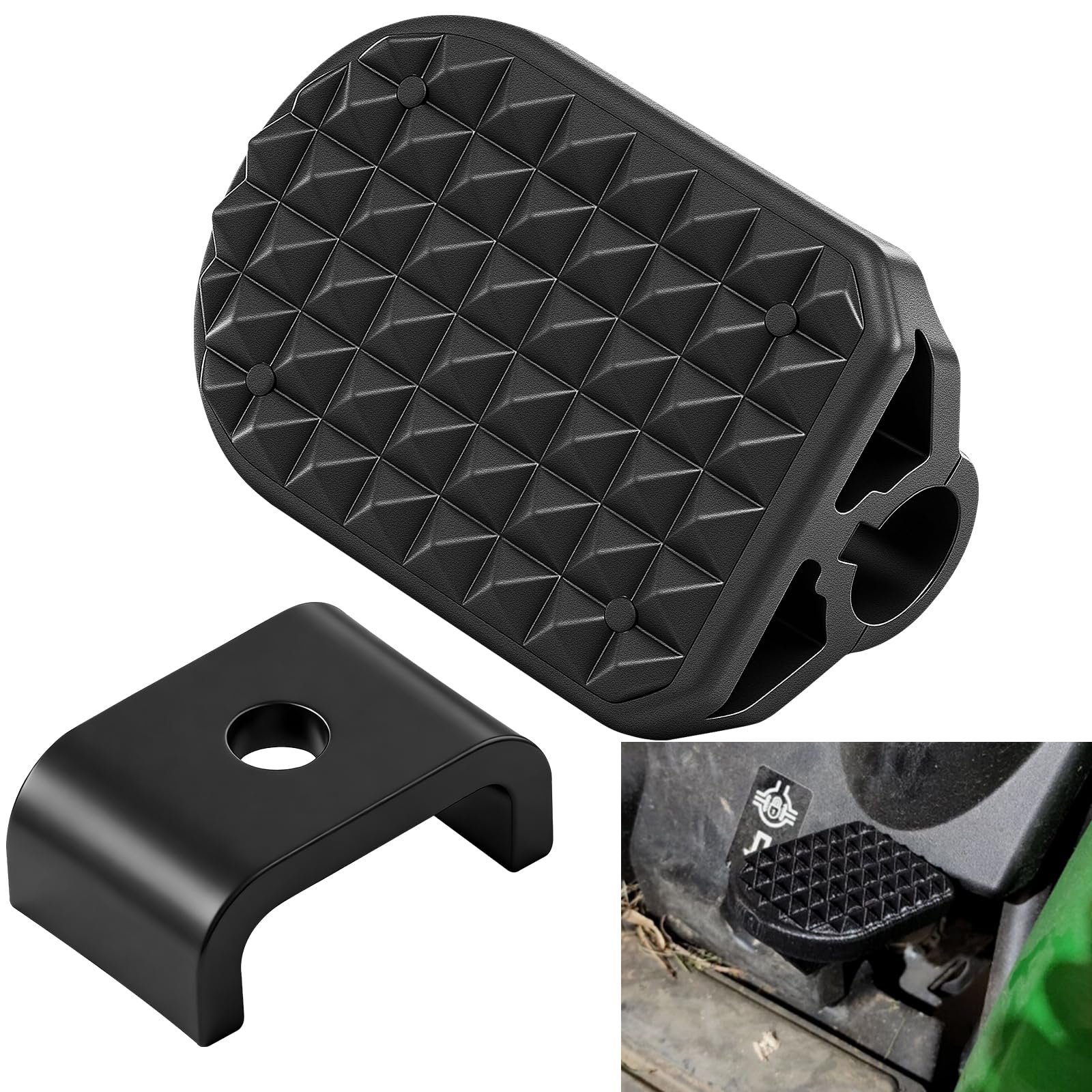
The diff lock pedal on the X748 is designed to engage traction when the rear wheels need extra grip. When you press the pedal, the linkage moves the differential lock mechanism into place. The John Deere X748 diff lock pedal return spring pulls the pedal and linkage back to the normal position when you release pressure.
That return action matters more than many owners realize. If the spring is too weak or the pivot is dry, the pedal may not come back fully. Even a small amount of drag can cause the pedal to hang halfway down, which makes the machine feel clumsy and can wear other parts faster.
There is also a hidden detail many beginners miss: the spring is only one part of a small chain. The pedal arm, pivot pin, linkage rod, and nearby debris all affect how well the spring can do its job. A new spring will not fix a bent pedal or a seized pivot.
What the spring actually does
The return spring creates tension that resets the pedal after engagement. It helps keep the pedal in the correct resting position, so the diff lock does not stay partially activated by mistake. On a tractor used in mud, snow, or turf work, that clean reset is important for both control and component life.
If the spring weakens over time, the pedal may still work, but it will feel slower or less crisp. If the spring breaks, the pedal may drop and stay there until you pull it back by hand. That is usually when owners notice the issue clearly.
Common symptoms of a failing spring
- The diff lock pedal feels heavy or slow to return.
- The pedal stays down after release.
- You hear scraping or squeaking near the pedal arm.
- The tractor needs a foot pull to release the pedal.
- The spring is visibly stretched, rusty, or broken.
Some symptoms look like a spring problem but are not. For example, if the pedal only sticks after a muddy job, packed dirt may be the real cause. If the pedal worked fine until the tractor sat outside all winter, corrosion may be binding the pivot instead of the spring itself.
Before replacing the spring, check these likely causes
Most return problems are not caused by a single failed part. In many cases, the spring is fine enough to work, but the mechanism around it is dirty or tight. Start with the most likely cause: contamination and rust around the pedal pivot.
This saves time and money because it avoids replacing a part that was not the main issue. It also helps you spot worn hardware that could damage a new spring if left in place.
Check the pedal pivot first
Move the pedal by hand with the tractor off and parked safely. It should move smoothly and return without grinding. If it feels rough or does not spring back cleanly, the pivot may be dry or seized.
Look for rust, grass clippings, mud, or old grease around the hinge area. A sticky pivot can act like a stronger problem than a weak spring because the pedal may not move freely enough for the spring to finish its job.
Inspect the linkage and mounting points
Look at the rod or connection that links the pedal to the diff lock mechanism. Bent parts, loose clips, worn holes, or shifted brackets can change the angle of the spring and reduce return force.
Even a small bend can make the pedal travel slightly off line. That extra side load is enough to create drag. In practice, this is one of the most overlooked reasons a fresh spring still does not solve the issue.
Look for spring damage and fatigue
A failed spring is not always snapped in half. Many return springs fail by stretching, losing tension, or rusting at the hooks. A spring that looks “mostly okay” may still be too weak to bring the pedal back correctly.
Measure the spring if possible and compare it to the replacement part. If the coils are elongated, the hooks are distorted, or one end is opening up, replacement is the right move.
Tools and parts you should have ready
You do not need a full shop setup for this repair, but a few basic tools make it much easier. Having the right parts ready also prevents repeated disassembly if the spring or clip is hard to source later.
- Replacement spring matched to the X748 pedal assembly
- Socket set or wrench set
- Needle-nose pliers
- Flat screwdriver or pick
- Penetrating oil
- Wire brush or small nylon brush
- Shop rags
- Safety glasses and gloves
If you are unsure of the correct routing or mounting point, use the official manufacturer support page to confirm the parts diagram before removing hardware. That is much safer than guessing from memory, especially if the tractor has been modified or repaired before.
One useful tip: take two or three photos before you remove the old spring. A close photo of each hook end can save a lot of time during reassembly.
Credit: amazon.com
How to replace the spring step by step
Replacement is usually simple, but the order matters. The spring may be under light tension, and older hardware can be rusty or tight. Work slowly and keep track of the spring orientation.
- Park the tractor on level ground, shut it off, remove the key, and set the parking brake.
- Clean dirt and grass from the pedal area so the linkage is visible.
- Spray penetrating oil on rusty pivot points and let it soak for several minutes.
- Use pliers or a small tool to remove the spring ends from their anchor points.
- Inspect the hooks, pedal arm, and mounting holes for wear or bending.
- Install the new spring in the same direction as the old one.
- Make sure both ends are fully seated and not rubbing against nearby metal.
- Move the pedal by hand several times to confirm smooth return.
- Test the tractor in a safe open area before returning it to work.
If the spring is difficult to remove, do not force it against sharp edges or pry against thin brackets. That can bend the mount or scratch the hook points. A small amount of extra time on cleaning and soaking usually prevents damage.
Getting the spring orientation right
Some springs look nearly symmetrical, but they are not always interchangeable in the way they sit. One hook may need to face a specific direction to avoid rubbing the pedal arm or frame. If the spring sits at a bad angle, it can twist under load and lose effectiveness quickly.
A good rule is simple: the spring should pull in line with the pedal movement, not sideways. If the spring looks stretched diagonally or is touching metal during travel, reposition it before operating the tractor.
Test the pedal before putting everything back to work
Press the pedal by hand and release it several times. It should move smoothly and snap back without hesitation. If it returns but feels slow, the issue may still be friction in the pivot or linkage.
Do a short drive test at low speed on level ground. Engage and release the diff lock in a safe area. Never test it at speed or on a slope. A pedal that hangs up under load can surprise you and affect steering control.
Fix tips if the new spring still does not solve it
Sometimes the spring is only part of the fix. If you replace it and the pedal still sticks, the problem is usually friction, misalignment, or wear in the mechanical parts around it. Start with the simplest corrections first.
Clean and lubricate the pivot points
Dry pivots are a very common cause of poor return. Remove old dirt and old grease, then apply a light lubricant to the pivot and moving points. Do not drown the area in heavy grease if dirt is likely to collect there again.
A thin coat works better than a thick layer in muddy or dusty conditions. Too much grease can turn into paste and make the pedal sticky again within a few uses.
Check for bent hardware
Inspect the pedal arm, rod, and brackets from the side. A bent arm can create side pressure that a new spring cannot overcome. Even a few millimeters of misalignment can change the feel of the pedal.
If you find a bent part, straighten it only if the metal is still strong and the bend is mild. Deep bends, cracks, or stretched holes usually mean the part should be replaced.
Replace worn pins or clips
Loose or worn fasteners can let the linkage shift out of position. That creates extra friction and changes the spring angle. A cheap pin or clip can cause a problem that looks much bigger than it is.
This is one of those non-obvious repair points many owners miss. They replace the spring, see no change, and overlook the worn hardware holding the spring and pedal in place.
Check for frame contact or interference
Sometimes the pedal or spring contacts nearby sheet metal, guards, or debris shields. If the pedal rubs anywhere during travel, the spring will seem weak even if it is new.
Cycle the pedal slowly and watch for any touch points. Look for shiny metal marks, which often reveal where contact is happening.
How to tell if the spring is the real problem
A simple inspection pattern can save a lot of trial and error. First, move the pedal by hand. If it feels smooth but does not return well, the spring is the main suspect. If it feels rough, binds, or scrapes, the issue is probably friction or misalignment.
You can also compare spring behavior before and after removal. A weak spring often feels loose or uneven when stretched by hand. A healthy spring should resist evenly and return to its original shape without obvious distortion.
| Symptom | Most likely cause | Best first fix |
|---|---|---|
| Pedal is sticky only after mud use | Dirt in pivot or linkage | Clean and lubricate |
| Pedal stays down all the time | Broken or disconnected spring | Replace spring and check hooks |
| Pedal returns slowly | Weak spring or dry pivot | Inspect both spring and pivot |
| Pedal binds at one point in travel | Bent linkage or frame interference | Check alignment and contact points |
This kind of check is useful because it separates force problems from friction problems. That distinction matters. A stronger spring cannot fix a jammed pivot, and a clean pivot cannot fix a broken hook.
Credit: picclick.com
Common mistakes during replacement
Most failed repairs come from rushing the job, not from the part itself. The spring is small, but the area around it can be awkward. A few simple mistakes can create a new problem right away.
- Installing the spring backwards or at a bad angle
- Skipping cleaning around the pivot
- Ignoring bent brackets or worn clips
- Forcing the spring into place with sharp tools
- Testing the pedal only once instead of cycling it several times
Another common mistake is not checking the return travel under real movement. A pedal may seem fine in the shop but stick once the tractor vibrates on rough ground. That is why a short field test matters after any repair.
When the problem is bigger than the spring
If the pedal arm is cracked, the pivot hole is oval-shaped, or the linkage is badly worn, replacing the spring will only hide the issue for a short time. Those parts need attention before the pedal system can work correctly again.
If you find cracked metal or a loose mount, stop and repair the base problem first. That is the point where continuing to run the tractor can turn a small repair into a larger one.
Maintenance tips to keep the pedal returning properly
Once the repair is done, a little maintenance goes a long way. Clean the area periodically, especially after mowing wet grass, plowing snow, or driving in mud. Dirt buildup is one of the fastest ways to make the pedal feel heavy again.
Check the spring at the start of the season and again after heavy use. Look for rust, stretched coils, or a hook that is starting to open. A spring often gives warning before it fails completely.
Also remember that outdoor equipment benefits from regular movement. A tractor that sits for months may develop sticking pivots and surface rust, even if the parts were fine before storage. Exercising the pedal occasionally helps reveal problems early.
If you want to follow broader safety and maintenance guidance for mechanical equipment, the CPSC provides useful safety information for lawn and garden machinery on its lawn and garden safety guidance page.
Final takeaways for a smooth repair
The John Deere X748 diff lock pedal return spring is a small part, but it plays a big role in how the pedal feels and returns. If the pedal is sticking, start with the spring, but do not stop there. Check the pivot, linkage, clips, and mounting points too.
The best repair is the one that solves the real cause. In many cases, a new spring plus a clean, lubricated pivot gives the best result. If the pedal still drags, look for misalignment or worn hardware before assuming the replacement part is faulty.
With a careful inspection, the right replacement part, and a proper test, this is a repair most owners can handle confidently. A smooth-returning pedal is a small detail, but it makes the tractor easier and safer to use.
Credit: amazon.com
After the main fault is fixed, run the machine briefly under light load and recheck the related belt, wiring, fuel, fluid, and safety-switch areas before returning it to normal work.
FAQs
How do I know if the spring is bad on my X748 diff lock pedal?
If the pedal returns slowly, stays down, or feels weak compared with normal operation, the spring may be worn, stretched, or broken. Also check for rust, damaged hooks, and loss of tension before replacing it.
Can a dirty pivot cause the pedal to stick even with a new spring?
Yes. This is very common. A clean new spring cannot overcome a seized or dirty pivot, so always clean and test the pedal movement before and after replacement.
Do I need to remove major parts to replace the return spring?
Usually no. In many cases, the spring can be reached with basic hand tools and careful access around the pedal area. The exact process depends on how much dirt, rust, or extra hardware is in the way.
Should I replace the spring and pivot hardware at the same time?
If the pivot pin, clip, or mounting hole shows wear, replacing those parts at the same time is smart. A fresh spring will not last long if it is pulling against loose or damaged hardware.
What if the pedal still does not return after I replace the spring?
Check for bent linkage, frame contact, or a stuck pivot. If you still cannot find the cause, the differential lock assembly may need closer inspection by a qualified technician.