
If you own a John Deere 2130, you already know it is a strong and trusted tractor. It can work hard for many years. But like any old machine, it can also develop faults. That is why many owners search for john deere 2130 problems when the tractor starts losing power, leaking oil, or refusing to start.
The good news is that many of these issues are common, understandable, and often fixable. In many cases, you do not need to replace the whole tractor. You only need to find the real cause, test a few parts, and repair the weak point. Small problems often become big ones when people ignore early signs.
In this guide, you will learn the most common John Deere 2130 issues, why they happen, and how to fix them in a practical way. You will also see mistakes many owners make, plus a few details that can save time and money during diagnosis.
Why the John Deere 2130 develops problems over time
The John Deere 2130 is an older tractor, so age is one of the biggest reasons for trouble. Even if the tractor has not worked many hours, rubber parts still harden, seals dry out, and electrical connections corrode. If it has worked for many seasons, wear will show in the engine, gearbox, hydraulics, and fuel system.
Another reason is maintenance history. A tractor can look solid from the outside and still have hidden problems inside. Dirty oil, old filters, bad coolant, or water in fuel can slowly damage parts. In many cases, the tractor does not fail suddenly. It gives warning signs first.
One thing many beginners miss is that several symptoms can come from the same root cause. For example, poor starting, black smoke, and weak power may all point to fuel delivery or air intake trouble. That is why a careful check matters more than guessing.
Common John Deere 2130 problems and what they usually mean
The table below gives a quick overview of the most common symptoms, likely causes, and the first checks to make. It is not a full diagnosis, but it helps you narrow the problem faster.
| Symptom | Likely cause | First thing to check |
|---|---|---|
| Hard starting | Fuel issue, weak battery, air in fuel system | Battery voltage, fuel filter, fuel lines |
| Low engine power | Clogged air filter, fuel restriction, injector wear | Air cleaner, fuel flow, injector condition |
| Blue smoke | Oil burning, worn rings, valve wear | Oil level, engine blow-by, compression |
| Black smoke | Too much fuel, poor air supply, injector fault | Air filter, injector spray, governor setting |
| Hydraulic weakness | Low fluid, worn pump, blocked filter | Hydraulic oil level, filters, pump pressure |
| Gear shifting trouble | Clutch wear, linkage adjustment, gearbox wear | Clutch free play, pedal movement, oil condition |
| Overheating | Coolant loss, blocked radiator, bad thermostat | Coolant level, fan belt, radiator fins |
Starting problems: when the tractor cranks but does not fire
Hard starting is one of the most common john deere 2130 problems. The engine may crank slowly, crank normally but not start, or start only after repeated attempts. Diesel engines need good compression, clean fuel, strong battery power, and proper injector action. If one of these is weak, starting becomes difficult.
Likely causes
- Weak battery or dirty battery terminals
- Air trapped in the fuel system
- Blocked fuel filter
- Dirty fuel tank or water in diesel
- Faulty glow plugs or cold-start aid, if fitted
- Worn injectors or low compression in the engine
How to fix it
- Check battery charge and clean both terminals.
- Make sure the starter turns the engine at a healthy speed.
- Inspect fuel level and drain any water from the system, if possible.
- Replace a clogged fuel filter.
- Bleed the fuel system carefully to remove air.
- Check whether fuel reaches the injector side properly.
- If starting is still poor, test injectors and engine compression.
A simple but important point: many owners replace parts before checking air in the fuel line. That can waste time. A tiny air leak at a hose clamp, filter seal, or banjo fitting can stop proper fuel delivery. Look closely at all fuel connections.
Loss of power during work
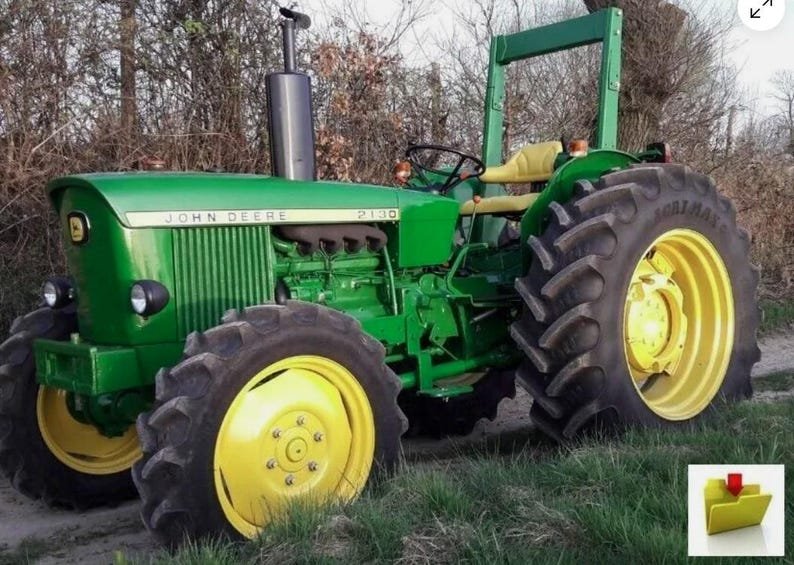
If the tractor starts fine but feels weak in the field, the issue may be fuel, air, or engine wear. Loss of power often shows up under load. The tractor may pull well on light work, then struggle on hills or heavy implements. This is one of those problems that can come and go, which makes it frustrating.
Credit: etsy.com
Common causes of power loss
- Clogged air filter
- Restricted fuel flow
- Weak injector spray pattern
- Dirty exhaust system
- Low compression from worn engine parts
- Incorrect throttle or governor response
How to diagnose it
Start with the easiest checks first. Remove and inspect the air filter. If it is full of dust or oil, airflow drops fast. Then check fuel delivery. A weak fuel supply can make the engine feel lazy, especially at higher load. If the engine smokes black under load, it may be getting too much fuel or not enough air.
One non-obvious clue is engine sound. A healthy diesel has a steady, firm note under load. If the sound becomes uneven, flat, or “soft,” that often points to fuel starvation or injector trouble before the tractor fully loses power.
If basic cleaning does not help, ask a mechanic to test compression and injector condition. Worn rings, valves, or injectors may still let the tractor run, but not well.
Excessive smoke from the exhaust
Smoke color tells you a lot. Blue, black, and white smoke do not mean the same thing. If you read the color correctly, diagnosis becomes much easier. Many owners make the mistake of treating all smoke as one problem. That leads to wrong repairs.
Blue smoke
Blue smoke usually means the engine is burning oil. Common causes include worn piston rings, worn valve guides, failed valve seals, or overfilled engine oil. If the engine uses oil quickly and the exhaust has blue haze, internal wear is likely.
Black smoke
Black smoke means too much fuel or not enough air. The most common causes are a dirty air filter, injector trouble, or incorrect fuel delivery. Black smoke under heavy load can be normal for a short moment, but constant black smoke is a warning sign.
White smoke
White smoke can mean unburned fuel, especially during cold starts. It can also point to coolant entering the combustion chamber or low cylinder compression. If white smoke continues after the engine warms up, do not ignore it.
What to do first
- Check the air filter and clean or replace it.
- Inspect oil level and watch for oil use over time.
- Test injector spray if smoke remains heavy.
- Look for coolant loss if white smoke is constant.
- Check compression if the engine is tired.
Hydraulic problems and weak lifting power
Hydraulic faults are another major source of complaints on older tractors. The John Deere 2130 uses hydraulic power for lifting implements and handling work efficiently. When the hydraulics become weak, slow, noisy, or jerky, the tractor becomes much less useful.
Common signs
- Three-point hitch lifts slowly
- Implements drop too fast
- Hydraulic system makes whining noises
- Steering or remote hydraulics feel weak
- Oil becomes foamy or dirty
Main causes
- Low hydraulic oil level
- Dirty or blocked hydraulic filter
- Air in the hydraulic system
- Worn hydraulic pump
- Internal leak in cylinders or valves
Begin with the fluid. Old or low oil causes many hydraulic complaints. Then check the filter and suction side for blockage or leaks. Air leaks are easy to miss, but they can make the system noisy and weak. If the pump is worn, the tractor may still move oil, but not with enough pressure.
A useful tip: if the hydraulics work better when the oil is cold and get worse when hot, internal wear is often involved. Heat makes thin oil pass through worn parts more easily.
Gearbox and clutch issues
Transmission problems are serious because they affect both safety and work speed. On the John Deere 2130, shifting trouble may come from clutch wear, poor adjustment, low-quality oil, or internal gearbox wear. Some faults feel small at first, such as a stiff pedal or slight grinding. Later they become much harder to ignore.
Common symptoms
- Hard gear shifting
- Grinding when changing gears
- Clutch slipping under load
- Tractor creeping even when clutch is pressed
- Unusual noise from the gearbox
How to check the problem
Start with the clutch pedal free play. If the pedal adjustment is wrong, the clutch may not disengage fully. That can make gear changes rough. If the clutch slips, the engine revs rise but the tractor speed does not match. That usually means the clutch plate is worn or contaminated with oil.
Gearbox noise is more serious. If the oil is low, dirty, or full of metal particles, internal wear may already be happening. In that case, do not keep working the tractor hard. Early inspection can prevent bigger damage.
Fixes that often help
- Adjust clutch free play correctly.
- Check for oil leaks near the clutch housing.
- Inspect gearbox oil level and condition.
- Replace worn clutch parts if slipping continues.
- Have internal gearbox wear checked if noise is severe.
Cooling system trouble and overheating
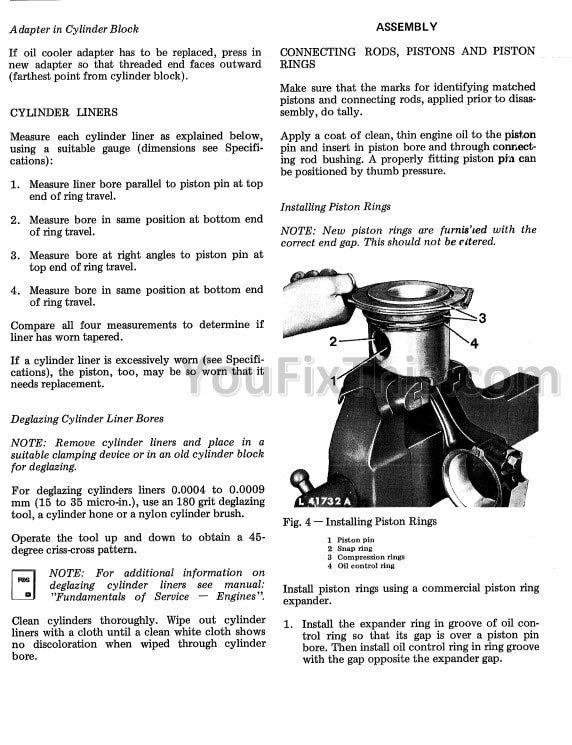
Overheating can damage the engine fast, so it should never be ignored. The cooling system on an older tractor depends on clean coolant flow, a good radiator, a working thermostat, and a solid fan drive. When one part fails, temperature rises quickly under load.
Credit: youfixthis.com
Why overheating happens
- Low coolant level
- Blocked radiator fins
- Loose or worn fan belt
- Faulty thermostat
- Water pump wear
- Internal scaling or rust in the cooling passages
How to fix it
First, check coolant level when the engine is cold. Then clean dust and chaff from the radiator fins. This is a simple job, but it often solves the problem. Next, inspect the fan belt tension. If the belt slips, airflow and water pump speed drop.
If the tractor still overheats, the thermostat may not open properly. A failing water pump can also reduce circulation. In older tractors, rust and scale inside the system may block proper flow, so a flush may help. Use the correct coolant mix, not plain water, because good coolant protects against corrosion and boiling.
Electrical faults that cause frustration
Electrical issues are common on older machines because moisture, vibration, and time damage wires and connectors. On the John Deere 2130, electrical faults often show up as hard starting, weak charging, bad lights, or random instrument problems. Many owners think the battery is the only issue, but the real fault may be in the wiring path.
Usual electrical problems
- Corroded battery cables
- Faulty alternator or charging system
- Loose grounds
- Broken switches
- Damaged wiring insulation
- Poor fuse contacts
Practical way to inspect
- Clean battery terminals and cable ends.
- Check the ground connection to the frame.
- Look for cracked or brittle wires.
- Test charging voltage with the engine running.
- Inspect switches and fuses one by one.
One detail many people miss is ground quality. A bad ground can create many strange symptoms at once. If the battery is good but the starter turns slowly or lights are weak, check the ground cable before buying parts.
Oil leaks and seal wear
Oil leaks are not just messy. They can lead to low oil levels, clutch contamination, dirty working areas, and faster wear. On an older tractor, seal failure is normal to some degree, but heavy leaking means something should be repaired.
Typical leak points
- Engine gaskets and seals
- Hydraulic hoses and fittings
- Transmission seals
- Rear axle seals
- Oil pan gasket
What causes leaks
Heat, age, vibration, and pressure all weaken seals. Dirty oil can also damage sealing surfaces. If the tractor has been overfilled, extra pressure may push oil past weak seals. Some leaks begin small and only show when the engine is hot or under work load.
How to reduce the problem
- Keep oil at the correct level.
- Use the right oil grade.
- Replace badly worn hoses and seals.
- Clean the area first so you can find the source.
- Do not ignore small drips near the clutch or brakes.
How to troubleshoot John Deere 2130 problems the smart way
The best repair method is simple: test the cheapest and easiest things first. Do not remove major parts before checking fuel, air, oil, belt tension, battery condition, and hose condition. Many expensive repairs are caused by basic faults that were overlooked.
Here is a practical order that works well:
- Read the symptom carefully. Is it starting, power, smoke, hydraulic, or gearbox related?
- Check fluid levels and quality.
- Inspect filters, belts, cables, and visible hoses.
- Listen for unusual noises and watch when the problem happens.
- Test one system at a time instead of guessing.
If you want a reliable technical reference for diesel maintenance and safe workshop practice, John Deere’s official website is a useful place to start for general support and product information.
Maintenance habits that prevent many failures
Many john deere 2130 problems can be reduced with basic care. Good maintenance does not make an old tractor new, but it does keep it useful for much longer.
Credit: youfixthis.com
Simple habits that help
- Change engine oil and filters on time.
- Keep fuel clean and water-free.
- Clean the air filter regularly, especially in dusty work.
- Check coolant before heavy seasonal use.
- Inspect battery cables and grounds each season.
- Watch for leaks early.
Another small but important point: after a repair, always recheck the system under working load. A tractor can look fine while idling and still fail under pressure. Many problems only show when the engine is hot, the hydraulic system is busy, or the tractor is pulling hard.
When to stop troubleshooting and call a mechanic
Some jobs are safe and simple. Others need special tools and experience. If the tractor has low compression, severe gearbox noise, heavy internal oil burning, or major hydraulic pressure loss, professional help may save time and prevent bigger damage.
You should also call a mechanic if the problem keeps returning after normal fixes. Repeated failure usually means the real cause has not been found yet. For example, replacing fuel filters over and over will not solve a bad tank vent, air leak, or failing lift pump.
Use your own judgment, but do not force the tractor to keep working when the symptoms are getting worse. Old machines often give warning before a major breakdown.
FAQs
1. What are the most common John Deere 2130 problems?
The most common issues are hard starting, low power, smoke from the exhaust, hydraulic weakness, clutch trouble, overheating, and electrical faults. Many of these come from wear, dirty fluids, or old seals.
2. Why does my John Deere 2130 crank but not start?
This usually happens because of weak battery power, air in the fuel system, a blocked fuel filter, bad fuel, or injector trouble. Start by checking battery voltage and fuel flow.
3. What does black smoke mean on a John Deere 2130?
Black smoke usually means the engine is getting too much fuel or not enough air. A dirty air filter, injector problem, or fuel delivery fault is often the cause.
4. Why are the hydraulics weak on my John Deere 2130?
Weak hydraulics are often caused by low oil, a blocked filter, air in the system, a worn pump, or internal leakage in valves or cylinders.
5. Can I prevent many John Deere 2130 problems with regular maintenance?
Yes. Regular oil changes, clean fuel, good filters, coolant checks, and battery care can prevent many common failures and help the tractor last much longer.