
If you own a Gehl 7810 skid steer, you already know it is a strong machine for daily work. It can lift, dig, load, and move material with less trouble than many older machines. But like any compact loader, it can also develop wear, warning signs, and sudden failures after long use.
Most gehl 7810 problems do not start as big breakdowns. They usually begin with small changes: slower hydraulic response, hard starting, weak steering, strange noise, or loss of power. If you catch these signs early, you can often fix the issue before it becomes expensive.
This guide explains the most common Gehl 7810 issues, why they happen, and what you can do to solve them. It is written for owners, operators, and mechanics who want clear answers without technical confusion.
How to Approach Gehl 7810 Troubleshooting the Smart Way
The best way to handle gehl 7810 problems is not to guess. Start with the simplest checks first. Many repairs that seem serious are caused by dirty fluids, loose connections, clogged filters, or worn parts that are easy to overlook.
A good method is to ask three questions:
- When did the problem start?
- Did it appear suddenly or slowly?
- Did anything change before it happened, such as weather, load, or service work?
These details matter. A machine that will not start after sitting all winter may have a fuel issue. A machine that loses power only when hot may have a hydraulic or cooling problem. A skid steer that moves well but will not lift may have a pump, valve, or control issue.
One mistake many owners make is replacing parts too quickly. That can waste money and still leave the real problem unsolved. A better plan is to inspect, test, and confirm before buying parts.
Quick checks that save time
Before you open major components, check the basics:
- Fluid levels
- Battery condition
- Loose wires or corroded terminals
- Clogged air or fuel filters
- Visible leaks
- Damaged belts or hoses
These simple checks solve more problems than many people expect. They also help you avoid unnecessary downtime.
Engine Problems and Hard Starting
One of the most common gehl 7810 problems is engine trouble. The machine may crank slowly, fail to start, smoke heavily, or run rough. Engine problems often feel serious, but the cause is usually basic.
Common causes
- Weak battery or poor battery cables
- Dirty fuel filters
- Air in the fuel system
- Bad glow plugs or intake heater issues
- Clogged air filter
- Low engine compression in worn machines
Diesel engines need clean fuel, good airflow, and strong cranking speed. If any of those are weak, starting becomes difficult. Cold weather makes the problem worse because fuel flows more slowly and batteries lose power.
What to check first
Start with the battery. Make sure terminals are clean and tight. A battery can look fine and still fail under load. If the engine cranks slowly, test the battery before blaming the starter.
Next, inspect the fuel system. If the machine has been stored for a long time, water or algae in fuel may be blocking flow. Replace fuel filters if they are dirty or if service history is unknown.
If the engine starts but runs rough, look at the air filter and fuel delivery. A clogged air filter can cause black smoke and poor throttle response. A fuel restriction can cause the engine to starve under load.
Useful fix
Bleed the fuel system if air has entered the lines after filter replacement or repair work. Air trapped in the fuel circuit can cause long cranking and uneven running. This is a small step that many owners forget.
Hydraulic Weakness, Slow Lifting, or Noisy Operation
Hydraulic trouble is another major source of gehl 7810 problems. If the loader arms lift slowly, the bucket feels weak, or the system makes whining sounds, the hydraulic circuit needs attention.
Common causes
- Low hydraulic oil
- Dirty hydraulic filter
- Air in the hydraulic system
- Worn hydraulic pump
- Leaking hoses or fittings
- Sticky control valves
Hydraulic systems depend on clean oil and solid pressure. When oil gets dirty, it can damage pumps and valves. When oil level is low, the system may suck air, which causes noise and weak performance.
Signs that point to hydraulics
If the machine works better when cold and weaker when hot, that often points to worn hydraulic parts or thinning oil. If the machine jerks or hesitates, air in the system may be the cause. If only one function is weak, the problem may be in a specific valve or cylinder rather than the full system.
Do not ignore a whining pump. That sound often means cavitation or oil starvation. Running the machine that way for too long can destroy the pump.
Best repair steps
- Check hydraulic oil level with the machine on level ground.
- Inspect the oil for foam, dirt, or burnt smell.
- Replace clogged filters.
- Look for leaking hoses, fittings, or cylinder seals.
- Test pressure if basic checks do not solve the issue.
A clean hydraulic system lasts far longer than a neglected one. Even small leaks can cause large performance loss over time.
Drive System Trouble and Poor Machine Movement
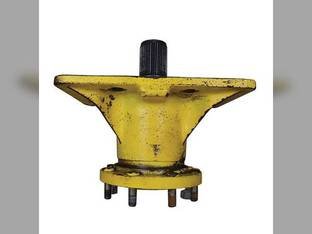
Some gehl 7810 problems show up when the machine moves poorly. It may pull to one side, lose drive power, or not respond smoothly when you push the controls. In many cases, the issue is not the engine. It is the drive system.
Credit: fastline.com
Common causes
- Low hydraulic drive oil
- Worn drive motors or pumps
- Contaminated fluid
- Damaged drive chains or sprockets
- Control linkage problems
- Brake or parking brake drag
Skid steers rely on hydraulic drive power. If one side is weak, the machine may not track straight. If both sides are weak, the main pump, engine power, or system pressure may be the issue.
What operators often miss
Brake drag is easy to overlook. A partially engaged brake or sticky braking component can make the machine feel underpowered. Another overlooked issue is track or tire condition. Uneven wear changes how the machine steers and can make a healthy drive system feel faulty.
Also check for contamination in the fluid. Dirty drive oil can damage internal parts slowly, so the machine may work for a while before failing more clearly.
Fix strategy
Start by checking fluid and listening for abnormal noise during movement. If one side is weak, compare response from both sides. If the machine moves better after warm-up, wear inside the drive components is likely. In that case, a pressure test will give more useful information than guesswork.
Electrical Problems, Dead Controls, and Warning Lights
Electrical faults can create some of the most confusing gehl 7810 problems. The machine may start sometimes and fail at other times. Warning lights may appear without a clear pattern. Controls may stop working even when the engine runs normally.
Common causes
- Bad battery or charging system
- Loose ground connection
- Corroded wiring
- Blown fuse or relay
- Faulty switch or sensor
- Damaged harness from vibration or rubbing
Electrical faults can be tricky because one bad connection can affect several systems. A weak ground may cause random symptoms that seem unrelated. That is why visual inspection is important before replacing parts.
Signs of electrical trouble
If the machine loses power after hitting bumps, suspect a loose wire or broken connection. If lights dim when the engine should be charging, test the alternator and battery. If a function works only sometimes, a switch or relay may be failing.
Corrosion is a common enemy on older equipment. Moisture, dirt, and vibration slowly damage connectors. A wire may look fine from the outside while the metal inside has already failed.
Practical fix
Clean battery terminals and ground points first. Then check fuse blocks and relays. If a specific circuit keeps failing, inspect the wiring along the frame for rubbing or pinch points. Small wire damage can cause big headaches.
For a basic reference on battery and charging system care, the Battery Council International is a helpful source.
Overheating and Cooling System Issues
Overheating is one of the more damaging gehl 7810 problems because it can lead to engine wear, hose damage, and loss of power. If the temperature rises too high, stop the machine and find the cause before continuing work.
Common causes
- Low coolant
- Dirty radiator or oil cooler
- Blocked airflow from dust and debris
- Bad thermostat
- Cooling fan problems
- Worn water pump
Compact loaders work in dirty environments, so cooling fins can clog fast. Even if the radiator looks only partly dirty, airflow can still be restricted enough to raise temperature under load.
What makes overheating worse
Heavy pushing, high ambient heat, and continuous operation all raise engine temperature. If the machine overheats only during hard work, the cooling system may be marginal rather than fully failed.
Another hidden issue is incorrect coolant mix. Too much water or old coolant can reduce protection and cooling efficiency. That problem may not show up right away, but it adds stress over time.
Fix steps
Clean the radiator and coolers carefully from the correct side so debris is pushed out, not deeper inside. Check coolant level only when the engine is cool. Inspect fan belts, hose condition, and thermostat function if the machine still runs hot after cleaning.
Do not keep operating a machine that overheats. Repeated overheating can turn a small cooling issue into a major engine repair.
Attachments Not Working Properly
Hydraulic attachment failure is another common part of gehl 7810 problems. A bucket, auger, grapple, or other attachment may move slowly, stop working, or behave in a weak way.
Credit: yardguides.com
Common causes
- Quick couplers not fully connected
- Blocked auxiliary hydraulic lines
- Low system pressure
- Worn auxiliary control valve
- Attachment hose damage
- Incorrect attachment setup
One easy mistake is assuming the attachment is broken when the real issue is a poor connection at the couplers. If a coupler is not seated fully, flow can be restricted and performance drops fast.
What to check
Inspect both sides of the hydraulic quick couplers. Clean dirt before connecting them. Look for kinked hoses, leaks, and damaged seals. If the attachment works weakly on the machine but normally elsewhere, the loader’s auxiliary circuit is likely the cause.
Also make sure the attachment is suitable for the machine’s hydraulic flow. A tool that needs more flow than the machine can provide will always feel weak, even if nothing is technically broken.
Why These Problems Keep Coming Back
Some owners fix one issue and then face the same gehl 7810 problems again a few weeks later. That usually means the root cause was not removed. The machine may have been repaired, but the condition that caused the failure stayed in place.
Common root causes
- Skipped maintenance
- Wrong fluid or filter quality
- Operating with low oil levels
- Dirty work environment
- Ignoring early warning signs
- Previous poor repair work
This is where many beginners miss the real lesson. A single failed filter may not be the true problem. The filter may have failed because the machine was already contaminated or because service intervals were too long. That is why solving the symptom is not enough.
Another non-obvious point: heat, vibration, and dirty conditions can create repeated failures in the same area. If a hose keeps leaking or a connector keeps coming loose, the repair method may need improvement, not just replacement parts.
Preventing repeat failures
Use the correct fluids, service on time, and inspect problem areas during every routine check. Keep the machine clean enough to spot leaks early. Small habits often prevent expensive downtime.
When a Repair Is Worth Doing and When It Is Not
Not every issue deserves a major rebuild. Some gehl 7810 problems are simple and low-cost. Others point to deeper wear that can become expensive fast. Knowing the difference helps you spend money wisely.
| Problem type | Likely repair level | Typical approach |
|---|---|---|
| Dead battery, dirty terminals | Low cost | Clean, test, replace battery if needed |
| Clogged filters, low fluid | Low to moderate | Service fluids and inspect for leaks |
| Weak hydraulics from worn seals | Moderate | Repair cylinder or valve leak |
| Worn pump or drive motor | Higher cost | Test pressure before rebuilding or replacing |
| Engine compression wear | High cost | Confirm condition before major engine work |
If the machine still has strong structure, good hours management, and a clean service record, many repairs are worth doing. But if multiple major systems are worn at the same time, it may be smarter to compare repair cost with machine value.
Simple Maintenance Habits That Prevent Big Trouble
The best way to reduce gehl 7810 problems is steady maintenance. You do not need advanced tools for most preventive care. You need discipline and attention.
- Check fluid levels before work starts.
- Clean coolers and filters often.
- Watch for new noises, leaks, or slow response.
- Use correct hydraulic and engine oil.
- Replace filters on schedule, not only when they fail.
- Inspect hoses, belts, wiring, and couplers during routine service.
One useful habit is to write down small changes. If the machine begins starting slower, lifting slower, or running hotter than before, note it. That record often helps identify the cause before the machine stops completely.
Another smart practice is to keep the exterior clean around service points. Dirt hides leaks, cracks, and loose hardware. Clean machines are easier to inspect and usually easier to keep healthy.
Credit: fastline.com
Final Thoughts on Keeping the Gehl 7810 Reliable
Most gehl 7810 problems are manageable when you diagnose them in the right order. Start with simple checks. Look for fluid issues, electrical faults, worn filters, and signs of contamination. Then move to pressure tests or deeper mechanical inspection if needed.
The Gehl 7810 can remain a dependable machine for a long time, but only if it gets regular care and fast attention when symptoms appear. If you treat small problems early, you can avoid downtime, protect major components, and keep the machine productive on the job.
FAQs
1. What are the most common Gehl 7810 problems?
The most common issues are hard starting, weak hydraulics, drive trouble, electrical faults, overheating, and attachment flow problems. Most of these start from low fluid, dirty filters, worn parts, or loose connections.
2. Why does my Gehl 7810 start hard when it is cold?
Cold-start trouble often comes from a weak battery, bad glow plugs, dirty fuel filters, or air in the fuel system. Cold weather makes all of these problems worse.
3. What should I check first if the hydraulics feel weak?
Check hydraulic oil level, filter condition, and signs of leaks first. Also listen for pump noise. A whining sound can mean the system is starving for oil or pulling air.
4. Can dirty filters cause major Gehl 7810 problems?
Yes. Dirty air, fuel, or hydraulic filters can reduce engine power, block fuel flow, and damage hydraulic components over time. A clogged filter is a small part that can create a big failure.
5. When should I stop using the machine and call a mechanic?
Stop work if the machine overheats, loses drive power suddenly, shows heavy smoke, or makes loud hydraulic noise. These are signs that continued use may cause more damage.