
If your John Deere Gator bed lift not working, the problem is usually simple: power, wiring, switch, fuse, or a stuck actuator. The bed lift system is not very complicated, so you can often find the fault with a few quick checks.
This guide walks you through the most likely causes, the fastest fixes, and the best troubleshooting order. You will also learn how to tell the difference between an electrical problem, a mechanical jam, and a weak actuator so you do not waste time replacing the wrong part.
Most issues can be solved with basic tools and a careful inspection. A flashlight, multimeter, wrench set, and some patience are usually enough to get the dump bed working again.
For wider troubleshooting context, compare this guide with John Deere Gator Dump Bed Problems: Causes, Fixes, and Troubleshooting Tips, John Deere Gator dump bed problems, John Deere Gator 625i problems.
Start with the most likely cause
When a Gator bed lift stops working, the most common cause is a loss of power to the actuator. That can happen because of a blown fuse, a bad ground, a failed relay, a damaged switch, or loose wiring. In many cases, the actuator itself is still fine.
Before you assume the motor is dead, check whether the bed tries to move at all. If you hear a click but no motion, that often points to power reaching the system but not enough current getting through. If you hear nothing, the switch, fuse, or wiring is more likely the problem.
One useful clue is whether the bed works in one direction only. If it lowers but will not raise, or raises but will not lower, that usually narrows the issue to the switch, control circuit, or a partially failing actuator. A fully stuck bed often points to a mechanical bind, not an electrical failure.
Quick symptoms and what they usually mean
| Symptom | Most likely cause | What to check first |
|---|---|---|
| No sound at all | Fuse, battery, switch, ground | Battery voltage, fuse, connector, ground wire |
| Clicking sound, no lift | Weak battery, relay, binding actuator | Voltage under load, mechanical bind, terminals |
| Lift works one way only | Switch failure or wiring issue | Switch continuity, harness damage |
| Moves slowly | Low battery, corrosion, worn actuator | Battery health, dirty terminals, actuator load |
| Motor runs but bed does not move | Disconnected linkage or stripped actuator gear | Mounting pins, linkage, actuator output |
Check the electrical system first
Electrical faults cause a large share of bed lift problems because the actuator depends on clean power. Even a small voltage drop can make the lift weak or stop it completely. A 12-volt system that reads fine at rest can still fail under load.
Start with the battery. A fully charged 12-volt battery should read about 12.6 volts or higher when the machine is off. If it drops near 12.0 volts or lower, the actuator may not get enough power to move the bed. Low voltage is easy to miss because other accessories may still seem normal.
Next, inspect the fuse, relay, and key switch circuit if your model uses one. A fuse can look fine and still fail, so test it with a meter if possible. Corrosion on a fuse holder or relay socket can also interrupt current flow even when the part itself is good.
What to inspect in order
- Battery charge — make sure the battery is not weak or partially discharged.
- Terminals — look for white or green corrosion, loose clamps, or damaged cables.
- Fuse — test it, do not rely only on visual inspection.
- Relay — listen for a click and swap with a known good relay if the style matches.
- Ground connection — check for rust, paint, or loose hardware.
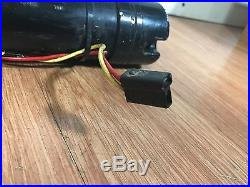
- Wiring harness — look for rubbed insulation, pinched wires, or broken connectors.
A bad ground is one of the most overlooked issues. The lift may act dead, slow, or inconsistent because current cannot return cleanly to the battery. Cleaning a ground point with a wire brush and tightening the bolt can solve a problem that looked expensive at first.
If the system has power but the bed still does nothing, test voltage at the actuator connector while pressing the switch. That is a simple way to see whether power is actually reaching the lift motor. If voltage is present but the actuator does not move, the actuator or mechanical side is the next place to look.
Test the switch, relay, and wiring harness
The switch is the command center for the bed lift. If it fails, the actuator never gets the signal to move. Many switches fail from moisture, dirt, vibration, or worn internal contacts.
One non-obvious issue is that a switch can work only when pressed hard or held at a certain angle. That usually means the contacts are worn or the connector pins are loose. If the bed works intermittently, do not ignore that clue. Intermittent problems usually get worse over time.
Check the switch connector for bent pins, corrosion, or heat damage. Heat marks or melted plastic are a warning sign that the circuit has been drawing too much current or making a poor connection. If your meter shows the switch is not sending continuity when pressed, replace it.
Credit: john-deere-gator.info
How to tell if the switch is bad
- The bed lift works only sometimes.
- You hear no relay click when pressing the switch.
- The switch feels loose, sticky, or uneven.
- The actuator works when jumped directly, but not from the switch.
Wiring problems are often hidden in the harness near moving parts. Pay close attention where wires bend around the frame, bed hinge, or actuator mount. Repeated motion can break copper strands inside the insulation while the outside still looks normal.
If you are comfortable using a multimeter, check continuity from the switch to the relay and from the relay to the actuator. A simple continuity test can save hours of guessing. If the wiring checks out and power still does not reach the actuator, the control circuit is likely the issue.
Look for mechanical binding or a jammed bed
Sometimes the bed lift is not failing electrically at all. The actuator may be fine, but the bed is stuck because of a bent mount, overloaded cargo, rust, or debris in the hinge area. A lift motor under heavy strain may click, slow down, or shut off on thermal protection.
Check the cargo bed for overloading first. A bed full of wet soil, gravel, or firewood can put far more strain on the system than expected. Even if the bed is within the rated payload, a shifted load can create uneven pressure and make the actuator struggle.
Inspect the bed hinge, pivot points, and lift arm for rust, dirt, or impact damage. A bent linkage can create a bind that looks like an electrical failure. If the actuator tries to move but the bed barely shifts, disconnecting the actuator from the bed can help you isolate whether the jam is in the bed or the motor assembly.
Signs of a mechanical problem
- The actuator runs, but the bed barely moves.
- The bed starts to lift, then stops halfway.
- You see a twisted linkage or bent pin.
- The bed moves better when empty than when loaded.
Do not force a stuck bed with extra power or repeated switch presses. If the bed is bound up, forcing it can strip gears inside the actuator or bend the mounting points. A careful inspection is safer and usually cheaper.
Lubricate the hinge points only if the owner manual allows it and use the correct type of lubricant. Too much grease on the wrong area can collect dirt and make binding worse later. Clean movement is better than heavy grease in many outdoor utility applications.
For official operating and maintenance guidance, the official owner support page is a good place to verify service resources for your exact Gator model.
Inspect the actuator itself
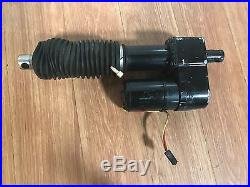
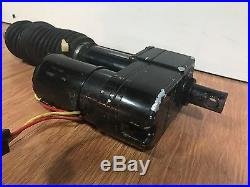
If the battery, switch, wiring, and bed mechanism all check out, the actuator is the next likely failure point. The actuator is the electric motor and gear unit that physically lifts the bed. Like any motor, it can wear out, lose strength, or fail internally.
A common sign of actuator trouble is a motor sound without movement. That often means the motor is spinning but the gears are stripped, the internal limit switch has failed, or the output shaft is no longer driving the bed. Another clue is a burning smell or excessive heat after a short attempt to lift.
Some actuators fail slowly. They may still move the bed, but only when the battery is fully charged or the bed is nearly empty. That weak performance usually means the motor is aging or the internal gearing is wearing out. A healthy actuator should lift smoothly and consistently without needing a perfect battery every time.
How to isolate the actuator
- Disconnect the bed load if possible.
- Check the actuator mounting pins and output linkage.
- Listen for motor noise when the switch is pressed.
- Test for power at the actuator plug.
- If power is present but motion is absent, the actuator is likely faulty.
One practical test is a direct battery jump test, if the model and wiring setup allow it safely. If the actuator works directly from power but not through the switch, the problem is upstream. If it still does nothing, the actuator likely needs replacement.
Be careful with limit switches inside the actuator. Some units stop at the top and bottom of travel using internal controls. If those parts fail, the lift may stop in the wrong place or not respond at all. That is why a motor that “sounds alive” is not always actually usable.
Troubleshoot by model behavior, not guesswork
The fastest repair path is to match the symptom to the cause. Guessing often leads to replacing a good actuator when the real issue is a corroded connector. Use a methodical order so each test gives you a clear answer.
Credit: john-deere-gator.info
Best troubleshooting order
- Confirm battery health with a voltage check.
- Inspect fuses and grounds for corrosion or looseness.
- Test the switch for continuity and consistent operation.
- Check voltage at the actuator while pressing the switch.
- Inspect the bed and linkage for binding or damage.
- Test or replace the actuator only after the earlier steps pass.
This order works because it starts with the cheapest and most likely failures. It also helps you avoid buying parts you do not need. On many utility vehicles, the real issue is not the actuator itself but the current path feeding it.
Another useful check is temperature. If the actuator or relay gets hot very quickly, that often means high resistance somewhere in the circuit. High resistance creates heat before it creates a full failure, so catching it early can prevent more damage.
Common mistakes people make
- Replacing the actuator before checking the fuse and ground.
- Ignoring a weak battery because the starter still works.
- Testing only at rest instead of under load.
- Forcing a jammed bed and damaging the linkage.
- Missing corrosion inside connectors and ground points.
One thing many owners miss is that a battery can be “good enough” to start the machine but still too weak for the bed lift. The starter and the actuator do not always demand the same kind of current. That is why a voltage test under load matters.
How to fix the problem without wasting parts
Once you identify the failed area, the repair is usually straightforward. Clean and tighten electrical connections first, because that solves many problems with no parts replacement. Replace damaged wires, blown fuses, failed switches, or a weak actuator only after testing confirms the fault.
If you find corrosion, clean the terminals and reconnect them firmly. If the ground point is rusty, remove it, clean the metal, and reinstall it tightly. If the switch fails continuity testing, replace the switch with the correct part for your model. If the actuator has power but will not move, replacement is usually the proper fix.
After the repair, test the bed several times with and without a load. Watch for smooth lifting, even motion, and no odd noises. A strong repair should work consistently, not just once.
It also helps to reduce future stress on the system. Keep the bed hinges clean, avoid overloading, and do not leave heavy material pressed against one side of the bed for long periods. Small habits can prevent the same failure from returning.
When to stop and call a professional
Call a technician if you find burned wiring, melted connectors, repeated fuse failures, or signs of damage inside the control circuit. Those problems can point to deeper electrical faults that need more advanced diagnosis. Safety matters here, especially if you are working near heavy moving parts.
You should also get help if the bed is stuck in a raised position and will not lower safely. A raised dump bed can fall suddenly if a support fails, so do not place any part of your body under it unless it is properly secured. Use the machine’s safety support procedures before doing deeper inspection.
If the actuator, switch, and wiring all test fine but the bed still will not move, a professional may need to inspect the controller, internal gear damage, or frame alignment. At that point, more tools and experience can save time.
For safe handling of moving parts and maintenance work, review the manufacturer’s safety guidance before deeper repairs. That step matters more than most owners think, especially when the bed is lifted or partially lifted.
Simple maintenance that prevents repeat failures
Preventing a future lift problem is easier than chasing one later. Keep the battery charged, clean terminals twice a season, and inspect the harness around the bed hinge every few months. Dirt, moisture, and vibration are the biggest enemies of electric bed lift systems.
Use the bed within the machine’s rated limits. Overloading may not break the lift instantly, but it shortens actuator life and puts stress on switches and relays. Also, do not ignore slow movement. Slow movement is often the first sign of a problem, not the last.
If your Gator is used in mud, snow, or dusty conditions, wash and dry the moving areas regularly. Corrosion builds slowly, and once it starts, it creates resistance that makes the lift work harder every time. That extra strain can turn a minor issue into a full failure.
With a careful test order and basic maintenance, most cases of John Deere Gator bed lift not working can be solved without major repair. Start with power, then control, then movement. That simple process finds the problem faster than random part swapping and usually gets the bed working again with less cost and less frustration.
Credit: john-deere-gator.info
After the main fault is fixed, run the machine briefly under light load and recheck the related belt, wiring, fuel, fluid, and safety-switch areas before returning it to normal work.
FAQs
Why does my John Deere Gator bed lift click but not move?
A click usually means the switch or relay is sending a signal, but the actuator is not getting enough current to move. The most common causes are a weak battery, corroded connections, a bad ground, or a failing actuator under load.
Can a bad battery stop the bed lift even if the Gator starts?
Yes. A battery can still crank the machine but fail under the higher load needed for the bed lift. The actuator may need stronger current than the starter in some situations, so voltage under load matters.
What if the bed lift works sometimes and not others?
Intermittent operation usually points to a loose connection, worn switch, weak relay, or broken wire inside the harness. Heat, vibration, and moisture often make these problems worse over time.
How do I know if the actuator is bad?
If power reaches the actuator but it does not move, or if it runs weakly, makes noise without lifting, or gets hot quickly, the actuator may be failing. A direct power test can help confirm whether the problem is inside the unit.
Is it safe to work under a raised Gator bed?
No, not unless the bed is properly secured with the correct support method. A raised bed can drop without warning if a support fails, so use caution and follow the machine’s safety instructions before working underneath it.