
If you own a John Deere Gator 625i, you already know why people like it. It is useful, tough, and easy to trust on farms, ranches, and large properties. But like any machine, it can develop problems over time. Some issues are small and simple. Others can leave the vehicle hard to start, weak on power, or unsafe to drive.
This guide explains the most common john deere gator 625i problems, why they happen, and what you can do to fix them. The goal is simple: help you find the real cause faster, save money on repairs, and avoid guesswork. You do not need to be a mechanic to understand the main trouble spots.
We will look at starting issues, fuel problems, overheating, transmission trouble, electrical faults, brake concerns, and other common complaints. You will also learn a few details many beginners miss, like how a dirty battery ground can act like a bad starter, or how a weak fuel pump can mimic an ignition problem.
Quick diagnosis for John Deere Gator 625i running, clutch, and bed lift trouble
Use this quick table before replacing parts. It matches the problems owners usually search for: a Gator 625i that runs rough, loses power, acts like it has a clutch problem, or has a dump bed that will not lift.
| Symptom | Most likely causes | What to check first |
|---|---|---|
| Cranks but will not start, or starts and dies | Weak battery, bad ground, stale fuel, clogged filter, weak fuel pump, or ignition/safety switch fault | Load-test the battery, clean grounds, listen for fuel pump prime, and confirm spark before buying a starter. |
| Runs rough, bogs, or loses power under load | Restricted fuel flow, dirty air filter, worn drive belt, clutch wear, overheating, or heavy cargo load | Check air filter, fuel filter, fuel pump output, belt condition, cooling airflow, and whether power drops mainly on hills. |
| Jerky takeoff, belt squeal, or hard shifting | Primary clutch wear, secondary clutch binding, glazed belt, high idle speed, or shift linkage adjustment | Inspect belt glazing, clutch sheaves, idle speed, and linkage movement before assuming transmission failure. |
| Electric dump bed will not lift or lowers slowly | Blown fuse, weak battery, bad switch, loose ground, failed actuator, hinge binding, or overload | Check battery voltage, fuse, switch power, actuator ground, hinge movement, and bed load weight. |
If the bed lift is the main issue, compare the checks with the John Deere Gator dump bed problems guide. If the symptoms point to fuel starvation, the Kawasaki fuel pump problems checklist can help you test the fuel side without guessing.
Why the Gator 625i develops problems
The John Deere Gator 625i is built for work, not comfort. That means it often runs in dust, mud, heat, rain, and heavy loads. Those conditions wear parts faster than normal driving would. Many problems are not caused by one broken part. They come from a chain of small issues: dirty filters, weak battery voltage, old fuel, loose connections, or worn belts.
Another reason is simple use pattern. A machine that sits for weeks can have different issues than one used every day. Long storage can cause fuel to go stale, battery charge to drop, and rubber parts to dry out. On the other hand, hard daily work can wear the clutch, brakes, and suspension faster.
The good news is that many john deere gator 625i problems show clear warning signs before a full failure happens. If you know what to look for, you can usually catch the issue early.
Starting problems and no-start conditions
One of the most common complaints is a Gator that will not start, or starts only after several tries. This can happen in hot weather, cold weather, or after the vehicle has been parked for a while.
Common causes
- Weak or dead battery
- Corroded battery terminals
- Bad ground connection
- Faulty starter relay or starter motor
- Fuel delivery problem
- Ignition switch issue
- Safety switch not allowing start
What to check first
Start with the battery. A battery can show enough power for lights or a dash, but still fail under starter load. Clean both terminals and check the ground cable where it attaches to the frame or engine. A loose or rusty ground can cause a no-start condition that looks much worse than it is.
If you hear a click but the engine does not crank, suspect the relay, starter, or a weak battery. If the engine cranks but does not fire, the issue is more likely fuel or ignition related.
Useful fix steps
- Charge and test the battery.
- Clean battery terminals and cable ends.
- Check the main ground connection.
- Listen for relay clicks when turning the key.
- Verify fuel is reaching the engine.
- Inspect safety switches if the machine seems dead.
Non-obvious insight: Many owners replace the starter first, but a weak battery or bad ground is often the real cause. The starter may be fine. It just is not getting full power.
Fuel system issues that cause rough running
Fuel-related trouble is another major source of john deere gator 625i problems. The Gator may start, then stall. It may idle poorly, lose power on hills, or feel like it is starving for fuel under load.
Symptoms you may notice
- Engine sputters at higher speed
- Hard starting after storage
- Loss of power when climbing or carrying cargo
- Engine dies after running for a few minutes
- Strong fuel smell or poor throttle response
Likely causes
Old fuel is a big one. Gasoline breaks down over time, especially if ethanol is present. Dirty fuel filters and a weak fuel pump can also cause low fuel pressure. If the tank vent is blocked, fuel may not flow correctly as the engine uses fuel.
Sometimes the problem is simple contamination. Water in the tank, dirt in the filter, or debris inside the fuel line can create the same symptoms as a failing pump.
Fixes that often help
- Drain stale fuel and refill with fresh fuel.
- Replace the fuel filter if it is dirty or old.
- Check fuel lines for cracks, kinks, or leaks.
- Listen for the fuel pump when turning the key on.
- Inspect the tank cap vent if the engine improves after loosening the cap.
Non-obvious insight: A clogged fuel filter can look like an electrical problem because the engine may run fine at idle but fail under load. That happens because the fuel demand rises when the machine works harder.
Overheating and cooling system trouble
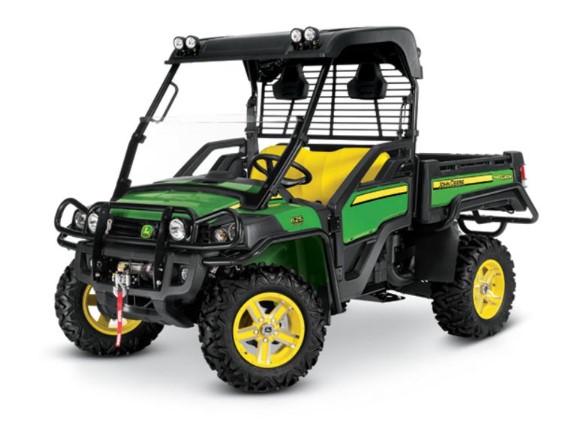
The Gator 625i is often used in dusty or grassy areas, so cooling system problems are common. Overheating can damage the engine if ignored. The machine may run hot on slow jobs, in summer heat, or while towing heavy loads.
Credit: tractordetails.net
Main causes of overheating
- Dirty radiator fins
- Blocked air flow
- Low coolant level
- Faulty thermostat
- Weak water pump circulation
- Fan not working properly
What to do
Check the radiator first. Dust, seeds, grass, and mud can block the fins. Clean it carefully so air can pass through. Then check coolant level and look for leaks around hoses, clamps, and the radiator itself.
If the Gator overheats only at low speed, the fan may not be doing its job. If it overheats under load, the cause may be low coolant, blocked fins, or poor circulation.
Do not remove a hot radiator cap. Let the system cool fully before checking coolant.
Best prevention
- Clean the radiator often, especially after dusty work
- Inspect hoses for swelling or soft spots
- Replace weak clamps before they fail
- Use the correct coolant mix
- Do not overload the vehicle on hot days
If you want a basic reference for engine cooling and overheating symptoms, the AA1Car overheating guide is helpful and easy to understand.
Transmission and drive performance complaints
Some owners report that the Gator moves poorly, jerks, slips, or seems slow even when the engine sounds normal. These are often transmission or drive system problems.
Common symptoms
- Jerky takeoff
- Slow acceleration
- Loss of pulling power
- Drive belt slipping
- Noise during acceleration
- Machine not reaching expected speed
What usually causes it
The drive belt can wear, glaze, or stretch. When that happens, power transfer gets worse. Worn clutches or damaged pulleys can also reduce performance. If the vehicle feels weak only under load, the belt or clutch system is a prime suspect.
Fluid issues can matter too, depending on the system setup and service history. If moving parts are not maintained, they create extra heat and friction. That lowers efficiency and makes the Gator feel sluggish.
How to inspect it
- Look at the drive belt for cracks, glazing, or fraying.
- Check for debris around the clutch area.
- Listen for squealing or rubbing noises.
- Notice whether the issue is worse when the bed is loaded.
- Compare uphill performance with flat-ground performance.
Non-obvious insight: A slipping drive belt often feels like an engine power problem, but the engine may be fine. If RPM rises but speed does not, power is being lost after the engine, not before it.
Electrical faults, warning lights, and charging trouble
Electrical issues can be frustrating because they often come and go. One day the machine starts fine. The next day it acts dead or throws a warning light.
Common electrical problems
- Battery not holding charge
- Charging system failure
- Blown fuse
- Loose wiring connector
- Corrosion in plugs or terminals
- Faulty ignition switch
Typical signs
You may see dim lights, slow cranking, random stalling, or accessories that stop working. Sometimes the machine starts and runs, but the battery goes dead after a few uses. That often points to a charging problem rather than a battery problem alone.
What to inspect
- Check the battery voltage.
- Inspect charging output if you have a meter.
- Look for loose or corroded wire ends.
- Check fuses and relays.
- Inspect harnesses for rubbing or broken insulation.
Electrical faults often hide in plain sight. A connector may look attached but still be loose enough to fail under vibration. That is why pressing, cleaning, and reseating connectors can solve a problem that looked major.
Brake problems and poor stopping power
Brakes are a safety issue, not just a comfort issue. If the Gator takes too long to stop, pulls to one side, or makes grinding noise, it needs attention fast.
What causes brake trouble
- Worn pads or shoes
- Contaminated brake parts
- Low brake fluid, if applicable
- Sticking caliper or linkage
- Rust after long storage
Signs of brake wear
Long stopping distance is the most obvious clue. You may also feel a soft pedal, hear squealing, or notice that one wheel gets hotter than the others. If the machine sat for months, rust can make the brakes drag or stick.
What helps
- Inspect friction material thickness
- Check for oil or grease contamination
- Test the brake linkage movement
- Clean rust from parts that should move freely
- Replace worn components before they damage other parts
Do not ignore brake drag. It can make the machine feel underpowered, increase fuel use, and overheat the brake parts.
Steering, suspension, and ride issues
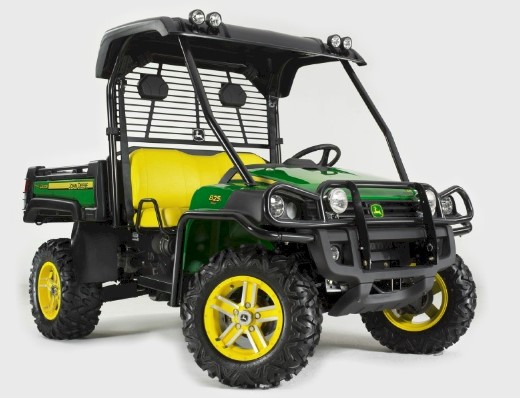
Many people focus on engine trouble, but loose steering or rough ride can be just as annoying. These issues are common on work vehicles that travel over rough ground.
Credit: tractordetails.net
What you may feel
- Loose steering wheel
- Front end vibration
- Uneven tire wear
- Clunking over bumps
- Vehicle pulling to one side
Possible causes
Worn tie rod ends, loose suspension parts, bad wheel bearings, or incorrect tire pressure can all create these symptoms. Sometimes the issue is not a broken part. Unequal tire pressure alone can make steering feel wrong.
Check tire condition before replacing suspension parts. A damaged tire or mismatched tire pressure can mimic alignment or steering wear.
Simple inspection points
- Check tire pressure on all four wheels.
- Inspect tread wear for uneven patterns.
- Look for looseness in steering joints.
- Listen for clunks during turns and bumps.
- Check wheel bearings for rough movement.
Common body and cargo bed problems
The cargo bed is one of the Gator’s main strengths, but it also takes abuse. Problems here can affect daily use, especially if the vehicle carries heavy loads often.
Frequent issues
- Bed latch not locking well
- Hydraulic or lift mechanism trouble, if equipped
- Rust on bed hardware
- Loose hinges
- Bed floor damage from overload
Why they happen
Heavy loads create stress on the frame and pivot points. Dirt and moisture speed up wear. If the bed is used roughly, the latch and hinge points can loosen over time. A bed that does not latch correctly may rattle, shift, or feel unsafe during driving.
Good habits
- Do not exceed the rated load
- Keep latch points clean
- Lubricate moving hinge parts when needed
- Check for cracks after hard use
How to diagnose John Deere Gator 625i problems in the right order
The fastest way to fix a problem is to avoid random part swapping. Start with the easiest checks first. Many john deere gator 625i problems can be found with a short, smart inspection.
Best diagnostic order
- Check battery condition and terminal cleanliness.
- Look for visible loose wires, leaks, or broken parts.
- Confirm fresh fuel and clean filters.
- Watch for overheating signs or blocked airflow.
- Inspect belts, brakes, and tires for wear.
- Test the machine under light load and then normal load.
This order matters because many symptoms overlap. For example, a weak battery can cause poor starting, weak charging symptoms, and even strange sensor behavior. A clogged fuel filter can feel like an engine misfire. A slipping belt can feel like low engine power.
If you test in a calm, step-by-step way, you are far more likely to find the real cause the first time.
Preventive maintenance that reduces breakdowns
The best fix is often prevention. The Gator 625i will last longer and break down less if you give attention to a few small things on a regular schedule.
Maintenance habits that help most
- Keep the battery charged during storage
- Use fresh fuel and avoid long fuel storage
- Clean the radiator and air intake area often
- Inspect belts before they fail
- Check tire pressure regularly
- Look for leaks, loose fasteners, and damaged wires
Small habits with big value
One of the smartest habits is to listen to the machine. New sounds often appear before a full failure. Another smart habit is to inspect after washing or mud work, because water and dirt can hide damage. Also, do not ignore a problem that “goes away.” Intermittent trouble is often the earliest sign of a bigger issue.
| Problem area | Common symptom | Likely cause | First fix to try |
|---|---|---|---|
| Starting | No crank or slow crank | Battery, ground, starter relay | Test battery and clean terminals |
| Fuel system | Stalling or power loss | Old fuel, filter, fuel pump | Replace fuel filter and use fresh fuel |
| Cooling | Engine runs hot | Dirty radiator, low coolant | Clean fins and check coolant level |
| Drive system | Slipping or weak pull | Worn belt or clutch issue | Inspect belt for wear |
| Electrical | Dead battery or flickering lights | Charging fault or loose wiring | Check battery voltage and connectors |
When to stop troubleshooting and call a professional
Some repairs are safe for a careful owner. Others are better left to a mechanic. If the engine has internal noise, if the cooling system keeps overheating after basic checks, or if the machine has repeated electrical failures, professional diagnosis is worth it.
Get help if you see metal shavings in oil, smell burning electrical parts, or notice serious brake failure. Also call a pro if you have checked the basic items and the problem still comes back. That usually means the issue is deeper than a simple worn part.
One more practical point: repeated failure after a repair often means the real root cause was missed. For example, a new battery will not fix a bad charging system. A new fuel filter will not fix a cracked fuel line that keeps pulling air into the system.

Credit: lawnmowerly.com
Final thoughts
Most John Deere Gator 625i issues are not mysterious once you know where to look. The usual causes are battery trouble, dirty fuel, poor airflow, worn belts, loose connections, and normal wear from hard work. Start with the simple checks first, and do not rush to replace expensive parts before testing the basic ones.
If you stay ahead of maintenance, many john deere gator 625i problems can be prevented or fixed early. That means less downtime, lower repair cost, and a machine that stays ready when you need it most.
FAQs
1. Why does my John Deere Gator 625i crank but not start?
This usually means the engine is getting either weak fuel delivery or weak spark. Check the battery first, then inspect the fuel system, fuel filter, and connections. Old fuel is a very common cause after storage.
2. What is the most common cause of John Deere Gator 625i starting problems?
The most common cause is a weak battery or bad battery connection. Corrosion, loose terminals, and poor ground contact can stop enough current from reaching the starter.
3. Why does my Gator 625i lose power when climbing hills?
This often points to a fuel restriction, weak fuel pump, or a slipping drive belt. It can also happen if the engine is overheating and losing performance under load.
4. How often should I clean the radiator on a Gator 625i?
Clean it whenever dirt, grass, or dust starts to build up. If you use the machine in dusty or grassy areas, check it often. A blocked radiator can lead to overheating quickly.
5. When should I replace the drive belt?
Replace the drive belt when you see cracks, glazing, fraying, slipping, or loss of pulling power. Do not wait for a full break if the belt already shows clear wear.