
If you own a zero-turn mower, you already know how fast it can make yard work. The John Deere Z925M is built for heavy cutting, strong control, and long work days. But like any machine, it can develop issues over time. Some are small and easy to fix. Others need careful checking before they turn into bigger repairs.
This guide covers the most common john deere z925m problems, why they happen, and what you can do to solve them. You will learn how to spot early warning signs, avoid repeat failures, and keep the mower working better for longer. The goal is simple: help you understand the problem before it costs you time and money.
If you are trying to diagnose a strange sound, weak drive power, cutting problems, or starting trouble, you are in the right place. We will keep the language simple and the fixes practical.
What usually goes wrong on a Z925M
Most john deere z925m problems fall into a few basic groups: starting issues, fuel system trouble, steering or drive weakness, poor cutting, overheating, and electrical faults. That is useful because it means you do not always need to guess. If you know the symptom, you can narrow the cause much faster.
One thing many owners miss is that mower problems often start with maintenance, not broken parts. Dirty air filters, old fuel, loose belts, weak batteries, and low fluid levels can create symptoms that look serious. Before replacing expensive parts, always check the simple things first.
Another important point: some problems only show up when the mower is hot. A machine may start and run fine in the shop, then fail after 20 or 30 minutes in the field. That usually points to fuel delivery, electrical heat failure, or clogged cooling parts.
Starting problems and hard starts
One of the most common complaints is a mower that will not start, starts slowly, or needs several tries before the engine catches. This can be frustrating, especially when the mower was working fine the day before.
Common causes
- Weak or dead battery
- Dirty battery terminals or loose cable connections
- Old fuel or fuel left in the tank too long
- Clogged fuel filter
- Bad spark plugs
- Safety switch problems
- Starter or solenoid failure
How to fix it
Start with the battery. Check the voltage and make sure the terminals are clean and tight. A battery can look fine but still fail under load. If the engine clicks but does not crank, the battery may not have enough power even if the lights or gauge panel still work.
Next, check the fuel. Old gasoline can break down and create gum inside the fuel system. If the mower has sat for a while, drain the bad fuel and replace it with fresh fuel. Replace the fuel filter if it is dirty or unknown in age.
Inspect the spark plugs for carbon buildup, wear, or moisture. A worn plug can cause weak ignition even if the engine almost starts. Also check the seat switch, brake switch, and PTO switch. These safety parts can stop the starter circuit if they fail or shift out of position.
Non-obvious insight: A mower that cranks normally but starts only after you release the key may have a weak ignition circuit or voltage drop. That is easy to miss because the starter itself seems fine.
Engine runs rough, stalls, or loses power
If the mower starts but does not run smoothly, the engine may surge, shake, stall at idle, or lose power under load. These john deere z925m problems often point to airflow, fuel flow, or ignition trouble.
Common causes
- Dirty air filter
- Clogged fuel filter or fuel line restriction
- Bad fuel pump
- Dirty carburetor or injector system issues, depending on engine setup
- Worn spark plugs
- Blocked cooling fins
- Vacuum leak
How to fix it
Begin with the air filter. A clogged filter limits air, and that can make the engine run rich, rough, or weak. Replace it if it is dirty. Then check the fuel filter and fuel lines. If fuel flow is weak, the engine may run for a short time and then stall.
Look for old fuel, especially if the mower sat through the off-season. Ethanol fuel can absorb water and cause running trouble. If the engine surges at steady speed, that often means it is getting uneven fuel delivery.
Make sure the engine cooling fins and screen are clear. Overheating can cause loss of power and random shutoff. Dirt, grass, and debris build up fast when mowing dry or dusty areas.
For a deeper engine diagnosis, check the manufacturer service information or a trusted parts source. If you need official product support, the John Deere parts and service page is a useful place to verify components and service options.
Fuel system trouble that looks like engine failure
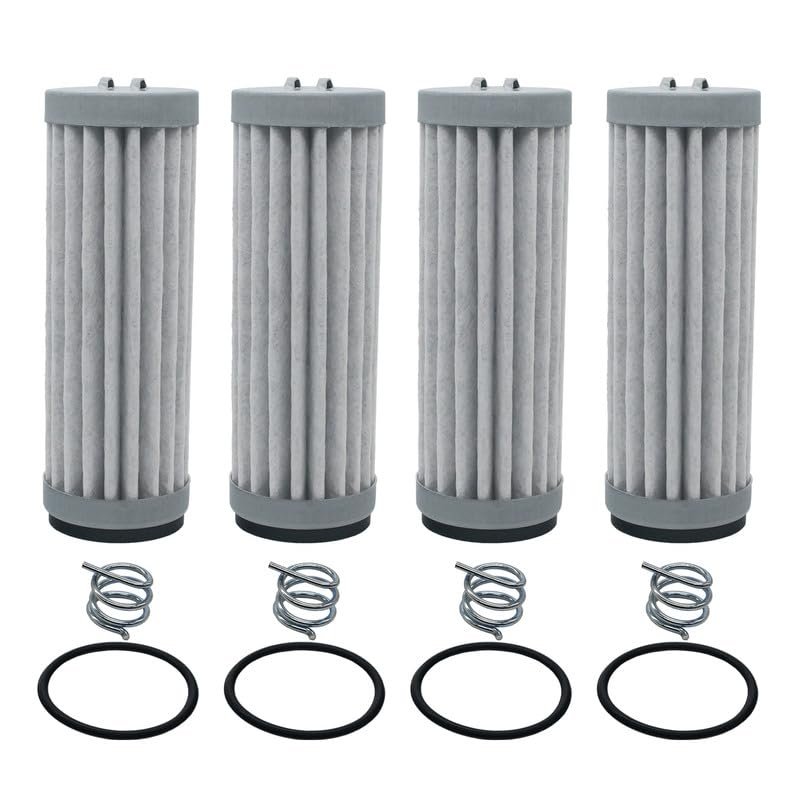
Fuel problems are easy to confuse with bad spark or a worn engine. In many cases, the engine itself is still healthy. It just is not getting the right amount of fuel at the right time.
Credit: amazon.com
Common signs
- Engine starts, then dies after a few seconds
- Loss of power when climbing or cutting thick grass
- Stalling after warming up
- Hard restarts after sitting for a short time
- Fuel smell, leaks, or wet hoses
Common causes
A clogged fuel filter is one of the first things to check. So is the fuel cap vent. If the vent is blocked, a vacuum can form in the tank and restrict fuel flow. That means the mower may run for a while, then stall, then restart again after sitting.
Fuel lines can also crack or soften with age. Small leaks may not leave much puddling, but they can still let air into the system and create poor running. A weak fuel pump can produce the same symptom pattern.
Non-obvious insight: Many fuel problems show up more during hot weather. Heat makes weak rubber lines softer and can make marginal fuel vaporize faster. That can cause the mower to act worse in the afternoon than in the morning.
Best fix path
- Replace old fuel with fresh fuel.
- Change the fuel filter.
- Inspect all fuel lines for cracks or soft spots.
- Check the tank vent and cap.
- Test the fuel pump if the problem continues.
Cut quality problems and uneven mowing
Another common complaint is poor cut quality. The mower may leave stragglers, cut unevenly, scalp high spots, or leave one side taller than the other. These issues are often blamed on the deck alone, but the cause can be simple setup or worn parts.
Common causes
- Dull or damaged blades
- Wrong tire pressure
- Deck out of level
- Worn deck spindle or pulley
- Loose belt
- Cutting too fast in thick grass
- Grass buildup under the deck
How to fix it
Start by checking the blades. Dull blades tear grass instead of cutting it cleanly. That makes the lawn look brown or uneven even when the mower is otherwise working well. Sharpen or replace blades if needed.
Then check tire pressure. Uneven tire pressure can change deck height from side to side and create a bad cut. This is a simple step, but many people skip it. It matters more than most owners think.
Make sure the deck is level. A deck that is too low in one corner can scalp turf and leave uneven rows. Check belt condition and tension too. If the belt slips, blade speed drops and the cut quality gets worse.
Heavy grass can also overload the deck. If the mower is moving too fast, the blades may not have enough time to lift and cut the grass well. Slow down in thick or wet conditions.
Non-obvious insight: A poor cut is not always a blade problem. Sometimes it is a blade speed problem caused by a slipping belt, weak pulley, or debris packed around the deck housing.
Drive issues, weak movement, or no movement
If the mower starts but does not move correctly, the problem may be in the drive system. This is one of the more important john deere z925m problems because it directly affects safety and control.
Common symptoms
- Mower moves slowly
- One side drives weaker than the other
- Jerky movement
- Mower will not move forward or reverse
- Noise from hydrostatic drive area
Common causes
- Low hydraulic fluid
- Air in the hydraulic system
- Worn drive belt
- Loose linkage or control arm issue
- Damaged wheel motor or pump
- Bypass valve left open
How to fix it
Check the hydrostatic fluid level first. Low fluid can cause weak drive performance and noisy operation. Also inspect for leaks around fittings, hoses, and seals. Even a small leak can create big control problems over time.
Look at the drive belt for cracks, glazing, or slack. If the belt slips, the mower may feel weak or uneven. If one side drives differently, inspect the linkage and control system for adjustment issues or worn parts.
If the mower has been moved or serviced recently, make sure the bypass valve is fully closed. An open bypass valve can make it seem like the drive system has failed when the real issue is simple.
Hydrostatic problems can be harder to diagnose than belt issues. If you hear unusual noise, feel heat, or notice slow response even with proper fluid levels, have the pump and motor system checked before further damage occurs.
Steering and control feel loose or uneven
Some owners notice that the mower does not track straight, or that one control arm feels different from the other. This does not always mean the hydro drive is failing. Sometimes the issue is mechanical play, adjustment, or wear in the control system.
Common causes
- Loose linkage hardware
- Worn control arms or bushings
- Uneven tire pressure
- Bent part after impact
- Hydraulic mismatch between sides
What to check
First, compare both tires. Uneven pressure can pull the mower to one side and make the steering feel wrong. Then inspect the control arms, pivot points, and fasteners. A small amount of looseness can change tracking more than expected.
If the mower pulls strongly in one direction even after tire pressure and linkage are checked, the issue may be inside the hydraulic side of the drive system. In that case, the mower should be tested more carefully before more parts are replaced.
Overheating during mowing
Overheating is a serious issue because it can shorten engine life and make the mower shut down in the middle of work. It may start as a small performance drop and become a major failure if ignored.

Credit: mrmotorproblems.com
Common causes
- Blocked air intake or cooling fins
- Dirty engine screen
- Low oil level
- Old oil
- Working in heavy grass without breaks
- Debris packed around the engine or deck
Fix steps
Clean the cooling system first. Remove grass, dust, and debris from the engine area, screen, and fins. Check the oil level and change the oil if it is overdue. Heat moves faster through clean surfaces, so a clean engine often runs better than many owners expect.
Do not overlook mowing conditions. Cutting thick grass at high speed can trap heat in the machine. Taking shorter passes and slower ground speed can help reduce stress on the engine and drive system.
Non-obvious insight: A mower that overheats may also show fuel issues, because heat can cause vapor lock or weak fuel delivery. That is why cooling and fuel checks should be done together.
Electrical issues, blown fuses, and random shutoffs
Electrical problems can be annoying because they often appear without warning. The mower may start one day and act dead the next. Or it may die while mowing and then work again later.
Common causes
- Loose battery connection
- Blown fuse
- Faulty safety switch
- Bad ground connection
- Failing ignition switch
- Damaged wiring harness
How to check it
Inspect the battery terminals and ground cable first. A poor ground can create all kinds of strange behavior, including no-start, weak cranking, and random shutoff. Make sure connections are tight and free of corrosion.
If a fuse keeps blowing, do not replace it again and again without checking the circuit. That usually means there is a short, damaged wire, or failed component pulling too much current.
Safety switches can also cause intermittent shutoffs. If the seat switch, brake switch, or PTO switch is damaged or out of alignment, the mower may stop as a protective response. This can be confusing because the machine may fail only when you hit bumps or shift position.
| Symptom | Most likely cause | First fix to try |
|---|---|---|
| No crank | Battery, terminals, safety switch | Clean terminals and test battery |
| Starts then dies | Fuel flow, fuel cap vent, ignition issue | Replace fuel filter and check vent |
| Weak cut quality | Blades, belt, deck level | Sharpen blades and level deck |
| Slow drive | Hydraulic fluid, belt, linkage | Check fluid level and belt condition |
| Random shutoff | Safety switch or wiring fault | Inspect switches and ground connection |
How to prevent repeat problems
The best way to reduce john deere z925m problems is not to wait for a failure. A few regular habits will prevent many of the issues discussed above.
Keep up with basic care
- Change engine oil on schedule
- Replace air filters and fuel filters when needed
- Use fresh fuel
- Clean the deck after mowing
- Check tire pressure often
- Inspect belts and blades regularly
Do seasonal checks
Before the mowing season starts, test the battery, inspect all fluid levels, and look for leaks or cracked hoses. Before storage, clean the mower well and stabilize the fuel if it will sit for a long time. This one habit can prevent many spring startup issues.
Also, do not ignore small changes. A louder belt, slower crank, rougher idle, or slight steering pull often appears weeks before a real breakdown. Catching those small signs early is one of the cheapest ways to protect the machine.
When to stop DIY repair and call a technician
Some fixes are safe and simple. Others need proper tools, experience, or diagnostic testing. If the mower has hydraulic failure, repeated fuse blowing, engine compression problems, or severe electrical faults, professional help is the smarter choice.
Call a technician if:
- The mower loses drive power completely
- The engine overheats even after cleaning and checking fluids
- A fuse keeps blowing after replacement
- You smell burning wiring or see melted connectors
- The engine has low compression or internal noise
Trying to guess on these problems can make the damage worse. A good repair on the right day is cheaper than replacing a major assembly later.

Credit: mrmotorproblems.com
Final thoughts
The most common john deere z925m problems are usually not random. They follow a pattern: weak battery, dirty filters, old fuel, worn belts, poor deck setup, low hydraulic fluid, or neglected cooling. Once you know the pattern, diagnosis becomes much easier.
Start with simple checks. Battery, fuel, air filter, blades, belt, tire pressure, and fluid level solve more problems than many owners expect. If those basics are good and the issue remains, then move to deeper testing. That approach saves time, reduces mistakes, and helps you keep the mower in service longer.
FAQs
1. What are the most common John Deere Z925M problems?
The most common issues are hard starting, rough running, weak drive power, poor cutting quality, overheating, and electrical faults. In many cases, the root cause is basic maintenance, such as dirty filters, old fuel, or worn belts.
2. Why does my Z925M start and then die?
This usually points to a fuel delivery issue, a blocked fuel cap vent, a weak fuel pump, or a faulty safety switch. A dirty fuel filter is one of the first things to check.
3. Why is the mower cutting unevenly?
Uneven cutting is often caused by dull blades, incorrect tire pressure, a deck that is not level, or a slipping belt. Grass buildup under the deck can also affect cut quality.
4. What should I check if the mower will not move properly?
Check the hydrostatic fluid level, drive belt condition, control linkage, and bypass valve position. If one side is much weaker, the hydraulic system may need deeper inspection.
5. How can I reduce future John Deere Z925M problems?
Follow a regular service schedule, use fresh fuel, clean the mower after use, keep tires at the correct pressure, and inspect belts, blades, and fluids often. Small checks now can prevent expensive repairs later.