
If your machine slips, shudders, or will not engage cleanly, John Deere 850 RSX clutch problems usually come down to wear, adjustment, or a simple electrical fault. The good news is that many of these issues are easy to diagnose before you replace major parts.
This guide breaks down the most common causes, the symptoms to watch for, and the fixes that actually work. You will also see how to tell a clutch issue from a belt, starter, or switch problem, so you do not waste time or money on the wrong repair.
One key point many owners miss: a clutch can still “work” while being weak. That means the vehicle may move, but under load the problem gets worse. Catching it early often saves the clutch, the belt system, and the starter drive.
For wider troubleshooting context, compare this guide with John Deere 2130 problems, John Deere differential lock problems, John Deere 850 problems.
How the clutch system is supposed to work
The clutch is the link between engine power and drivetrain movement. When it engages properly, power transfers smoothly and the machine moves without slipping, grinding, or jerking. When it fails, the symptoms can look confusing because the problem may show up only under load, at higher RPM, or when the machine is hot.
On many small utility and off-road machines, clutch trouble is not always just one broken part. The real issue can be a worn friction surface, weak coil, poor grounding, damaged wiring, or a misaligned belt path. That is why a careful check matters more than guessing.
Before replacing parts, it helps to understand the difference between engagement and holding power. A clutch may click on and off normally but still slip once engine torque rises. That is one of the most common mistakes owners make when chasing John Deere 850 RSX clutch problems.
What happens during engagement
When you activate the clutch, an electric coil or mechanical action creates force that locks the drive connection. If the clutch face is glazed, oily, overheated, or worn thin, it may not grip well enough. If voltage is low, the coil may not pull hard enough to hold.
That is why a weak battery can create a clutch complaint that looks mechanical. A clutch does not need just “some” power. It needs the right voltage and a solid ground path to work consistently.
Most common causes of clutch failure
Most John Deere 850 RSX clutch problems fall into a few clear categories. Start with the simplest checks first, because many failures are caused by support systems around the clutch rather than the clutch itself.
1. Worn friction surfaces
Heat and age wear down the clutch face. As the material gets thinner or glazed, it cannot grip the pulley or drive surface properly. You may notice more slip when climbing hills, carrying weight, or accelerating from a stop.
Wear often builds slowly. Owners get used to the weaker engagement and only notice it when the machine starts losing drive under load. If the clutch has been slipping for weeks, nearby parts may also show heat damage.
2. Weak coil or poor electrical supply
Electric clutch systems depend on consistent voltage. A battery below about 12.4 volts at rest can already be a warning sign, and voltage drop during cranking may make engagement unreliable. A bad relay, corroded connector, or weak switch can create the same result.
One non-obvious clue: the clutch may work cold but fail after several minutes. Heat increases resistance in bad connections, so the clutch gets weaker as the machine warms up.
3. Belt problems that feel like clutch failure
Not every slip comes from the clutch itself. A stretched, cracked, oil-soaked, or misrouted belt can mimic clutch trouble. If the belt is shiny, glazed, or riding too low in the pulley groove, it may be losing grip even when the clutch is fine.
Check belt tension and routing carefully. A belt that looks “close enough” can still create major engagement issues if it is the wrong size or installed with a twist.
4. Overheating from repeated hard use
Clutches get hot when they are asked to engage too often under heavy load. Short trips, stop-and-go movement, steep terrain, or towing can raise heat fast. Once a clutch overheats, it can glaze the friction surface and lose holding power.
Heat damage is often permanent. If the clutch smells burned or the surface looks blue, dark, or polished like glass, the problem is usually more than adjustment.
5. Grounding and connector issues
A clutch can be perfect and still fail if the ground path is poor. Rust, paint, loose bolts, and dirty terminals reduce current flow. Many owners replace parts before checking the simplest thing: the electrical path from battery to clutch.
This is one of the cheapest fixes, but also one of the most overlooked. A tight, clean ground can restore normal operation when the clutch seemed ready for replacement.
Symptoms that point to clutch trouble
The symptoms can vary, but most failures leave a pattern. Watch for changes in how the machine starts moving, how fast it responds, and whether the problem changes with heat or load.
| Symptom | What it often means | What to check first |
|---|---|---|
| Slipping under load | Worn clutch face or weak engagement | Belt condition, clutch wear, voltage |
| Jerky engagement | Glazed surface or belt issue | Clutch face, pulley alignment |
| No engagement at all | Electrical fault or failed coil | Fuse, switch, relay, connector |
| Works cold, fails hot | Heat-related resistance or weak coil | Wiring, ground, coil condition |
| Burning smell | Slip and heat buildup | Clutch face, belt, pulley drag |
Another clue is the sound. A healthy clutch usually engages with a clean change in engine load. A failing one may squeal, chatter, or make the engine rev higher without a matching increase in movement.
If the machine feels weak only on hills or when carrying weight, that is a strong sign of partial slip. A complete failure is easier to notice, but partial slip is often the stage where damage is still preventable.
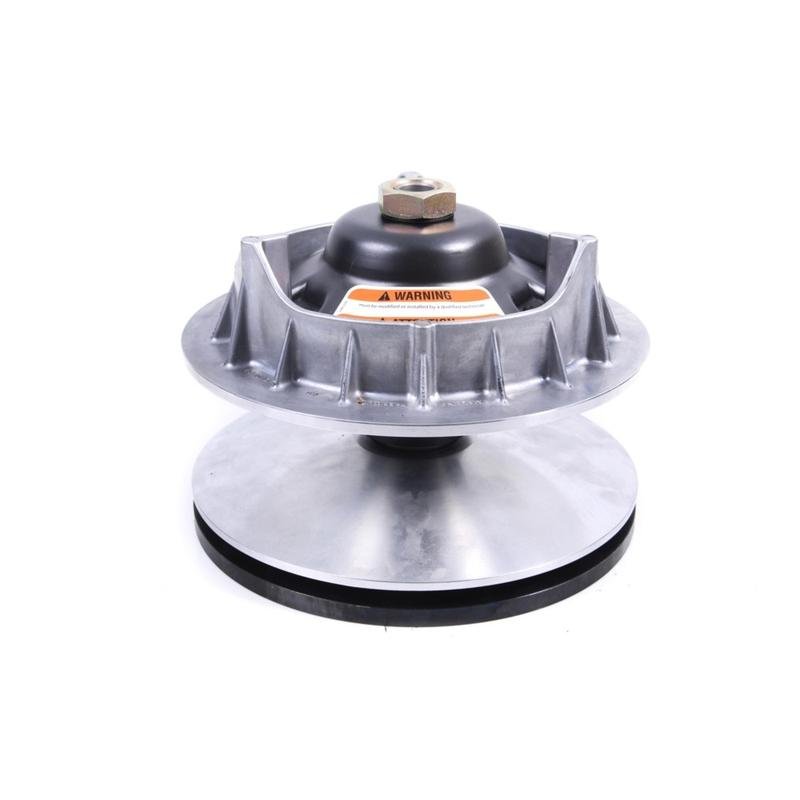
Credit: peakboys.ca
How to diagnose the problem step by step
Start with the most likely cause: simple electrical or belt issues. Many clutch complaints are solved without removing the clutch at all. Work in order so you do not miss the obvious fix.
-
Check battery voltage.
A fully charged 12-volt battery should usually read around 12.6 volts at rest. If it is much lower, charge or test the battery first. Weak voltage can make the clutch act dead or inconsistent.
-
Inspect fuses, switches, and connectors.
Look for corrosion, looseness, broken insulation, and heat damage. Wiggle the harness gently while testing engagement. If the clutch cuts in and out, the fault may be in the wiring, not the clutch.
-
Check the belt and pulleys.
Remove the belt cover if needed and inspect for cracks, glazing, fraying, and oil contamination. Spin pulleys by hand with the engine off. They should turn smoothly without grinding or wobble.
-
Test clutch operation under light load.
Engage the system and listen closely. If the clutch snaps in but slips as soon as load increases, the friction surface may be worn or overheated. If there is no reaction at all, focus on electrical supply.
-
Measure voltage at the clutch connector.
If you have a multimeter, test at the clutch plug while engaging the switch. A strong battery with weak voltage at the clutch means a wiring or relay loss somewhere in the circuit.
One useful habit: test both cold and warm. Heat-related faults often hide during a quick driveway check. A five-minute run can reveal problems that a one-minute test will miss.
If you suspect a failed coil, compare resistance with service specs from the manufacturer. For safe machine maintenance and inspection guidance, the official manufacturer support page is a good place to start before opening the system further.
Fixes that actually solve the problem
Once you know the cause, the repair usually becomes straightforward. The right fix depends on whether the failure is electrical, mechanical, or heat-related.
Clean and tighten electrical connections
Start here if the clutch is intermittent. Remove corrosion from terminals, tighten grounds, and check plugs for bent pins. Use dielectric grease only after the connection is clean and dry, not before.
A weak ground is often mistaken for a bad clutch. If the clutch suddenly starts working after terminal cleaning, you have likely found the issue. Do not skip this step, even if it looks too simple.
Replace a worn or glazed belt
If the belt is shiny, cracked, or stretched, replace it with the correct part number. Wrong belt size can change the pulley angle and create chronic slip. After installation, confirm proper routing and tension.
Do not reuse a belt that has been soaked in oil or overheated. Once the rubber is damaged, performance rarely returns to normal for long.
Adjust or replace the clutch assembly
When the friction surface is worn or the coil is weak, replacement is often the best move. If the clutch has visible burn marks, uneven wear, or a warped face, repairs are usually short-lived.
Owners sometimes try to “clean” a badly worn clutch and expect it to recover. That may work for light contamination, but not for hard glazing or heat damage.
Fix the root cause of overheating
If the same clutch keeps failing, look for the reason it got hot. Heavy towing, repeated stop-start use, seized pulleys, or belt misalignment can all overheat a new clutch quickly. Fixing the symptom without fixing the load pattern wastes parts.
That is one of the most overlooked John Deere 850 RSX clutch problems: the replacement part is not defective, but the machine’s operating conditions are. The new clutch then fails for the same reason as the old one.
Repair related mechanical drag
Check for binding pulleys, damaged bearings, or debris in the drive path. A clutch that has to fight extra drag will wear faster and run hotter. Even a small amount of resistance can create big heat over time.
If a pulley does not spin freely by hand, replace it before installing another clutch. Otherwise, the new part may fail early.
Common mistakes that make the repair worse
Many clutch repairs go wrong because owners focus on the symptom, not the system. A few mistakes show up again and again.

Credit: tractorfarmyard.com
Replacing the clutch before checking voltage
This is probably the most expensive shortcut. A clutch that is not getting full power can seem bad, but the real fault may be a battery, relay, or wire. Always test supply first.
Ignoring heat damage around the belt path
If nearby plastic, guards, or hoses show heat stress, the clutch may have been slipping for some time. Replacing only the clutch without checking surrounding parts often leads to repeat failure.
Using the wrong belt
Even a small size difference can change performance. A belt that is a little too long may ride poorly and slip under load. A belt that is too short can overload bearings and raise heat.
Skipping pulley inspection
Worn pulley bearings create drag that feels like clutch trouble. If the pulley does not spin smoothly, the clutch is working harder than it should. That extra load shortens service life fast.
These mistakes matter because clutch parts rarely fail alone. The surrounding system usually shows the real cause if you look closely enough.
When to repair and when to replace
Repair makes sense when the issue is electrical, the belt is worn, or the clutch is only lightly contaminated. Replacement makes more sense when the clutch is burned, warped, mechanically noisy, or slipping after repeated correction attempts.
If the clutch has visible discoloration, deep grooves, or a strong burned smell, replacement is usually the safer choice. If the clutch tests weak only because of voltage loss, replacing it without fixing the wiring will not solve anything.
A practical rule: if you need to touch the same part twice in a short period, stop and look for the root cause. Repeated clutch failure is often a system problem, not a bad part problem.
Also, do not ignore safety. Disconnect power before inspection, keep hands clear of belts and pulleys, and avoid testing with loose clothing. If a repair needs internal electrical testing or you are not comfortable with disassembly, a qualified technician can save time and reduce risk.
How to prevent the problem from coming back
Prevention is mostly about heat control, clean power, and regular inspection. Check the belt before it becomes glossy, keep terminals clean, and make sure the clutch area stays free of debris and oil.
After heavy use, let the machine cool before parking it in a tight enclosed space. Heat trapped around the clutch can age components faster, especially if the belt area already runs hot.
It also helps to pay attention to load habits. Frequent hard starts, steep climbs, and towing near the machine’s limit will shorten clutch life. Reducing those stresses can add a lot of service time.
One more detail many owners miss: a weak battery can create a chain reaction. Poor voltage stresses the clutch, the starter, and the charging system. Keeping the battery in good condition protects more than one part.
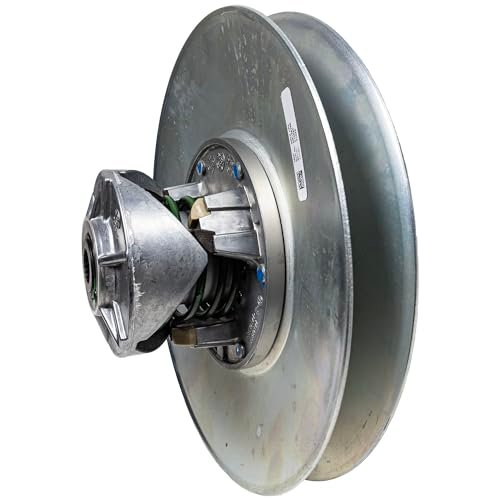
Credit: amazon.com
Final takeaway
Most John Deere 850 RSX clutch problems are caused by worn friction material, low voltage, bad connections, belt issues, or heat damage. The best repairs start with simple checks and move toward replacement only when the evidence points there.
If you test the electrical supply, inspect the belt path, and look for signs of heat or drag, you can usually find the real fault without guesswork. That approach saves time, avoids repeat failure, and keeps the machine working the way it should.
After the main fault is fixed, run the machine briefly under light load and recheck the related belt, wiring, fuel, fluid, and safety-switch areas before returning it to normal work.
FAQs
1. What are the first signs of a failing clutch?
The first signs are usually slipping under load, delayed engagement, burning smell, or jerky movement. Some clutches also work when cold but fail after the machine heats up.
2. Can a weak battery cause clutch problems?
Yes. A weak battery can lower voltage enough to make the clutch engage poorly or act intermittently. Always test battery condition before replacing the clutch.
3. How do I know if the belt is the real problem?
Check for cracks, glazing, fraying, oil contamination, and incorrect routing. If the clutch engages but drive still slips, the belt or pulley system may be the main cause.
4. Is it safe to keep using the machine with a slipping clutch?
It is not a good idea. Continued slip creates heat, which can damage the clutch, belt, and nearby components. The problem usually gets worse, not better.
5. When should I replace the clutch instead of repairing it?
Replace it if the clutch is burned, warped, noisy, or still slipping after you fix voltage, wiring, belt, and pulley issues. If the friction surface is badly worn, replacement is usually the most reliable fix.