
Castor oil can help with pests, soil issues, and a few garden jobs when you use it the right way. If you are searching for how to use castor oil in garden, the short answer is simple: dilute it, apply it carefully, and target the right problem.
This oil is not a magic fix, and it is not the best answer for every garden problem. But when you understand where it works, where it fails, and how to handle it safely, it can be a useful part of your garden routine.
Below, you will learn the main benefits, the safest application methods, common mistakes, and the best practices that help you get real results without harming plants, pets, or soil life.
What castor oil can actually do in a garden
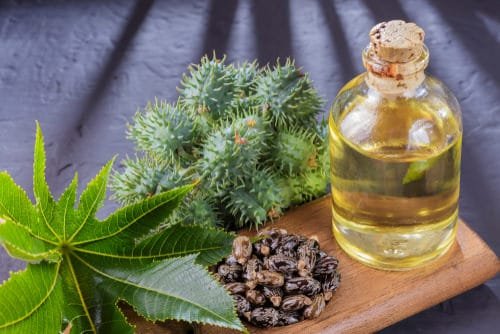
Castor oil is mainly used as a pest deterrent, not a broad pesticide. It has a strong smell and a sticky feel that can make some animals and insects avoid treated areas. That is why many gardeners use it for lawn digging pests, perimeter protection, and sometimes for handling small maintenance tasks like loosening sticky tools or cleaning garden equipment.
The biggest value is usually deterrence. Castor oil may help make your garden less attractive to moles, voles, and some burrowing pests. It is not guaranteed to remove an infestation, but it can make the area less comfortable for them. That matters most when the damage is fresh and you want to protect a lawn, bed edge, or vegetable patch.
There is also a practical reason to use it: it can be a lower-toxicity option compared with harsh chemicals. Still, “natural” does not mean harmless. Strong concentration can clog soil surfaces, coat leaves, or stress young plants. Used correctly, it has a place. Used carelessly, it can create a mess without solving the original problem.
Where castor oil is most useful
- Deterring moles and voles from lawns and beds
- Helping protect newly seeded areas from digging activity
- Creating a boundary around vulnerable garden zones
- Supporting short-term pest control alongside other methods
Where it is not a good fit
- Severe insect outbreaks that need targeted treatment
- Diseased plants, where oil will not fix the cause
- Dry, stressed soil that should not be coated heavily
- Delicate seedlings if the mixture is too strong
How to use castor oil in garden safely and effectively
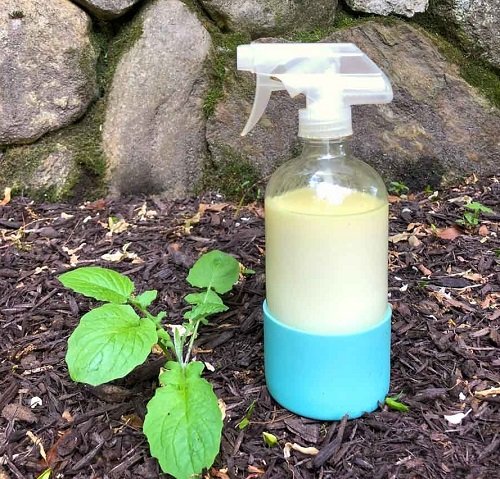
The safest approach is to dilute castor oil with water and a small amount of mild soap so it can spread evenly. Pure castor oil is thick and hard to apply. It can also sit on top of soil or leaves instead of mixing well, which reduces its usefulness.
A common garden mix is around 2 to 4 tablespoons per gallon of water, plus a few drops of liquid dish soap to help it emulsify. Some commercial products are already blended, so always follow the label first if you bought a ready-made formula. Home mixes can work, but only if you shake them well before use.
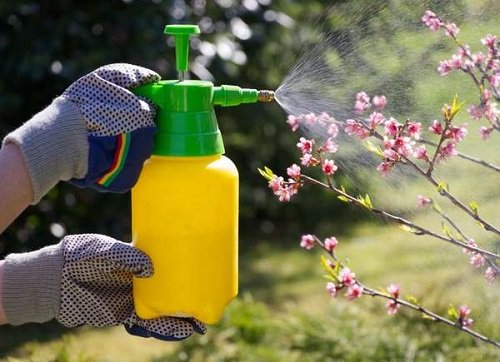
Apply the mix to the problem area, not randomly across the whole garden. For mole or vole control, focus on burrow zones, runways, and damaged strips of lawn. For perimeter use, treat a band around the edge of beds or areas you want to protect. Reapply after heavy rain, because water can wash it away fast.
Basic tools and materials
- Castor oil or a ready-made castor oil garden product
- A bucket, pump sprayer, or garden sprayer
- Water
- Mild liquid soap for mixing, if needed
- Gloves
Step-by-step application method
- Identify the exact problem area. Look for tunnels, mounds, or repeated digging.
- Mix the solution according to the product label or a light dilution ratio.
- Shake or stir well so the oil stays suspended in the water.
- Test a small patch first, especially on tender plants or new grass.
- Apply evenly to soil, lawn edges, or the targeted zone.
- Watch the area for 3 to 7 days to see whether activity drops.
- Repeat after rain or as the product directions recommend.
A simple dilution guide
For many home garden uses, a light mix is better than a strong one. Too much oil can leave a film on the soil and reduce the chance of even spreading. The goal is coverage, not soaking.
| Use case | Typical mix | Notes |
|---|---|---|
| General perimeter treatment | 2 tablespoons per gallon of water | Good for light deterrence around beds and borders |
| Mole or vole problem areas | 3 to 4 tablespoons per gallon of water | Apply to tunnels, runways, and damaged patches |
| Spot treatment | Use a small amount in a sprayer | Best for testing before larger coverage |
If you want a reliable safety reference for handling garden chemicals and reducing exposure, the EPA guidance on pesticides is a good starting point. Even with natural products, basic protection and label reading matter.
Benefits gardeners usually notice first
The first benefit many people notice is reduced digging. Moles and voles may avoid treated sections if the scent and soil feel change enough. That does not always happen immediately, so short patience matters. Results often show up over several days, not the same afternoon.
Another benefit is that castor oil can fit into a mixed strategy. It works best when paired with lawn repair, clean-up, and fixing the conditions that attract pests. For example, if your lawn has moist, soft soil and lots of grubs, the oil may help a little, but the deeper issue still needs attention.
A third benefit is flexibility. You can use it on borders, in specific lawn strips, or around garden spaces without spraying the entire yard. That makes it more practical than some broad treatments. It also helps avoid overuse, which is a common beginner mistake.
Credit: balconygardenweb.com
Three non-obvious things most beginners miss
- Castor oil works better as a deterrent than a knockout treatment. If you expect it to eliminate pests instantly, you will likely be disappointed.
- Wet soil changes the result. If the ground is already soft and full of food sources, pests may stay active even after treatment.
- Reapplication matters more than strength. A moderate mix used again after rain often works better than one overly strong application.
Common mistakes that reduce results
One of the biggest mistakes is using castor oil too strong. More is not better here. Heavy oil can collect on the surface and may make the treated area unpleasant without improving pest control. A balanced dilution usually gives better coverage and less waste.
Another mistake is spraying the wrong target. Castor oil will not fix fungus, nutrient problems, root rot, or insect damage in general. If you use it for the wrong issue, you may think it failed when the real problem was never a burrowing pest in the first place.
A third mistake is applying it once and giving up too soon. Pest pressure changes over time. If tunneling is active, you may need several rounds of treatment combined with lawn repair and drainage improvements. That is especially true after rain, when the scent can fade or wash away.
How to tell whether castor oil is the right option
Look at the damage pattern. Moles usually leave raised tunnels and mounds. Voles often create runways, clipped plants, and shallow burrows. If you see random holes but no tunnel lines, the cause may be something else. Correct identification saves time and keeps you from using the wrong treatment.
If you are not sure, check at dawn or late afternoon, when activity is easier to notice. Fresh soil movement, missing roots, or repeated tunnel collapse are good clues. If the problem keeps spreading fast, castor oil alone may not be enough.
Best practices for getting better results
Start small and observe. A test patch tells you whether the mix is too strong and whether the area responds at all. This is especially smart near vegetables, young ornamentals, and freshly seeded grass. Small tests reduce risk and help you avoid unnecessary work.
Time your application with the weather. Dry conditions can help the product stay where you put it, but extremely dry soil may also reduce absorption. Light moisture is often better than saturated ground. Avoid applying right before heavy rain, since runoff can weaken the treatment and move it outside the target area.
Keep your garden healthy at the same time. Compact soil, overwatered beds, and thick weed growth can all make pest problems worse. Castor oil may help with deterrence, but it works best when your garden is not already under stress.
Credit: castoroil-guide.com
Best-use checklist
- Use a diluted mix, not straight oil
- Target the active area, not the whole yard
- Repeat after rain or according to label directions
- Combine with cleanup and soil care
- Test on a small patch first
Safety tips you should not skip
Wear gloves when mixing and spraying. Castor oil can leave hands slippery and may irritate skin for some people. Keep children and pets away until the treated area is dry. If you use a sprayer, rinse it well after use so it does not clog.
Do not spray directly on edible leaves unless the product label clearly says it is safe for that use. Even then, wash produce carefully. For kitchen gardens, many gardeners prefer perimeter treatment rather than direct contact with harvest crops.
When castor oil makes sense compared with other garden options
Castor oil makes sense when you want a low-toxicity deterrent and the problem is localized. It is a good fit for a lawn edge, a bed border, or a known tunnel zone. It is less useful if the issue is widespread or tied to deeper soil or moisture problems.
If you need immediate removal of a major pest infestation, you may need traps, habitat changes, or professional help. Castor oil can be part of the plan, but it should not be the only plan when the damage is active and growing. That is the key difference many gardeners overlook.
For many people, the smartest use is a layered one: identify the pest, treat the hot spots, improve soil conditions, and repeat only where needed. That approach saves time and prevents overapplication. It also lowers the chance of harming helpful soil activity.
A practical decision guide
- Choose castor oil if the problem is mild to moderate and tied to digging pests.
- Choose a different solution if the issue is disease, insects, or root damage unrelated to tunneling animals.
- Combine methods if the damage is recurring or spread across a larger area.
Final takeaways for using castor oil well
If you want real results from how to use castor oil in garden care, focus on dilution, timing, and targeting. Castor oil is best used as a careful deterrent, not a universal cure. That simple mindset will save you from most beginner mistakes.
The most effective approach is to treat the right area, use a light and even mix, and repeat after rain or as needed. Keep watching the garden for signs of change, and adjust only if the problem is truly related to burrowing pests. Used this way, castor oil becomes a useful tool instead of an expensive experiment.
For gardeners who want a safer, lower-toxicity option with a clear purpose, castor oil can earn its place. It will not solve every problem, but it can help protect lawns and beds when the conditions are right.
Credit: castoroil-guide.com
FAQs
1. How often should I apply castor oil in the garden?
Most gardeners reapply after heavy rain or every 1 to 2 weeks during active pest pressure. Always follow the label if you are using a commercial product, since concentration and coverage can differ.
2. Can castor oil hurt plants?
It can, if you apply it too strongly or spray directly on sensitive leaves. A light, diluted mix is safer, and testing a small area first is the best way to avoid damage.
3. Does castor oil get rid of moles permanently?
No, not always. It may push them away from treated zones, but it usually works as a deterrent, not a permanent removal method. If the soil still offers food and easy digging, the pests may return.
4. Is castor oil safe for vegetable gardens?
It can be used carefully, but direct spraying on edible parts is not the best idea unless the product label clearly allows it. Many gardeners prefer using it around the border of the garden instead of on crops.
5. What is the biggest mistake people make with castor oil?
The most common mistake is using it too strong or expecting instant results. Castor oil works better as a targeted deterrent with repeat use and good garden maintenance behind it.