
Yes, can you use neem oil on vegetable garden is a practical question, and the short answer is yes, if you use it correctly. Neem oil is one of the most common organic pest-control options for home gardens because it can help with soft-bodied insects and some fungal problems without leaving a harsh residue.
But neem oil is not a magic spray. It works best when you know what it can do, what it cannot do, and when not to use it. Used the wrong way, it can burn leaves, miss the pest problem, or make no difference at all.
Here is the simple version: neem oil can be useful in a vegetable garden, but timing, mixing, and plant sensitivity matter. You will also want to know which crops tolerate it well, how often to spray, and how to avoid common mistakes that hurt beneficial insects or damage leaves.
What neem oil does in a vegetable garden
Neem oil comes from the seeds of the neem tree. Gardeners use it mainly as a contact spray and a smothering spray. That means it can coat small insects, interfere with feeding, and make it harder for some pests to grow and reproduce.
It is most useful against pests like aphids, whiteflies, spider mites, thrips, and scale in their early stages. It can also help reduce the spread of some fungal issues when used as a preventive spray, especially on leaves that have not yet been badly infected. It is not a fast knockdown product like a strong chemical insecticide, so patience matters.
One detail many beginners miss: neem oil does not stay useful forever once it is sprayed on the plant. Sunlight, rain, and new leaf growth all reduce its effect, which is why repeat applications are often needed. Another overlooked point is that it works best on small pests that are exposed, not on insects hiding deep inside curled leaves or in the soil.
Why gardeners choose it
Many vegetable gardeners prefer neem oil because it fits a lighter approach to pest control. It can be used in a home garden without the same level of concern people may have with heavier synthetic sprays, especially when the goal is to manage a problem early.
It also gives gardeners more control. You can target only affected plants instead of treating the entire garden. That matters in mixed beds, where tomatoes, peppers, beans, squash, and herbs may all need different care.
Benefits of using neem oil on vegetables
Neem oil has several real advantages, but they show up only when the product is used at the right time. If your garden already has heavy pest pressure, neem oil may help, but it may not solve the issue by itself.
- Targets common soft-bodied pests such as aphids, mites, and whiteflies.
- Helps slow pest spread when used early, before the infestation grows.
- Can support fungal management as part of a broader care routine.
- Works on many vegetables when applied carefully and in the right conditions.
- Fits integrated pest management because it can be combined with hand-picking, pruning, and insect barriers.
One of the biggest benefits is that neem oil gives you a middle option between doing nothing and reaching for a harsh spray. That makes it useful for gardeners who want to protect leafy crops and fruiting plants without over-treating their beds.
Another useful advantage is that it can help interrupt pest cycles. If aphids keep returning every few days, a careful spray schedule may reduce the number of new insects that survive long enough to damage the plant.
When neem oil is most effective
Neem oil works best when you spray early in the problem. A small aphid cluster on kale is far easier to manage than a full plant covered in sticky residue and leaf curl. The same is true for spider mites on beans or whiteflies on tomatoes.
It is also more effective when temperatures are moderate and the spray can contact the insects directly. A light coating on both the top and bottom of leaves is usually better than soaking one side only.
Is neem oil safe for vegetable gardens?
For most home vegetable gardens, neem oil is considered safe when used according to the label and applied carefully. The biggest safety issue is not usually the oil itself, but misuse: spraying too much, spraying in hot sun, or using it too often.
Food crops need extra care because you are spraying plants that will later be eaten. That means following label directions, respecting harvest intervals if listed, and washing produce well before use. For extra caution on garden pesticide use and food-crop handling, the EPA guidance on pesticides is a good general reference.
Neem oil is usually treated as a low-toxicity garden option, but “natural” does not mean harmless. It can still irritate skin, affect pollinators if sprayed directly, and stress plants in bad conditions. Safety comes from correct use, not from the product name.
What makes it safer or riskier
Neem oil is safer when you spray in the evening, use the correct dilution, and avoid open flowers. It becomes riskier when you spray during heat, mix it too strong, or combine it with other products without checking compatibility.
It can also cause leaf burn on sensitive plants or on plants that are already stressed by drought, disease, or transplant shock. A healthy plant handles stress better than a weak one.
How to use neem oil correctly on vegetables
If you want neem oil to work, application matters as much as the product itself. The goal is even coverage, proper timing, and enough repeat use to interrupt pest activity without hurting the plant.
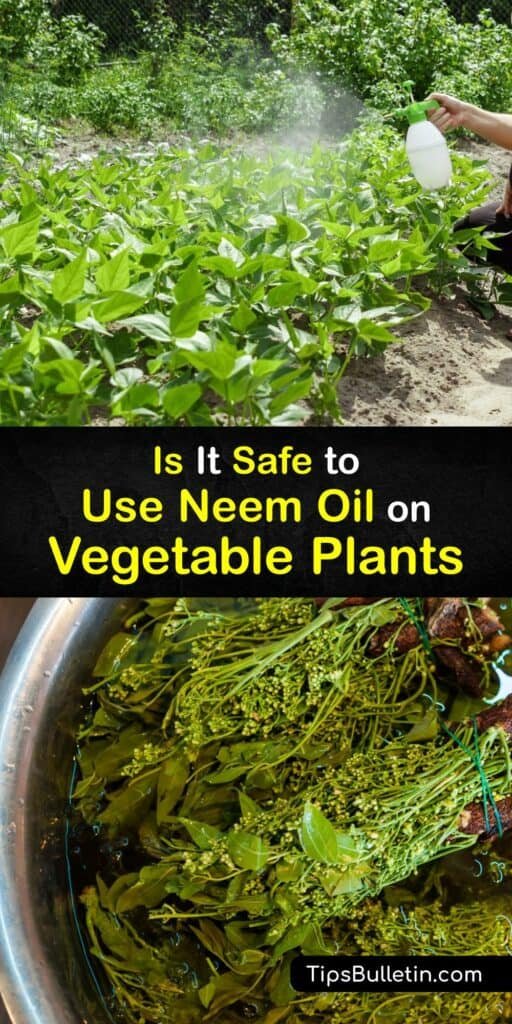
Credit: tipsbulletin.com
What you need
- Neem oil concentrate or ready-to-use spray
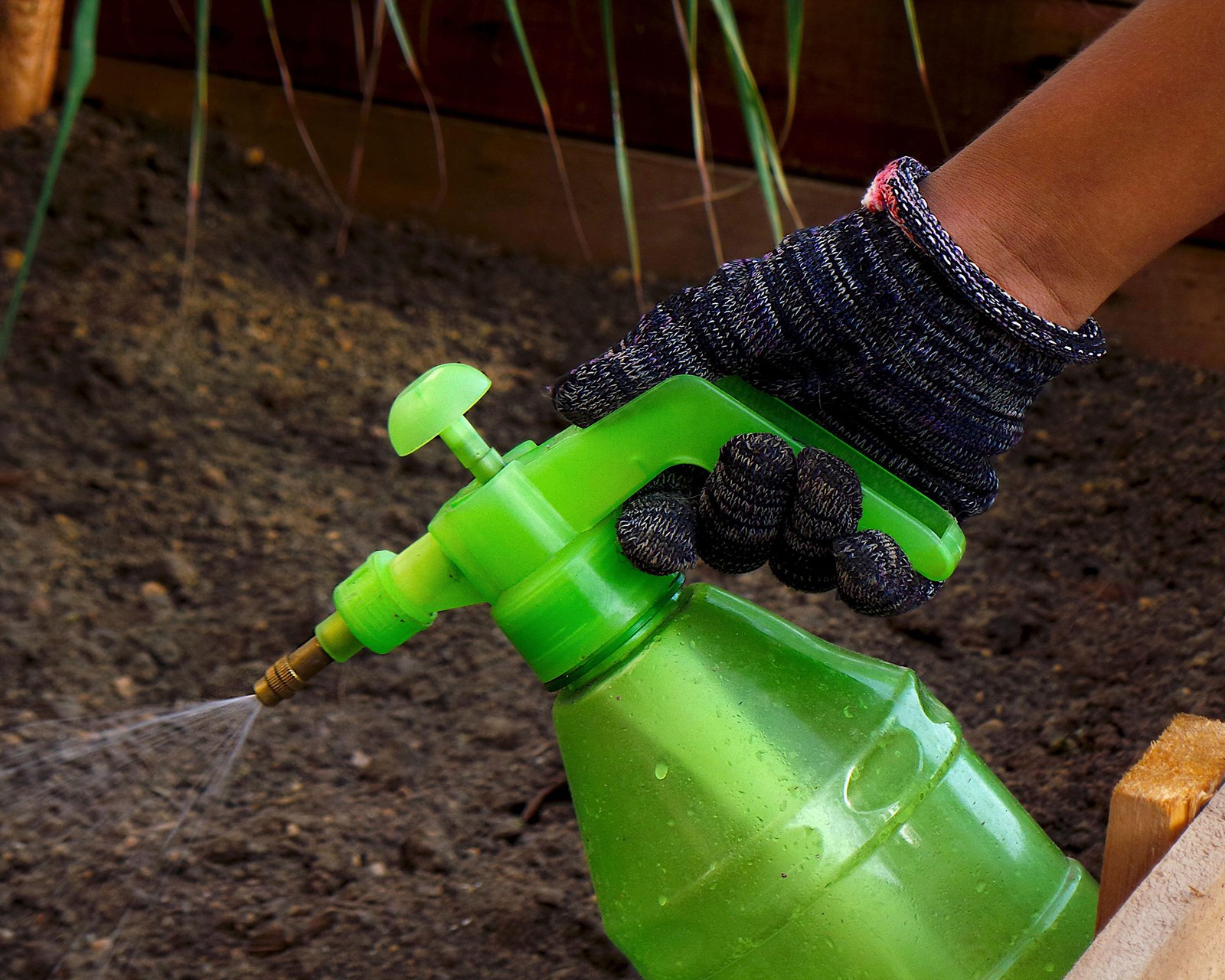
- Clean spray bottle or pump sprayer
- Water
- Small amount of mild liquid soap if your concentrate label requires an emulsifier
- Gloves
Always read the label first. Concentrates and ready-to-use products are not mixed the same way, and the label is the final word on dilution and use. Do not assume one brand works like another.
Step-by-step application
- Inspect the plants first. Check the tops and undersides of leaves for pests, eggs, sticky residue, or webbing.
- Test one small area. Spray a few leaves and wait 24 hours to check for damage.
- Mix the product exactly as directed. More is not better. A stronger mix can burn leaves.
- Spray in the evening or early morning. Avoid hot, direct sun.
- Cover the affected areas. Focus on leaf undersides, stems, and new growth.
- Repeat as needed. Reapply according to the label, often every 7 to 14 days, if the problem continues.
Most gardeners get better results by spraying less often but more carefully. Over-spraying can clog leaf surfaces and stress the plant. Under-spraying usually misses the pests hiding under leaves.
Best time of day and weather
Evening is often the best choice because the spray has time to dry before strong sun hits the leaves. This lowers the risk of burn. It also gives you a chance to avoid spraying active pollinators, which is especially important if your vegetables are flowering.
Do not spray before rain unless the label says you can. Rain can wash the product away before it does much good. Very hot days are also a poor choice, especially above 85°F or 29°C, because leaf stress increases fast.
| Good spray conditions | Risky spray conditions |
|---|---|
| Cool evening or early morning | Midday sun |
| Dry leaves | Rain expected soon |
| Healthy, watered plants | Drought-stressed plants |
| Light breeze or still air | Strong wind |
Which vegetables usually handle neem oil well
Many common vegetables tolerate neem oil well when it is diluted correctly and sprayed at the right time. Still, tolerance can vary by variety, weather, and plant health. That is why a small test spray matters.
Plants that usually handle neem oil reasonably well include tomatoes, peppers, cucumbers, beans, squash, zucchini, kale, cabbage, broccoli, lettuce, and spinach. Leafy greens need extra care because you will eat the leaves, so correct timing and thorough washing matter more.
Fruit-bearing plants and leafy crops can both benefit, but they respond differently. Tomatoes may handle a careful spray better than a very tender herb, while brassicas like kale often need repeated pest management because insects return quickly.
Plants that need extra caution
Some herbs and tender seedlings can react badly to neem oil, especially if the mix is too strong. Basil, cilantro, young transplants, and stressed plants are more likely to show leaf spotting or scorch.
Do not spray open blossoms unless the label clearly allows it. This protects pollinators and reduces the chance of harming flower tissue. If a vegetable is blooming heavily, focus on leaves and stems only, and spray at dusk when bees are not active.
Common mistakes people make with neem oil
Neem oil often fails because of user error, not because the product is useless. A few common mistakes explain most bad results.
- Spraying in hot sun and causing leaf burn.
- Using too much concentrate and leaving an oily residue.
- Skipping leaf undersides where many pests hide.
- Expecting instant results after one spray.
- Spraying healthy plants too often and creating avoidable stress.
- Using it on the wrong problem, such as severe soil pests or disease that needs a different treatment.
A less obvious mistake is spraying neem oil after the plant is already damaged beyond easy recovery. If leaves are badly curled, yellowed, or covered in heavy mold, neem oil may not fix the root cause. In that case, the better move is to remove damaged parts, improve airflow, and identify the actual pest or disease first.
Another common issue is mixing several garden sprays together. That can increase plant stress and create unexpected leaf damage. If you are using another product, check the label for compatibility before combining anything.
Credit: gardeningetc.com
Best practices for getting results without harming plants
The best neem oil routine is simple, careful, and consistent. You want enough coverage to reach the pest, but not so much that the plant suffers.
Use neem oil as part of a bigger plan
Neem oil works best with other low-stress garden habits. Remove badly infested leaves, inspect plants every few days, and water at the base instead of overhead when possible. Better airflow also helps reduce fungal pressure.
If aphids keep returning, encourage beneficial insects like lady beetles and lacewings by avoiding unnecessary broad spraying. Neem oil can still fit into that approach if you spray only when needed and avoid blanket treatment across the whole garden.
Test first, then treat
Always test neem oil on a few leaves first, even if you have used it before. Different crops, weather patterns, and growth stages can change the plant’s response. A 24-hour test period is usually enough to spot obvious injury.
If the plant looks fine, continue with a full application. If the leaves show spotting, curl, or a dull burned look, stop and rinse the plant gently with water if needed.
Store and handle it correctly
Neem oil can separate or thicken in storage, so shake or mix it well before use. Keep it sealed, away from heat, and out of direct sun. Old or poorly stored product may be less effective and harder to mix evenly.
Wear gloves during mixing and spraying. Even garden-safe products can irritate skin or eyes. Wash hands and tools after use, and keep the sprayer dedicated to garden products only.
When neem oil is not the best choice
Neem oil is helpful, but not always the right answer. If you are dealing with large chewing insects, severe fungal disease, or pests hiding in protected soil areas, another approach may work better.
For example, caterpillars often need hand-picking or a different biological control. Soil-dwelling grubs and root pests usually need a completely different strategy. Neem oil also does not repair damage already done to leaves; it mainly helps prevent more damage.
If a plant is wilting from poor watering, nutrient problems, or root rot, spraying neem oil will not fix the real issue. In those cases, step back and diagnose the plant before adding any treatment.
:strip_icc():format(webp)/BHG-gardening-pests-neem-oil-for-plants-Hero-351e9a537e704fdfad83a6e55b7e9d3b.jpg)
Credit: bhg.com
Can you use neem oil on vegetable garden without problems?
Yes, you can use neem oil on vegetable garden plants safely in many cases, as long as you respect the label, spray at the right time, and understand its limits. It is best viewed as a tool for early pest control and light disease support, not as a cure-all.
The safest and most effective routine is simple: test a few leaves, spray in cool weather, cover the pest hot spots, and repeat only as needed. If you stay consistent and avoid the common mistakes, neem oil can become a useful part of your vegetable garden care.
Used wisely, it gives you a practical way to protect crops while keeping the garden manageable. Used carelessly, it can cause more trouble than it solves. That difference is what separates a good result from a disappointing one.
FAQs
1. Can you use neem oil on vegetable garden plants every week?
Yes, but only if the label allows it and the plant is tolerating the spray well. Many gardeners reapply every 7 to 14 days when pests are active. Do not spray more often just to speed up results.
2. Is neem oil safe on edible leaves like lettuce and spinach?
It can be, if used correctly and according to the product label. Spray lightly, avoid heavy residue, and wash leaves well before eating. Test a small area first because tender greens can be more sensitive.
3. Will neem oil kill beneficial insects?
It can harm beneficial insects if they are sprayed directly. That is why evening spraying and careful targeting matter. Try not to spray open flowers, and avoid blanket treatments across the whole garden.
4. Why did neem oil burn my vegetable leaves?
The most common reasons are spraying in hot sun, using too strong a mix, or treating stressed plants. Heat and direct sunlight raise the chance of leaf damage. Always test a small area before full application.
5. Does neem oil work on all garden pests?
No. It is best for soft-bodied insects like aphids, whiteflies, and spider mites, and it may help with some fungal issues. It is not the best solution for every pest, especially larger chewing insects or soil pests.