
Yes, can you mulch a vegetable garden—and in most cases, you should. Mulch helps hold moisture, reduce weeds, and protect soil from sudden temperature swings.
The trick is choosing the right mulch and using it the right way. A bad mulch choice can invite pests, slow soil warming, or even tie up nutrients when it breaks down. A good mulch setup, though, can make vegetables easier to grow and easier to harvest.
Below, you’ll see which mulches work best for veggie beds, how thick to apply them, when to wait before mulching, and the mistakes that often cause problems.
Why mulch helps vegetable gardens so much
Mulch is more than a neat finish on top of the soil. In a vegetable garden, it works like a light shield that protects the root zone and improves daily growing conditions. That matters because vegetables grow fast, need steady moisture, and often suffer when the soil dries out too quickly.
One of the biggest benefits is water savings. A 2- to 4-inch layer of mulch can slow evaporation enough that you may water less often, especially during hot weather. Mulch also keeps rain from hitting bare soil too hard, which helps prevent crusting and erosion.
Another benefit many gardeners miss is temperature control. Dark soil can heat up fast in spring, then cool sharply at night. Mulch reduces those swings. That is useful for crops like lettuce, beans, peppers, and tomatoes, which perform better with steadier root temperatures.
Mulch also suppresses weeds. Fewer weeds means less competition for water and nutrients. In a small bed, that can save several hours of hand-pulling over a season. It also means less disturbance to the soil around shallow roots.
There is one more quiet advantage: healthy soil life. Organic mulch slowly breaks down and feeds earthworms and microbes. That does not happen overnight, but over time it can improve soil structure, especially in sandy or compacted beds.
Best mulch types for vegetable beds
Not every mulch works well in a food garden. Some are better for paths, some are better for ornamentals, and some can create problems if used too thickly. The best choice depends on your crop, climate, and whether you want the mulch to break down into the soil or stay in place longer.
| Mulch type | Best use | Main benefit | Main caution |
|---|---|---|---|
| Straw | Tomatoes, peppers, potatoes, strawberries | Light, airy, easy to spread | Make sure it is straw, not hay |
| Shredded leaves | Most vegetable beds in fall and spring | Cheap and rich in organic matter | Can mat down if applied too thickly |
| Grass clippings | Quick nitrogen boost around growing crops | Readily available | Use thin layers so it does not smell or mat |
| Compost | New beds and feeder crops | Adds nutrients while mulching | Breaks down fast, so it needs topping up |
| Wood chips | Paths and permanent beds edges | Long-lasting weed control | Best kept away from the plant crowns |
| Plastic or landscape fabric | Warm-season crops in certain setups | Excellent weed blocking | Less soil improvement, can reduce airflow |
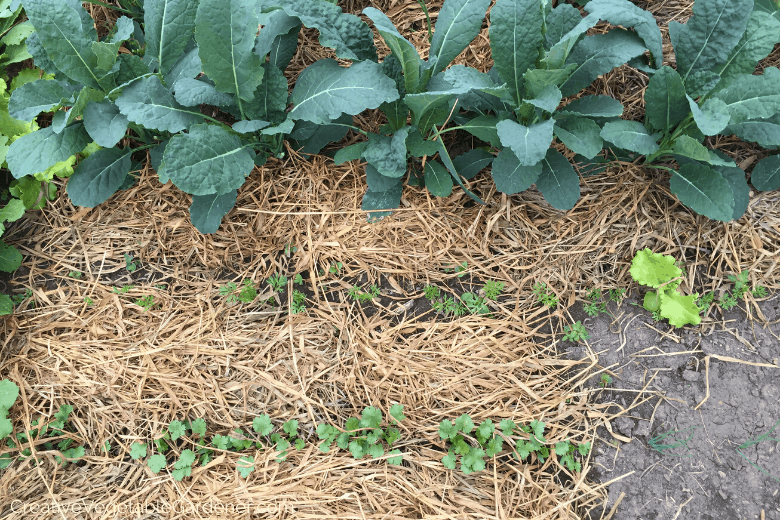
Straw is one of the best all-around choices for vegetable gardens. It is light, easy to handle, and does not pack tightly around stems. That helps air move freely near the soil surface, which is useful for crops that dislike damp crowns.
Shredded leaves are another strong option, especially if you have trees nearby. They are free, natural, and often improve soil more than decorative mulches do. The key is to shred them first if possible, because whole leaves can form a thick mat that blocks water.
Grass clippings work best in thin layers, usually about 1 inch at a time. If you pile them thickly, they can heat up, smell, or create a slimy layer. That is a common mistake in vegetable beds.
For a trusted overview of safe and practical garden mulching, the university extension guide on vegetable garden mulch gives helpful, research-based advice.
Mulches to use with caution
Hay looks similar to straw, but it often contains many weed seeds. That can create more work instead of less. If you want a clean bed, use straw instead of hay.
Fresh wood chips can be fine around paths or between long-term crop rows, but they should not be mixed deeply into the soil. They are carbon-rich and can temporarily reduce available nitrogen right where young vegetable roots need it most. That does not always cause a visible problem, but it can slow growth in the top few inches of soil.
Rock mulch is usually a poor fit for vegetable beds. It does not feed the soil, it can store too much heat, and it is hard to remove when you want to replant. In edible beds, organic mulch is usually the smarter choice.
When to mulch a vegetable garden for the best results
Timing matters as much as material. If you mulch too early in spring, the soil may stay cool longer and slow germination or transplant growth. If you wait too long, weeds may already be established and harder to control.
For warm-season crops, a smart approach is to wait until the soil has warmed and seedlings are well established. For tomatoes, peppers, and squash, mulch often works best after the plants are 6 to 12 inches tall. That keeps the root zone warm enough while still reducing evaporation.
For cool-season crops, the timing can be a little different. Lettuce, spinach, kale, and peas often benefit from mulch once they are settled in the bed. In hot areas, mulch can protect these crops from stress much earlier because the soil warms quickly.
A simple rule is this: mulch after planting, but not before the crop has a chance to get going. Seeds need direct soil contact and steady warmth. If you bury a freshly seeded row under mulch, you may delay sprouting or block light for small seedlings.
Fall is also a good time to mulch vegetable beds. A layer of organic mulch can protect the soil from heavy rain, reduce winter erosion, and start breaking down before spring planting. In many gardens, that means less work later and better soil texture by the next season.
Credit: creativevegetablegardener.com
How to mulch around seeds and transplants
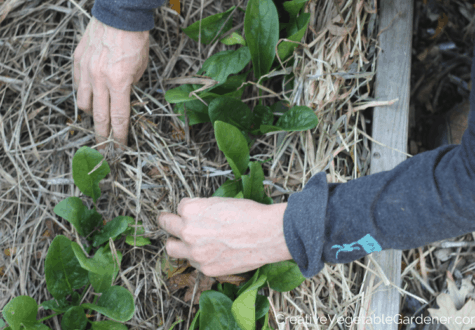
For seeds, wait until they sprout and the seedlings have a few true leaves. Then add mulch gently between rows, not on top of the seedlings. This keeps weeds down without smothering new growth.
For transplants, leave a small open ring around each stem. That open space helps prevent rot and improves airflow. It also makes watering easier, since you can direct water to the root zone instead of soaking the mulch.
A 2- to 3-inch layer is usually enough for most organic mulches. In windy areas, shredded leaves or straw may settle more quickly, so you might need a light top-up later. In wet climates, keep the layer thinner to avoid staying too damp.
The right way to apply mulch in a vegetable garden
Good mulch application is simple, but a few details matter a lot. The goal is to cover the soil without burying the plant base. Too much mulch near stems can trap moisture, invite pests, and cause rot.
- Weed the bed first. Mulch works best when it is stopping new weeds, not covering a mess already there.
- Water the soil well. Mulch locks in moisture, so the bed should be evenly moist before you cover it.
- Spread mulch evenly. Use a 2- to 4-inch layer depending on the material. Light materials like straw can be a little deeper than dense materials like compost.
- Keep mulch a few inches from stems. Leave a small gap around each plant base.
- Check after rain or wind. Mulch can shift, pile up, or blow away, so inspect it every week or two.
That small gap around stems is more important than many new gardeners realize. A mulch volcano around a tomato stem or pepper crown can hold moisture right where the plant is most vulnerable. Over time, that can cause stem problems or attract slugs.
Another useful habit is to mulch in layers rather than all at once when using lighter materials. For example, a thin layer of grass clippings followed by straw on top can work well. The clippings add nutrients, and the straw helps keep the surface from matting.
If your soil is very cold in spring, use a lighter layer at first. Once plants are taller and the weather is steady, you can add more. This is a small adjustment, but it can improve early growth noticeably.
Common mulch mistakes that hurt vegetables
Most mulch problems come from using too much, using the wrong type, or placing it in the wrong spot. The good news is that these mistakes are easy to avoid once you know what to watch for.
Credit: getbusygardening.com
Putting mulch too close to stems
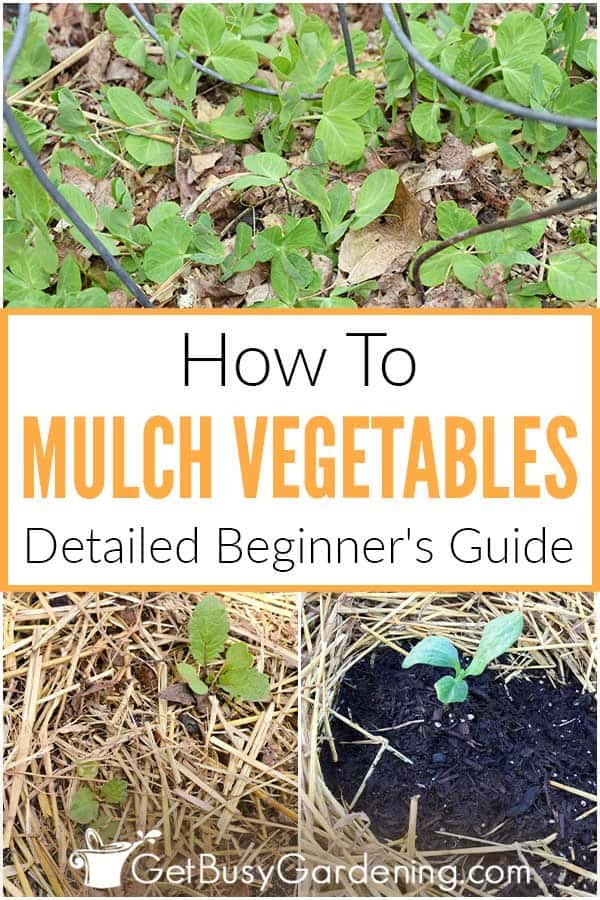
This is one of the most common mistakes. Mulch should not touch the crown of lettuce, the stem of a tomato, or the base of a squash plant. A little breathing room lowers the chance of rot and insect hiding spots.
Using fresh grass in thick piles
Thick grass-clipping layers can compact and block oxygen. They may also heat up as they break down. Use thin layers, and let them dry a bit before adding more.
Mulching too early in cold spring soil
If the soil is still cold, heavy mulch can slow it down even more. That can delay growth in crops that want warm roots, such as tomatoes and peppers. In cooler climates, a lighter touch is often better in early spring.
Choosing hay instead of straw
Hay can contain weed seeds, which means more pulling later. Straw is cleaner and usually safer for food beds. That small difference can save a lot of time over a season.
Ignoring pest habitat
Thick, wet mulch can give slugs, earwigs, and some rodents a place to hide. This does not mean you should avoid mulch. It means you should keep it airy, not soggy, and check the bed regularly.
One non-obvious point: mulch can reduce disease splash from soil onto lower leaves. That helps crops like tomatoes and zucchini. But if the mulch stays too wet, the same bed can become more attractive to pests. Balance matters.
How mulch affects soil health and nutrients
Organic mulch does more than cover the surface. As it breaks down, it becomes part of the soil food web. That process can improve tilth, which is the crumbly texture gardeners want for strong roots and better water movement.
Compost is the fastest mulch to feed the soil. It adds a small nutrient boost while also protecting the bed. Shredded leaves and straw break down more slowly, which is useful if you want longer coverage with less topping up.
There is one important nutrient issue many gardeners miss. High-carbon mulches like wood chips and straw can temporarily pull nitrogen from the top layer as microbes decompose them. That does not mean they are bad. It means they are best used on the surface, not mixed into planting holes or worked into the root zone.
If your vegetables are pale, slow, or not growing well, mulch is not always the cause. But thick mulch over poor soil can hide deeper problems. In that case, a soil test is smarter than just adding more mulch. Healthy mulch helps good soil; it does not fix every nutrient issue by itself.
Best mulch tips for specific vegetable crops
Different crops respond differently to mulch. A setup that works for tomatoes may not be ideal for carrots or onions. Matching the mulch to the crop can make a real difference.
Tomatoes, peppers, and eggplant
These warm-season crops do well with straw, shredded leaves, or compost. Keep mulch away from the stem base and wait until soil temperatures are stable. A 2- to 3-inch layer usually works well.
Squash, cucumbers, and melons
These spreading crops benefit from mulch because their leaves often shade the soil unevenly. Straw is a strong choice because it stays loose and allows vines to move across it. Avoid thick, wet layers that may trap slugs under the canopy.
Lettuce, spinach, kale, and herbs
Cool-season crops usually like moderate mulch once established. In hot weather, mulch helps keep moisture steady and reduces stress. In early spring, a thinner layer is safer until growth picks up.
Root crops like carrots, beets, and radishes
These crops need loose soil, so mulch should stay on top and not be worked into the planting zone. Once the seedlings are up, a light mulch between rows can help control weeds. Do not let mulch cover the tiny tops of emerging roots too early.
Beans and peas
These crops do well with a light mulch after germination. A thicker mulch too soon can keep the soil cooler and slow sprouting. Once the plants are established, mulch helps hold moisture during flowering and pod set.
One practical tip: in raised beds, mulch often dries faster than many gardeners expect. Wind and higher exposure can thin it out in just a few weeks. Check the depth after heavy watering or strong wind.
Simple decision guide for choosing the right mulch
If you want a fast way to choose, start with your crop and season. Then ask what problem you want the mulch to solve most: weeds, moisture loss, soil improvement, or heat control.
- Choose straw if you want a light, clean mulch for most vegetable beds.
- Choose shredded leaves if you want free organic matter and better long-term soil improvement.
- Choose compost if your bed needs both protection and a small nutrient boost.
- Choose grass clippings if you need a quick, short-term mulch and can apply it thinly.
- Choose wood chips for paths or borders, not close to young vegetables.
If your biggest issue is weeds, go with a thicker organic mulch after planting. If your biggest issue is cold soil, wait longer and use a lighter layer. If your biggest issue is dry soil, mulch early once seedlings are established, and water deeply before spreading it.
A strong vegetable garden usually does not use just one mulch for everything. Many experienced gardeners use compost in the bed, straw around plants, and wood chips on paths. That combination keeps the growing area productive without making the whole garden high-maintenance.
Can you mulch a vegetable garden? Yes, and the right mulch can make a garden healthier, easier to water, and easier to manage. The best results come from choosing a clean organic mulch, applying it at the right time, and keeping it away from plant stems. Do that, and mulch becomes one of the simplest tools for stronger vegetables and steadier harvests.
Credit: creativevegetablegardener.com
FAQs
Can you mulch a vegetable garden with wood chips?
Yes, but wood chips are usually better for paths, borders, and long-term areas than for the planting zone itself. They can rob nitrogen from the soil surface if mixed in, so keep them on top and away from young vegetable stems.
How deep should mulch be in a vegetable garden?
For most organic mulches, 2 to 4 inches is a good range. Use less for dense materials like compost and a little more for light materials like straw or shredded leaves.
Is straw better than hay for vegetable mulch?
Yes. Straw is usually cleaner and has fewer weed seeds. Hay can bring unwanted seeds into the garden and create more weeding later.
Should I mulch vegetables right after planting?
Not always. For seeds, wait until they sprout and are a few inches tall. For transplants, mulch after they are settled in, but keep the mulch away from the stem base.
Does mulch attract pests in vegetable gardens?
It can if the mulch is too thick, too wet, or packed against stems. A loose, even layer usually helps more than it hurts, but checking the bed regularly is still important.