
If you want strong harvests, how to grow garden plants comes down to a few repeatable habits: good soil, the right light, steady water, and simple care at the right time. Plants do not need perfection, but they do need consistency.
Many gardens fail for the same reasons. People plant in the wrong spot, overwater too often, or skip soil preparation. The good news is that healthy growth is easier when you focus on the basics that actually matter.
The steps below will help you build a garden that grows more steadily, handles stress better, and looks healthy through the season. You will also see the mistakes most beginners miss, plus practical ways to fix them fast.
Start with the right growing conditions
Before you put any plant in the ground, check the three things that shape its success: sunlight, soil, and drainage. These matter more than fertilizer, plant food, or fancy tools. A plant in the wrong location will always struggle, even if you care for it well.
Match the plant to the light
Most garden plants fall into one of three light groups: full sun, partial sun or shade, and full shade. Full sun usually means at least 6 hours of direct sunlight a day. Partial sun often means 3 to 6 hours, while shade plants need less than that.
This is one of the easiest places to make a mistake. A tomato or pepper planted in too much shade may survive, but it will usually grow slowly and produce less. On the other hand, many leafy greens, such as lettuce and spinach, can handle less sun and even prefer some afternoon shade in hot weather.
Check your soil before planting
Healthy soil is loose enough for roots to spread, but firm enough to hold moisture and nutrients. If your soil feels hard, sandy, or sticky like clay, your plants may struggle to take in water and nutrients. That is why soil prep matters so much at the start.
A simple soil test gives you better answers than guessing. You can learn your soil pH and nutrient levels, which helps you choose the right plants and avoid wasting fertilizer. Many plants grow best in a pH range of about 6.0 to 7.0, though some acid-loving plants prefer lower numbers.
Make drainage part of the plan
Roots need air as much as they need water. If soil stays wet too long, roots can rot and growth slows down fast. After a heavy rain, watch where water pools in your yard or beds. Those spots need raised beds, soil improvement, or plants that tolerate wetter conditions.
One quick test is to dig a small hole about 12 inches deep, fill it with water, and see how long it takes to drain. If water is still sitting there after several hours, drainage is likely poor. That means raised beds or added organic matter will help more than extra watering will.
Prepare the soil so roots can grow fast
Good soil is not just dirt. It is a living system that feeds roots, holds moisture, and supports healthy microbes. If you want strong growth, this is where the work pays off most.
Add organic matter the smart way
Compost is one of the best soil improvers because it helps both sandy and clay soils. In sandy soil, it holds more water and nutrients. In clay soil, it helps loosen the texture so roots can move more easily. A layer of 2 to 3 inches mixed into the top 6 to 8 inches of soil is a strong starting point for most beds.
Do not bury thick layers of undecomposed material right under plants. That can block roots and slow growth. Mix amendments well, then let the soil settle before planting. If you are planting in containers, use a quality potting mix instead of garden soil, which can pack down too tightly.
Feed the soil, not just the plant
Beginners often reach for fertilizer too soon. That can help in some cases, but healthy soil usually does more for long-term growth than a quick feeding. Compost, leaf mold, and well-rotted manure support soil structure and feed the biology that helps plants absorb nutrients.
If you do use fertilizer, choose one that fits the plant type. Leafy plants need more nitrogen, while flowering and fruiting plants often need more balanced nutrition. Too much nitrogen can produce lots of leaves but fewer flowers or fruits, which is a common mistake in vegetable gardens.
Know when to use mulch
Mulch is one of the simplest ways to keep soil healthier. It slows moisture loss, limits weeds, and helps soil stay cooler during hot days. A 2 to 4 inch layer of mulch around plants usually works well, but keep it a few inches away from stems to prevent rot.
Mulch also reduces soil splash, which can lower disease pressure in many beds. This matters more than most people realize. A tomato plant with cleaner leaves often stays healthier than one that gets mud splashed on it after every rain.
Water deeply and on a steady schedule
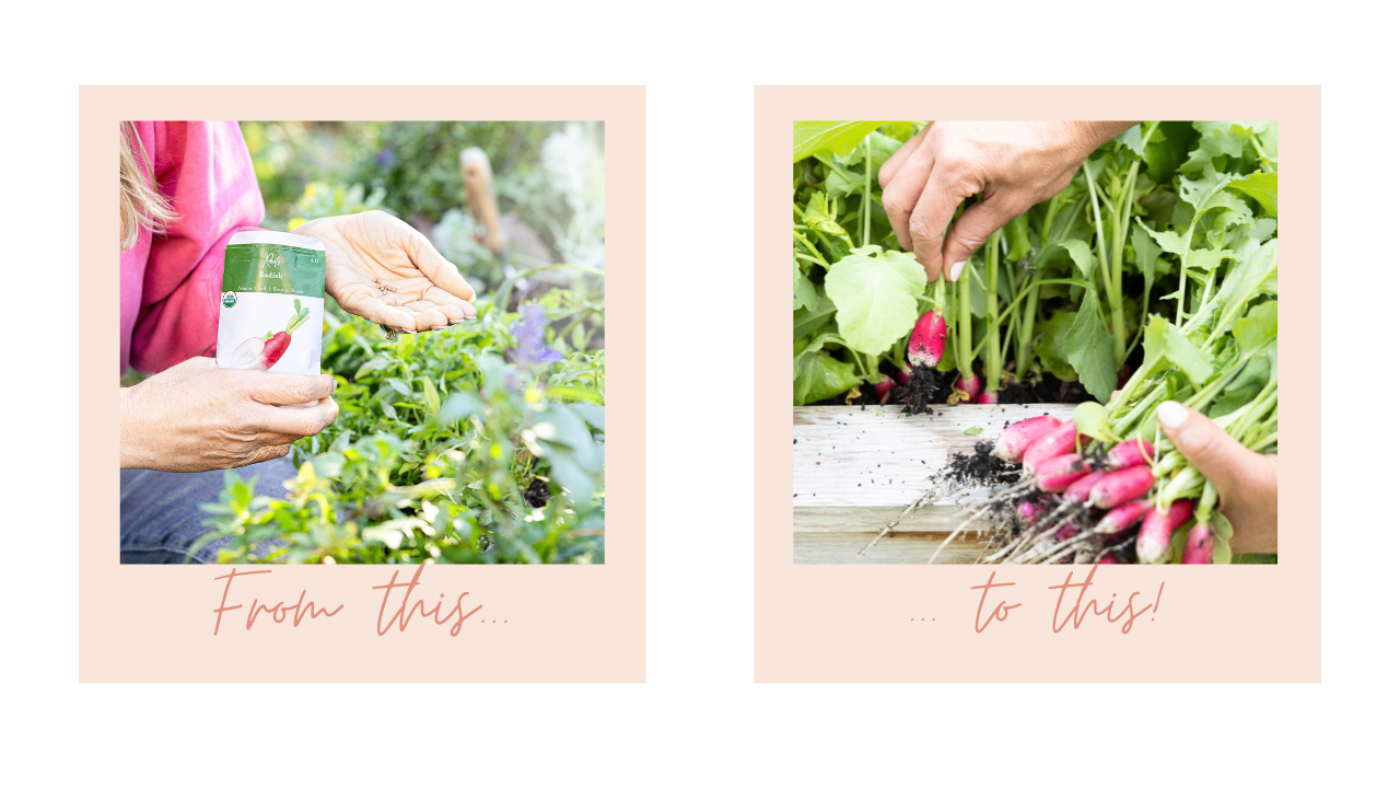
Watering is where many gardeners get it wrong. Too much water can be just as harmful as too little, especially when roots stay wet for long periods. The goal is deep watering, not frequent sprinkling.
Credit: gardenary.com
Water less often, but more thoroughly
Most plants do better when water reaches deeper into the root zone. Shallow watering trains roots to stay near the surface, where heat and drying happen faster. Deep watering encourages stronger roots and better drought tolerance.
A simple rule is to water when the top 1 to 2 inches of soil feels dry for many common garden plants. In hot weather, container plants may need water every day, while in-ground beds may only need it a few times a week. The exact timing depends on plant type, soil, sun, and wind.
Water early in the day
Early morning is usually the best time to water. The plant can use moisture before the day heats up, and the leaves dry faster, which helps reduce fungus problems. Evening watering can work in some cases, but wet leaves that stay damp overnight can invite disease.
One useful habit is to water the soil, not the foliage. Drip irrigation, soaker hoses, or a watering can aimed at the base of the plant are better than spraying from above. This keeps leaves drier and makes water go where it is needed most.
Watch for signs of stress
Wilting does not always mean the plant needs more water. In hot afternoon sun, some plants droop for a few hours and recover later. That is normal. The real warning sign is when soil is dry and the plant stays limp into the morning.
Yellowing leaves can also mean overwatering, especially if the soil feels wet and heavy. If the plant looks weak, check the roots, the drainage, and the watering pattern before adding more water. Many gardeners solve a “thirst” problem by actually stopping overwatering.
Choose healthy plants and plant them correctly
The quality of the plant itself matters almost as much as the soil. A strong young plant settles in faster, resists stress better, and begins growing sooner. That is why selection and planting method are both important.
Pick plants with strong growth signs
Choose plants with sturdy stems, healthy leaves, and no signs of pests or disease. Avoid plants that look rootbound, which means roots have circled tightly around the pot. Those plants often take longer to recover after planting.
If you are buying seedlings, look for even growth rather than oversized tops. A plant that is too tall and thin may have been grown in low light, and it can flop over after transplanting. Shorter, stockier plants often adapt better.
Handle roots gently
Roots are the hidden engine of plant growth. If they are damaged badly during planting, the plant may stop growing for a while. Slide the plant out of the container carefully, loosen circling roots if needed, and place it at the same depth it was growing before unless the plant type needs deeper planting.
Press the soil gently around the root ball to remove large air pockets, then water well. That first watering helps soil settle around the roots. It also reduces transplant shock, which is the temporary slowdown plants experience after moving to a new place.
Give each plant enough space
Crowding is a common beginner mistake. Plants that sit too close together compete for light, water, and nutrients. They also dry more slowly after rain, which can increase disease problems.
Spacing is not only about plant size at the start. Many plants grow much larger than they look in the nursery. Read the label carefully and think about the mature width, not just the current pot size. Good spacing often means healthier plants and less work later.
Feed plants in a way that supports steady growth
Fertilizer can help, but it should support growth, not force it. Too much feeding can burn roots, create weak leafy growth, or reduce flowers and fruit. A careful approach works better than a heavy one.
Understand the main nutrients
The three main nutrients on fertilizer labels are nitrogen, phosphorus, and potassium. Nitrogen supports leaves and stem growth. Phosphorus helps root development and flowering. Potassium supports overall plant health and stress tolerance.
Many gardeners focus too much on the numbers and forget the soil itself. If your soil already has enough nutrients, more fertilizer may not help. In some cases, it can even hurt. A soil test or plant observation gives better guidance than guessing.
Use fertilizer at the right time
Newly transplanted plants often need time before heavy feeding. Their roots are still settling, and strong fertilizer can stress them. Wait until the plant starts putting on new growth, then feed lightly if needed.
For many garden plants, small, regular feedings work better than one large dose. Fast-growing vegetables may need more nutrition during peak growth, while established perennials often need very little. Always follow label directions, because more is not better.
Avoid the hidden feeding mistakes
One non-obvious problem is overfeeding container plants. Pots lose nutrients faster than garden beds because water drains through them more often. That means container plants may need light feeding more regularly, but still not at extreme strength.
Another common issue is feeding stressed plants too soon. If a plant is wilting from heat, drought, or damaged roots, fertilizer will not fix the real problem. Water, shade, or pruning may be the better answer first.
Keep plants healthy with simple maintenance
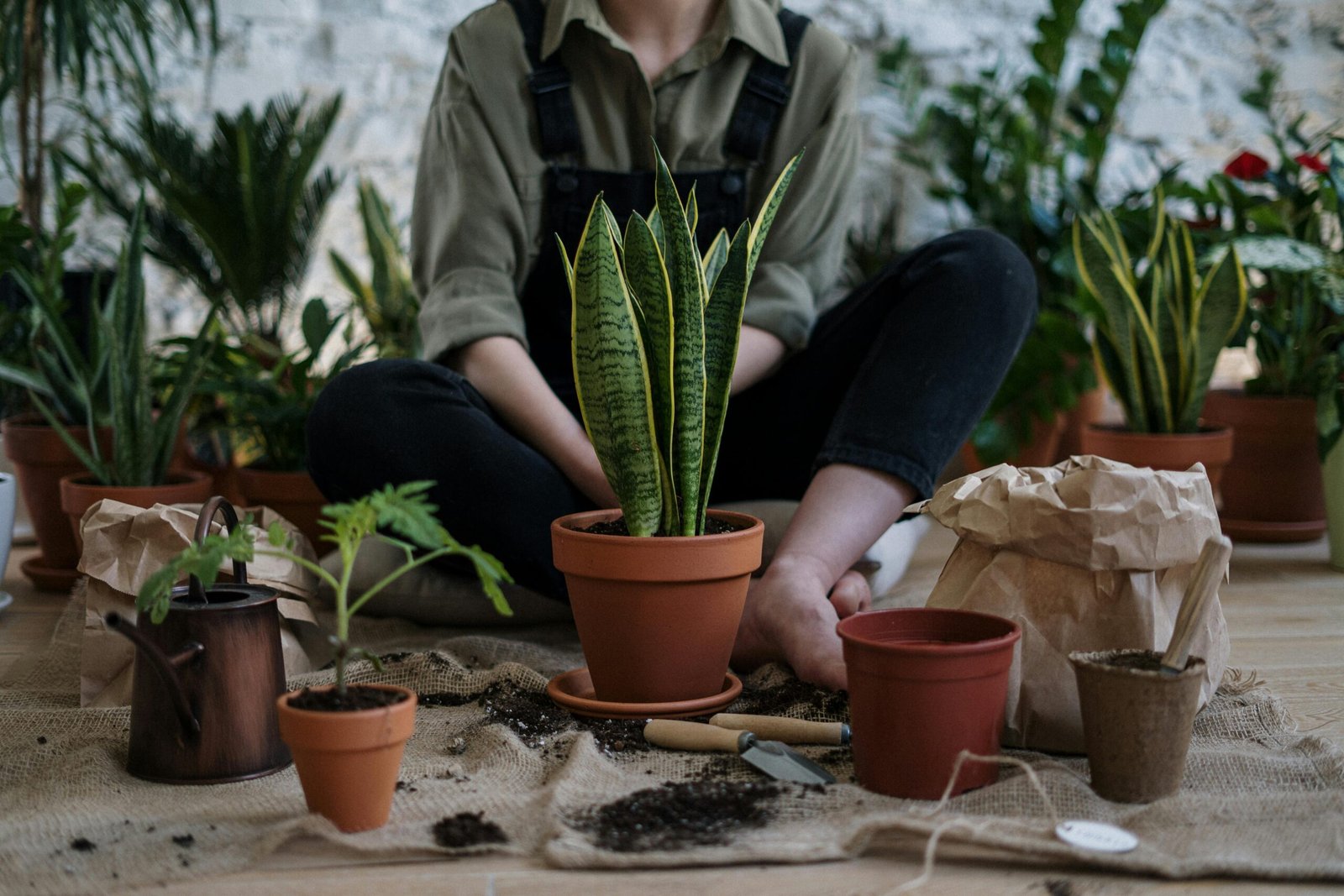
Once plants are growing, small maintenance habits make a big difference. You do not need to spend hours in the garden every day. You just need to notice problems early and respond before they spread.
Credit: pexels.com
Prune only when it helps
Pruning can improve air flow, shape growth, and remove damaged parts. It is especially useful for plants with crowded stems or dead branches. But heavy pruning at the wrong time can reduce flowering or slow growth.
Use clean tools and make smooth cuts. Remove dead, broken, or diseased stems first. If a plant gets too dense, thin it a little so air can move through it. Better airflow often means fewer fungal problems.
Watch for pests early
Check the undersides of leaves, stems, and new growth at least once a week. Many pests start small and spread before you notice them from a distance. Catching them early makes control much easier.
Not every bug is a problem. Some insects help the garden. Look for leaf holes, sticky residue, webbing, or curling leaves as warning signs. If you need general safe handling guidance for garden products and outdoor use, the EPA guidance on safe pest control is a useful place to start.
Use simple cleanup to prevent disease
Remove fallen leaves, rotting fruit, and dead plant parts from around the garden. These can hold moisture and disease spores. Cleanup is one of the easiest ways to reduce problems without using chemicals.
Also avoid working in wet soil too much. Walking on or digging in soaked beds can compact the soil and make root growth harder. That kind of damage is easy to miss, but it can limit plant health for the rest of the season.
Adjust your care as the season changes
Plants do not need the same care all year. Heat, cold, rain, and day length all affect growth. If you adjust your care to match the season, plants usually stay stronger and recover faster from stress.
Summer needs more attention to water and shade
Hot weather increases water loss from both soil and leaves. That means mulch becomes more useful, and container plants may need daily checks. Some tender plants may also need afternoon shade when temperatures rise.
One useful tip is to group plants by water need. Put thirsty plants together and drought-tolerant plants in another area. That makes watering simpler and keeps you from overwatering plants that do not need it.
Fall is a good time to rebuild the soil
After the main growing season, add compost, pull out spent plants, and cover bare soil if possible. Bare soil loses nutrients faster and is more likely to erode. A cover crop or thick mulch can protect it until the next season.
Fall is also a smart time to note what worked and what did not. Which plants got too much sun? Which bed stayed wet? These small observations make next year’s garden easier and more productive.
Winter care depends on plant type
Perennials, shrubs, and cold-hardy plants often need less attention in winter, but they still benefit from protection. Mulch can help insulate roots, and containers may need extra shielding because potting mix freezes faster than ground soil.
Do not assume dormant plants are dead. Dormancy is normal for many species. What matters is giving them the right conditions so they can restart strongly when warmth returns.
Common mistakes that slow growth
Many garden problems are caused by a few repeat errors. If you avoid these, your plants have a much better chance of thriving.
- Planting in the wrong light — sun-loving plants cannot perform well in deep shade.
- Overwatering — wet soil too often can suffocate roots and invite disease.
- Crowding plants — tight spacing leads to weak airflow and more competition.
- Using too much fertilizer — this can burn roots or create soft growth.
- Ignoring drainage — even good watering habits fail if water cannot move away.
One mistake beginners rarely notice is planting without thinking about mature size. A tiny seedling may look harmless, but many plants double or triple in width. Another is treating every yellow leaf as a nutrient issue, when the real cause is often water stress or poor roots.
Healthy gardens are usually not the result of one big secret. They come from small, repeated actions done well. That is why steady care beats panic fixes every time.
Credit: kellogggarden.com
How to grow garden plants with consistent results
If you want reliable results, focus on the basics in the same order every season: light, soil, water, spacing, and maintenance. That is the core of how to grow garden plants successfully. Once those pieces are in place, plants usually respond fast and grow with much less trouble.
The best gardens are not the ones with the most products. They are the ones with the right conditions and a simple routine. Start small, observe closely, and adjust early. That approach gives you healthier plants, fewer failures, and more confidence each season.
Frequently asked questions
1. What is the easiest way to start growing garden plants?
Start with easy plants that match your light and climate, then prepare the soil well before planting. Good compost, proper spacing, and regular watering are usually enough to get strong early growth.
2. How often should I water garden plants?
Water when the top 1 to 2 inches of soil feel dry for many common plants. In-ground beds usually need less frequent watering than containers, especially in cooler weather.
3. Do garden plants need fertilizer right away?
Not always. Many plants do better with healthy soil first, then light feeding once they are established. Too much fertilizer too early can stress roots or create weak growth.
4. Why do my plants grow leaves but few flowers or fruit?
This often happens when plants get too much nitrogen or too little sun. It can also happen if the plant is crowded, stressed, or not old enough to flower well yet.
5. What is the biggest mistake beginners make with garden plants?
The biggest mistake is choosing the wrong location and then trying to fix it with more water or fertilizer. Light, soil, and drainage must be right first, or the plant will keep struggling.