
If you are asking should i use potting soil in my garden, the short answer is: sometimes, but not for every bed or every plant. Potting soil is made for containers, not for in-ground garden beds, so using it the wrong way can waste money and create uneven results.
Still, there are smart times to use it. Potting soil can help with seedlings, raised beds, poor native soil, and any spot that needs better drainage or a lighter texture. The key is knowing where it helps, where it hurts, and how much to mix in.
Below, you will see the real pros and cons, the best uses, and the mistakes most gardeners make. You will also learn when garden soil, compost, or topsoil is the better choice.
What potting soil is made to do
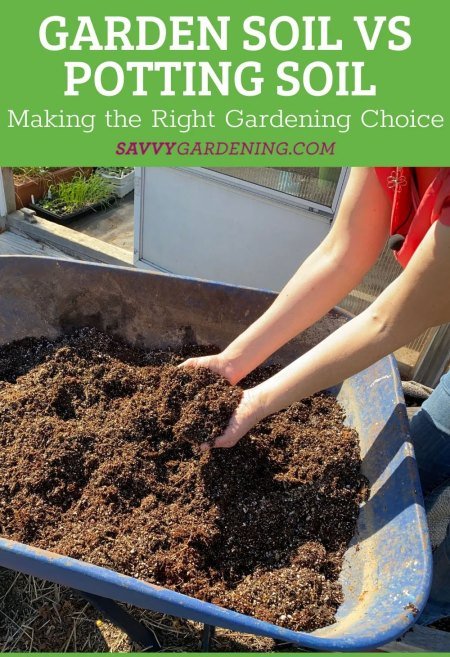
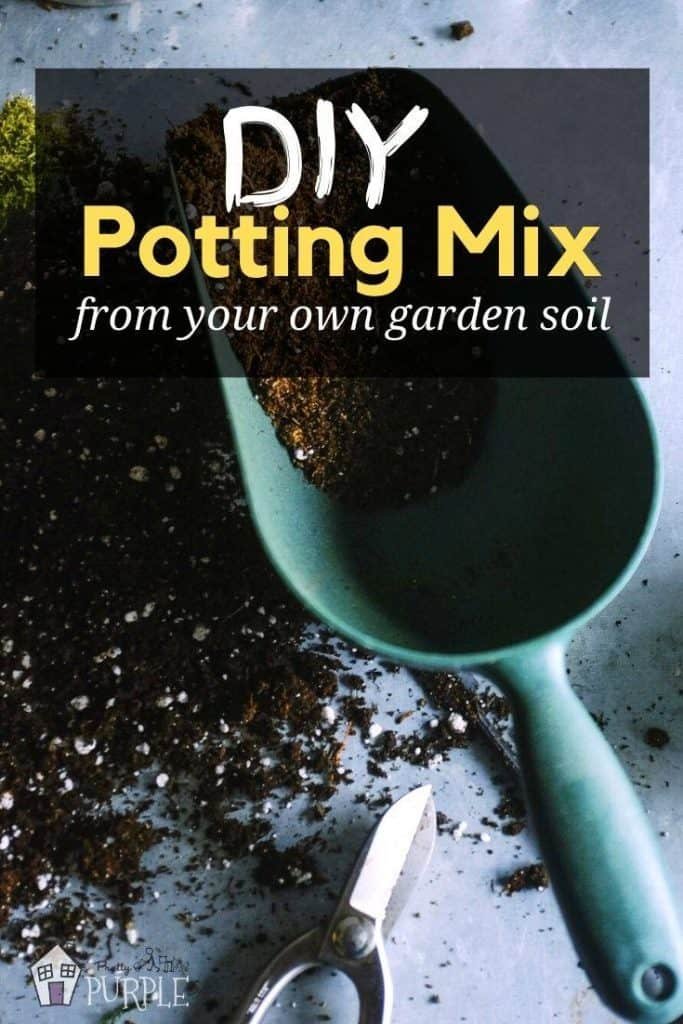
Potting soil is designed to support plants in containers, where roots have very little space and no access to the ground below. That is why it usually drains fast, stays fluffy, and holds air better than garden soil. It often contains peat moss, coco coir, pine bark, perlite, vermiculite, and sometimes compost or fertilizer.
Garden soil is different. It is meant to work with native earth, which may already have clay, sand, rocks, microbes, and natural nutrients. In a garden bed, roots can spread deeper and wider, so the soil does not need the same loose, airy structure as a pot. That is the biggest reason potting mix and garden soil are not interchangeable.
A useful way to think about it is this: potting soil is built like a custom apartment for roots, while garden soil is more like a neighborhood that needs to work with the land around it. Both can be useful, but they serve different jobs. If you use the wrong one in the wrong place, plant health can suffer.
One non-obvious point many beginners miss is that some products sold as “potting soil” are actually closer to potting mix. Potting mix usually has no true soil in it at all. It is lighter and better for containers, but it can dry out too fast when used alone in garden beds.
When potting soil can help in a garden bed
So, should i use potting soil in my garden at all? Yes, but mostly in targeted situations. The best use is not to replace all your garden soil. It is to improve specific areas where the ground is too dense, too poor, or too hard for new roots to establish well.
Potting soil can be useful when you are planting in raised beds, filling a small transplant hole, starting seedlings in a protected section, or improving a compacted patch of soil. It is also helpful where drainage is a real problem and the existing soil stays wet after rain. In those cases, a small amount can give roots a better start.
Here are the most practical uses:
- Raised beds: If the bed is shallow or filled with poor native soil below, potting soil can improve looseness and root movement.
- New transplants: A small pocket of potting soil around a transplant can reduce stress in the first few weeks.
- Seed starting in the garden: Fine seeds often germinate better in a light medium with good moisture control.
- Clay soil spots: In very heavy soil, a limited amount can help loosen the top layer around new plants.
- Container edges or hybrid beds: In mixed setups, it can bridge the gap between pots and in-ground planting.
The key word is limited. Potting soil works best as a helper, not the main base for a full garden bed. A little can improve texture, but too much can create a strange layer that holds water differently from the soil below. That mismatch can trap roots near the surface.
Pros of using potting soil outdoors
Potting soil has real advantages when you use it with purpose. The biggest one is drainage. Most blends are lighter than native garden soil, so water moves through them more easily. That reduces the risk of root rot in plants that hate soggy conditions.
Another benefit is structure. Potting soil contains materials that keep it airy, so young roots can grow into it with less resistance. This matters a lot for seedlings, herbs, annual flowers, and freshly transplanted vegetables. In the first stage of growth, easy root expansion can make a visible difference.
It also tends to be cleaner and more controlled than unknown backyard soil. If your garden bed has poor dirt, buried construction debris, or very little organic matter, potting soil can give you a more reliable planting zone. That consistency is one reason people use it for raised beds and starter beds.
Other useful pros include:
- Better aeration: Roots get more oxygen, which helps growth.
- Faster warming in spring: Lighter mixes warm up earlier than heavy clay soil.
- Easy transplanting: Plants settle faster in a softer medium.
- Good moisture balance in containers near beds: Useful for border plants in pots.
One smart detail many gardeners miss is that potting soil can reduce soil compaction during the first season after a bed is built. That is especially helpful in raised beds filled with dense filler material or fresh topsoil. Roots get a better start before the bed settles and compresses.
Cons and risks you should know first
The biggest problem is that potting soil is often too light for long-term in-ground use. In a garden bed, it may dry out too fast, especially during hot weeks or windy weather. That means you may need to water more often than you would with a blended garden soil.
Another issue is cost efficiency. Potting soil is engineered for containers, where every gallon matters. Filling a full garden bed with it is rarely practical. A 2-cubic-foot bag may be perfect for a few pots, but not for a large planting area. Even if budget is not your main concern, using it everywhere is usually overkill.
There is also the layering problem. If you place potting soil in a hole or bed without mixing it into the surrounding soil, roots may stay inside that soft pocket and avoid growing outward. Water can also move unevenly between layers. That creates a “bathtub effect” where water sits in one zone instead of draining naturally.
Other cons include:
- Can dry out quickly: Especially if it contains a lot of peat, perlite, or coco coir.
- May settle over time: Some blends shrink after repeated watering.
- Can be too rich for certain plants: Some wildflowers and natives prefer lean soil.
- Not ideal for large beds: It is usually better as a supplement than a full replacement.
Here is a common mistake: gardeners think “lighter soil” always means “better soil.” That is not true. A strawberry bed, herb bed, or salad garden may enjoy airy soil, but deep-rooted vegetables and native perennials often need a more balanced blend that holds water and nutrients longer.
:max_bytes(150000):strip_icc()/GettyImages-626541855-ee2dae88a5d44eed9e02e7f7ea3fd117.jpg)
Credit: thespruce.com
How to use potting soil the right way in your garden
If you want to use potting soil outdoors, the safest approach is to mix it with existing soil or compost, not use it by itself across an entire bed. For most garden beds, a ratio of about 1 part potting soil to 2 or 3 parts native soil or compost is a reasonable starting point. That keeps the texture improved without creating a strange drainage layer.
For transplants, dig a hole slightly wider than the root ball and mix a modest amount of potting soil with the backfill. Then water deeply so the material settles around the roots. Do not pack it down hard. Roots need air as much as they need moisture.
If your soil is very poor, build up in stages. Add compost first, then use potting soil only in the root zone of new plants or in the top few inches of a raised bed. This works better than trying to convert an entire yard patch into container-style medium. Most gardens do better with gradual improvement than with a full reset.
These steps help a lot:
- Check how wet the area stays after rain.
- Break up compacted soil before adding anything.
- Mix potting soil with compost or native soil.
- Plant, then water deeply to settle air pockets.
- Mulch the top to slow evaporation.
For garden bed soil improvement, a university extension guide can be very useful. The University of Minnesota Extension soil management guide explains how to build better planting soil without creating drainage problems.
Best uses for potting soil versus better alternatives
Some jobs are clearly better for potting soil, and some are better for other materials. The trick is matching the product to the plant’s needs and the size of the planting space. A small herb pot and a 12-foot vegetable bed should not be treated the same way.
This simple comparison helps show where each material fits best.
| Material | Best use | Main strength | Main weakness |
|---|---|---|---|
| Potting soil | Containers, transplants, raised beds in small amounts | Light, airy, easy root growth | Dries out faster, not ideal alone for large beds |
| Garden soil | In-ground beds, native soil improvement | Works with the natural ground | May be too dense or poor in nutrients |
| Compost | Soil amendment, nutrient boost | Adds organic matter and microbes | Too soft to use alone for most planting |
| Topsoil | Filling low areas, building beds | Bulk material for coverage | Quality varies a lot |
For seedlings and small transplants, potting soil often wins because it gives roots a gentle start. For mature beds, compost usually matters more because it improves structure and feeds the soil over time. For filling space, topsoil is often the bulk option, but you should still check quality before buying.
One non-obvious insight: potting soil can actually perform worse than compost in some rich garden beds. If the native soil already drains well and has enough organic matter, extra potting soil may add more fluff than benefit. In that case, compost gives you more lasting value.
Credit: savvygardening.com
Common mistakes gardeners make with potting soil
The first mistake is using it as a full replacement for garden soil. That sounds easy, but it often creates an overly loose planting zone that dries too fast. Plants may look fine for two weeks, then struggle once the weather turns hot.
The second mistake is stuffing it into a planting hole like a separate “nest” around the roots. That creates a small pocket with different moisture behavior from the rest of the bed. The plant may stay dependent on that pocket instead of sending roots outward into the surrounding soil.
The third mistake is ignoring plant type. Succulents, many herbs, and many annual flowers may love a lighter mix. But moisture-loving plants, native perennials, and deep-rooted vegetables often prefer more balanced soil. A single material rarely works for every plant.
Other mistakes include:
- Forgetting mulch: Without mulch, potting soil loses water fast.
- Using old, compacted bags: Bagged mix can dry out and become hard to rewet.
- Not testing drainage first: If the bed already floods, more light soil may not fix the problem.
- Skipping compost: Potting soil improves texture, but compost often improves soil life more effectively.
If a potting mix has become dry and water is beading on the surface, it may need slow rewetting. Pouring a lot of water at once can cause runoff instead of absorption. A slower soak works better and helps the mix absorb evenly.
So, should you use potting soil in your garden?
Yes, but selectively. If you are asking should i use potting soil in my garden for every bed, the answer is usually no. If you are asking whether it can help in raised beds, transplant zones, or poor soil areas, the answer is absolutely yes.
The best approach is to treat potting soil as a tool, not a full solution. Use it when you need better drainage, a softer root zone, or a cleaner start for young plants. Use compost and good garden soil when you need long-term structure, moisture balance, and healthier soil biology.
A simple rule works well: use potting soil in small amounts for targeted improvement, not as the main material for large garden beds. That gives you the benefits without the usual downsides. It also helps your garden become more stable over time instead of depending on a soft, fast-drying mix.
In short, potting soil is useful in a garden, but only when it matches the job. If you use it with care, it can improve planting success. If you use it everywhere, it can create more work than it saves.
Credit: prettypurpledoor.com
FAQs
Can I use potting soil directly in a raised garden bed?
Yes, but it is better to mix it with compost or native soil. Using it alone in a full raised bed can make the bed dry out too fast.
Is potting soil better than garden soil for vegetables?
Not usually for a whole bed. Potting soil is better for starting vegetables, while garden soil mixed with compost is usually better for long-term vegetable growth.
How much potting soil should I mix into my garden?
A practical starting point is about 1 part potting soil to 2 or 3 parts existing soil or compost. Adjust based on how dense or poor your soil is.
Can potting soil improve clay soil?
It can help a little, but it should not be the only fix. Clay soil improves more reliably when you add compost and loosen the soil structure first.
Does potting soil expire or go bad?
It does not usually expire quickly, but old bags can dry out, compact, or lose quality. If it smells sour, has mold, or becomes very hard to rewet, it may not perform well.