
Can I use garden soil for lawn? Usually, no, not as the main soil layer. Garden soil is made for garden beds, not for grass roots, and it often causes drainage, compaction, and leveling problems.
Grass needs loose, even soil with good airflow and steady moisture. Garden soil can work in very small amounts for patching or light topdressing, but using it as a full lawn base often leads to weak growth and uneven results.
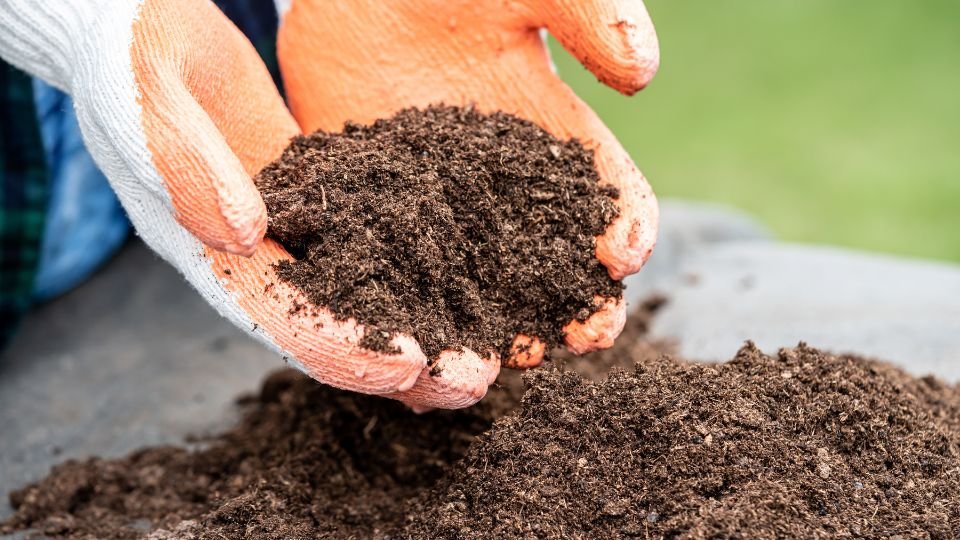
Here is the simple rule: use soil that matches the job. For a lawn, that usually means screened topsoil, lawn soil, compost blends, or a proper sandy-loam mix—not heavy garden soil pulled straight from a planting bed.
Why garden soil and lawn soil are not the same
Garden soil is usually designed to hold water and nutrients around flowers, shrubs, and vegetables. That sounds helpful, but grass has different needs. A lawn has thousands of fine roots spread across one large surface, so the soil must drain well, stay level, and let air move through it.
Many garden soils are richer and heavier than lawn soils. They may contain more organic matter, clay, or fine particles. That makes them great for raised beds or planting holes, but it can be a problem on turf. Grass roots do not like sitting in wet, dense soil for long periods.
One non-obvious issue is that garden soil often settles more after installation. That means a lawn can look smooth at first, then develop dips and soft spots after a few rains. Another issue is weed seeds. Garden soil can bring in unwanted seeds that quickly show up in thin turf.
What lawn grass actually needs
Most turf grasses grow best in soil that drains in 24 hours or less after heavy watering, with a loose top layer and only moderate organic matter. They also need a fairly level surface so mowing stays even. If the soil is too rich or too soft, the grass may grow fast at first, then weaken later.
Good lawn soil usually has a sandy loam or loam texture. That means it feels crumbly, not sticky. It holds enough moisture for roots, but it does not stay soggy. That balance matters more than making the soil “super fertile.”
If you want a simple mental picture, think of lawn soil as a mattress for roots. It should be firm enough to support the grass, but soft enough for roots to breathe and spread.
When can you use garden soil for lawn areas?
There are a few cases where garden soil can help, but only in a limited way. The best use is for small repairs, not for covering an entire yard. If you are filling a shallow depression, blending a bare spot, or building up a small area around an edge, garden soil may be acceptable if it is screened and not heavy with clay.
It can also work if the existing lawn is already healthy and you are adding a thin layer, less than 1/2 inch, for minor leveling. Even then, it is better if the soil is blended with sand or compost, depending on your soil type. Pure garden soil is usually too dense for broad use.
If you are starting a lawn from seed or sod, the base layer matters much more. In that case, a lawn-specific topsoil or a tested soil mix is the safer choice. The quality of the base affects drainage, germination, and long-term root strength.
Safe situations for limited use
- Small patch repairs under 1 square foot
- Filling shallow dips less than 1 inch deep
- Blending with existing soil in a thin layer
- Touching up edges after aeration or overseeding
- Improving a tiny bare spot before reseeding
Even in these cases, the soil should be screened and free of rocks, sticks, and large clumps. Clumps may seem harmless, but they dry unevenly and create bumps that make mowing harder.
When garden soil causes lawn problems
The biggest risk is compaction. Heavy garden soil can pack down tightly after rain or foot traffic. Once that happens, air and water move slowly through the root zone. Grass then grows weak, turns yellow, or develops shallow roots.
Drainage is the second major problem. A lawn built on dense garden soil may hold water for too long. That increases the chance of fungus, root stress, and muddy areas. In wet climates, this problem shows up quickly after the first few storms.
Uneven settling is another hidden issue. Garden soil often contains different particle sizes and organic material. As it settles, some areas sink more than others. The result is a bumpy lawn that scalps during mowing and collects water in low spots.
Credit: absolutelawnpros.com
Signs the soil is wrong for turf
Look for puddles that stay around longer than a day, hard crust on the surface, or grass that thins out even after watering. If a screwdriver or soil probe is hard to push into the ground, the root zone is likely too compacted.
Another sign is rapid crusting after rain. When the top layer dries into a hard skin, new grass seed struggles to break through. That is a common failure point for people who use garden soil for lawn seed starting.
If weeds appear faster than grass, the soil may also be too loose, too rich, or contaminated with old seed. A lawn needs balance, not just nutrients.
What to use instead of garden soil
For most lawns, screened topsoil is a better starting point than garden soil. It is usually cleaner, more even, and easier to spread. If you are leveling, repairing, or topdressing, this matters a lot. A smooth surface helps seed contact, watering, and mowing.
For new lawns, many homeowners use a blend of topsoil and compost. Compost adds organic matter and helps the soil hold nutrients. But compost should not be the whole layer. Too much compost can hold excess water and shrink over time.
If your soil is sandy, you may need more organic matter. If it is clay-heavy, you may need a more open texture and better aeration. The right fix depends on what you already have, not on a generic “best soil” label.
Better options for common lawn jobs
| Job | Better choice | Why it works |
|---|---|---|
| Seeding a new lawn | Screened topsoil or lawn mix | Creates a level base and supports germination |
| Filling small low spots | Topsoil blended with sand | Improves drainage and reduces settling |
| Topdressing an existing lawn | Fine screened soil or compost blend | Spreads thinly and works into turf without burying grass |
| Repairing bare patches | Seed-starting soil mix or topsoil | Gives seed good contact without becoming dense |
A practical note: for lawn care guidance on grass and soil management, a university extension source is often the best reference. The university extension lawn care guide is a useful place to compare soil and turf recommendations for your region.
How to use soil correctly on a lawn
If you need to improve a lawn surface, use soil in a thin layer and match it to the job. Thick layers are where most problems start. Grass can handle a light topdressing, but it cannot survive being buried under a deep blanket of dense soil.
Keep added soil under 1/2 inch for an existing lawn. If you need more than that, work in layers. Add some, level it, let the grass respond, then add more later if needed. This reduces smothering and keeps the turf active.
Before spreading anything, check the existing grade. Water should move away from the house, not toward it. A flat lawn is not always a good lawn if it traps water in the wrong place.
- Mow the lawn a little shorter than usual.
- Rake out dead grass, thatch, and debris.
- Fill low spots with screened soil in thin layers.
- Level the area with a rake or leveling tool.
- Water lightly so the soil settles without washing away.
- Seed bare spots if needed and keep them evenly moist.
How deep should the soil layer be?
For minor topdressing, 1/4 inch is usually enough. For small dips, you may go up to 1 inch, but only in layers. If you need to raise a large area by several inches, that becomes a grading job, not a simple lawn fix.
Too much soil over grass blocks sunlight and air. Even a healthy lawn can weaken if the crowns are buried. The crowns are the growing points at the base of the grass, and they need exposure to survive.
One useful trick: after spreading soil, brush the grass blades upward so they are not fully buried. If you can still see most of the leaf tips, you are usually in a safer range.
Common mistakes people make with garden soil
The most common mistake is using garden soil like it is universal fill. It is not. Different soils behave differently, and a product that works well in a flower bed may fail on turf because the surface conditions are much more demanding.
Another mistake is assuming richer soil always means better grass. Grass does need nutrients, but too much organic material can make the soil soft, unstable, or wet for too long. A lawn needs structure first, fertility second.
People also skip screening. Unscreened soil often contains stones, roots, and clumps. Those bits create bumps, interfere with seed-to-soil contact, and make mowing less smooth. A good lawn surface should feel even underfoot.
Credit: epicgardening.com
Easy mistakes to avoid
- Using heavy clay garden soil over most of the yard
- Adding soil in a thick layer over living grass
- Ignoring drainage before filling low spots
- Using soil with visible weeds or old roots
- Forgetting that soil settles after rain
Here is a less obvious problem: if you mix garden soil with too much sand, but the sand and soil sizes do not match well, you can create a dense, concrete-like layer. This is why random mixing is risky. Good soil blends are made with a known texture, not guesswork.
How to tell if your lawn needs soil, compost, or something else
Start with the problem, not the product. If the lawn is thin but the soil drains well, compost or overseeding may be enough. If the lawn has dips and bumps, you need leveling soil. If water sits on the surface, you may have a drainage issue that soil alone will not fix.
Use a simple test. Dig a small hole about 6 inches deep. If the soil is sticky, dense, and hard to crumble, it likely needs structure improvement. If it drains quickly and feels loose, heavy amendments are less important than seed, mowing, or watering habits.
Many people buy more soil when the real issue is shade, overwatering, poor seed choice, or compacted subsoil. That is why soil fixes should be targeted. The right repair saves time and avoids repeating the same problem next season.
Best match by problem
- Thin grass but decent soil: overseeding and light compost topdressing
- Small dips and ruts: screened topsoil
- Poor drainage: grading, aeration, and possibly a soil blend
- Compacted ground: core aeration before adding anything
- Bare patches: seed-starting mix or lawn soil blend
If the ground is hard like packed clay, soil on top alone will not solve it. You may need aeration or deeper renovation first. Otherwise, the new soil sits on top of the same bad layer and fails again.
The bottom line for lawn use
Can i use garden soil for lawn? Yes, but only in limited situations and usually not as the main material. For most lawns, screened topsoil or a lawn-specific mix gives better drainage, smoother grading, and more reliable grass growth.
If you only need to patch a small spot or lightly level part of an existing lawn, garden soil can sometimes work if it is screened and blended correctly. For larger projects, especially seeding or full-yard leveling, choose a soil made for turf instead of flowers or vegetables.
The best lawn results come from matching the soil to the job. When in doubt, think thin layers, good drainage, and a smooth surface. That approach helps grass establish faster and keeps the lawn easier to maintain over time.
Credit: blog.bigyellowbag.com
FAQs
1. Can I use garden soil for lawn seeding?
You can use it for small patches if the soil is screened and light, but it is not ideal for large seeding jobs. Seed needs fine contact with loose, even soil, and heavy garden soil can crust or settle too much.
2. Is garden soil good for topdressing a lawn?
Only in thin layers and only if it is fine-textured. A layer thicker than 1/2 inch can bury grass and create drainage issues. For topdressing, screened topsoil or a compost-topsoil blend is usually safer.
3. What is better for lawn repair, garden soil or topsoil?
Topsoil is usually better. It is more consistent, easier to spread, and less likely to compact into a dense layer. Garden soil is made for planting beds, not for wide turf surfaces.
4. Will garden soil kill grass?
Not always, but it can stress grass if it is too heavy, too deep, or poorly drained. Grass may thin out, turn yellow, or develop shallow roots if the soil stays wet and compacted.
5. How thick can I spread soil over my lawn?
For an existing lawn, keep it thin—usually around 1/4 to 1/2 inch at a time. If you need more than that, build the layer slowly in stages so the grass is not smothered.