
If your truck starts acting strange, Mahindra pickup gearbox problems symptoms often show up long before the gearbox fails completely. Catching those signs early can save you from a hard shift, a roadside breakdown, or a repair that costs far more than it should.
The good news is that most gearbox issues give clear warnings. You just need to know what to look for, what each sign usually means, and when the problem is small enough to fix quickly.
Below, you will find the 7 warning signs that matter most, how to tell them apart, and what to do next before a minor gearbox issue turns into major damage.
For wider troubleshooting context, compare this guide with Mahindra tractor clutch problems, Mahindra shuttle shift problems.
How gearbox trouble usually starts in a Mahindra pickup
A gearbox rarely fails all at once. In most cases, the problem begins with one small part inside the transmission system: low fluid, worn synchronizers, damaged bearings, or a clutch that no longer releases fully. At first, the truck may still drive normally for short trips. Then the symptoms become more obvious under load, during cold starts, or when shifting between specific gears.
This is why the early signs matter so much. A pickup that still moves can still be in trouble. In fact, many drivers ignore the first clues because the truck is “mostly fine.” That delay often turns a repair for a seal, linkage, or fluid issue into a much larger internal gearbox job.
One useful rule: if the symptom changes with engine speed, gear selection, or temperature, the gearbox deserves attention. If the symptom only appears in one gear or when shifting into reverse, that also narrows the cause. Those details help you avoid guessing.
The 7 warning signs you should watch for
1. Hard shifting or gear engagement that feels forced
One of the most common Mahindra pickup gearbox problems symptoms is a gear that feels hard to engage. You may need extra pressure on the shifter, or the gear may not slide in smoothly. Sometimes the lever feels stiff only when the truck is cold, then improves after a few minutes.
This can point to low gearbox oil, worn shift linkage, a clutch that is not fully disengaging, or internal wear in the synchronizers. If the problem shows up in several gears, the clutch and fluid level become more likely. If it happens in just one gear, internal wear in that gear set is more likely.
A non-obvious clue: hard shifting that gets worse after long highway driving can mean the gearbox fluid is breaking down from heat. That is not normal “old truck behavior.” It often means service is overdue.
2. Grinding noise when changing gears
Grinding is a strong warning sign. It usually means the gears are not matching speed cleanly when you shift. In simple terms, the parts are trying to connect before their speeds line up, which causes metal-on-metal contact.
This symptom is often linked to worn synchronizers, clutch problems, or damaged gear teeth. If grinding happens while shifting into one specific gear, that gear’s synchronizer may be worn. If it happens in several gears, the clutch may not be releasing fully, or the fluid may be too low.
Do not keep forcing the shifter through a grinding sound. That can make the internal damage worse very quickly. A few rough shifts may seem harmless, but repeated grinding can turn a moderate repair into a major rebuild.
3. Gear slipping out on its own
If the gearbox pops out of gear while driving, that is a serious symptom. It may feel like the truck suddenly loses drive for a moment, or the shifter moves back toward neutral by itself. This can happen under acceleration, during deceleration, or when the vehicle hits a bump.
Common causes include worn shift forks, damaged detents, worn gear teeth, or excessive internal play. On a pickup used for towing or off-road work, the condition can worsen faster because the gearbox sees more vibration and load.
Here is the part many drivers miss: gear popping out is often worse in one gear than others. That helps identify the worn part. For example, if reverse or a lower gear keeps slipping out, the internal wear may be localized instead of general.
4. Strange whining, humming, or rumbling from the transmission area
Noisy gearboxes are easy to ignore at first because the sound may seem like tire noise or engine hum. But a consistent whining or humming that changes with vehicle speed is often a transmission clue, not an engine clue. If the sound gets louder in certain gears, that matters even more.
Whining can come from worn bearings, poor lubrication, or gear wear. Rumbling often suggests a bearing problem, especially if the sound grows louder under load. A low fluid level can also create noise long before the gearbox starts slipping or grinding.
One useful test is to listen in different conditions. If the sound changes when you press or release the clutch, that can help separate gearbox noise from axle noise. If the noise stays tied to gear speed rather than engine rpm, the transmission is more likely involved.
5. Burning smell or dark, dirty gearbox fluid
A burnt smell is never a sign to ignore. Overheated gearbox fluid can smell sharp, bitter, or similar to burnt oil. In some cases, the fluid may also look unusually dark or contain fine metallic particles.
Heat usually means friction, and friction usually means something is wearing faster than it should. Low fluid, internal drag, or worn bearings can all create that heat. If the truck is used for hauling, steep climbs, or heavy stop-and-go work, heat damage can happen sooner than expected.
If you check the fluid and see a silvery shine or fine metal flakes, that is a stronger warning than color alone. That means parts inside the gearbox are likely wearing down. It is a good time to stop driving hard and get a proper inspection.
6. Leaking fluid under the truck
Gearbox leaks are easy to miss because the fluid may drip slowly and blend with dirt. Still, even a small leak can lead to low fluid over time, and low fluid is one of the fastest ways to damage a transmission. You may notice wet spots under the center or rear of the vehicle, especially after parking overnight.
Leaks often come from seals, gaskets, drain plugs, filler plugs, or the gearbox case itself. A leak does not always mean the gearbox is already ruined, but it does mean the clock is ticking. If the fluid level keeps dropping, the damage can move from external to internal very quickly.
Non-obvious insight: some leaks only show up after longer drives because heat thins the fluid and raises pressure inside the case. That means a truck can look dry in the morning and still be losing fluid during operation.
7. Delayed response when you shift into gear
If you move the shifter and the truck hesitates before engaging, pay attention. A delay between selecting a gear and feeling the truck respond can point to clutch trouble, low fluid, internal wear, or hydraulic issues on some setups. The delay may be short at first, then grow longer over time.
This symptom is especially important if the truck feels like it “thinks for a second” before moving. That is not normal. A healthy gearbox should respond in a clean, predictable way when the gear is selected.
Drivers often assume this is just a weak engine or a tired clutch, but the gearbox itself may also be involved. If delayed engagement happens with a slipping feel, the problem may be deeper than a simple adjustment.
What each symptom is trying to tell you
These symptoms do not all point to the same fault. That is why guessing often leads to wasted time and money. The pattern matters more than any single sign.
The table below shows how the signs usually connect to the most likely cause. It is not a diagnosis by itself, but it helps you narrow the problem before you visit a mechanic.
| Symptom | Most likely area | What it often means |
|---|---|---|
| Hard shifting | Clutch, fluid, linkage | The gear is not engaging smoothly |
| Grinding noise | Synchronizers, clutch, gear teeth | Parts are not matching speed correctly |
| Gear slips out | Shift forks, detents, internal wear | The gear is not staying locked in place |
| Whining or humming | Bearings, lubrication, gear wear | Rotating parts may be worn or starved of oil |
| Burning smell | Heat, friction, low fluid | The gearbox may be running too hot |
| Fluid leak | Seals, plugs, case | Fluid level may drop below safe range |
| Delayed engagement | Clutch or internal transmission wear | Power is not transferring immediately |
One important point: more than one symptom often appears together. A leak can lead to low fluid, low fluid can create noise, and noise can turn into hard shifting. That chain reaction is why early action matters.

Credit: f1autocentres.co.uk
What you can check before visiting a mechanic
You do not need advanced tools to gather useful clues. A few simple checks can tell you whether the problem looks minor or serious. These checks are not a repair, but they help you explain the issue clearly and avoid unnecessary guesswork.
- Check the fluid level if your pickup allows an easy check. Low fluid is a major red flag.
- Look under the truck after parking overnight. Fresh wet spots may reveal a leak.
- Notice when the symptom happens: cold start, highway driving, towing, reverse, or one specific gear.
- Listen for the sound pattern: whining, grinding, clicking, or rumbling.
- Test the clutch feel. If the pedal feels soft, uneven, or very high/low, the problem may not be only the gearbox.
If you want a reliable source for safe vehicle maintenance habits, the official vehicle safety guidance from NHTSA is useful for general owner safety practices. While it does not diagnose gearbox issues, it reinforces the value of routine checks and safe operation.
Do not test-drive aggressively if the truck is grinding, popping out of gear, or leaking heavily. Short, careful observation is enough. The goal is to collect facts, not to stress the gearbox more.
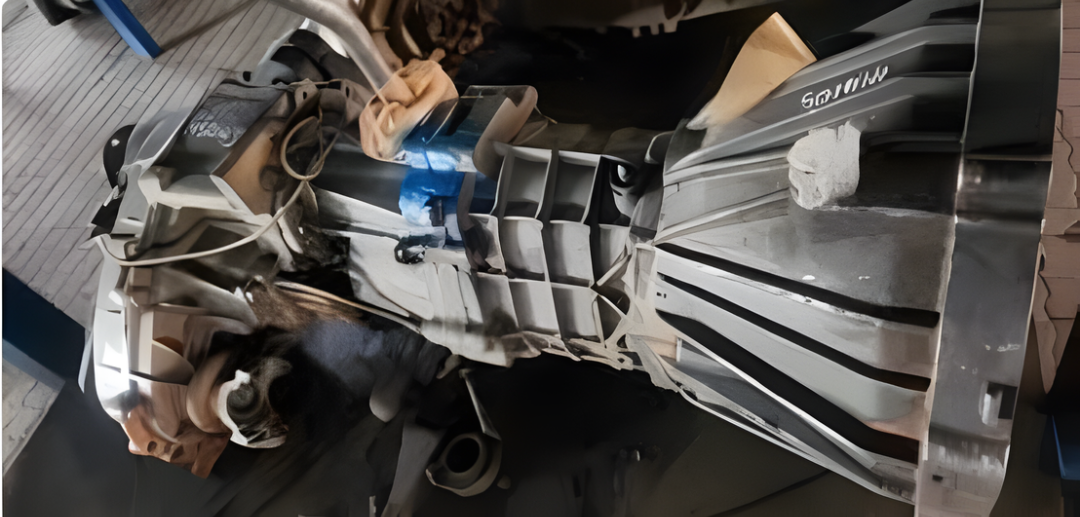
Credit: mayfairgearbox.co.za
When the problem may be the clutch instead of the gearbox
Some drivers blame the gearbox when the real issue is the clutch. That mistake is common because the symptoms overlap. A worn clutch can cause hard shifting, grinding, delayed engagement, and poor gear selection even when the gearbox itself is still in decent shape.
Here is a simple clue: if the engine revs, but the truck struggles to move or feels like it is slipping under load, the clutch is more suspicious. If the shifter feels rough even with the engine off, the linkage or gearbox internals may be involved instead. If it is hard to shift only while the engine is running, the clutch becomes more likely.
Another non-obvious sign is reverse gear. If reverse grinds more than the forward gears, that can happen because reverse usually lacks the same synchronizing design as the forward gears. So reverse trouble does not always mean the whole gearbox is failing.
How to reduce further damage right away
If you notice any of the symptoms above, a few quick steps can limit damage before repairs happen. First, reduce heavy towing, steep climbs, and aggressive driving. Extra load adds heat, and heat speeds up wear.
Second, avoid forcing the shifter. If a gear does not want to go in cleanly, stop and diagnose the cause instead of pushing harder. Third, keep the fluid level where it should be, and fix leaks early rather than waiting for a bigger sign.
For trucks used in rough conditions, service intervals matter even more. Many gearbox problems start after long periods of normal use, not after one dramatic failure. Regular checks every few thousand miles can catch trouble before the damage spreads.
When to stop driving and get help
Some symptoms are annoying. Others mean you should park the truck and call for service. Stop driving soon if you hear repeated grinding, smell burning fluid, see a significant leak, or feel the gearbox slipping out of gear under load.
You should also get professional help if the truck becomes difficult to place in gear, especially if the problem is getting worse day by day. A gearbox that suddenly changes behavior is usually telling you something important.
As a practical rule, if the pickup still moves but now behaves differently than it did a week ago, do not wait too long. Gearbox repairs are usually easier and cheaper when the problem is caught early.
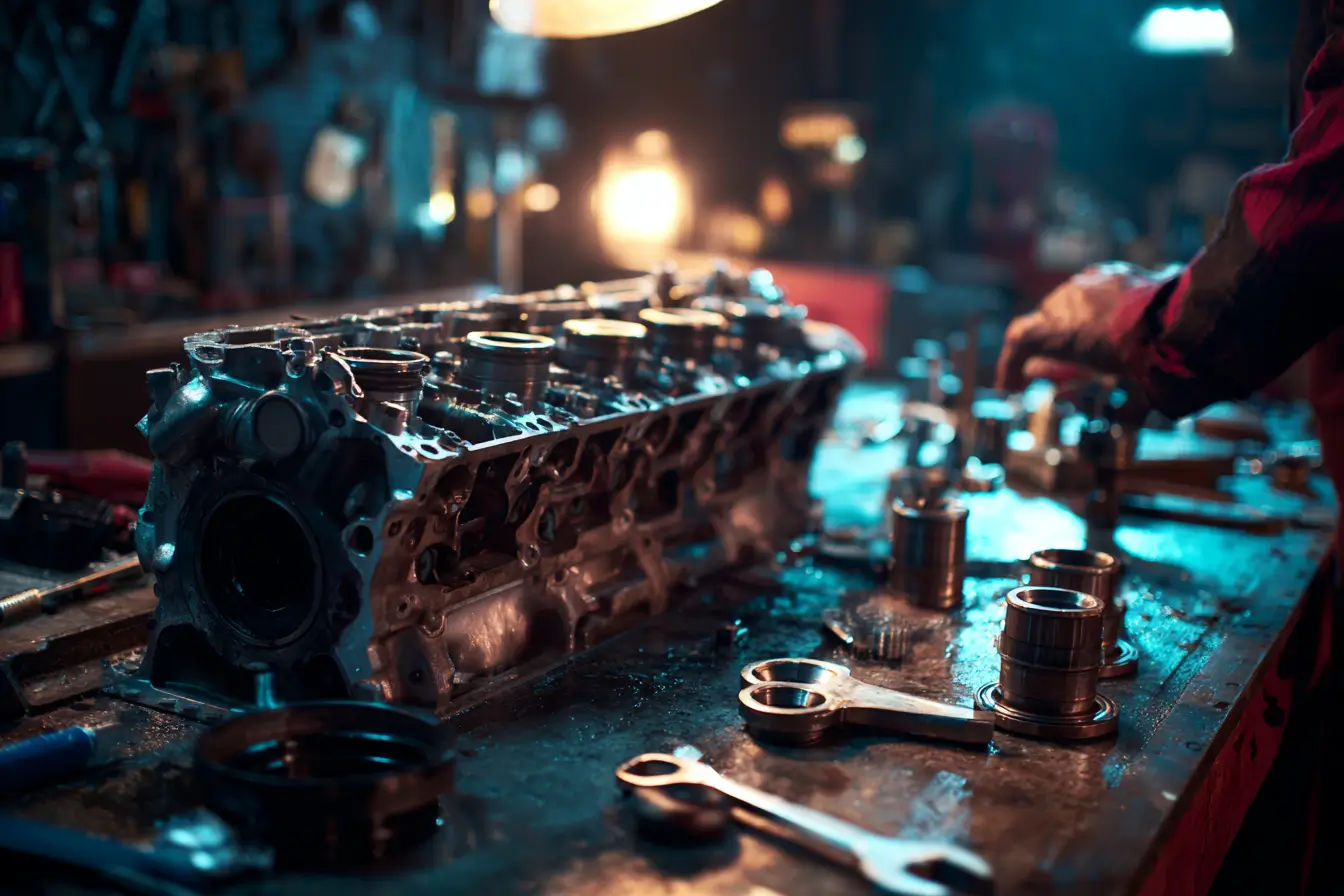
Credit: enginefinder.co.za
Final take on Mahindra pickup gearbox problems symptoms
The most useful thing to remember about Mahindra pickup gearbox problems symptoms is this: early warning signs are usually clear if you know where to look. Hard shifting, grinding, slipping out of gear, whining noise, burnt fluid, leaks, and delayed engagement all point to real trouble, even if the truck still runs.
Not every symptom means a full gearbox rebuild. Sometimes the cause is low fluid, a seal, a linkage issue, or the clutch. But waiting almost always makes the repair bigger. Catch the signs early, check the basics, and get the truck inspected before a small fault turns into major internal damage.
After the main fault is fixed, run the machine briefly under light load and recheck the related belt, wiring, fuel, fluid, and safety-switch areas before returning it to normal work.
FAQs
1. What is the most common Mahindra pickup gearbox problem symptom?
Hard shifting is one of the most common early signs. It often shows up before louder noises or full failure and can point to fluid issues, clutch problems, or internal wear.
2. Can low gearbox fluid cause gear grinding?
Yes. Low fluid can reduce lubrication and make shifting rough or noisy. It can also raise heat, which speeds up wear inside the gearbox.
3. Is a gearbox whine always a serious problem?
Not always, but it should not be ignored. A whine can come from bearings, gear wear, or low fluid, and it often gets worse if the cause is not fixed.
4. How can I tell if the clutch is the real problem?
If the engine revs but the truck struggles to move, or if shifting is difficult mainly while the engine is running, the clutch may be involved. If the shifter is rough even with the engine off, the issue may be in the linkage or gearbox.
5. Should I keep driving if the gearbox slips out of gear?
No, not for long. Gear slipping out of place can get dangerous fast and usually means internal wear that needs prompt inspection.