
Weeds can take over a wildflower bed fast, and once they do, the flowers struggle to compete. The best way to keep weeds out of wildflower garden spaces is to stop them early, before they steal light, water, and room from young blooms.
A wildflower garden is not like a neat flower border. It is looser, more natural, and usually planted in thinner soil on purpose. That makes weed control a little different. The good news is you do not need harsh chemicals or constant pulling to stay ahead of the problem.
With the right site prep, planting habits, and a few simple maintenance moves, you can keep weeds low without hurting your wildflowers. The key is to work with the garden’s natural style, not against it.
Start with a clean planting site
The easiest time to control weeds is before the wildflowers are growing. If you skip site prep, weed seeds already in the soil will sprout faster than your flowers. That is why good ground preparation matters more than most people think.
Begin by removing existing weeds, grass, and thick debris. For small areas, hand pull the weeds and make sure you get the roots. For larger spots, mow very short, cover the area, or lightly cultivate if that fits your soil and planting plan. Do not leave mature weeds in place, because they can seed into the bed later.
One helpful trick is to let the area sit for 2 to 3 weeks after clearing it. During that time, new weed seeds often sprout. You can then remove those seedlings before sowing wildflowers. This simple “stale seedbed” approach often cuts future weed pressure more than a one-time cleanup.
If the soil is packed with weed seed or old turf, patience pays off. A cleaner start means fewer problems all season long.
Use the right kind of disturbance
Wildflower gardens need some open soil for seeds to germinate, but not deep digging. Turning the soil too much can bring buried weed seeds to the surface, where they get light and sprout. A shallow cleanup is usually better than full tilling.
If you do till, keep it light and follow with a raking step to create a fine seedbed. This helps your wildflower seeds make contact with soil while avoiding unnecessary weed growth. For many beds, less disturbance is the smarter choice.
Choose wildflower mixes that match your site
Not all seed mixes perform the same way. Some mixes are full of fast growers that fill space quickly, while others are slower and more delicate. When you choose the right mix, your flowers grow strong enough to shade out weeds sooner.
Look for species that suit your sun, soil, and moisture level. Native wildflowers often do better because they are adapted to local conditions. When plants thrive, they cover soil faster, and that leaves fewer openings for weeds.
A thin, weak stand of flowers almost always leads to more weeds. A healthy, dense stand leaves less bare soil, which is one of the best natural weed barriers you can have.
| Site condition | Better seed choice | Why it helps with weeds |
|---|---|---|
| Full sun, dry soil | Drought-tolerant native wildflowers | They establish well and cover open ground faster |
| Moist soil | Moisture-loving meadow species | Stronger growth reduces weed gaps |
| Poor, thin soil | Low-maintenance native mixes | They compete better without needing rich soil |
| Partial shade | Shade-tolerant wildflowers | Better growth means less room for aggressive weeds |
If you are unsure about local conditions, check a university extension resource for planting advice. A good starting point is the university extension wildflower guide, which explains how soil and planting choices affect success.
Give wildflowers the best chance to fill in fast
One of the smartest ways to learn how to keep weeds out of wildflower garden areas is to help wildflowers establish quickly. The faster they germinate and spread, the less space weeds have to grow.
Scatter seeds at the right time for your region. In many places, fall sowing works well because cold weather helps some seeds break dormancy. In spring, you may need more moisture and closer attention to watering. Either way, sowing too early or too late can leave the bed open for weeds longer than needed.
After planting, press seeds into the soil instead of burying them deeply. Most wildflower seeds need light or very shallow cover. If you bury them too much, the flowers struggle while weeds on the surface keep growing.
Credit: bobvila.com
Water lightly, but consistently at first
Young wildflowers need moisture to sprout, but overwatering can favor weeds just as much as flowers. Many weed species germinate quickly after regular watering, especially in warm weather. The goal is to keep the seedbed barely moist, not soggy.
Once seedlings are up, reduce watering gradually. This encourages stronger roots and gives drought-tolerant wildflowers an advantage over shallow-rooted weeds. A frequent mistake is keeping the bed too wet for too long.
Another useful detail: many weeds germinate in waves. A bed that stays damp all the time may invite a second flush of weeds after the first pull. Gentle watering helps reduce that cycle.
Use mulch carefully, not heavily
Mulch can help, but in a wildflower garden it has to be used with care. Thick mulch blocks light, which can stop some wildflower seeds from sprouting. That means the wrong mulch layer can solve one problem and create another.
For established plants, a light organic mulch can suppress weeds around the edges or in open spots. For newly seeded areas, it is usually better to use a very thin straw cover or skip mulch unless your seed mix recommends it. The layer should be light enough for seedlings to push through.
One non-obvious point: a mulch layer that is too fresh or too woody can tie up nitrogen as it breaks down. That can slow your flowers and indirectly give weeds an edge. Use clean, weed-free material and keep it modest.
Better mulch choices for wildflower beds
- Clean straw in a very light layer
- Fine shredded leaf mulch around established plants
- Small amounts of compost only in bare problem spots
Avoid mulch that contains weed seeds, because that defeats the purpose. Cheap straw bales are sometimes full of seeds, and those seeds can become your next weed problem.
Pull weeds at the right time
Hand pulling is still one of the best tools for a wildflower garden, especially early in the season. The best time is when weeds are small and the soil is slightly damp. At that stage, roots come out more easily and you cause less damage to nearby flowers.
Do not wait until weeds flower or set seed. A single large weed can spread hundreds of seeds, and that one plant can undo a lot of careful work. Pulling small weeds once a week is much easier than rescuing a bed full of mature ones.
Focus first on weeds that grow tall, spread fast, or form seed heads quickly. These are the types that most often dominate young wildflower beds. If you ignore them, they create shade and reduce airflow, which also makes the bed less healthy overall.
Know the weeds that matter most
Some weeds are more aggressive than others. Crabgrass, bindweed, thistle, and pigweed can quickly crowd young flowers. If you see any of these, remove them before they get established.
Deep-rooted perennial weeds are harder to manage because they can regrow from broken roots. For these, a careful dig-out is better than a quick pull. If you snap the root and leave it behind, the weed often returns.
Keep a small trowel or weed knife nearby so you can work without disturbing the whole bed. That is especially helpful in mixed wildflower stands where you do not want to disturb seedlings.
Build density so weeds have nowhere to grow
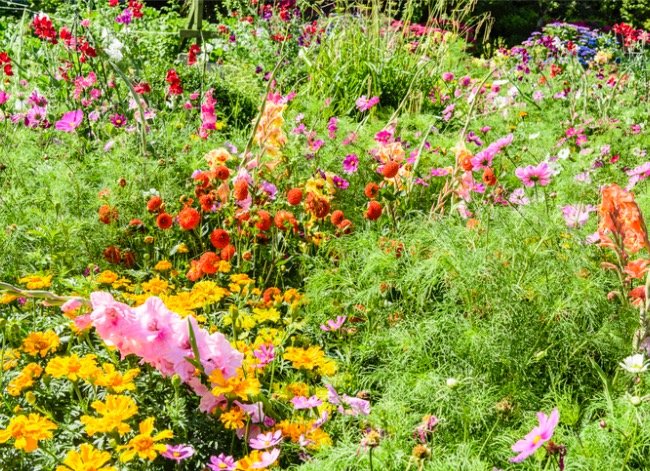
Dense planting is one of the most effective long-term weed controls in any wildflower garden. When the flowers cover the soil, weed seeds get less light and fewer open spots to germinate. Bare soil is basically an invitation for weeds.
Do not overseed so heavily that plants choke each other, but do aim for solid coverage. Many people spread seed too thin, then wonder why weeds win. A thin stand of flowers leaves too much room for opportunistic plants.
As the wildflowers mature, leave the stems and seed heads in place for a while if the mix allows it. This adds structure and reduces open soil exposure. In some gardens, a self-seeding cycle also helps the desired plants return year after year, which naturally reduces weed pressure.
Spacing matters, too. If you are transplanting any wildflower starts, place them close enough to shade the ground without overcrowding. A garden that closes in by midseason usually has fewer weed problems than one that stays open.
Credit: nativebackyards.com
Avoid the mistakes that invite more weeds
Some common habits make weed control harder without people realizing it. The first is disturbing the soil too often. Each time you dig or turn the ground, you may bring new weed seeds to the surface.
Another mistake is using fresh compost or manure that has not fully broken down. These materials can contain weed seeds unless they are properly processed. Even a small amount can introduce a new wave of weeds into a clean bed.
People also often let weeds go to seed because the garden “looks natural.” That is a problem. A natural style does not mean you should let invasive weeds spread freely. The best wildflower gardens still need selective care.
Simple mistakes to avoid
- Overwatering after seedlings are established
- Using thick mulch on newly sown areas
- Leaving weeds until they flower
- Deep tilling that brings buried weed seeds up
- Applying rich fertilizer that boosts weeds more than wildflowers
That last point surprises many gardeners. Rich soil often favors fast-growing weeds over lean-soil wildflowers. In many cases, too much fertility makes weed pressure worse, not better.
Keep a light maintenance rhythm through the season
The best wildflower beds are not the ones that are ignored forever. They are the ones that get small, steady attention. A quick 10-minute walk through the garden once or twice a week can prevent major weed problems later.
During these checks, pull new weeds, watch for bare spots, and see whether the flowers are filling in as expected. If an area stays open, it may need more seed next season or better plant selection. Small adjustments now save much more work later.
After blooming, let the bed dry down a bit if your climate allows it. That helps reduce late-season weed germination. Then collect seed from desirable flowers or allow them to self-sow, depending on the look you want next year.
Wildflower weed control works best as a cycle: prepare well, seed well, maintain lightly, and reseed weak spots. When you keep that rhythm, weeds stop being a constant battle and become a manageable part of garden care.
How to keep weeds out of wildflower garden beds year after year
If you want long-term results, think beyond one season. The strongest strategy for how to keep weeds out of wildflower garden spaces is to make the bed more competitive every year. That means fewer bare patches, healthier flowers, and less soil disturbance.
Over time, your wildflower mix should begin to occupy more of the ground surface. At that point, weed pressure usually drops because there is less sunlight reaching the soil. The garden starts helping itself.
Keep an eye on problem spots after heavy rain, mowing, or seed drop from nearby areas. Those are the moments when weeds often move in. A fast response keeps them from becoming permanent residents.
When you treat weed control as part of the garden’s normal routine, not a rescue mission, the whole bed becomes easier to manage. That is the real secret: strong flowers, covered soil, and small corrections before weeds get a foothold.
Credit: reddit.com
FAQs
How often should I pull weeds in a wildflower garden?
Check the garden once or twice a week during active growth. Pull weeds when they are small, before they flower or set seed. A few minutes of regular attention is easier than one big cleanup later.
Can I use landscape fabric under a wildflower garden?
Landscape fabric is usually not a good fit for seeded wildflower gardens. It can block seed contact with soil and make natural reseeding harder. It works better for paths or permanent edges than for a planting bed.
Should I mulch a newly planted wildflower bed?
Only very lightly, and only if the seed mix supports it. Wildflower seeds often need light to germinate, so thick mulch can cause poor sprouting. A thin layer of clean straw is usually safer than heavy mulch.
Why do weeds keep coming back after I pull them?
Many weeds return from roots, underground runners, or new seeds in the soil. If you pull them after they have already seeded, the problem can continue. Pull earlier, remove roots when possible, and keep the bed dense.
What is the easiest way to reduce weeds next year?
Improve coverage this season. Fill bare spots, avoid deep soil disturbance, and let strong wildflowers self-seed if appropriate. A thicker stand of flowers is one of the best natural weed barriers you can build.