
If your mower leaves clumps behind, the John Deere S240 bagger not collecting grass problem usually comes down to airflow, setup, or cutting conditions. The good news is that most fixes are simple and do not require major repairs.
The bagger system depends on a clean cut, strong suction, and a clear path from deck to chute to bags. When one part is weak, grass starts piling up under the deck, in the chute, or back on the lawn instead of filling the bags.
Below, you will find the most common causes, how to check each one, and the fixes that actually work. You will also see a few less obvious issues many owners miss, like grass type, mowing height, and small air leaks that reduce collection fast.
For wider troubleshooting context, compare this guide with John Deere 2130 problems, John Deere differential lock problems, John Deere 850 problems.
Start with the airflow problem
When a John Deere S240 bagger not collecting grass issue happens, airflow is the first thing to inspect. The bagger does not “suck” grass in by force alone. It relies on fast-moving air created by the blades and deck design.
If airflow is weak, the mower may still cut the lawn, but it will not move clippings well through the chute. That is why a bagger can seem partly working while still leaving grass on the ground or in the deck.
What weak airflow usually looks like
- Grass stays under the deck after mowing.
- The chute fills, then plugs.
- Bags collect only a small amount, even after a full pass.
- Clumps blow out near the discharge side.
The fastest check is simple: mow a small area, then stop and look under the deck and inside the chute. If you see packed grass or a heavy buildup, airflow is restricted somewhere in the system.
One non-obvious point: even a bagger that looks “clear” can move poorly if the mower deck is coated with wet residue. A thin layer of buildup changes how air spins under the deck, and that is enough to reduce collection.
Fix airflow issues first
- Clean the mower deck, chute, and bagger housing.
- Check that the chute is fully seated and not crushed.
- Make sure the bags are not clogged with dust or wet clippings.
- Inspect the mower belt and belt routing for slippage.
- Verify the blades are the correct type and sharp enough to lift grass.
Most owners focus on the bagger itself, but the cutting deck does much of the work. If the deck is dirty or the blades are dull, the bagger gets less material and less air movement to work with.
Check the blades and deck setup
Blades matter more than many people think. A mower can cut grass with worn blades, but bagging needs more lift and cleaner discharge. If the blade edge is rounded or damaged, the bagger will often underperform.
The S240 performs best when the blades are sharp and suited to bagging. Standard worn blades can leave longer pieces that do not travel through the chute as easily. They may also create poor airflow around the deck.
Blade problems that reduce bagging
- Dull cutting edge
- Bent blade tips
- Wrong blade type for bagging
- Uneven blade wear from hitting roots, rocks, or sticks
A useful check is to compare both sides of the blade. If one side is more worn or the blade has a visible bend, replace it. A bent blade can reduce lift even if the cutting edge still looks decent.
Another detail many users miss is deck height. If the deck is set too low, the mower can scalp the lawn and overload the bagger with dense clippings. If it is too high for thick grass, the mower may miss material and leave it behind.
Set the deck for easier collection
For typical lawns, a mowing height around 3 to 4 inches works well for bagging. Short, frequent cuts are easier to collect than a heavy cut after the lawn has grown too long. When grass is overgrown, bagging becomes harder no matter how good the bagger is.
If you want better pickup, avoid cutting more than one-third of the grass height in a single pass. That rule helps reduce clumps and keeps the chute from plugging so fast.
Look at grass conditions, not just the mower
Sometimes the mower is fine, and the grass itself is the real reason the bagger struggles. Thick, damp, or very long grass is harder to move through any bagging system.
Wet grass is the biggest troublemaker. It sticks together, clings to the deck, and forms plugs in the chute. Even a strong mower can lose collecting power when the lawn is wet or the morning dew is still heavy.
Grass conditions that cause poor collection
- Wet grass after rain or dew
- Very tall grass that has not been cut in a while
- Dense spring growth
- Weedy patches or coarse grass types
If you are mowing a thick lawn, slow down and use narrower passes. Fast driving can reduce the time clippings stay in the airflow path, which lowers bagging performance. Many users think slower is only about cutting quality, but it also improves collection.
For grass care guidance on mowing and lawn stress, the university extension mowing guide is a helpful reference. It explains why mowing height and dry conditions matter so much for healthy turf and cleaner cuts.
Simple mowing adjustments that help
- Mow when the grass is dry.
- Do not remove too much at once.
- Use overlapping passes so missed strips are reduced.
- Slow down in thick areas.
- Empty the bags before they become packed tight.
Bag fullness also affects performance. A bag that is too full reduces air movement through the system. If the bags pack tightly, the mower can still be cutting fine while the collection rate drops sharply.
Inspect the chute, seals, and bagger housing
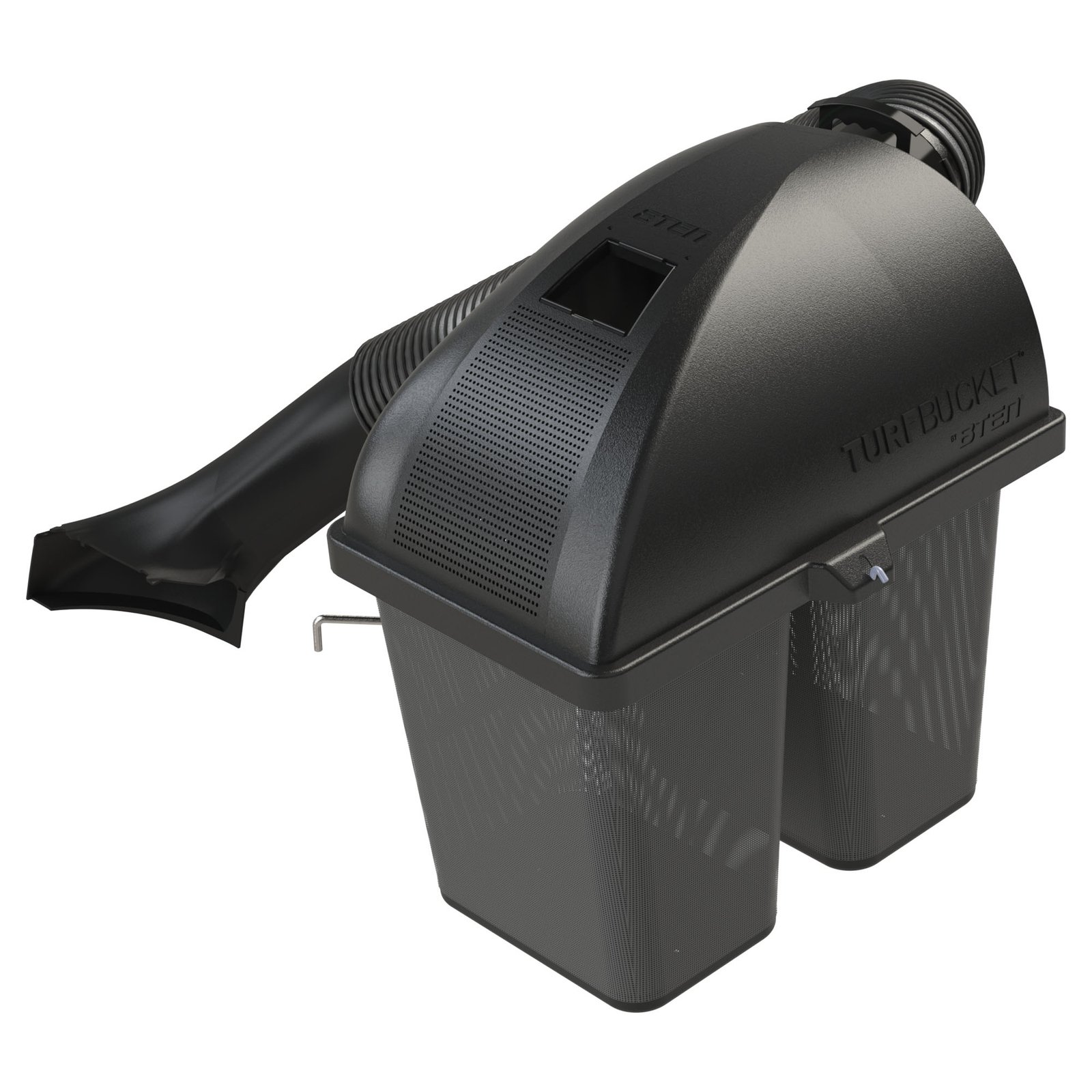
The chute is a common choke point. If grass is not making it into the bags, the chute is often where the problem starts. A small bend, tear, or misfit can slow clippings enough to cause blockage.
Check the chute path from the deck opening to the bagger housing. You want a smooth, open path with no crushed sections, loose connections, or debris stuck in corners. Even a partial obstruction can cause the system to back up.
Credit: walmart.com
What to look for
- Chute pinched between parts
- Cracks or tears in plastic sections
- Loose mounting points
- Grass packed at the deck opening
- Rubber or foam seals that are missing or damaged
One non-obvious issue is air leakage around the chute connection. The bagger needs controlled airflow. If too much air escapes through gaps, the clippings lose momentum before they reach the bags.
Clean every joint and reconnect parts firmly. If the chute is warped or damaged, replacement is often the best fix. Tape or temporary patches rarely hold up well because the chute flexes during use.
How to test the chute quickly
With the engine off and the key removed, detach the chute and look through it toward a light source. You should see a clear opening. If the path looks narrowed, dirty, or uneven, that is a warning sign.
If you are unsure about assembly or part condition, the official manufacturer support page can help you find the correct bagger parts and service details for your S240 setup.
Fix belt and fan-related issues before they get worse
On many riding mower bagger systems, belt condition affects how much power reaches the collection system. If the belt slips, stretches, or rides incorrectly, airflow and pickup drop fast.
You may not hear a loud failure. Instead, the system simply becomes weaker over time. That is why belt problems are often missed until the bagger nearly stops working.
Signs the belt may be part of the problem
- Squealing under load
- Slow or uneven bagging performance
- Visible belt cracking or glazing
- Belt dust near pulleys
- Collection gets worse on hills or in thick grass
Also check pulley alignment. If a pulley is out of position, the belt may not run smoothly. That creates drag and can reduce the speed needed for good bagging.
Do not ignore the fan, if your setup uses one. The bagger fan helps move clippings through the system. A cracked or damaged fan cannot move enough air, and the bags may stay only partly filled. This is one of the less obvious causes, because the mower can still sound normal.
When replacing parts makes sense
If the belt is older, glazed, or stretched, replacement is usually faster than trying to adjust around it. The same goes for a damaged fan, cracked pulley cover, or worn hardware that no longer holds tension properly.
Keeping these parts in good condition matters because baggers depend on consistent speed. A small loss in drive or airflow can create a big drop in collection efficiency.
Use the right cleaning and maintenance routine
Regular maintenance prevents most bagging problems before they start. A clean mower not only cuts better, it moves grass better. That matters because the bagger system works on airflow, and buildup destroys airflow quickly.
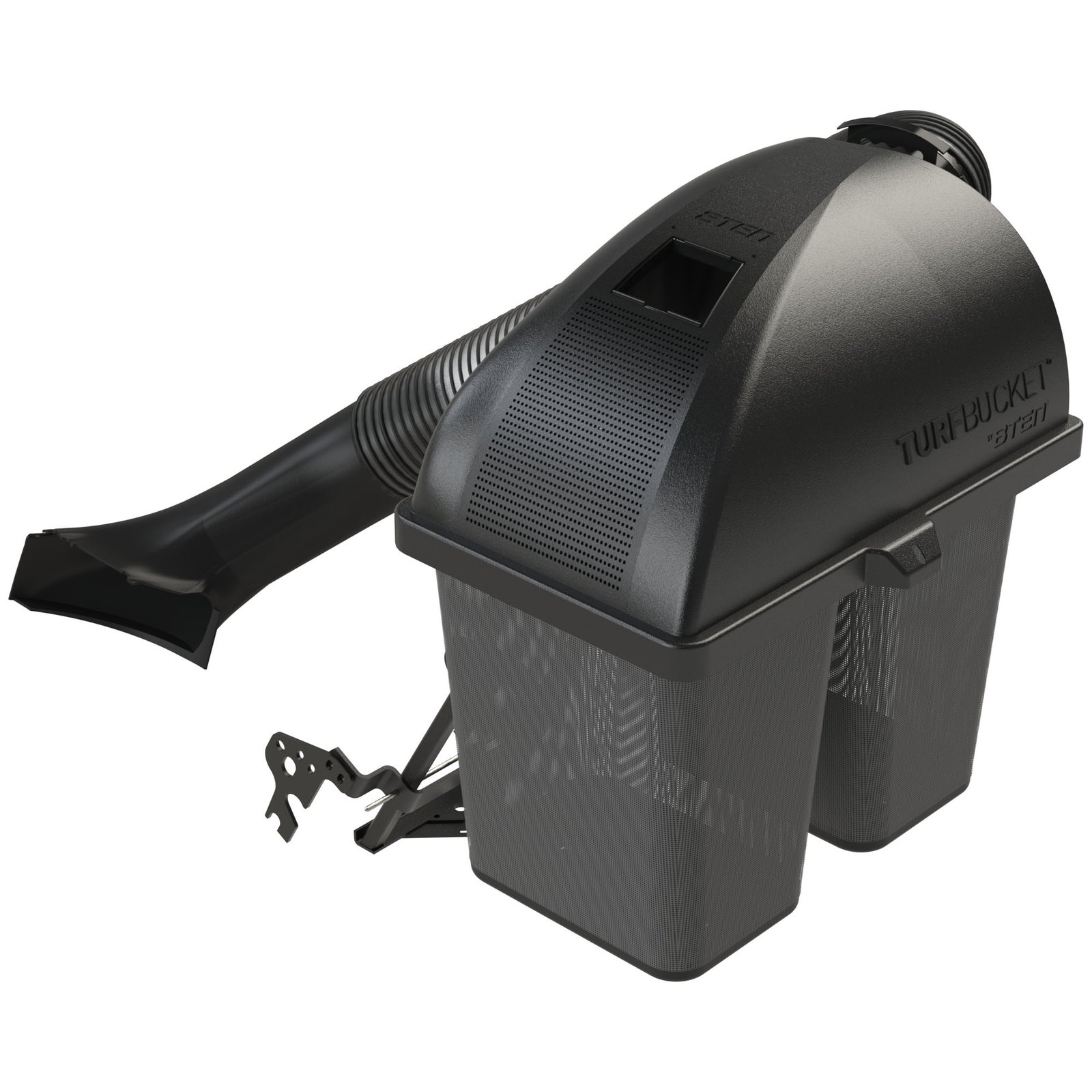
After each mowing session, scrape off wet clippings if they are sticking to the deck. Letting grass dry and harden makes the next cleaning much harder. If the deck stays coated for days, you will keep losing collection power.
Credit: walmart.com
A practical maintenance routine
- Brush or rinse off the deck after use, if appropriate for your setup.
- Remove trapped grass from the discharge opening.
- Check bag fabric for dust buildup and tears.
- Inspect hardware for looseness or wear.
- Store the mower and bagger in a dry place.
Do not use high-pressure water directly on bearings, belts, or electrical components. Moisture in the wrong place can create new problems, including rust and slipping parts.
A dry bag also matters more than people expect. A damp bag traps clippings and blocks airflow. That makes the next pass worse, even if the deck and chute are clean.
Common mistakes that make the problem worse
Some fixes fail because the real mistake is still there. If you change one part but keep mowing in bad conditions, the bagger will keep acting weak.
One common mistake is using the bagger on grass that is too tall and wet. Another is mowing too fast and expecting the system to catch everything. These habits create the same symptom as a broken part, which makes diagnosis confusing.
Also, many owners forget that baggers are part of a system. Blades, deck, chute, belt, bags, and mowing conditions all work together. If one part is off, the whole setup loses efficiency.
Avoid these habits
- Mowing wet grass whenever possible
- Running dull blades for too long
- Ignoring grass buildup under the deck
- Overfilling the bags before emptying them
- Using damaged or mismatched bagger parts
Another subtle issue is expecting perfect bagging in every condition. Thick spring growth and long, soft grass are hard to collect. Even a healthy system may need slower driving and more frequent bag emptying during those periods.
When the problem points to a deeper repair
If you have cleaned the deck, sharpened the blades, checked the chute, and verified the belt, but the John Deere S240 bagger not collecting grass problem remains, the issue may be deeper. That could mean a worn fan, bad pulley alignment, or a mounting problem that changes how the system seals.
At this stage, focus on what changed recently. Did the bagger start working poorly after hitting an object? Did performance drop after a belt replacement? Did it happen only after the bags were replaced or the chute was removed and reinstalled?
Good diagnostic questions
- Does it collect better on short, dry grass?
- Does the chute stay clear for a few minutes before plugging?
- Do you hear belt slip or squeal under load?
- Is one bag filling faster than the other?
If the answer changes depending on mowing conditions, the mower may be okay and the setup simply needs adjustment. If it performs badly every time, even in dry grass, a worn component is more likely.
Call a professional or dealer technician if you suspect a damaged pulley system, a bent deck spindle, or a mounting issue you cannot inspect safely. Rotating parts and spring-loaded components can be hazardous if you are not familiar with mower service.
Practical fix order that saves time
If you want the fastest path to a solution, work in this order. Start with the easiest and most likely causes, then move to deeper checks only if needed.
| Step | What to check | Why it matters |
|---|---|---|
| 1 | Wet or overgrown grass | Most common reason for poor collection |
| 2 | Deck, chute, and bags for buildup | Clogs reduce airflow fast |
| 3 | Blade sharpness and condition | Bad blades reduce lift and clippings flow |
| 4 | Belt tension and pulley alignment | Slippage weakens the whole system |
| 5 | Fan and mounting hardware | Damaged parts can block proper collection |
This order works because it matches how the problem usually appears in real use. The simplest causes create the majority of failures, while the deeper mechanical issues are less common.
Once you restore airflow and improve cutting conditions, the bagger usually starts collecting more evenly. In many cases, the difference is immediate.
For most owners, the fix is not one expensive part. It is a combination of clean airflow, sharp blades, dry grass, and the right mowing speed. That is the real key to solving a John Deere S240 bagger not collecting grass issue without guesswork.
Credit: walmart.com
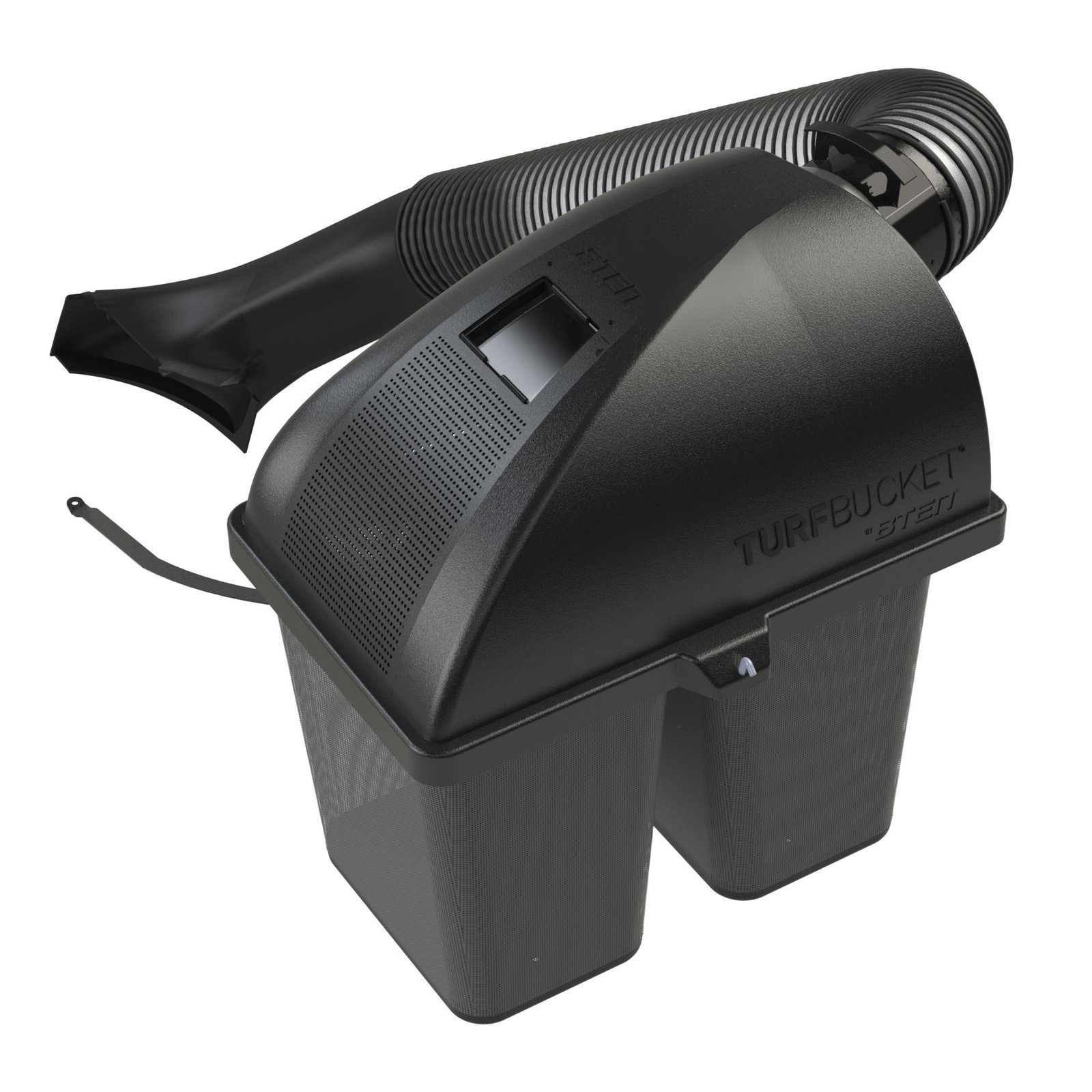
After the main fault is fixed, run the machine briefly under light load and recheck the related belt, wiring, fuel, fluid, and safety-switch areas before returning it to normal work.
FAQs
Why is my John Deere S240 bagger not picking up grass?
The most common causes are wet grass, a clogged chute, dull blades, or buildup under the deck. Start with cleaning and mowing dry grass before checking belt and fan parts.
Should I sharpen the blades if the bagger is not working well?
Yes. Dull blades reduce lift and make it harder for clippings to move into the bagger. Sharp, undamaged blades improve both cutting and collection.
Can wet grass stop the bagger from filling?
Absolutely. Wet grass clumps together and sticks to the deck and chute. Even a healthy bagger may struggle badly in damp conditions.
How often should I clean the deck and chute?
Clean them after every mowing session if clippings are sticking. At minimum, inspect them often during heavy mowing periods, especially in spring growth.
When should I call a dealer or technician?
Call for service if you suspect a damaged pulley, bent spindle, broken fan, or another part you cannot inspect safely. If basic cleaning and blade checks do not help, deeper mechanical repair may be needed.