
If your mower slows hard or stalls in thick turf, the Cub Cadet 1554 bogs down in heavy grass because something is reducing engine power, airflow, cutting efficiency, or drive performance. In many cases, the problem is not one single fault. It is a mix of dull blades, too much cutting height at once, wet grass, or a mower that is not tuned correctly.
The good news is that most fixes are simple. You can often solve the issue with a sharper blade, a cleaner deck, a better mowing pattern, or a small engine tune-up. The key is to diagnose the real cause instead of guessing.
Below, you will find the most likely reasons your Cub Cadet 1554 struggles in heavy grass, how to test each one, and what to do next. You will also see a few less obvious problems that many owners miss until the mower starts leaving clumps, losing speed, or shutting down under load.
For wider troubleshooting context, compare this guide with Cub Cadet Super LT 1554 Problems: Common Issues, Causes, and Fixes, Cub Cadet Super LT 1554 problems, Cub Cadet electric power steering problems.
Start with the most common cause: the mower is overloaded
The most common reason a Cub Cadet 1554 bogs down in heavy grass is simple overload. Even a healthy mower can struggle if the grass is too tall, wet, thick, or packed with weeds. A riding mower has limited cutting capacity, and when the blade has to chew through too much material at once, engine speed drops fast.
A good rule is to remove no more than one-third of the grass blade in a single pass. If your lawn is 6 inches tall and you try to cut it down to 2 inches at once, the mower will almost always labor. That is true even if everything on the machine is working normally.
Signs the mower is just overloaded
- It cuts fine on short grass but struggles in thick patches.
- Engine speed drops mainly when entering dense areas.
- The mower recovers when you slow down.
- It leaves clumps or an uneven finish, but does not fully stall.
If these signs fit, start with mowing conditions before replacing parts. Many owners go straight to engine repairs when the real issue is simply cutting too much grass at once. That wastes time and money.
What to do first
- Raise the deck one notch for the first pass.
- Slow your ground speed.
- Mow when the grass is dry.
- Make two passes if the lawn is very overgrown.
- Use a side discharge setup if the bagger or mulch kit is choking flow.
This alone solves many “bogging down” complaints. A mower that feels weak in one setup may perform much better after the deck is adjusted and the cutting load is reduced.
Check the blade and deck first, not the engine
A dull blade is one of the biggest hidden causes of bogging. A sharp blade cuts grass cleanly. A dull blade tears it, slows through it, and forces the engine to work harder. That extra resistance can feel like engine trouble even when the engine itself is fine.
The deck can also build up packed grass under the shell. When this happens, airflow drops and the blade cannot lift clippings well. Poor airflow makes heavy grass behave even worse, especially if you are mowing damp turf or using a mulch plug.
Blade problems that slow the mower
- Dull edge: The blade looks shiny or rounded instead of sharp.
- Bent blade: It creates vibration and uneven cutting.
- Incorrect blade type: Not every blade works well for every mowing style.
- Damaged tip: Even small chips can reduce cutting performance.
One non-obvious issue is blade balance. A blade can be sharp but still out of balance after a hit to a root, rock, or hidden object. That vibration robs smooth power and can make the mower feel weak in thick grass. If the mower shakes more than usual, the blade deserves a closer look.
Deck cleaning matters more than many owners realize
Grass buildup under the deck changes how air moves around the blade. That matters because the blade is not just cutting. It is also lifting and moving grass for discharge or mulching. If the deck is caked with wet clippings, the mower can bog even with a strong engine.
Clean the underside after mowing, especially if you cut tall or damp grass often. A plastic scraper and a garden hose can help, but avoid blasting water into bearings or electrical areas. Regular cleaning keeps the deck working like it should and reduces the load on the engine.
Fuel, air, and spark issues reduce engine power
If the mower still bogs down after basic mowing fixes, move to the engine’s basic needs: fuel, air, and spark. A small power loss in any of these systems becomes obvious when the blades hit thick grass. Under light load, the engine may seem normal. Under heavy load, it starts to stumble.
Old fuel is a frequent cause. Gas that sits too long can lose volatility and leave deposits in the carburetor. If the mower starts easily but loses strength when you enter dense grass, restricted fuel flow is a strong possibility.

Credit: reddit.com
What to inspect
| System | What to check | What a problem looks like |
|---|---|---|
| Fuel | Fresh gas, clean filter, vented cap | Sputtering, loss of power, hesitation under load |
| Air | Clean air filter, intact intake path | Rich running, dull exhaust sound, reduced power |
| Spark | Correct plug gap, clean plug condition | Rough running, misfire, hard recovery in thick grass |
A clogged air filter is especially easy to miss. The mower may still idle and drive, but it cannot breathe well enough to keep up when the blade load rises. In heavy grass, that lack of airflow shows up fast.
Another subtle issue is a weak spark plug that only misfires under load. The mower may sound okay while idling in the driveway, then stumble as soon as the blade meets thick turf. That is why load testing matters more than listening to the engine at idle.
For engine safety and maintenance basics, the official mower safety guidance from CPSC is a helpful reference before you inspect blades, fuel, or deck components.
The drive system can make the mower feel weaker than it is
Sometimes the engine is fine, but the mower still seems to bog because the drive system is slipping or slowing the machine too much. If ground speed drops dramatically in thick grass, the blade load rises. That extra load makes the engine work harder and creates the feeling of bogging.
This is common on riding mowers that have worn belts, dirty pulleys, or weak drive components. A mower can seem strong on flat, short grass and then lose its rhythm the moment the turf gets dense.
Drive-related causes to inspect
- Worn motion or deck belt: A belt that slips under load reduces performance.
- Loose idler pulley: Poor belt tension can cause surging or slowing.
- Hydrostatic issues: If equipped, weak transmission performance can limit speed control.
- Dragging brake or wheel issue: Extra rolling resistance makes the engine work harder.
One overlooked clue is whether the mower feels worse uphill or in soft ground. If it bogs more when the machine is already under travel load, the drive system may be part of the problem. That does not mean the engine is weak. It means the mower is doing more work than it should.
Also check tire pressure. Low tire pressure increases resistance and can make the mower feel sluggish in dense grass. It is a small detail, but it matters more than many people think. Uneven tire pressure can also change deck height side to side, which hurts cutting quality.
Cutting settings and mowing habits can help or hurt performance
How you mow matters almost as much as the mower itself. The Cub Cadet 1554 has enough capacity for many yards, but it will still struggle if the setup is wrong. Heavy grass is not just about grass type. It is about volume, speed, moisture, and discharge path.
If you mow too fast, the blade cannot process the grass cleanly. If you mow too low, the deck can scalp high spots and overload in dense areas. If you mow too high in one pass and try to mulch everything, the mower may choke on the clippings.
Better mowing habits
- Cut when the lawn is dry, not after rain or morning dew.
- Use a slower ground speed in thick sections.
- Overlap each pass by a few inches.
- Change direction on the next mow to reduce matting.
- Raise the deck if the lawn has grown very fast.
Wet grass is one of the worst conditions for any mower. It bends instead of slicing cleanly, sticks under the deck, and forms clumps fast. Even a mower that is in excellent condition can bog in wet, heavy turf. If possible, wait until the grass is dry enough to separate easily.
Mulching in heavy grass is also harder than many owners expect. Mulching works best when the mower is cutting a small amount each pass. If the lawn is overgrown, side discharge usually performs better because it moves clippings out of the deck faster.
When the mower still bogs, look at tune-up and adjustment details
If mowing conditions are reasonable and the blade and deck are clean, the next step is a basic tune-up. Small adjustments often make a bigger difference than people expect. A mower that is just slightly out of tune can struggle badly once the load increases.
Start with the easiest items first: spark plug condition, air filter condition, fuel freshness, and belt wear. Then move to carburetor, governor, and throttle linkage if the problem remains. These parts control how well the engine responds when demand rises suddenly.

Credit: orangetractortalks.com
Less obvious issues that cause bogging
- Governor not responding properly: The engine cannot add fuel and speed fast enough under load.
- Carburetor restriction: Dirt or stale fuel limits fuel flow at higher demand.
- Throttle linkage sticking: The engine never reaches full operating speed.
- Loose engine mounting or vibration: Can create belt misalignment and extra drag.
Here is a detail many owners miss: the mower must reach its correct top governed speed before cutting. If the engine is already running a little slow, it has less reserve power when the blades enter thick grass. That small drop in speed is enough to turn a manageable job into a bogging problem.
If you are comfortable doing basic maintenance, check your owner’s manual for the exact service points and belt routing. Use the official manufacturer support page for model-specific guidance, since deck and engine details can vary by exact 1554 configuration.
A simple diagnostic order saves time and money
Do not start with major repairs. Diagnose in a clear order so you do not replace the wrong part. Most bogging problems can be narrowed down in less than an hour if you test the mower in a smart sequence.
Use this order
- Test the mower in short, dry grass.
- If it runs well there, the issue is likely load, deck, or cutting setup.
- If it still bogs, inspect the blade and deck buildup.
- Then check the air filter, spark plug, and fuel freshness.
- Finally, inspect belts, pulleys, and drive resistance.
This order works because it starts with the most likely causes and moves toward less obvious ones. That approach is faster than changing parts at random. It also helps you notice patterns, which often point to the real fault.
Quick field test
Try mowing one small area in a lower grass section and one in a heavy patch. If the mower only bogs in the heavy patch, the engine may be fine. If it bogs almost everywhere, the problem is more likely mechanical or tune-related.
You can also listen for changes in engine sound. A sharp drop in RPM when the blades hit grass often means the engine is fighting load. A rough, uneven sound that happens all the time may point more toward fuel or spark trouble.
How to prevent the problem from coming back
Once you fix the issue, prevention matters. The same mower can feel strong one week and weak the next if mowing habits change or maintenance slips. Regular care keeps the Cub Cadet 1554 ready for thick turf before the season gets out of hand.
Sharpen the blade several times per season if you mow often. Clean the deck after heavy use. Replace the air filter when it gets dirty. Use fresh fuel, and do not store old fuel in the tank for months at a time. These are simple habits, but they prevent most bogging complaints.
Also watch the lawn itself. If grass grows fast after rain or fertilizer, plan to mow sooner and raise the deck for the first pass. That is far easier on the mower than forcing one heavy cut after a long delay.
Bottom line: when a Cub Cadet 1554 bogs down in heavy grass, start with grass conditions, blade sharpness, and deck cleanliness before moving to fuel, air, spark, or drive issues. The fastest fix is often not a repair at all. It is a better cutting setup and a lighter first pass.
Credit: opeforum.com
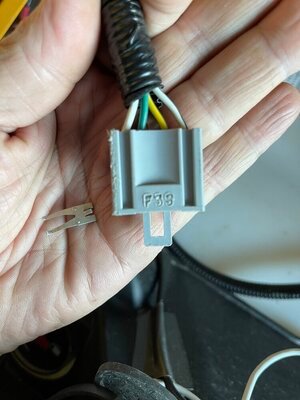
After the main fault is fixed, run the machine briefly under light load and recheck the related belt, wiring, fuel, fluid, and safety-switch areas before returning it to normal work.
FAQs
Why does my Cub Cadet 1554 bog down only in thick grass?
That usually means the mower is overloaded, not broken. Heavy, wet, or tall grass creates more cutting resistance than the engine and blade can handle at full speed. A higher deck setting and slower mowing speed often fix it.
Can a dull blade really make the mower lose power?
Yes. A dull blade tears grass instead of cutting it cleanly, which increases drag under the deck. That extra resistance can make the mower feel weak even if the engine is otherwise healthy.
Should I mulch or side-discharge in heavy grass?
Side discharge is usually better in thick or overgrown grass. Mulching works best when you remove only a small amount at a time. In heavy grass, mulching can choke airflow and make bogging worse.
What if the mower runs fine until I engage the blades?
That often points to the blade system, deck buildup, or belt load. It can also mean the engine is marginal and only struggles when cutting demand rises. Start with the deck, blade sharpness, and belt condition.
When should I stop troubleshooting and get help?
Call a professional if the mower has strong vibration, smoke, repeated stalling, or belt damage you cannot safely inspect. If the engine loses power even after basic maintenance and fresh fuel, a deeper carburetor or engine issue may need proper repair.