
If your Cub Cadet ZT1 50 keeps stopping, the problem is usually simple: fuel flow, a safety switch, or weak ignition. The good news is that most of these issues can be found with a few basic checks and no special tools.
This guide walks through the most common causes, how to test them, and the fastest fixes. You will also see the warning signs that point to a clogged filter, bad fuel cap vent, dirty carburetor, loose battery connection, or a safety interlock problem.
Start with the easiest checks first. On this mower, a small issue can act like a big failure, especially once the engine gets warm or when the deck is engaged on thick grass.
For wider troubleshooting context, compare this guide with Cub Cadet ZT1 50 Problems: Troubleshooting Won’t Move, Cut, or Drive, Cub Cadet ZT1 50 problems, Cub Cadet electric power steering problems.
Start with the most likely reasons it shuts off
When a riding mower starts and then dies, the cause is often fuel starvation. That means the engine is not getting enough gas to keep running under load. On a Cub Cadet ZT1 50, this is more common than a major engine failure.
Before removing parts, watch when the stopping happens. If it dies after 5 to 15 minutes, heat, vapor lock, or a weak ignition coil may be involved. If it dies only when you engage the blades, the deck load may be exposing a fuel or electrical weakness.
1. Old fuel or contaminated fuel
Gasoline breaks down fast. Fuel older than about 30 days can start causing problems, especially if it contains ethanol. Water in the tank, stale fuel, or debris can make the engine surge, sputter, and stop.
Drain the tank if the fuel smells sour, looks dark, or has visible separation. Refill with fresh fuel from a clean container. If the mower had been stored for a season, this is one of the first fixes to try.
2. Clogged fuel filter
A partly blocked fuel filter can let the mower idle but not stay running under load. This is a classic “runs for a minute, then quits” problem. A filter that is 1 to 2 seasons old can already be weak, especially if the fuel was dirty.
Check flow by removing the line carefully and seeing whether fuel moves freely by gravity. If flow is weak, replace the filter. Make sure the arrow on the filter points toward the engine.
3. Dirty carburetor or blocked main jet
If the mower starts with choke but dies when the choke is opened, the carburetor is likely too dirty. The main jet may be partially clogged with gum or varnish from old fuel. That can happen even when the mower has only sat for a few weeks with bad gas.
Cleaning the carburetor bowl and jet often solves the problem. If you are not comfortable opening the carburetor, a full replacement carburetor may be faster and more reliable on small engines that have already had repeated fuel issues.
Check the fuel system from tank to carburetor
Fuel issues are the fastest place to find a fault because they are common and easy to test. Work in order: tank, cap, line, filter, pump, then carburetor. That keeps you from replacing parts you do not need.
One detail many owners miss is the fuel cap vent. If the cap cannot vent air, a vacuum forms in the tank. The mower may run for 10 to 20 minutes, then slowly starve and stop. Loosen the cap briefly and see whether the engine improves.
| Component | What to look for | Likely symptom |
|---|---|---|
| Fuel cap vent | Pressure buildup, no air movement | Stops after a few minutes |
| Fuel line | Cracks, soft spots, kinks | Random stalling, weak flow |
| Fuel filter | Dark, clogged, or old | Dies under load |
| Carburetor | Dirty bowl, blocked jet | Starts then dies, needs choke |
How to test fuel delivery in 3 quick steps
- Turn off the mower and let it cool for a few minutes.
- Inspect the fuel line for kinks, cracking, or pinched sections near the tank and engine.
- Remove the fuel line from the carburetor side and confirm steady fuel flow into a safe container.
If the fuel does not flow well, the problem is upstream. If fuel flows strongly, the carburetor is the next likely fault. That simple split saves a lot of time.
Look at electrical and safety switch problems
Not every shutdown is caused by fuel. A loose battery connection, failing ignition coil, or safety switch can cut power without warning. These problems often feel random because they may happen only when the mower vibrates or warms up.
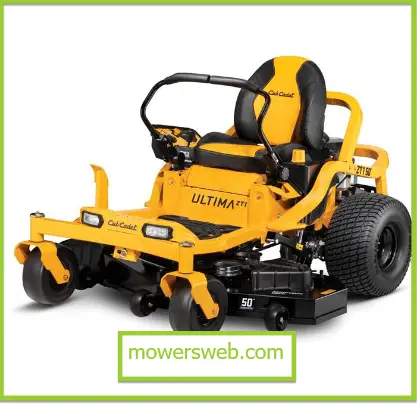
The ZT1 50 uses safety systems to prevent unsafe operation. That is good, but a worn seat switch or bad PTO switch can act like the engine has failed. If the mower dies when you hit bumps, turn sharply, or stand up from the seat, focus on switches first.
Credit: mowersweb.com
Seat switch
The seat switch tells the mower whether someone is sitting in the operator position. If it is loose, dirty, or failing internally, it may kill the engine or cut the blades unexpectedly. That is especially likely if the mower stops when weight shifts in the seat.
Press the switch by hand and check for a firm click. Also inspect the connector under the seat for corrosion or a loose fit. A broken wire here can look like a fuel problem because the engine simply shuts off.
PTO switch and brake switch
The PTO switch controls blade engagement. If it has worn contacts, it may create intermittent shutdowns when the deck is turned on. The brake switch can also interrupt the ignition circuit if the mower thinks the brake is not set correctly.
These switches usually fail by becoming inconsistent. The mower works one day, then stops the next. If the engine only dies when you engage the blades, the PTO switch should be high on the list.
Battery and ground connections
A battery that is weak or has loose terminals can cause engine shutdowns, even on a machine that starts easily. Vibration can open the circuit for just a second, which is enough to kill ignition power. Clean both battery posts and tighten the cables.
Also check the ground cable where it meets the frame or engine. Rust or paint between the terminal and metal can create resistance. That resistance gets worse as current demand rises.
Do not ignore heat-related engine problems
If your mower runs well cold, then starts stopping after the engine warms up, think about heat-related failure. The most common examples are a failing ignition coil, clogged cooling fins, or a fuel system that boils fuel too soon.
This is one of the more overlooked patterns. Many owners replace the carburetor first, but the real issue is that the engine is losing spark after 10 to 20 minutes. A weak ignition coil often shows up only when hot.
Signs the ignition coil may be failing
A bad coil can cause hard starting when hot, sudden shutdowns, or a spark that disappears after the engine warms up. If the mower restarts only after cooling for 15 to 30 minutes, that is a strong clue.
You can test spark with an inline spark tester. If spark is weak or absent when the mower stops but comes back later, the coil may need replacement. Make sure the flywheel key is also intact if the mower hit a hard object recently.
Cooling problems that make the engine stop
Grass buildup around the engine shrouds can trap heat. So can clogged cooling fins on the cylinder head. When airflow is blocked, the engine temperature rises fast, and shutdown can follow under mowing load.
Clean the engine top, fan area, and shrouds with compressed air or a soft brush. Avoid blasting dirt deeper into the engine. Good airflow matters more than many people realize on compact zero-turn mowers.
If you want to confirm the official service and safety guidance for your model, the official Cub Cadet support and manuals page is the best place to check the correct procedures.
Why the mower stops only on hills, turns, or thick grass
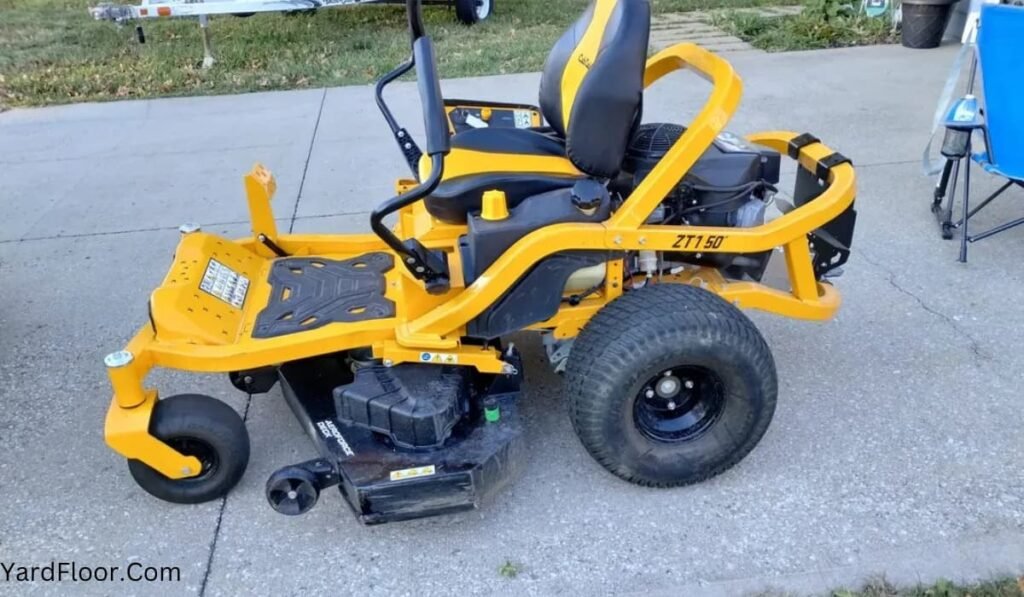
Some owners say the mower runs fine in the driveway but stops in real mowing conditions. That pattern usually points to a weak fuel supply, poor venting, or a belt/deck load problem. The engine may be close to normal, but the extra demand exposes the weakness.
When mowing uphill or making tight turns, fuel can slosh away from the pickup area if the tank is low. At the same time, a clogged filter or weak pump may not recover quickly enough. That is why the mower may seem fine on flat ground and fail in normal use.
Credit: yardfloor.com
Blade load and belt drag
If the deck belt is too tight, damaged, or routed incorrectly, it can put extra load on the engine. Bad spindle bearings can do the same thing. In that case, the engine may bog down, then stop when the blades are engaged.
With the engine off, spin each spindle by hand. They should move smoothly and quietly. A rough or gritty feel means a bearing issue that can overwork the engine.
Low fuel level problem
A mower that only stops when the tank is below half may have a pickup, vent, or line issue. This is easy to miss because the machine seems normal with a full tank. The 80% case is still fuel, but the exact symptom can point to where the fault sits.
Try filling the tank and mowing again. If the shutdown problem improves, the issue may be fuel slosh, a weak cap vent, or debris sitting near the tank outlet.
Step-by-step fix order that saves time
Use this order so you do not waste money on parts that are not bad. Start with the fastest, cheapest checks first. Then move toward deeper repairs only if the mower still stops.
- Replace stale fuel and make sure the tank is clean.
- Loosen the gas cap briefly to check for venting issues.
- Inspect and replace the fuel filter if it looks old or restricted.
- Check the fuel line for cracks, kinks, or pinches.
- Clean the carburetor bowl and jet if the engine needs choke to stay running.
- Inspect battery terminals and ground cable for looseness or corrosion.
- Test the seat, PTO, and brake switches for intermittent cutout.
- Check the ignition coil and cooling system if the mower dies after warming up.
That order works because it follows the most common failure path. Fuel and safety circuits account for far more shutdown complaints than internal engine damage. In many cases, one small repair restores normal operation.
Common mistakes that make the problem worse
A lot of people change parts too quickly. They replace the carburetor, then the coil, then the battery, without checking the fuel cap or filter. That can turn a simple fix into an expensive guessing game.
Another mistake is testing the mower only in neutral or at idle. A mower can idle fine with a weak fuel system and still die as soon as the blades engage. Always test under the same condition where the problem happens.
What not to do
- Do not keep running the mower with stale fuel.
- Do not ignore loose battery cables just because the engine cranks.
- Do not spray random cleaner into the carburetor without checking the fuel supply first.
- Do not bypass safety switches for normal use.
- Do not assume a hot shutdown is always a carburetor issue.
One more useful tip: if the mower dies, wait 5 to 10 minutes and then inspect the spark plug. A wet plug usually means excess fuel or poor ignition. A dry plug often means fuel starvation.
When the problem is bigger than a basic repair
Some shutdowns point to deeper engine trouble. Low compression, a damaged flywheel key, or a failing charging system can all create stopping problems. These are less common, but they do happen.
If the mower stops even after fresh fuel, a clean carburetor, and good electrical connections, the next step is a more advanced diagnosis. A compression test and spark test under heat can separate fuel trouble from ignition trouble fast.
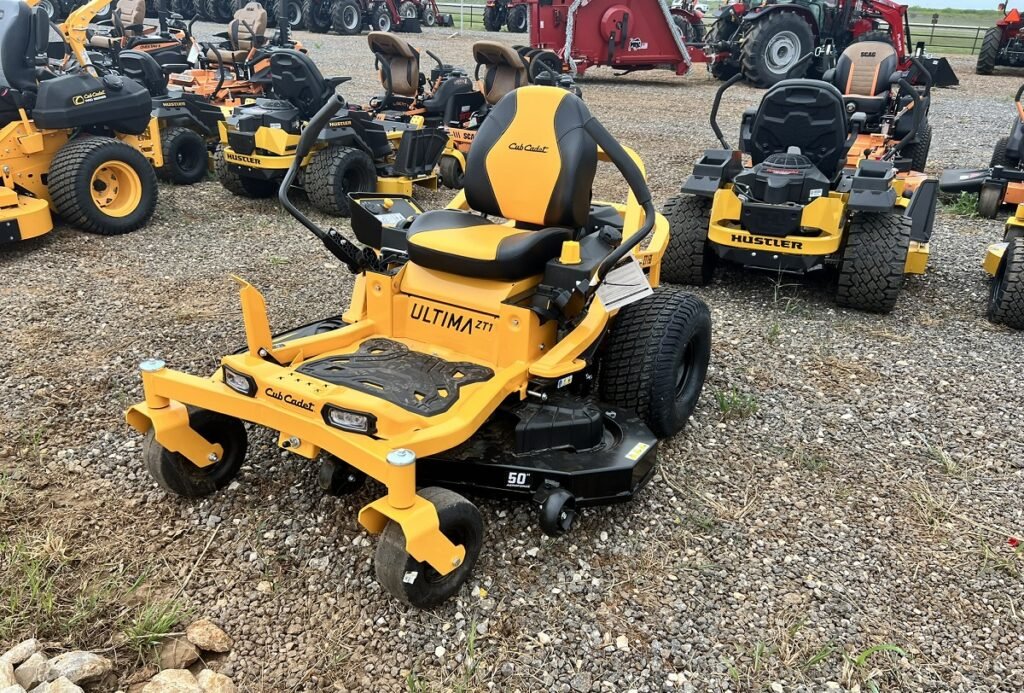
You should call a professional if the engine backfires sharply, loses spark repeatedly after heat soak, or shows metal debris in the oil. Stop using the mower if it stalls in a way that feels unsafe or unpredictable.
Credit: backyardcorner.com
How to keep the ZT1 50 from stopping again
Prevention is simple. Use fresh fuel, replace the fuel filter on schedule, and keep grass from packing around the engine and deck. Clean airflow is especially important during hot weather or long mowing sessions.
Run the tank low only if you plan to refill soon. Long storage with fuel in the system is one of the biggest reasons a mower later develops carburetor and filter problems. A fuel stabilizer can help if you store the mower for long periods, but it does not fix old fuel that is already bad.
Inspect terminals, switches, and belts at the start of each season. A 10-minute check can prevent a shutdown halfway through a yard. That is usually easier than troubleshooting the same problem twice.
FAQ
Why does my Cub Cadet ZT1 50 keep stopping after 10 minutes?
The most common causes are a clogged fuel filter, a fuel cap vent problem, or a heat-related ignition issue. If it stops around the same time each run, test the cap vent and fuel flow first.
Why does it stop when I engage the blades?
That usually points to a PTO switch problem, weak battery connections, deck drag, or a fuel system that cannot keep up with the extra load. Check the blade spindles and belt before replacing electrical parts.
Can old gas really make the mower stall?
Yes. Gasoline can go bad in about 30 days, especially with ethanol. Old fuel can clog the carburetor and make the engine surge, hesitate, or shut down under load.
What should I check first if the mower starts and dies?
Check the fuel cap vent, fuel filter, and fuel line first. Those are the quickest and most common causes. If fuel flow is good, move to the carburetor and safety switches.
When should I stop troubleshooting and call a mechanic?
Call a mechanic if the mower loses spark when hot, has repeated shutdowns after basic fuel and switch checks, or shows signs of compression loss or internal engine damage. Safety-related shutdowns should also be inspected by a professional if the cause is unclear.