
Aphids can ruin tender leaves fast, but how to get rid of aphids in garden is usually simpler than it looks. The best control method depends on how early you catch them and how badly the plant is infested.
These small, soft insects suck sap from new growth, buds, and the undersides of leaves. That weakens plants, twists leaves, spreads plant viruses, and attracts ants that protect the aphids.
The good news is that you often do not need harsh treatment first. With the right mix of inspection, water spray, pruning, natural predators, and careful use of insecticidal soap or stronger sprays, you can stop most aphid problems before they spread.
How to identify an aphid problem early
Aphid control works best when you notice the damage early. A small cluster on one stem is easy to handle. A large colony covering many shoots is harder and may need repeated treatment.
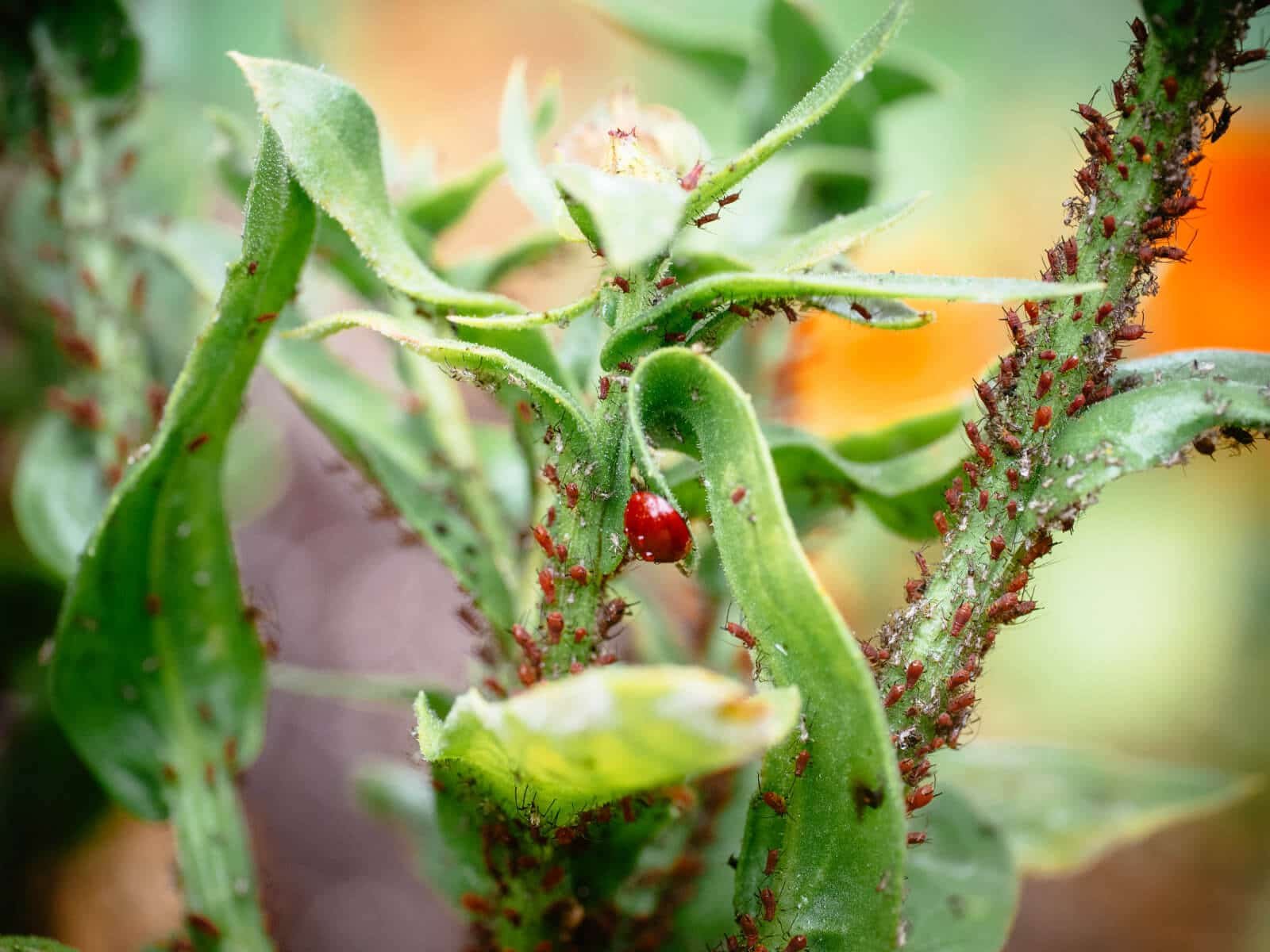
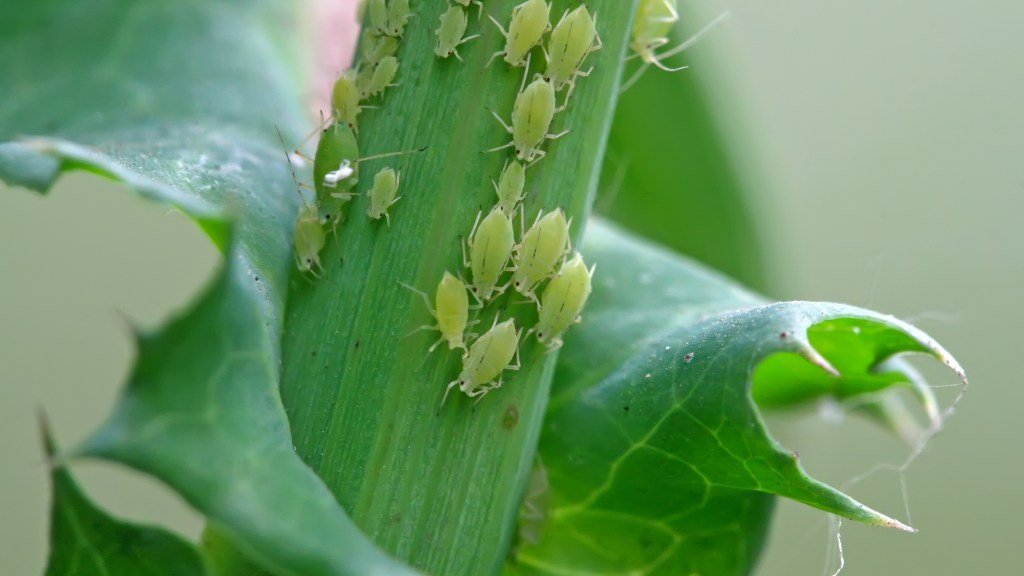
Look closely at the newest growth first. Aphids prefer soft, tender tissue, so the tips of roses, peppers, beans, kale, fruit trees, and many ornamentals are common targets. They are often green, black, yellow, brown, red, or even pink, depending on the species and plant.
Common signs to look for
- Curled, twisted, or puckered leaves
- Sticky residue called honeydew
- Black sooty mold growing on the honeydew
- Ants moving up and down the plant
- Slow growth or wilted-looking shoots
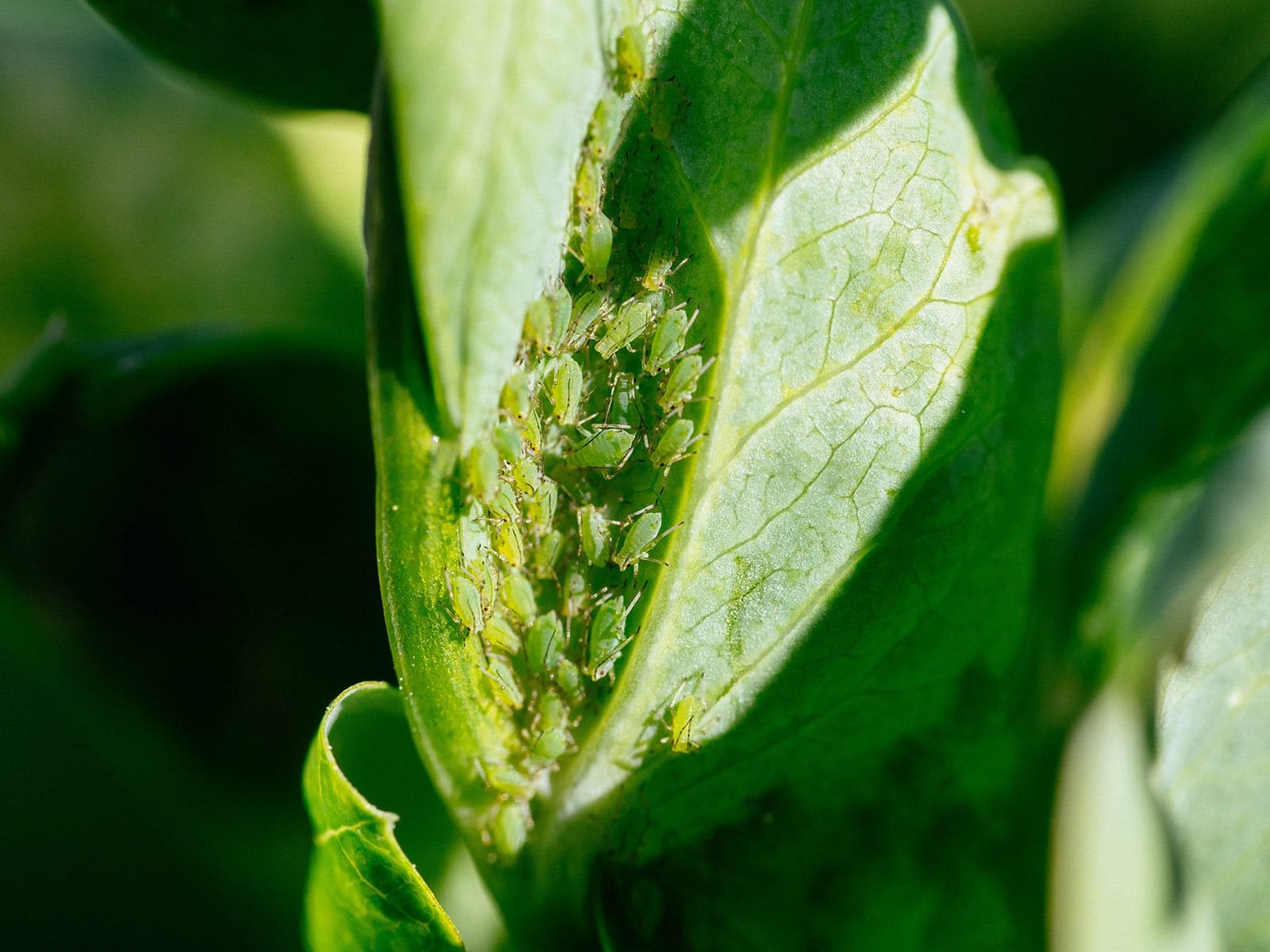
- Clusters of tiny insects on stems or leaf undersides
Honeydew is a major clue. Aphids feed by piercing plant tissue and taking sap, then they excrete the extra sugar. That sticky film can make leaves shine at first, then later turn dirty when sooty mold grows on it.
One thing many gardeners miss is that aphids are not always easy to spot with the naked eye. A magnifying glass can help, but you can also bend the stem and inspect the underside of leaves under bright light. If ants are actively guarding a plant, aphids are often nearby.
Why timing matters
Young aphid colonies multiply very fast. In warm weather, some aphids can produce live young without mating, which means a small group can become a major infestation in just days. A fast response usually matters more than a perfect product choice.
If you wait until the plant is covered, the damage may already be done. Even if you kill the aphids later, the leaves may stay curled and distorted. That is why early action is one of the most important parts of garden pest control.
Start with the simplest natural methods
For many home gardens, the best answer to how to get rid of aphids in garden is to begin with the least aggressive option. These methods are cheap, safe for most plants, and often enough on their own when the infestation is small.
Use a strong spray of water
Aphids are weak-bodied insects. A firm stream of water from a hose can knock many of them off leaves and stems. Focus on the undersides of leaves and the tops of tender shoots, where they cluster most often.
This works best in the morning so plants dry during the day. Repeat every 2 or 3 days if needed. For many small outbreaks, this alone can reduce the population enough for the plant to recover.
Do not use a harsh blast on delicate flowers or seedlings. You want to dislodge the insects, not damage the plant. A nozzle with adjustable pressure is useful here because you can lower the force for softer foliage.
Prune the worst-infested growth
If only a few stems are heavily infested, cut them off and throw them away in the trash. Do not compost heavily infested material unless your compost gets hot enough to destroy pests.
This is especially useful on roses, herbs, and small shrubs. Removing one badly damaged shoot can stop the colony from spreading to healthy growth. It also makes later sprays more effective because you expose the remaining aphids.
Encourage beneficial insects
Lady beetles, lacewings, hoverflies, and tiny parasitic wasps all feed on aphids. A garden with fewer broad-spectrum insecticides usually has more of these natural helpers.
Flowering plants with small blooms, such as dill, alyssum, yarrow, and cilantro left to flower, can attract beneficial insects. This is a slow method, but it helps build long-term control instead of repeated spraying.
One non-obvious point: ants can reduce the success of beneficial insects. If ants are protecting aphids, deal with the ant problem too, or they may keep “farming” the pests and blocking predators from doing their job.
Natural sprays that work on aphids
When water and pruning are not enough, sprays can finish the job. The goal is contact control, which means the product must hit the aphids directly. Sprays do not work well if they are only applied to the top of the leaves and not the hidden areas.
Credit: gardenbetty.com
Insecticidal soap
Insecticidal soap is one of the best low-toxicity choices for aphids. It works by breaking down the insect’s outer layer, which causes dehydration and death. It is most effective on soft-bodied pests like aphids, whiteflies, and mites.
Follow the label carefully and test a small area first, especially on sensitive plants. Some plants can react badly, especially under hot sun or drought stress. Spray in the early morning or evening to reduce leaf burn.
Coverage matters more than concentration. If the soap misses the aphids, it will not work well. Spray the stems, leaf undersides, and new growth until the surface is wet but not dripping excessively.
Neem oil
Neem oil can help disrupt feeding and slow reproduction. It is not a fast knockdown spray like some chemical insecticides, but it can be useful for light to moderate infestations.
Use it on a cool day and avoid applying it when temperatures are high. Like soap, neem oil can cause leaf burn on stressed plants. Do not mix it randomly with other products unless the label allows it.
Neem can be helpful, but it is not magic. If aphids are packed tightly on a stem, you still need to combine neem with pruning or water spray. Otherwise, you may only slow them down for a short time.
Homemade sprays: use caution
Some gardeners use dish soap, vinegar, garlic, or chili sprays. These may give mixed results, but they can also damage plants if used too strongly. Dish soap is not the same as insecticidal soap, and vinegar can burn leaves quickly.
If you choose a homemade mix, test it on a small leaf area first and wait 24 hours. If you see spotting, curling, or browning, stop using it. A safer commercial insecticidal soap is usually the better choice for repeated use.
When chemical control makes sense
Sometimes natural methods are not enough. Severe infestations on roses, fruit trees, cucumbers, peppers, or young shrubs may need stronger control. The key is to use chemicals only when the damage risk is high and the product matches the plant and pest.
For safe, label-based guidance on garden pesticide use, the EPA guidance on safe pest control is a useful reference. Always read the label first, because the label is the law for pesticide use.
Contact insecticides
Some garden insecticides kill aphids on contact. These may work faster than natural sprays, but they can also harm beneficial insects if used carelessly. That matters because broad killing can remove the predators that would have kept aphids down later.
If you use a contact spray, aim only where the aphids are present. Avoid spraying open flowers whenever possible, since pollinators may visit them. Morning or evening application also reduces the chance of harming bees.
Systemic insecticides
Systemic products are absorbed by the plant and move through its tissues. Aphids feed on the sap and ingest the chemical. These can be effective on ornamental plants, but they are not always appropriate for vegetables or flowering plants that support pollinators.
Read the label carefully to confirm the product is approved for your plant type. Do not assume a stronger product is the better choice. In many cases, it is the last step, not the first.
Why overusing chemicals backfires
One of the biggest mistakes is spraying the same product too often. Aphids can rebound, and repeated use can also reduce beneficial insects. That can create a cycle where the garden becomes more dependent on treatment over time.
There is another hidden issue: aphids reproduce quickly, so partial control may not look like control at all. If a spray kills 80% but misses eggs, hidden colonies, or nearby infested plants, the problem returns fast. Good coverage and repeat timing matter as much as product strength.
Stop aphids from coming back
Getting rid of aphids is only half the job. If the garden keeps producing soft, stressed growth, aphids often return. Strong prevention makes future outbreaks much smaller and easier to manage.
Check plants weekly
Inspection takes only a few minutes, but it saves a lot of work later. Look at new growth, buds, and leaf undersides once a week during spring and early summer, when aphids often spread fastest.
This habit matters because the first small colony is the easiest one to remove. A single inspection can prevent a month of repeated treatment.
Avoid excess nitrogen fertilizer
Too much nitrogen often causes lush, soft growth. Aphids love this kind of tissue because it is easier to feed on. A plant that grows fast but stays weak can actually attract more pests than a slower, sturdier plant.
Use fertilizer according to soil needs, not by guesswork. If your plants are already producing very tender shoots, reduce high-nitrogen feeding and use a balanced approach instead.
Manage ants and weeds
Ants protect aphids because they feed on honeydew. If ants are present, control them around the plant base and nearby paths. You do not always need to eliminate every ant, but you should stop them from guarding aphid colonies.
Weeds also matter. Many weeds host aphids and other pests, then spread them to garden crops. Removing weeds near vegetables and ornamentals reduces hidden sources of infestation.
Use physical barriers and spacing
Healthy spacing improves airflow and makes inspection easier. Dense plants create hidden pockets where aphids can multiply unnoticed. It also makes spraying harder, which reduces treatment success.
For some crops, row covers can help keep pests away early in the season. They are not a cure once aphids are already inside, but they can prevent new infestations on young plants.
Best approach for different garden situations
The right method depends on the plant, the infestation level, and how quickly you need results. A light aphid problem on herbs does not call for the same response as a heavy outbreak on a fruit tree.
| Situation | Best first step | Follow-up if needed |
|---|---|---|
| Small cluster on one stem | Wash off with water | Prune the stem or use insecticidal soap |
| Soft herb or vegetable plant | Water spray and hand removal | Insecticidal soap if aphids return |
| Rose bush with many curled shoots | Prune heavy damage | Soap or neem spray, repeated every few days |
| Fruit tree with widespread infestation | Inspect carefully and remove heavily hit growth if possible | Targeted spray, or professional advice if the tree is large |
| Ornamental plant with recurring outbreaks | Improve airflow and check for ants | Use a labeled insecticide if natural methods fail |
A simple rule helps here: if you can remove the aphids physically, do that first. If they keep returning, use a spray that matches the plant and the pest. Save stronger chemicals for cases where the plant is truly at risk.
Credit: womansworld.com
Common mistakes that make aphid control harder
Many aphid problems last longer because the treatment misses the real cause. A gardener may spray once, see a few dead insects, and assume the problem is solved. But aphids often hide on the underside of leaves or in new folds of growth.
Spraying only once
Most sprays need repeat applications because new aphids hatch or move in from nearby plants. A one-time treatment rarely handles a growing colony. Follow-up every few days is often needed for active infestations.
Missing the undersides of leaves
This is one of the most common mistakes. Aphids usually sit where sprays and water are least likely to hit them. If you only coat the top side, you may leave most of the population untouched.
Using too much product
More is not better. Overapplication can burn leaves, damage blooms, and stress the plant further. It can also create runoff and waste.
Ignoring plant stress
Dry soil, compacted roots, poor light, and nutrient imbalance can all make a plant more vulnerable. Aphids often move toward stressed plants because they are easier to attack. Improving the plant’s growing conditions can reduce future infestations more than any spray alone.
Another point many gardeners miss is that not every curled leaf means aphids are still alive. Sometimes the insects are gone, but the leaf stays distorted. Check for fresh pests before spraying again.
A practical control plan that works
If you want a simple routine, this one works well for most home gardens. Start with a close inspection, then wash off the aphids, prune the worst stems, and follow with insecticidal soap if needed. Repeat as necessary for a week or two.
- Inspect new growth, buds, and leaf undersides.
- Wash off visible aphids with a firm stream of water.
- Prune badly infested shoots and discard them.
- Apply insecticidal soap or neem oil only if the infestation remains active.
- Recheck in 2 to 3 days and repeat treatment if needed.
- Reduce ants, weeds, and excess nitrogen fertilizer.
- Keep checking weekly so colonies do not rebuild.
This sequence works because it starts with the easiest control method and only escalates when needed. It also protects beneficial insects better than jumping straight to harsh sprays.
If you need the shortest answer to how to get rid of aphids in garden, it is this: inspect early, wash them off, prune heavily hit growth, use soap or neem only when needed, and protect beneficial insects so the problem does not keep coming back.
Credit: gardenbetty.com
FAQs
How do I know if I have aphids or another pest?
Aphids are small, soft-bodied insects that often cluster on new growth and leaf undersides. Sticky honeydew, curled leaves, and ants are strong clues. If you see hard shells, webbing, or chewing damage instead, another pest may be involved.
Will aphids kill my plants?
Small infestations usually do not kill healthy plants, but they can weaken them and stunt growth. Young seedlings, stressed plants, and fruit trees are more vulnerable. Heavy infestations can also spread plant viruses.
Can I use dish soap to kill aphids?
Dish soap may harm aphids, but it can also injure plants if mixed too strongly or applied in hot sun. Insecticidal soap is safer because it is made for garden use and follows a tested label rate.
How often should I reapply aphid treatments?
Most contact treatments need repeating every 2 to 3 days while aphids remain active. Rain, new growth, and missed leaf undersides can reduce control, so recheck regularly.
What is the best long-term way to prevent aphids?
The best prevention is a healthy garden with regular inspection, balanced fertilizer, good spacing, and beneficial insects. If you catch aphids early and keep ants under control, future outbreaks are usually much easier to manage.