
Garden pests can damage leaves, stunt growth, and wipe out harvests fast. The good news is that how to get rid of garden pests usually starts with simple, natural steps that work better than many people expect.
You do not need to spray chemicals first. In many gardens, the best results come from spotting the pest early, changing a few habits, and using targeted controls only where needed. That approach protects helpful insects, keeps your plants stronger, and cuts down repeat infestations.
Below, you will find proven natural and effective solutions, plus the common mistakes that make pest problems come back. You will also see how to identify what is attacking your plants, what to do first, and when a bigger problem needs faster action.
Start by finding the pest, not just the damage
The fastest way to solve a pest problem is to identify the insect or animal before you treat it. Many gardeners spray the wrong solution because they react to holes, curled leaves, or sticky residue instead of looking for the actual cause.
Different pests leave different signs. Aphids cluster on soft new growth and often leave a sticky film. Caterpillars chew irregular holes and may leave dark droppings. Slugs make smooth holes and shiny slime trails. Spider mites are tiny, but they cause speckled leaves and fine webbing. Once you know the pest, your control method becomes much more effective.
Check the plant in the early morning or evening, when many pests are active. Look under leaves, along stems, near the soil line, and inside buds. A hand lens helps, but even a close phone photo can reveal details you might miss with the naked eye.
One non-obvious trick: compare damaged plants with nearby healthy ones. Pests often start on the weakest or most crowded plants first. That clue can tell you whether the real issue is poor airflow, overwatering, or nutrient stress that made the plant easier to attack.
Common signs and what they often mean
| Plant sign | Likely pest | What to check next |
|---|---|---|
| Sticky leaves | Aphids, whiteflies, scale | Look under new growth and leaf undersides |
| Chewed holes | Caterpillars, beetles, slugs | Inspect at dusk and under mulch |
| Fine webbing and speckling | Spider mites | Check hot, dry areas and leaf undersides |
| Wilting with healthy soil moisture | Root damage, borers, cutworms | Look at stems and the soil line |
Use physical controls first
Physical control is often the quickest natural fix. It works by removing pests, blocking access, or making the plant harder to reach. This is especially useful early in the season, when the infestation is still small.
For larger pests, hand-picking can solve the problem in minutes. Drop beetles, hornworms, and caterpillars into soapy water. For soft-bodied pests like aphids, a strong blast of water from a hose can knock them off plants without harming the plant itself. Repeat every few days until numbers drop.
Row covers and insect netting are another strong option. They work best before pests arrive, especially on crops like cabbage, kale, carrots, and beans. The key is sealing the edges well. If insects can crawl underneath, the barrier loses much of its value.
Sticky traps can help monitor flying pests such as whiteflies and fungus gnats. They are not always the main solution, but they show you whether the problem is growing or shrinking. That makes them useful for deciding when to act again.
Good physical tools for common garden pests
- Strong water spray: Best for aphids, mites, and whiteflies on sturdy plants.
- Hand-picking: Best for caterpillars, beetles, and larger visible pests.
- Row covers: Best for preventing moths, beetles, and flies from laying eggs.
- Sticky traps: Best for tracking flying pests, not for full control alone.
- Mulch barriers: Can reduce soil splash and make it harder for some pests to reach plants.
Do not wait until the infestation is severe. A few caterpillars can become dozens in days, and aphids reproduce very quickly. In warm weather, some species can grow from a few insects to a large colony in less than a week.
Bring in natural predators and helpful insects
One of the smartest ways to get rid of garden pests is to let nature do part of the work. Beneficial insects eat pests, parasitize them, or keep their numbers low enough that damage stays minor. This can be more sustainable than repeated spraying.
Lady beetles, lacewings, hoverflies, parasitic wasps, and predatory mites are all helpful in the garden. But they only stay if they have food, water, and shelter. That means you need a garden that supports them, not just one that welcomes them for a day.
The biggest mistake is using broad sprays that kill both pests and beneficial insects. Even so-called natural sprays can disrupt the balance if used too often. A better approach is to spot-treat the worst plants and leave the rest of the garden as friendly habitat.
Planting small flowers with open blooms helps. Dill, alyssum, cilantro, fennel, and yarrow can feed adult beneficial insects with nectar and pollen. That support matters because many helpful insects are most effective when they stay nearby all season.
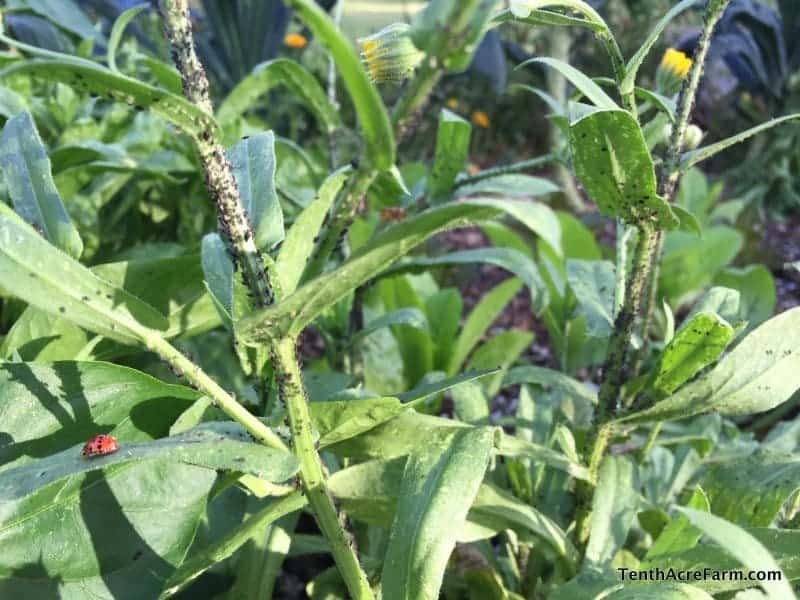
Credit: tenthacrefarm.com
How to make your garden more helpful-insect friendly
- Grow a mix of flowers and vegetables instead of one crop in one block.
- Leave a few flowering herbs to bloom.
- Avoid spraying in the middle of the day when bees and other pollinators are active.
- Provide shallow water sources with stones for safe landing.
- Let a small portion of the garden stay slightly wild if space allows.
This works best as prevention, not emergency cleanup. If pests are already exploding, use physical control first, then let beneficial insects help keep the next wave down.
Try natural sprays the right way
Natural sprays can be useful, but they are not magic. They work best on soft-bodied pests or on pests that live on exposed surfaces. They also need direct contact, which means timing matters more than many gardeners realize.
Insecticidal soap can help control aphids, whiteflies, mealybugs, and mites. Neem-based products can disrupt feeding and growth for some insects. Horticultural oils can smother eggs and soft-bodied pests. The key is to follow label directions and test one small area first, because some plants are sensitive.
Spray in the early morning or evening, not under hot sun. Heat can increase leaf burn risk. Also, spray both the top and underside of leaves, because many pests hide underneath. If you only hit the top, you often miss the colony.
One practical rule: if you cannot see the pest after a quick inspection, a spray may not help much. Hidden pests, especially in soil or inside stems, often need a different tactic.
For official safety and use guidance on garden pesticides and reduced-risk practices, the EPA guidance on safe pest control is a useful reference.
When natural sprays help most
- Small infestations on leaves and stems
- Repeated aphid or whitefly outbreaks
- Early spider mite activity during hot, dry weather
- Mealybugs on houseplants moved outdoors
Do not overuse sprays. Even natural ones can remove helpful insects if used every few days across the whole garden. Spot-treat the problem plants first, then watch for rebound.
Fix the garden conditions that attract pests
Many pest problems are really garden stress problems. Weak, crowded, thirsty, or overfertilized plants attract more insects and recover more slowly. That means pest control is not just about killing bugs. It is also about making plants less appealing to them.
Overwatering can lead to fungus gnats, root stress, and disease that weakens plants. Too much nitrogen can create soft, fast growth that aphids and other sap-feeders love. Poor spacing reduces airflow, which makes some pests and diseases spread faster.
Mulch helps in many gardens, but thick wet mulch near stems can create hiding places for slugs, earwigs, and some beetles. Keep mulch a few inches away from plant crowns. That small gap can reduce shelter for pests without removing the benefits of moisture retention.
Healthy soil also matters. Strong roots help plants bounce back after damage. When a plant is already struggling, even a small infestation can look much worse than it really is. That is why pest control and plant care should happen together.
Simple condition changes that reduce pest pressure
- Water deeply, but less often, so roots grow stronger.
- Thin crowded plants to improve airflow.
- Avoid excess nitrogen fertilizer unless a soil test shows a real need.
- Remove dead leaves and fallen fruit where pests hide.
- Keep stems and crowns from sitting in wet mulch.
These changes do not sound dramatic, but they create a garden that pests find less attractive. In practice, that can cut repeat outbreaks far more than spraying alone.
Use crop rotation and barrier habits to stop pests from returning
If the same pests keep coming back, the problem may be in the planting pattern. Some insects are tied to certain crops and return to the same family of plants year after year. Rotation breaks that cycle by making it harder for pests to find their favorite host.
For example, if cabbage worms attacked your brassicas this year, do not plant brassicas in the same bed next season. Move them to a different area if possible. Even a short move can help, because many pests emerge close to where they fed last time.
Barrier habits are just as important. Clean up old plant debris, since eggs and larvae may survive there. Remove volunteer plants that pop up from last season’s crop. If you compost diseased or heavily infested material, make sure your system gets hot enough to break it down safely, or dispose of it another way.
Some gardeners skip cleanup because it feels like extra work. But a few minutes of prevention can save hours of treatment later. This is one of the most overlooked parts of how to get rid of garden pests for good.
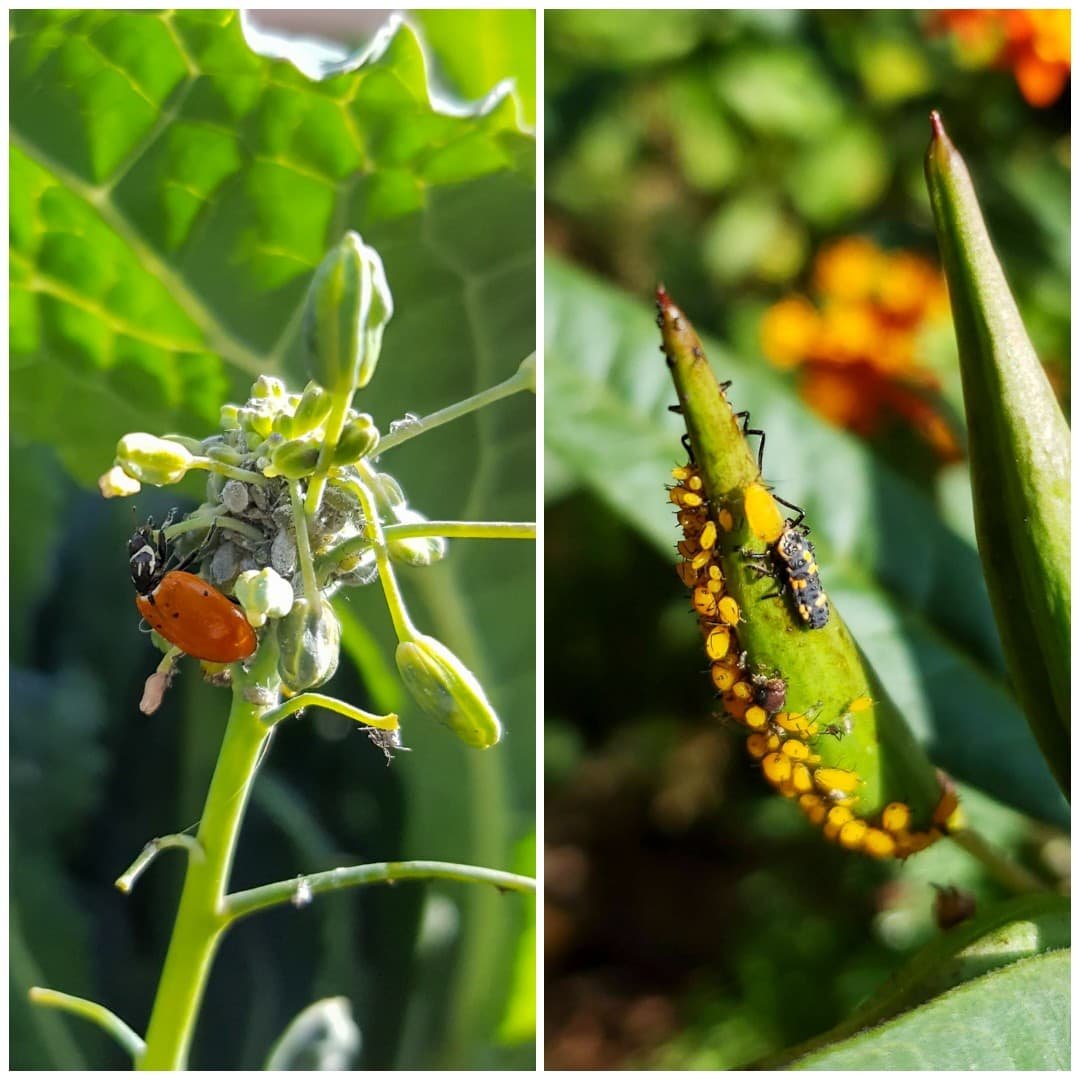
Credit: homesteadandchill.com
Smart prevention moves that pay off
- Rotate plant families, not just individual crops.
- Inspect new transplants before planting them.
- Quarantine suspicious plants for a week if possible.
- Clean pruners, stakes, and pots between uses.
- Remove weeds near the garden, since many pests use them as hosts.
Know the common mistakes that make pest problems worse
Some pest control failures come from doing too much, too fast, or too broadly. The first mistake is spraying without identifying the pest. That often wastes time and can damage beneficial insects at the same time.
The second mistake is treating only once. Many pests have life cycles that include eggs, larvae, and adults. A single treatment may kill the active stage but miss the next wave. Recheck plants every 2 to 4 days during an outbreak, then repeat targeted control as needed.
The third mistake is focusing only on the visible damage. By the time holes appear, the pest may already be gone or may be living somewhere else, like in the soil or on nearby weeds. If you do not inspect the whole area, you may keep fighting the wrong source.
Another common problem is using the wrong timing. Slugs are mostly active at night. Caterpillars are often easier to find at dusk. Aphids and mites may explode in hot, dry weather. Timing your inspection to the pest’s habits makes control much easier.
Finally, do not expect every damaged leaf to recover. New growth is the real sign of success. If the new leaves are healthy and the damage is stopping, the treatment is working.
When the problem is serious
Sometimes natural control is not enough by itself. If plants are losing most of their leaves, if stems are being cut at the base, or if the pest is spreading across multiple beds, act quickly. Severe infestations can overwhelm even healthy plants.
Look for plant collapse, large numbers of insects in one area, or repeated damage after several rounds of treatment. At that point, combine methods: hand-pick, prune heavily infested parts, use a targeted natural spray, and improve the garden conditions that helped the outbreak start.
For pests in the soil, around roots, or inside stems, diagnosis gets harder. Cutworms, borers, and some root feeders may not show obvious surface signs until the plant is badly stressed. If you suspect a hidden pest and the plant keeps declining, remove and discard the worst plant rather than letting it become a breeding site.
If you ever need to use a product with safety instructions, read the label fully and follow it exactly. The label is the law for pesticide use, and it gives the correct plant, pest, and timing directions for that product.
What works best for long-term control
The best long-term answer to how to get rid of garden pests is not one trick. It is a system. First, inspect often. Then remove pests physically when you can. Support beneficial insects. Use natural sprays only when they fit the problem. Finally, keep plants healthy enough to resist the next wave.
This layered approach is stronger than any single method. A garden that is monitored weekly, watered correctly, and cleaned up regularly will usually have fewer serious outbreaks. You may still see pests, but they stay below damaging levels more often.
The real goal is not a perfectly pest-free garden. That is not realistic. The goal is a garden where pests do not win. When you combine early detection, good plant care, and targeted natural controls, the damage drops fast and stays manageable.
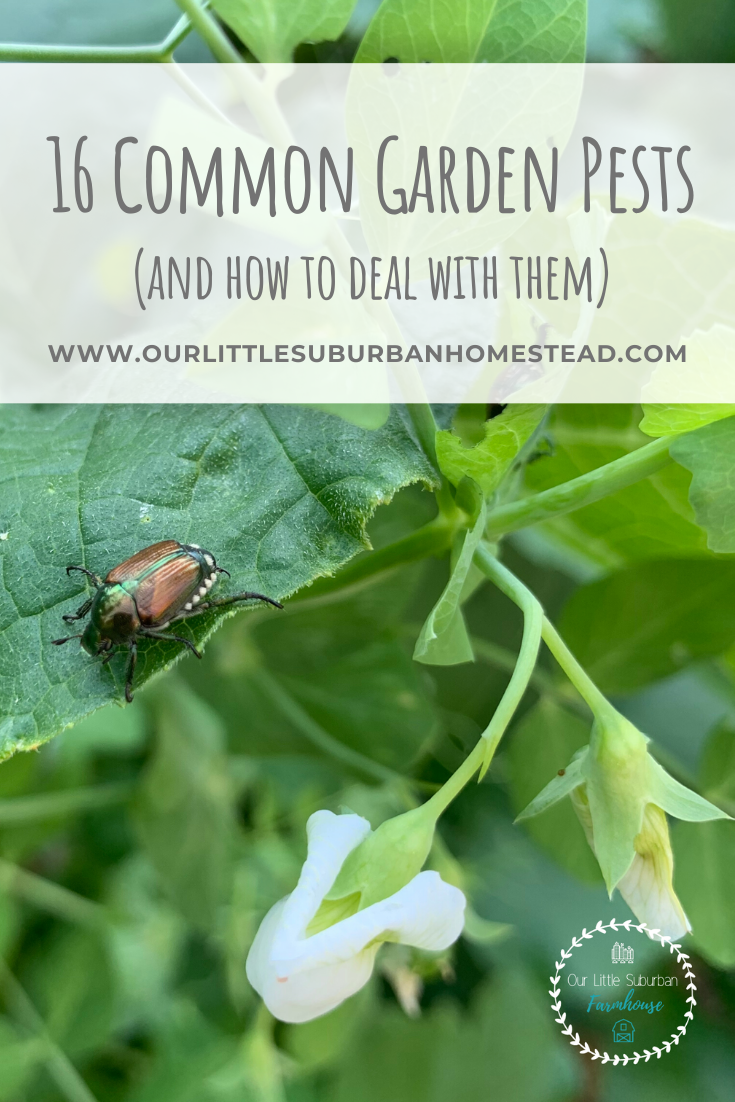
Credit: ourlittlesuburbanfarmhouse.com
FAQs
1. What is the fastest natural way to get rid of garden pests?
The fastest natural method is usually a strong water spray for soft pests like aphids, followed by hand-picking larger insects. If the pest is on the leaves, this can reduce numbers immediately. For many gardens, that quick action is enough to stop early damage.
2. Do natural sprays really work on garden pests?
Yes, but only when used correctly. They work best on soft-bodied pests and must hit the insect directly. They are less effective on hidden pests, so inspection and timing matter as much as the spray itself.
3. How often should I check my plants for pests?
Check your plants at least once a week during normal growth. During warm weather or after you see damage, inspect every 2 to 4 days. Frequent checks help you catch pests before they spread through the whole garden.
4. Will beneficial insects remove pests completely?
No, and that is not the goal. Beneficial insects help keep pest numbers low enough that plants can keep growing well. They work best when your garden also has flowers, shelter, and fewer broad sprays.
5. When should I give up on a badly infested plant?
If the plant is losing most of its leaves, collapsing at the stem, or still declining after repeated treatment, removal may be the best choice. Pulling one failing plant can protect the rest of the garden from a larger outbreak.