
Weeds are the fastest way to make a garden look tired, crowded, and hard to manage. If you want to know how to get rid of weeds in garden spaces without wasting time, the good news is that you do not need one perfect method—you need the right mix of quick fixes and prevention.
The best approach is simple: remove existing weeds, stop new seeds from sprouting, and make your plants strong enough to compete. Some methods work in 10 minutes. Others protect your garden for weeks or months. Used together, they can cut weed pressure a lot without harsh guesswork.
Below are 10 practical methods that actually help in real gardens. You will see what each one does best, when to use it, and the mistakes that make weeds come back fast.
Start with the weed problem you actually have
Before you pull anything, look at the type of weeds in your garden. This matters because not all weeds behave the same way. Some are shallow and easy to remove. Others send down deep roots, spread by runners, or drop thousands of seeds before you notice them.
The most common garden weeds fall into three groups. Annual weeds grow from seed, mature fast, and die in one season. Perennial weeds come back every year from roots or crowns. Grass-like weeds often spread quietly through soil and are easy to miss until they fill a bed.
If you only see a few young weeds after rain, hand-pulling may be enough. If you see thick mats, deep taproots, or the same weeds returning every few weeks, you need a layered plan. The most effective weed control is rarely one product or one chore. It is a system.
| Weed type | What it looks like | Best first move |
|---|---|---|
| Annual weeds | Small, fast-growing, often with shallow roots | Pull early, mulch, block new germination |
| Perennial weeds | Keep returning, often with thick roots | Dig out roots, smother, repeat if needed |
| Seed-spreading weeds | Flower quickly and drop many seeds | Remove before flowering and seed set |
1. Pull weeds when the soil is moist
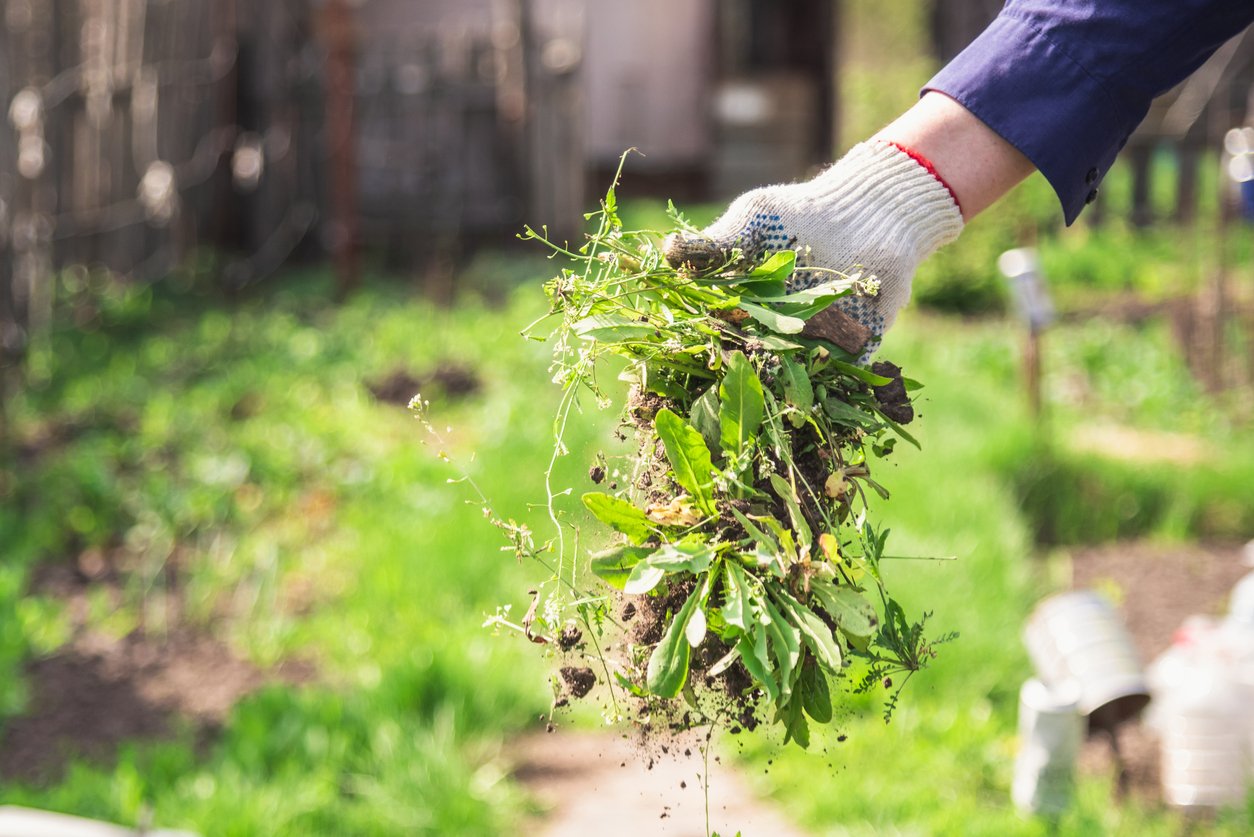
Hand-pulling is still one of the best answers to how to get rid of weeds in garden beds, especially for small weeds. It works best after rain or after watering, when the soil is soft and roots slide out more easily. Dry soil often snaps roots off, which helps some weeds grow back.
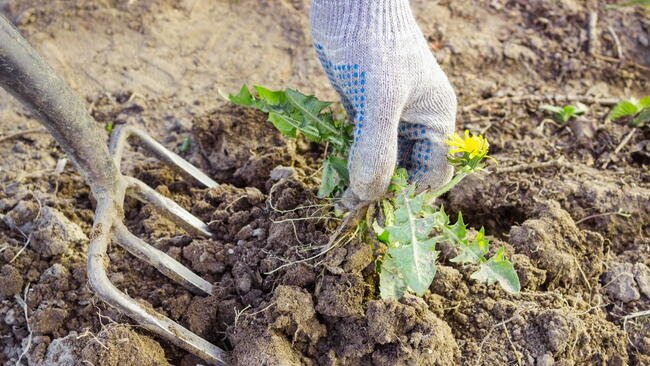
Grip the weed close to the base, not the leaves, and pull slowly. A steady upward motion usually works better than a hard yank. For weeds with a taproot, like dandelion-type weeds, loosen the soil first with a hand fork or weeding knife.
Do this early. A 2-inch weed is far easier to remove than a 12-inch one that has already dropped seeds. One non-obvious point: many weeds can regrow from a small root piece, so check the hole after pulling. If the center root is still there, remove it completely.
Best for
- Small garden beds
- Young weeds
- Weeds near vegetables, flowers, or shrubs
2. Use mulch to block light and stop new weeds
Mulch is one of the most reliable weed barriers because it blocks sunlight. Without light, many weed seeds cannot sprout. A mulch layer also makes the soil stay damp longer, which helps your garden plants and makes pulling easier later.
Organic mulches like shredded bark, wood chips, straw, or leaf mulch are useful because they slowly break down and improve soil. For most garden beds, a 2 to 4 inch layer works well. Too little mulch does not stop weeds. Too much mulch near stems can trap moisture and cause rot.
Here is the detail many beginners miss: mulch does not kill every weed. It is best at preventing new weeds and weakening small ones. If you put mulch over tall weeds, they may push through. Clear the bed first, then mulch.
Good mulch habits
- Keep mulch a few inches away from stems and trunks
- Refresh thin spots before weeds break through
- Use coarse mulch for long-lasting coverage
3. Cut weeds down before they seed
If pulling is not possible right away, cutting weeds at soil level can still help. This is especially useful for fast-growing weeds that are about to flower. You may not remove the root, but you can stop seed production, which is a big win.
Use scissors, garden shears, or a hoe for this job. Aim to remove weeds before flowers open. One weed gone before seeding is often worth more than five weeds pulled after they have already spread. That is because a single weed can create a long-term seed bank in the soil.
This method works best as a short-term control step. It does not solve deep-rooted weeds by itself, but it lowers the number of future weeds. That makes all your other efforts easier.
Credit: bobvila.com
When this helps most
- In large beds where hand-pulling every weed is not realistic
- When weeds are too close to desirable plants
- When you need a fast clean-up before seeding or planting
4. Dig out deep roots instead of snapping the tops
Some weeds keep returning because the root system stays alive underground. In that case, surface pulling is not enough. You need to dig below the crown and lift out as much of the root as possible.
A narrow trowel, dandelion fork, or weeding knife works well here. Insert the tool deep near the root, loosen the soil on all sides, and lift the weed from below. If the root breaks, keep digging until you remove the thickest part.
This method matters most for perennial weeds. A small root fragment can restart growth, sometimes within days in warm soil. That is why quick, shallow pulling often fails with these weeds. Slow, careful digging usually saves time later because you avoid repeat work.
Common mistake to avoid
Do not dig when soil is extremely dry and hard unless you must. Roots snap more easily, and you can damage nearby plant roots. Watering the area first makes the job cleaner and safer for your plants.
5. Smother tough weeds with cardboard or paper
Smothering works by blocking light for a long period. This is one of the best ways to handle neglected beds, paths, or weedy patches you plan to plant later. Cardboard and thick paper are especially useful because they are easy to place, overlap well, and break down over time.
Lay plain cardboard with no glossy coating, or use several layers of newspaper, directly on the weeded surface. Wet it lightly so it stays in place. Then cover it with mulch, compost, or soil. The lack of light weakens weeds and often kills many of them over time.
This method is slower than pulling, but it is powerful. It works well where weeds keep returning from a large seed bed. If you have an area with dense weeds, smothering can save you from repeated digging. For official compost and mulch guidance, the university extension mulch guide is a useful reference.
Best uses
- Preparing new garden beds
- Clearing weed-heavy areas before planting
- Suppressing weeds in paths and around shrubs
6. Keep bare soil covered at all times
Bare soil invites weeds. That is because weed seeds are always present in the air, in compost, and already stored in the soil. When sunlight reaches exposed dirt, many of those seeds wake up fast.
The fix is simple: do not leave open soil sitting there. Cover it with mulch, living plants, ground cover, or a temporary barrier until you are ready to plant. Even a short period of exposed soil can lead to a new flush of weeds after rain.
This is one of the biggest differences between a weed-prone garden and a low-maintenance one. Strong gardeners do not just remove weeds. They remove the conditions weeds love. Bare soil is one of those conditions.
Practical examples
- After harvesting vegetables, replant quickly or mulch the bed
- Between shrubs, use ground covers or bark mulch
- In empty rows, use cover crops or temporary weed cloth where appropriate
7. Water your garden in a way that helps plants, not weeds
Watering affects weed growth more than many people realize. When you water shallowly every day, you often help weed seeds sprout near the surface. Deep, less frequent watering encourages your garden plants to send roots deeper, which makes them stronger competitors.
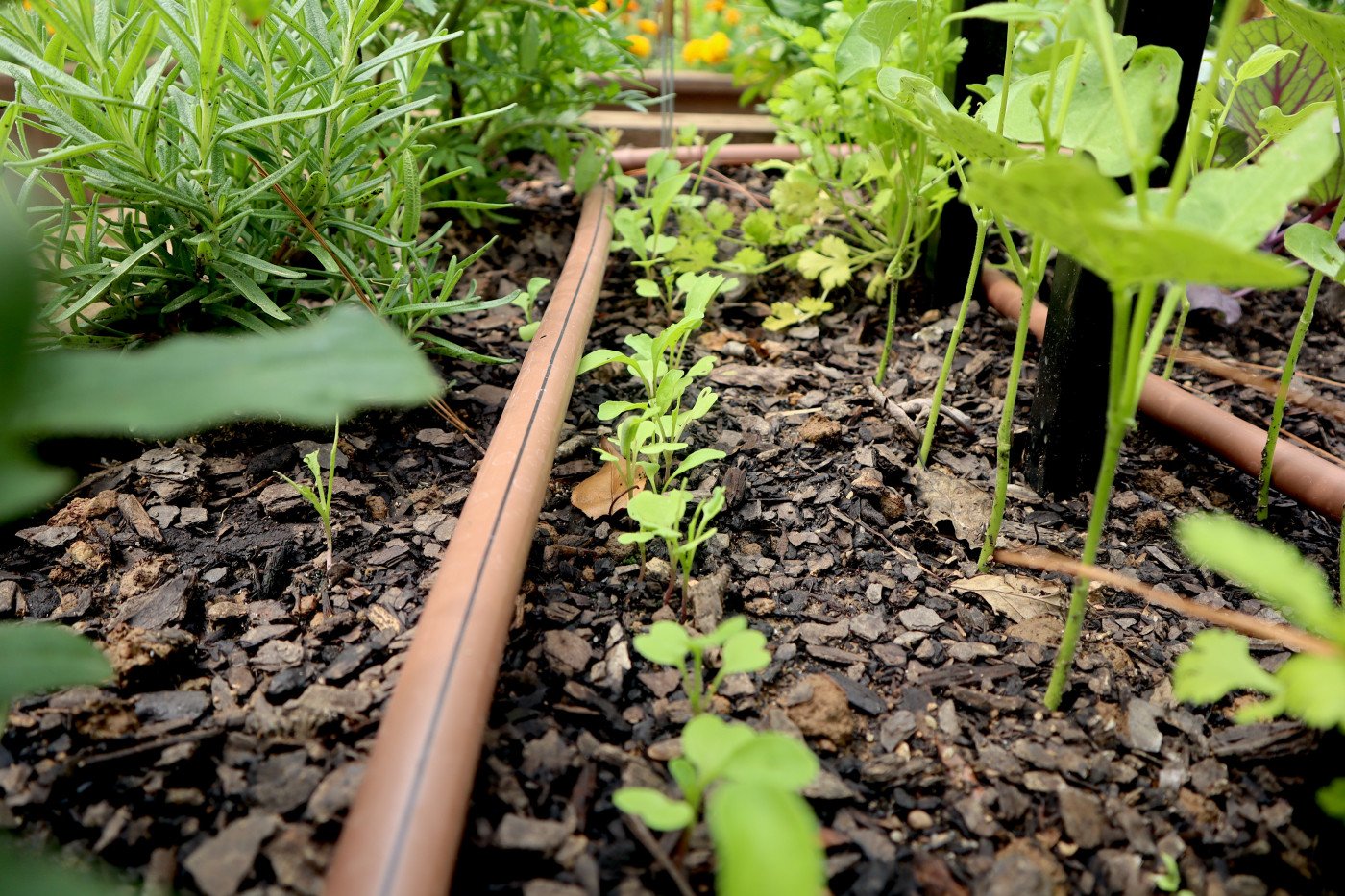
Use drip irrigation or soaker hoses when possible. These deliver water near the plant roots instead of across the whole bed. That means less moisture for weed seeds in open spaces. It also keeps leaves drier, which can reduce disease in some plants.
Another useful habit is to water only where you need it. If a path, border, or unused bed stays moist, weeds often appear there first. Good watering does not just save water. It can make the whole garden less friendly to weeds.
Credit: almanac.com
Why this works
- Fewer wet, open areas for weed seeds to germinate
- Stronger roots on desirable plants
- Less hand-weeding in soggy soil
8. Use a hoe on tiny weeds before they root deeply
A hoe is one of the fastest tools for weed control in larger beds. It works best on very small weeds, usually at the white-thread or first-leaf stage. At that point, a light pass can sever seedlings from the roots before they get established.
Use the hoe on dry, sunny days when possible. Severed seedlings dry out and die faster. If you hoe after heavy rain, some weeds may re-root, especially if they are larger. The goal is not to dig deeply. The goal is to slice just under the soil surface.
This method is often missed by home gardeners because it looks less dramatic than pulling. But used regularly, it can save a lot of time. A 5-minute hoeing session every few days often works better than a long cleanup once a month.
Best tool tip
A sharp hoe is safer and easier to use than a dull one. Dull tools drag through soil and make the work harder. Sharp edges cut weed seedlings cleanly with less effort.
9. Remove weeds before you spread compost or new soil
Adding compost or fresh soil is great for plants, but it can also introduce weed seeds if the material is not clean. Even when the amendment is high quality, it can create a fresh surface where buried weed seeds get light and start growing.
Before adding new material, clear the bed as much as possible. Then add compost in a layer that supports plants without burying their crowns. After that, mulch the surface again. This sequence gives weeds fewer chances to reappear.
One often-overlooked detail is that compost is not always the weed problem. Sometimes the act of loosening and disturbing the soil brings old weed seeds to the top. That is why post-planting mulch matters almost as much as the compost itself.
Smart order of work
- Remove visible weeds
- Loosen and level the soil if needed
- Add compost or soil
- Plant
- Mulch the surface
10. Check for new weeds every week
Regular inspection is one of the easiest ways to keep weeds from taking over. A garden can go from manageable to messy fast if you wait too long. Weekly checks help you catch weeds when they are tiny and simple to remove.
Focus on edges, fence lines, path borders, and around drip lines. These are common entry points for weed seeds and the spots where water and light often favor growth. Spend just 10 to 15 minutes scanning these areas, and you will prevent much bigger jobs later.
This habit also helps you notice patterns. If the same weed keeps appearing in one bed, you may have a soil, watering, or mulch problem there. That gives you a better fix than random pulling ever will.
What to look for
- Small seedlings after rain
- Weeds in thin mulch spots
- Flowers that are about to drop seeds
What to do if weeds keep coming back
If weeds return again and again, the issue is usually not one bad weed. It is a weak system. Maybe the soil is bare too long. Maybe the mulch layer is too thin. Maybe perennial roots were never fully removed. In many gardens, the real fix is improving several small habits at once.
Start with the most likely cause. If the weeds are young and shallow, focus on mulch and weekly pulling. If they are deep-rooted, dig more carefully and smother the area. If seeds keep appearing, cut weeds before flowering and never leave soil exposed for long. That layered approach is usually the fastest path to fewer weeds.
Also, do not over-till unless you have a good reason. Tilling can bring buried weed seeds to the surface, where they sprout after rain. Sometimes less disturbance leads to fewer weeds in the long run.
Credit: gardenary.com
A simple weed-control plan that works
If you want a practical routine, use this easy sequence: remove current weeds, cover the soil, and inspect often. That combination works better than chasing every weed with a different method each week.
For most home gardens, a solid plan looks like this: pull or dig the current weeds, add a 2 to 4 inch mulch layer, water with more control, and check the bed once a week. If a weed patch is too big to handle by hand, smother it with cardboard first and finish with mulch.
That is the heart of how to get rid of weeds in garden beds without making the job harder later. The goal is not just a clean bed today. The goal is to make sure fewer weeds come back next month.
FAQ
How often should I remove weeds from my garden?
Check your garden once a week if possible. Small weeds are much easier to remove than mature ones, and weekly attention stops them from seeding.
Is mulch enough to stop all weeds?
No. Mulch helps a lot, but it works best when you remove existing weeds first. It mainly blocks new weeds from getting started.
What is the fastest way to remove weeds?
For small weeds, hand-pulling after rain is usually the fastest. For larger areas, a hoe or smothering method can save time.
Will pulling weeds make them grow back?
Only if part of the root stays alive. Some weeds regrow easily from broken roots, so deep-rooted weeds should be dug out more carefully.
Should I use chemicals to kill weeds in my garden?
Many gardeners can manage weeds with pulling, mulch, and smothering. If you are considering a product, read the label carefully and follow local guidance on safe use and disposal.