
If you are asking can you use colored mulch in a vegetable garden, the short answer is yes in some cases, but not every colored mulch is a smart choice. The difference is in the material, the dye, and how the mulch is made.
Vegetable beds are a little more sensitive than flower beds because you are growing food directly in the soil. That means you want good moisture control, weed suppression, and safe materials without adding unnecessary risk.
Here is the practical truth: some colored mulches are fine around vegetables, while others are better left for ornamental areas. The best choice depends on whether the mulch is made from clean wood, how it was colored, and where you use it in the garden.
What colored mulch actually is
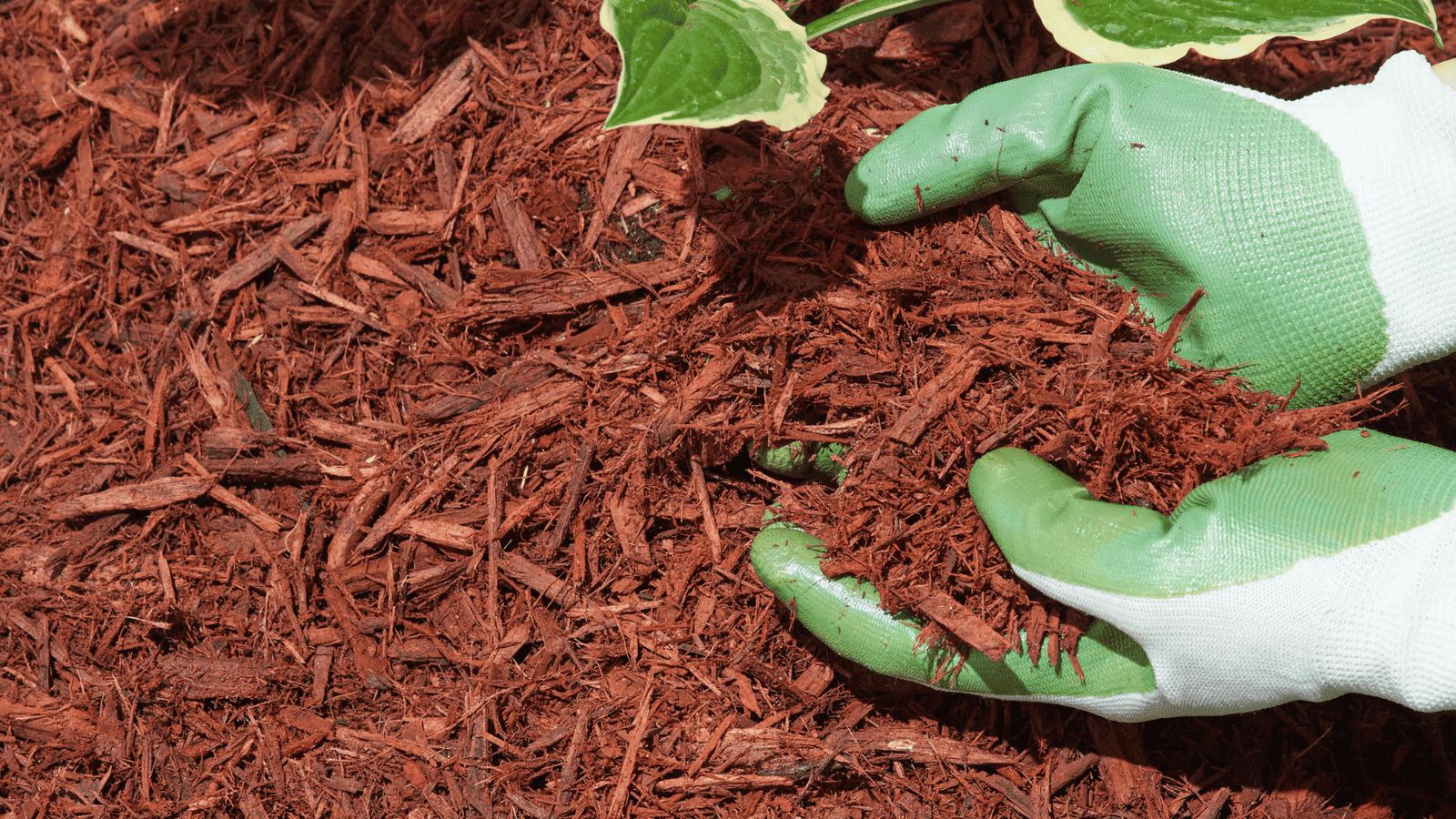
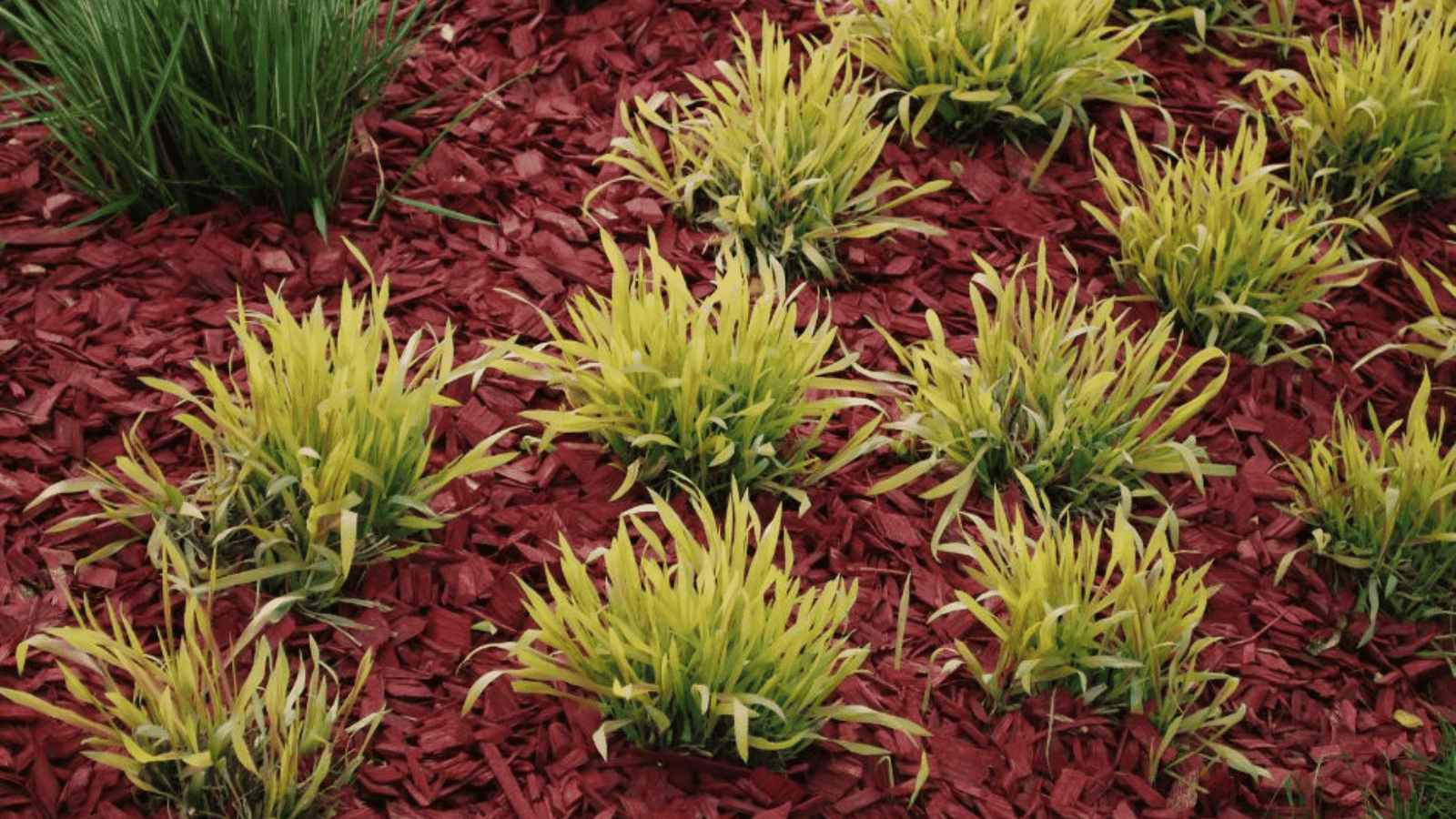
Colored mulch is usually shredded wood or bark that has been dyed red, black, or brown. The dye is meant to improve appearance and help the mulch hold color longer than natural wood mulch. In most cases, the color itself is not the main issue.
The bigger questions are the source material and the manufacturing process. Good mulch starts with clean wood chips or bark. Lower-quality mulch may come from recycled pallets, treated lumber, or mixed wood waste. That is the part gardeners should pay attention to first.
In vegetable gardens, mulch does more than make the beds look neat. It helps keep soil cooler, reduces evaporation, and limits weed growth. A 2 to 4 inch layer can make a real difference during hot weather, especially in raised beds that dry out faster.
Why the color matters less than the base material
Many gardeners focus on whether red, black, or brown mulch is safest. The better question is what the mulch is made from. A natural-wood mulch with a stable, non-toxic colorant is usually less concerning than an unknown recycled mulch, even if both look similar from the bag.
Color can also affect heat. Dark mulch absorbs more sunlight and can warm soil faster in spring. That may help in cool climates, but it can stress shallow roots in hot regions if the bed already runs warm.
Can you use colored mulch in a vegetable garden safely?
Yes, can you use colored mulch in a vegetable garden safely if the mulch is from a reputable source and made from untreated wood with a safe colorant. The main safety concern is not the color alone. It is whether the mulch contains contaminants or chemicals you do not want near edible crops.
For most home gardeners, colored mulch can be used around tomatoes, peppers, beans, squash, and similar crops if it is kept on the soil surface and not mixed into the garden bed. Mulch should sit above the soil, not become part of it. That keeps it working as a cover instead of changing the soil chemistry.
A helpful rule is to buy mulch that clearly states it is made from natural wood and intended for landscape use. If the bag does not explain the source, that is a warning sign. Recycled wood products can be safe in some cases, but they create more uncertainty for food gardens.
What to avoid
- Mulch made from pressure-treated wood
- Mulch with an unknown recycled source
- Mulch that smells like paint, solvent, or chemicals
- Very fine mulch that looks like ground-up construction waste
- Mulch that is already breaking down into dark, muddy material in the bag
One non-obvious point: even if a mulch is technically safe, very fresh colored mulch can sometimes pull nitrogen from the top layer of soil as it decomposes. That usually matters most if you work the mulch into the soil instead of leaving it on top. In a vegetable garden, surface use is the safer and smarter approach.
How to check the bag before you buy
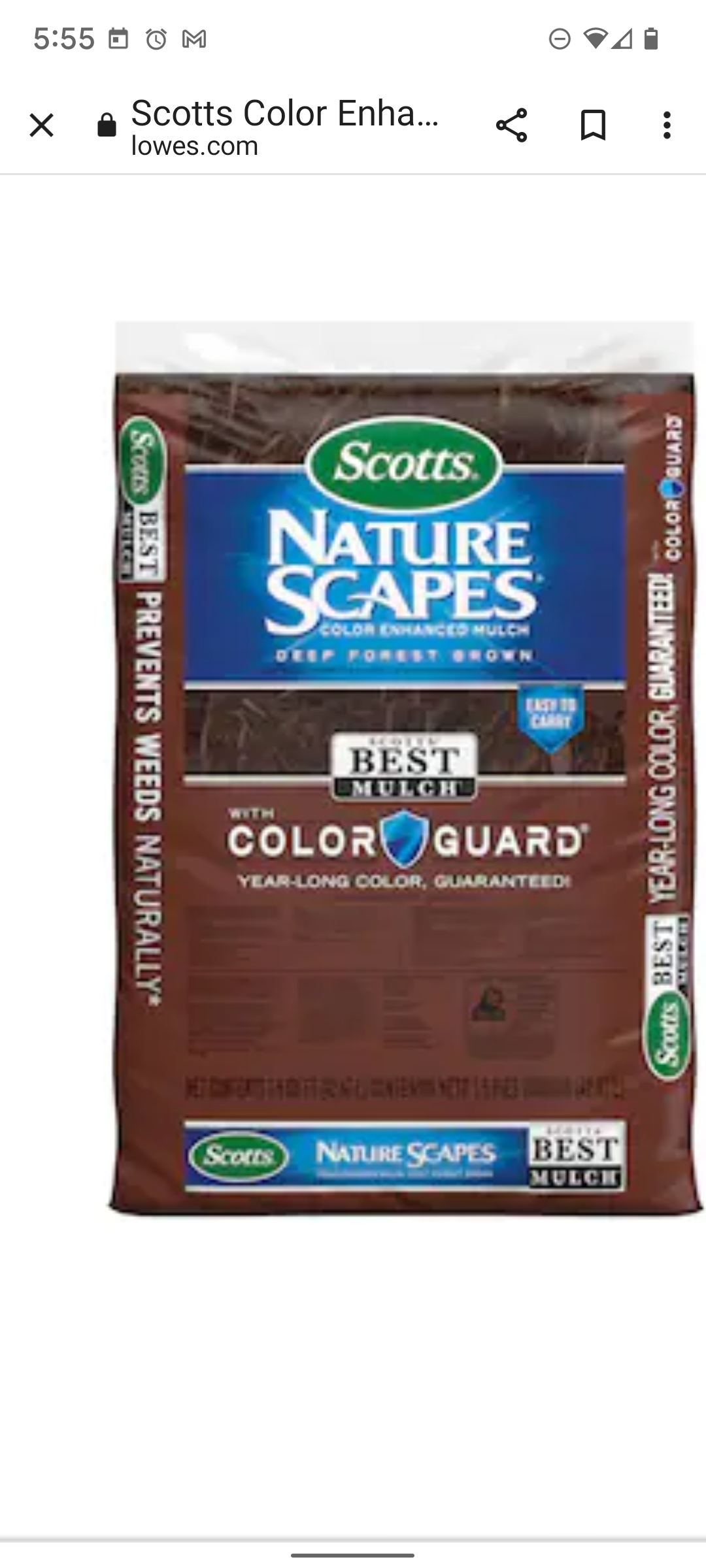
Look for wording such as “natural hardwood,” “bark mulch,” or “landscape mulch.” Avoid vague labels that only say “premium colored mulch” without telling you what it is made from. A real supplier should be able to tell you the base material and whether the colorant is safe for landscape use.
If you want extra confidence on landscaping material handling and contamination concerns, the EPA guidance on used wood is a useful reference for understanding why source material matters.
Benefits of using colored mulch around vegetables
Colored mulch is not just about appearance. In the right garden, it can solve a few real problems. The biggest benefit is moisture retention. Mulch slows evaporation, so the soil stays evenly moist longer between waterings.
That matters because uneven moisture can cause issues like blossom-end rot in tomatoes and poor fruit development in squash and peppers. A steady soil surface also reduces crusting, which helps water soak in instead of running off.
Another benefit is weed suppression. A good mulch layer blocks sunlight and makes it harder for weed seeds to sprout. That saves time and reduces competition for nutrients and water. In a vegetable garden, this is a major advantage because young crops do not compete well with fast weeds.
Credit: randylemmon.com
Color can support garden heat management
Black mulch tends to warm the soil more than lighter mulch, especially in early spring. That can be useful if you are trying to get warm-season crops going in a cool climate. Red mulch and brown mulch are usually more neutral in appearance and heat effect, though the exact result depends on sun exposure and local weather.
There is also a visual benefit that many gardeners overlook. A neat, dark mulch makes it easier to spot pests, disease spots, and fallen fruit. When the bed looks clean, you notice problems faster. That can lead to earlier intervention and less crop loss.
Fewer splashes on edible leaves and fruit
Mulch helps reduce soil splash during rain or watering. That matters for tomatoes, cucumbers, strawberries, and other crops where dirty splash can spread soil-borne disease onto leaves or fruit. A mulch layer acts like a shield between the soil and the plant canopy.
This is one reason mulch is often used in intensive vegetable beds. It helps keep leaves cleaner, especially during heavy rain. Cleaner leaves can also dry faster, which may reduce some disease pressure in humid weather.
Best practices for using colored mulch in food beds
If you decide to use colored mulch, the way you apply it matters as much as the mulch itself. Use a layer that is thick enough to block weeds, but not so thick that it stays soggy. Most vegetable gardens do well with 2 to 3 inches of mulch. In wet climates, keep it closer to 2 inches.
Keep mulch a few inches away from stems and crowns. Piling mulch against plant bases traps moisture and can invite rot, insects, and fungal problems. A small open ring around each plant is better than a mound touching the stem.
Water the bed before you mulch if the soil is dry. Once mulch is down, water can take longer to reach the root zone. Starting with moist soil helps plants benefit from the cover right away.
Where colored mulch works best
- Between rows of tomatoes, peppers, and eggplants
- Around bush beans and larger brassicas
- In paths between raised beds
- Under trellised cucumbers or peas
- Around berry plants that are not in active harvest contact with soil
In direct-contact crops like lettuce, spinach, carrots, and radishes, many gardeners prefer natural mulch, straw, or compost because these beds are handled more often. That is not because colored mulch is always unsafe. It is because lighter, food-focused mulch choices often fit the harvest style better.
Another practical tip: do not mix colored mulch into compost or topsoil. It belongs on the surface. When it breaks down, it can be removed or refreshed, but it should not become part of your growing medium.
Know when to refresh it
Colored mulch lasts longer than plain mulch visually, but it still breaks down. Expect to top it off every 1 to 2 years, depending on rainfall, sun, and wood type. If the mulch becomes thin, faded, or matted, it stops doing its job as well.
Do not add a new thick layer on top of an already deep layer. Too much mulch can block airflow and hold excess moisture. That is one of the easiest mistakes to make in vegetable beds, especially when the garden looks bare in spring.
When colored mulch is not the best choice
Colored mulch is not ideal in every vegetable garden. If you garden on heavy clay soil, too much mulch can keep the surface damp for too long and slow spring warming. That can delay seed germination and create wet conditions that some pests enjoy.
If you grow a lot of root crops, you may also prefer straw or untreated shredded leaves. Those materials are easier to move aside at harvest. Colored mulch is harder to work through when you need to pull carrots or lift potatoes.
There is also a practical concern with very young transplants. Small plants can disappear visually against dark mulch, making it easier to miss watering needs or pest damage. That does not mean you cannot use it. It just means you should check seedlings more often.
Situations where another mulch may be better
| Garden situation | Better mulch choice | Why it may work better |
|---|---|---|
| Direct-seeded rows | Straw or fine natural mulch | Easier to manage around small seedlings |
| Heavy clay soil | Light organic mulch | Reduces excess surface moisture and warming delay |
| Frequent harvest beds | Shredded leaves | Simple to move aside for picking |
| Warm-season crops in cool regions | Black colored mulch | Can help soil warm faster in spring |
A subtle but important insight: mulch choice is not only about plant health. It is also about how often you handle the bed. If you harvest every day, a lightweight natural mulch may be easier to live with than a decorative product, even if both are safe.
How to choose safer colored mulch for vegetables
The safest colored mulch is usually the one with the simplest, most traceable ingredient list. Look for hardwood or bark from a known supplier. If the bag mentions “recycled wood,” ask what kind. Clean pallets are very different from mixed demolition waste.
Choose mulch with a consistent texture. Uniform chips usually come from a more controlled process than random mixed scraps. You do not need perfect-looking mulch, but you do want something that appears intentionally produced, not just crushed leftovers.
Fresh mulch should also feel like wood, not like painted dust. If it leaves heavy residue on your hands, or if the smell is strong and chemical-like, skip it. A mild woody smell is normal. Harsh odors are not.
Credit: reddit.com
Simple buying checklist
- Check that the product is meant for landscape use.
- Confirm the base material is untreated wood or bark.
- Avoid mulch with unknown recycled content.
- Choose a trusted local supplier if possible.
- Use it only as a top layer, not mixed into soil.
One more thing many gardeners miss: certified organic soil does not automatically mean the mulch is safe or organic. Mulch and soil are separate products. Read the mulch label carefully instead of assuming the garden center shelf placement tells the full story.
Safer alternatives if you want to avoid colored mulch
If you are not comfortable with colored mulch, you still have strong options. Shredded leaves are one of the best free mulches for vegetable gardens. They break down quickly, feed the soil, and are easy to add in fall or spring.
Straw is another common choice, especially for tomatoes, strawberries, and potatoes. Just make sure you are buying straw, not hay. Hay contains more weed seeds. That difference matters a lot when you are trying to keep a bed clean.
Untreated wood chips work well in walkways and some perennial beds, though they are less practical right next to small annual vegetables. Compost can also be used as a light mulch, but it usually needs topping up more often than wood-based mulch.
Quick comparison of common mulch choices
Natural mulch usually blends into the garden and breaks down over time. Colored mulch lasts longer visually and can create a tidy look, but it is less “food-garden traditional.” Straw and shredded leaves are often the easiest choices when you want simple management and no extra concern about dyes.
If your main goal is food safety and low risk, organic materials with a known source are the most comfortable choice. If your main goal is weed suppression and a polished look, colored mulch can still be a reasonable option if the product is clean and well labeled.
Final guidance for vegetable gardeners
So, can you use colored mulch in a vegetable garden? Yes, if the mulch is made from clean, untreated wood and you use it correctly. The key is to judge the product by its source and quality, not just by its color.
For most home gardens, colored mulch is best used as a surface layer around established vegetables, not mixed into soil and not piled against stems. Keep the layer around 2 to 3 inches, watch for moisture buildup, and avoid mulch that has an unknown or questionable source.
If you want the lowest-risk option, shredded leaves, straw, or another natural mulch may be easier to trust. If you want a neater look and good weed control, colored mulch can still fit a vegetable garden well when chosen carefully. The safest garden is the one where the mulch helps your crops without becoming a mystery ingredient.
Credit: randylemmon.com
FAQs
1. Is colored mulch safe for tomatoes and peppers?
Yes, it can be safe if the mulch is made from untreated wood and comes from a reliable supplier. Use it as a surface layer and keep it away from plant stems. Tomatoes and peppers often benefit from the moisture control and splash reduction.
2. Does colored mulch contaminate vegetables?
Not usually, when it is a proper landscape product made from clean material. The main risk comes from unknown recycled wood or mulch made from treated lumber. If you would not want the source material near edible crops, do not use it in the bed.
3. Which color mulch is best for a vegetable garden?
There is no single best color. Black mulch can help warm soil faster, which may help in cool spring weather. Brown mulch is often the most neutral choice. Red mulch is mostly a visual preference and does not offer a major growing advantage.
4. How thick should colored mulch be in vegetable beds?
A layer of 2 to 3 inches is usually enough. Thicker layers can trap too much moisture and reduce airflow. In wet areas, stay closer to 2 inches and check the bed more often.
5. What is the safest mulch for an organic vegetable garden?
Shredded leaves, straw, compost, and other natural, untreated materials are usually the simplest choices. They break down into the soil and are easy to manage in food beds. If you use colored mulch, choose one with a clear source and keep it on the surface only.