
Yes, you can put grass clippings in your garden, and in many cases they are one of the easiest free soil helpers you already have. Used the right way, grass clippings can feed the soil, hold moisture, and reduce weeds.
The catch is simple: fresh clippings are useful only when you use them in the right amount and in the right place. Too much, or clippings from a sprayed lawn, can create odor, matting, or plant problems.
If you want a simple answer, grass clippings work best as a thin mulch, a compost ingredient, or a light soil cover around many garden plants. The sections below explain when they help, when they hurt, and how to use them safely.
What grass clippings actually do in the garden
Fresh grass clippings are rich in nitrogen, which makes them a “green” material in compost terms. They break down fast, often in days or a few weeks, so they can add organic matter to garden soil without staying bulky for long.
That fast breakdown is also why they can be useful as mulch. A thin layer helps slow moisture loss, softens soil impact from rain, and gives soil microbes a steady food source. But because they collapse quickly, they need to be applied carefully, not dumped in thick piles.
One thing many gardeners miss is that clippings are not the same as dry straw or wood mulch. They are wetter, denser, and more likely to mat together. That means airflow matters. If air cannot move through the layer, the grass can smell sour and form a slimy crust instead of a helpful cover.
Why gardeners use them
- They recycle nutrients. Cutting the lawn removes plant material, and clippings return some of those nutrients to the garden.
- They improve moisture retention. A thin layer reduces evaporation from bare soil.
- They can suppress weeds. Light blocking helps stop weed seeds from sprouting.
- They are easy to get. No hauling, no buying, no extra packaging.
For most home gardens, the value of clippings is not dramatic overnight. It is gradual. Over a season, repeated small additions can help soil become darker, softer, and easier to work.
Best ways to use grass clippings in a garden
The safest and most effective use is usually as a thin mulch around established plants. You can also mix them into compost or use them as a temporary cover between rows. Each method works a little differently, and each has a different risk level.
Do not think of clippings as a “dump here and forget it” material. They work best when layered lightly and matched to the job. A heavy blanket on a wet bed can create problems fast, especially in warm weather.
Use them as mulch in thin layers
Spread grass clippings in a layer about 1/2 inch to 1 inch thick. That is usually enough to block some weeds and slow moisture loss without sealing the soil. If the clippings are still very wet, stay closer to the thinner end.
Keep the material a few inches away from stems and crowns. Piled right against plants, clippings can trap moisture at the base and encourage rot. This matters a lot for tomatoes, peppers, strawberries, and young seedlings.
Mix them into compost
Grass clippings are one of the best compost “green” ingredients because they add nitrogen. For balance, mix them with dry “brown” materials like leaves, shredded paper, cardboard, or straw. A common target is roughly 2 to 3 parts browns to 1 part greens by volume.
If you add too many clippings at once, the compost can turn dense and lack oxygen. That often leads to a bad smell. A better approach is to sprinkle clippings in thin layers and mix them with dry material right away.
Use them between garden rows
In vegetable beds, clippings can be placed in pathways between rows as a temporary weed barrier. This works best during dry weather and when the layer is not too thick. It also helps keep mud down after watering or rain.
Because pathways get stepped on, the clippings will pack down faster than they do in compost. Replace them as needed rather than building one thick mat. A packed layer can become slippery and start to smell.
Leave them on the lawn and skip the garden when needed
Sometimes the best answer is not to move clippings at all. If your lawn is healthy, mowing with a mulching mower and leaving clippings on the grass can return nutrients right where they came from. That reduces work and avoids the risk of spreading herbicide-treated grass into edible beds.
Many gardeners also find this approach cleaner. It limits the chance of hauling in weed seeds, lawn disease, or wet clumps that are harder to manage in a vegetable plot.
Benefits of putting grass clippings in your garden
The main benefit is soil improvement. Grass clippings break down into organic matter, which helps soil hold water and support soil life. Over time, that can improve texture in sandy soil and make heavy soil easier to manage.
There is also a simple moisture benefit. In hot weather, bare soil can dry out fast. Even a modest layer of clippings can reduce that drying. That can matter a lot in raised beds, where soil often dries faster than ground-level beds.
Another useful benefit is weed control. Weed seeds need light, space, and contact with soil. A thin mulch layer blocks some light and makes it harder for weeds to establish. It will not stop everything, but it can reduce hand weeding.
One non-obvious benefit is temperature buffering. Soil under a light mulch can stay cooler during the day and more stable at night. That can help roots avoid stress during hot spells. It is not the same as deep straw mulch, but it still helps.
Here is a quick look at common uses and what they are best for:
| Use | Best for | Main caution |
|---|---|---|
| Thin mulch | Moisture retention and light weed suppression | Do not apply too thickly |
| Compost ingredient | Adding nitrogen to compost piles | Mix with browns to avoid odor |
| Row pathway cover | Keeping paths cleaner and less muddy | Refresh often because it mats down |
| Soil amendment | Building organic matter over time | Best after partial composting |
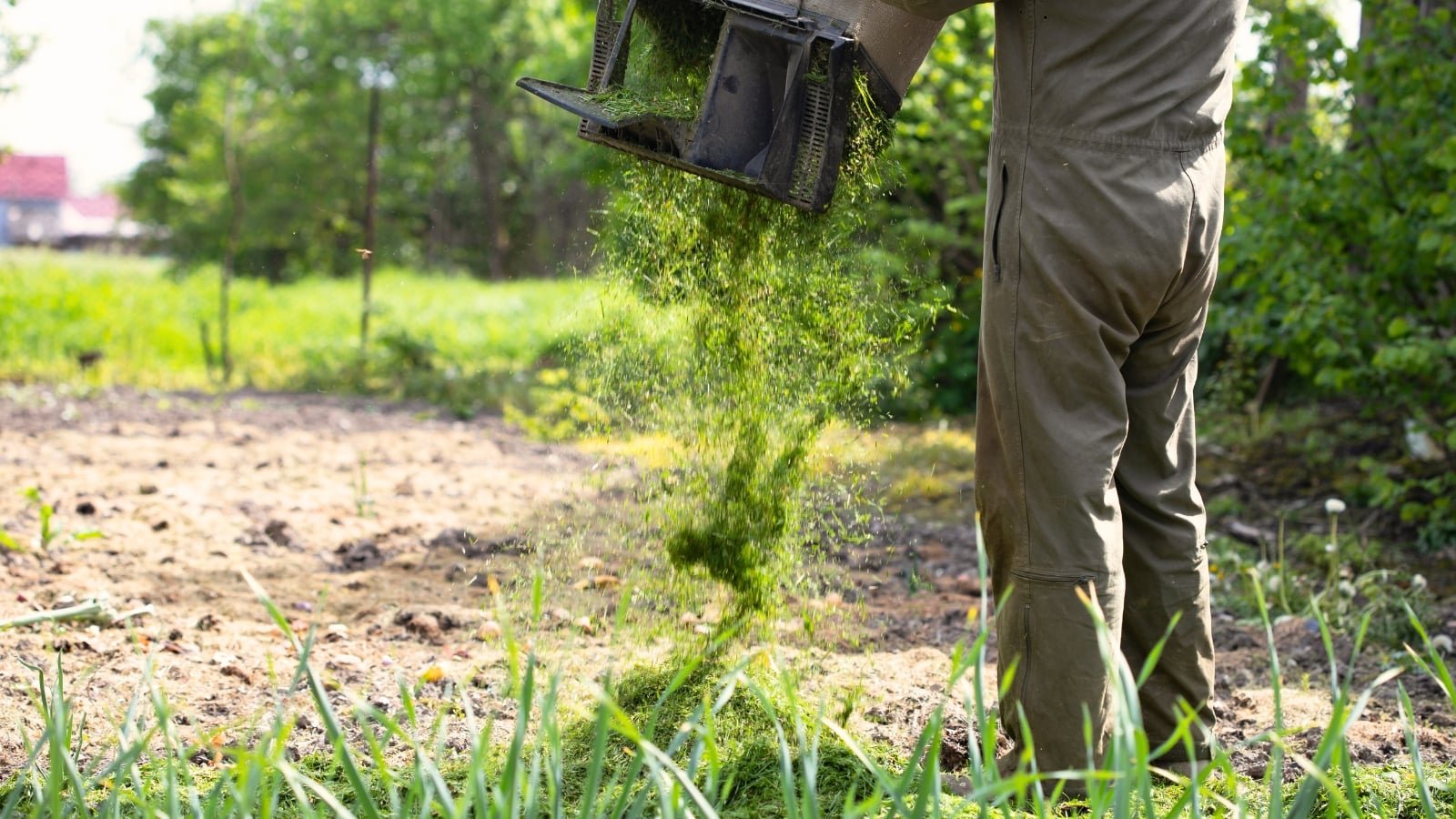
Credit: epicgardening.com
Risks and mistakes that can cause problems
The biggest risk is using too much at once. A thick layer of wet clippings can form a dense mat that blocks air and water. Instead of helping the soil, it can create a slimy barrier on top.
That barrier can also smell. When clippings break down without enough oxygen, decomposition turns anaerobic. That simply means the process happens without air, which often creates a sour or rotten smell.
Another common problem is contamination. If the lawn was treated with herbicides, clippings can carry residues into your garden. That is especially risky if you use the clippings in beds for vegetables, herbs, or compost that will later be used around edible plants.
Weed seeds are another concern. Lawn clippings can contain seeds from weeds that were cut before they matured. If those seeds are spread into the garden, you may be spreading a weed problem instead of solving one.
Some people also forget that fresh clippings can heat up quickly in a pile. A thick heap can get warm and compact, especially during humid weather. That is another reason to spread them thinly or mix them right away.
If you want a trusted safety reference for lawn and garden chemical use, the EPA guidance on pesticide labels is a useful place to start. The label tells you whether lawn clippings are safe to reuse after treatment.
Signs you should not use the clippings directly
- The lawn was recently treated with weed killer or lawn feed with herbicide.
- The clippings smell sour, rotten, or ammonia-like.
- The grass contains many weeds that were cut before seeding.
- The clippings are very wet and clump together in sheets.
- You plan to use them near seedlings or sensitive young plants.
How to use grass clippings the right way
The basic method is simple: mow, let the clippings dry briefly if they are very wet, and spread them lightly. If you are using them in compost, mix them with dry brown material as soon as possible. If you are using them as mulch, keep the layer thin and airy.
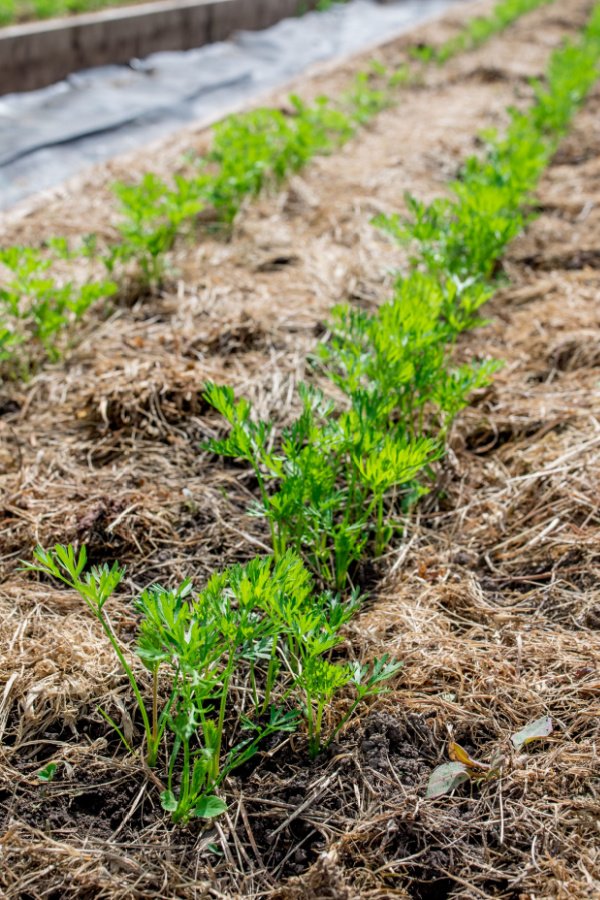
Credit: simplegardenlife.com
Step 1: Check the lawn first
Only use clippings from grass that has not been treated in a way that could harm garden plants. If you used a weed killer, insecticide, or strong lawn feed recently, read the label carefully before reusing the clippings. Do not guess.
Step 2: Let very wet clippings sit briefly
If the grass was cut after rain or heavy watering, let it dry for a short time before spreading it. This makes it less likely to mat. You do not need to dry it completely, but even a little airflow helps.
Step 3: Spread a thin layer
For mulch, keep the depth to about 1/2 inch to 1 inch. For compost, add clippings in thin layers and mix them with browns. If you can still see plenty of soil or other compost ingredients through the material, you are usually in the safe zone.
Step 4: Keep it away from plant stems
Leave a small gap around stems, trunks, and crowns. A few inches is enough for most garden plants. This simple step prevents excess moisture at the base and lowers rot risk.
Step 5: Watch what happens over the next few days
If the layer starts to smell bad, looks slimy, or forms a mat, break it up right away. In a compost pile, add dry material and turn it. In a garden bed, rake it thinner so air can move through.
When grass clippings work best, and when they do not
Grass clippings are most useful in established beds, compost piles, and low-risk areas where a light organic mulch makes sense. They are less useful in tiny seed beds, around delicate seedlings, or anywhere drainage is already poor.
Think about plant size and soil condition. Big plants with deeper roots can handle a light mulch cover much better than fresh seedlings. Wet clay soil also needs more caution than loose, fast-draining soil, because extra moisture can linger too long.
Season matters too. During hot, dry periods, clippings can help hold moisture. During cool, wet stretches, the same clippings may stay soggy and encourage disease. The material is not bad; it is just not always the right fit.
Better uses for different garden situations
- Vegetable beds: Good for between rows and around mature plants, but keep away from stems.
- Compost piles: Excellent nitrogen source when mixed with dry browns.
- Flower beds: Useful as a light mulch if plants are established.
- Seed starting areas: Usually not a good choice because the layer can block tiny sprouts.
- Wet or shaded beds: Use carefully, since clippings can stay damp longer.
Another useful insight: clippings are often more effective when used soon after mowing. Fresh clippings are easier to spread evenly. If they sit in a bag too long, they clump, heat up, and become harder to manage.
Common mistakes gardeners make with clippings
One of the biggest mistakes is treating clippings like wood chips. They are not the same. Wood chips are coarse and air-filled; grass clippings are soft and dense. That means the same depth that works for chips can fail badly with clippings.
Another mistake is overloading compost with grass and skipping the browns. A compost pile with too many greens turns wet and compact. When that happens, airflow drops, and the pile slows down or smells bad.
Some gardeners also spread clippings over wet soil after a long rain. That can trap even more moisture. If the bed is already saturated, wait until the surface has dried a little before adding mulch.
Finally, people sometimes ignore source quality. Clippings from a chemical-treated lawn are not the same as clippings from a chemical-free yard. If you do not know what was used on the lawn, the safest choice is to compost them separately or skip them in edible beds.
Simple troubleshooting guide
- If it smells bad: The layer is too thick or too wet. Spread it out and add air.
- If it mats down: Rake it thinner or mix it with dry leaves.
- If plants look soggy at the base: Pull clippings back from stems.
- If weeds still come through: Add a slightly thicker but still airy layer.
- If the pile is hot: In compost, turn it and add browns.
So, can I put grass clippings in my garden?
Yes, and for many gardens the answer is a strong yes if you use them lightly and thoughtfully. The best results come from thin layers, clean source material, and good airflow. That turns a lawn byproduct into a useful garden resource instead of a messy problem.
The safest rule is simple: use grass clippings as a helper, not as a thick blanket. Keep them thin, keep them away from stems, and avoid clippings from treated lawns unless the label clearly allows reuse. If you do that, clippings can save moisture, support soil life, and reduce waste.
For most home gardeners, the smartest move is to use fresh clippings in compost or as a light mulch around established plants. That gives you the benefits with the least risk, which is exactly what good garden practice should do.

Credit: simplegardenlife.com
FAQs
Can I put fresh grass clippings straight on garden soil?
Yes, but only in a thin layer. Fresh clippings can work as mulch if they are spread lightly and kept away from plant stems. Thick layers are the main problem because they mat down and block air.
Are grass clippings good for vegetable gardens?
They can be very useful in vegetable gardens, especially around mature plants and between rows. Do not use them too thickly, and avoid placing them on seedlings. Always be cautious if the lawn was treated with herbicides.
How thick should grass clippings be as mulch?
About 1/2 inch to 1 inch is usually enough. That thickness helps with moisture and weed control without creating a heavy, soggy layer. If the clippings are very wet, use less.
Can I compost grass clippings alone?
Not a good idea. Grass clippings alone tend to pack down and smell. Mix them with dry browns like leaves, shredded cardboard, or straw to keep the compost airy and balanced.
Should I use clippings from a lawn that was sprayed?
Only if the product label says it is safe. Some herbicides can harm garden plants even after mowing. When in doubt, do not use those clippings in edible beds or compost that will feed edible plants.