
If you are asking when to mow new sod, the safe answer is simple: wait until the grass is rooted well enough that a light tug does not lift it. Cutting too early can pull the sod apart, stress the roots, and leave uneven patches that take weeks to recover.
The first mow matters more than many people think. It sets the tone for how fast the lawn fills in, how level it stays, and how strong the roots become during the first month.
The good news is that fresh sod gives clear signals when it is ready. Once you know what to look for, you can mow it with confidence and avoid the common mistakes that damage new turf before it even gets established.
How to tell when fresh sod is ready for its first cut
The best time to mow new sod is usually 2 to 3 weeks after installation, but the calendar is only a starting point. Weather, sod type, soil contact, and watering all affect how fast roots anchor into the ground.
The most reliable test is the tug test. Gently lift a corner or edge of the sod in several places. If it resists and feels attached to the soil, it is getting close. If it lifts easily like a rug, it is not ready yet.
Another sign is grass height. Most new sod should be allowed to grow until it reaches about 3.5 to 4 inches before the first mow. That gives the blades enough leaf surface to feed the roots without looking stressed after cutting.
Use these readiness checks together
- Root grip: You feel resistance when you try to lift the sod.
- Growth height: The grass is about 3.5 to 4 inches tall.
- Moist soil, not soggy soil: The ground is firm enough to walk on without sinking deeply.
- Even color: The sod looks settled, not patchy or wilted from transplant shock.
Do not rely on color alone. Some sod turns green fast on the surface while the roots are still shallow. That is one reason many homeowners mow too early and tear strips of turf loose with the mower wheels or blades.
If you want one simple rule, use this: wait until the sod passes the tug test and reaches mowing height. That is more dependable than counting days alone.
Why the first mow is different from regular mowing
The first cut on new sod is not the same as mowing an established lawn. Fresh sod has shallow roots at first, so the grass cannot handle heavy traffic, aggressive cutting, or sharp turns.
Most people think mowing is only about trimming height. On new sod, mowing is also about protecting the root system. The blade height you choose, the sharpness of the mower blade, and even the mower’s weight can affect whether the sod settles in or gets disturbed.
One non-obvious point: cutting too much leaf off at once reduces the plant’s ability to make energy. Grass uses its blades like solar panels. If you remove too much of that surface, the roots grow more slowly, even if the lawn looks neat for a day.
Another detail beginners miss is wheel damage. A heavy mower can leave small ruts or compress soft soil, especially after watering. Those marks may not look serious at first, but they can delay root growth and create uneven spots later.
Keep the first cut light
For the first mow, remove only the top one-third of the grass height. If the sod is 4 inches tall, cut it back to about 2.5 to 3 inches. That keeps enough leaf area for recovery while reducing the risk of shocking the turf.
Also, use a mower with sharp blades. Dull blades tear the grass instead of slicing it cleanly. Torn edges turn brown faster and make new sod look stressed, even when the roots are healthy.
For mower safety and maintenance basics, the official mower safety guidance from the U.S. Consumer Product Safety Commission is a useful reference.
How long to wait based on sod type and weather
Different sod types establish at different speeds. Warm-season grasses usually root faster in hot weather, while cool-season grasses may need a little more time in mild or cooler conditions.
If you installed sod in spring or early summer, it may be ready for mowing sooner because the soil is warm and roots grow quickly. If you laid it during cooler weather, wait longer and test more carefully. Cold soil slows root growth even when the top of the grass looks fine.
| Sod condition | Typical first-mow timing | What to check |
|---|---|---|
| Warm-season sod in warm weather | About 10 to 14 days | Tug test, firm footing, 3.5 to 4 inches tall |
| Cool-season sod in mild weather | About 14 to 21 days | Strong root hold and steady top growth |
| Cool, cloudy, or rainy conditions | Often 3 weeks or more | Soil firmness and root attachment |
| Hot weather with frequent watering | About 2 weeks, sometimes sooner | No lifting at edges and no soft, saturated soil |
Rain can slow mowing in a hidden way. Even if the grass grows fast, wet soil is easier to disturb. If the ground feels soft under your shoes or leaves deep footprints, wait another day or two.
Too much water can also delay rooting. Fresh sod needs moisture, but it does not need swamp-like conditions. The goal is damp soil that supports root growth, not soil that stays muddy for hours.

Credit: houstonturfgrass.com
How to mow new sod without damaging it
Once the sod is ready, the first mow should be calm and controlled. Move slowly, use a light touch, and avoid sharp turns that can twist the grass or scrape the soil surface.
Follow these steps for the first mow
- Wait until the grass is dry enough to cut cleanly. Damp grass can clump and pull. Morning dew should be gone.
- Check the blades. A sharp blade makes a cleaner cut and reduces stress on fresh turf.
- Set the mower high. Aim to remove no more than one-third of the grass height.
- Use a gentle mowing pattern. Go in straight lines and avoid sudden turns.
- Leave clippings only if they are very light. Thick clumps can smother new grass.
Push mowers are often safer for the first cut because they are lighter and easier to control. If you use a riding mower, be extra careful about weight and turning radius. Fresh sod can shift under heavier equipment, especially near seams and edges.
Another useful habit is to mow when the lawn is just slightly dry, not thirsty. Grass that is dry and curling will cut poorly, but grass that is soaked can tear and stick to the mower deck.
Avoid these common mowing mistakes
- Cutting too short: This is the fastest way to weaken new sod.
- Mowing before rooting: If the sod lifts, it is not ready.
- Using a dull blade: This shreds the grass tips and slows recovery.
- Turning sharply on seams: This can pull apart the edges.
- Mowing wet soil: This causes ruts and compaction.
One mistake that often surprises homeowners is mowing too soon after fertilizing. A newly installed lawn may already be under transplant stress. If you add too much fertilizer and then cut too early, the grass can grow fast on top while the roots stay weak underneath.
What to do before the first cut
Before you start the mower, inspect the lawn carefully. Walk the yard and look for loose edges, seams that are separating, low spots holding water, and areas that still feel spongy.
If you find a corner that lifts easily, press it back into place and wait longer. You want the entire area to be connected before mowing, not just most of it. A few weak spots can unravel quickly once a mower wheel passes over them.

Credit: reddit.com
Simple pre-mow checklist
- Walk the lawn and check for lifting edges.
- Make sure the grass is tall enough for a light first cut.
- Confirm the soil is firm, not muddy.
- Sharpen or replace the mower blade if needed.
- Clear stones, toys, and sticks from the area.
It also helps to avoid mowing right after heavy watering. New sod usually needs frequent water in the beginning, but you do not want the surface wet at mowing time. A good pattern is to water earlier in the day and mow later, once the top layer has dried.
If you are unsure about watering schedules, local turf advice from university extension offices is often more helpful than generic internet tips because it reflects regional weather and soil conditions.
How the first month affects future mowing
The first mow is only the start. What happens in the first month shapes how the lawn fills in, thickens, and tolerates future cuts. If you treat new sod gently now, you usually get a stronger lawn later with fewer thin spots.
After the first cut, continue mowing only when the grass reaches the upper end of its healthy height range. For many lawns, that means cutting again when it grows back to about 3.5 to 4 inches. Do not rush to mow on a strict schedule if the grass has not grown enough.
Keep the blade sharp through this period. A sharp blade is even more important on young turf because clean cuts reduce stress. A dull blade can make the lawn look frayed, and frayed grass often loses moisture faster.
One non-obvious insight: mowing in the same direction every time can create grain, lean, or ruts in soft new turf. Change direction slightly with each cut once the lawn is established enough to handle it. This helps the blades grow more upright and the surface stay more even.
Signs you should skip a mowing day
- The sod still lifts easily at the edges.
- The ground leaves deep footprints.
- The lawn has only a few short patches and many weak spots.
- The mower would have to remove more than one-third of the blade height.
If the lawn is growing unevenly, do not force an early full mow just to make it look even. It is better to wait for the slow areas to catch up than to scalp the healthy areas and weaken the whole yard.
When to mow new sod if problems show up
Sometimes the answer to when to mow new sod changes because the lawn is not rooting evenly. That can happen after hot weather, flooding, poor soil contact, or installation over dry ground.
If one section is ready and another section is not, wait for the slowest area. Mowing only the strong parts may leave the weaker parts exposed and easier to tear. This is especially true near edges, slopes, and compacted spots where roots usually develop more slowly.
Use these clues to diagnose the issue
If the sod looks green but lifts easily, the issue is usually shallow roots. If the sod stays in place but the lawn still looks thin, the problem may be uneven growth rather than bad rooting. If footprints remain after walking, the soil is still too soft for a mower.
Brown tips after mowing often mean the blade was dull or too much grass was cut off at once. Ragged seams usually mean the mower turned too sharply or the sod was not anchored enough.
When problems keep repeating, pause mowing and focus on watering, root growth, and soil firmness. A few extra days now can save you from patch repair later.
The safest way to think about the first cut
The safest rule is not a fixed number of days. It is a combination of timing, root strength, and grass height. That is why some lawns are ready in 10 days while others need 21 days or more.
Think of the first mow as a test, not a routine chore. If the sod passes the tug test, stands tall enough for a light cut, and the soil holds firm underfoot, you are probably ready. If not, waiting is the smarter move.
The key is to protect the roots while the lawn is still young. Once the sod has settled, mowing becomes easier, faster, and much less risky.
For the best results, mow high, mow with sharp blades, and never remove more than one-third of the grass at once. That approach helps your new lawn grow into a thicker, stronger yard instead of a patchy one.
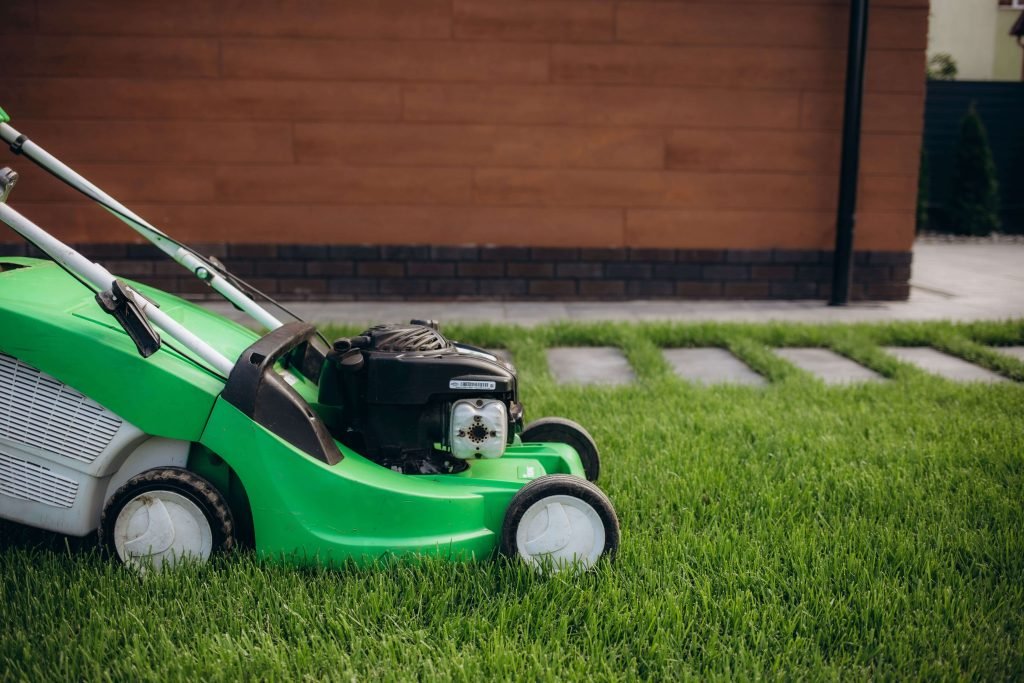
Credit: verifiedoutdoorservices.com
FAQs
How soon can I mow new sod after installation?
Most new sod is ready for the first mow in about 2 to 3 weeks, but you should use the tug test first. If the sod resists lifting and the grass is about 3.5 to 4 inches tall, it is usually ready.
Can I mow new sod if it is still wet?
It is better not to. Wet grass clumps, tears more easily, and can pull up at the seams. Wet soil also makes ruts more likely, especially on soft new turf.
How short should I cut new sod the first time?
Remove no more than one-third of the grass height. For many new lawns, that means cutting from about 4 inches down to around 2.5 to 3 inches.
What happens if I mow new sod too early?
Early mowing can lift the sod, break weak roots, and leave uneven patches. It can also slow establishment, which means the lawn takes longer to fill in and become durable.
Should I use a push mower or riding mower on new sod?
A push mower is often safer for the first cut because it is lighter and easier to control. If you use a riding mower, move slowly and avoid sharp turns so you do not disturb the fresh turf.