
If you want the when to mow lawn in spring answer in one line, it is this: mow when the grass is growing actively, the soil is firm enough to avoid damage, and the grass has reached the right height for its type. Spring mowing is not about the calendar. It is about grass growth, soil condition, and timing.
That matters because mowing too early can stress weak roots, spread disease, and leave ruts in soft ground. Mowing too late can let the grass get too tall, which makes each cut harder on the lawn. The good news is that the right timing is easy to judge once you know what to look for.
Below, you will learn the signs that your lawn is ready, how high to cut different grasses, the best mowing habits for spring, and the mistakes that cause weak, patchy grass later in the season.
What decides the right spring mowing time
The best time to mow is not the first warm day of the year. Grass wakes up on its own schedule, and that schedule changes by region, grass type, and weather pattern. A lawn in Georgia may need mowing weeks before a lawn in Minnesota.
Three things matter most: grass growth rate, soil condition, and grass height. If all three line up, you are usually ready. If even one is off, mowing can do more harm than good.
Healthy spring growth usually starts when daytime temperatures stay mild and the grass begins to grow at least once per week. For many cool-season lawns, that means mowing can begin when grass reaches about 3 to 4 inches. For warm-season lawns, early spring mowing often waits until the grass fully greens up and starts pushing new growth fast.
The easiest signs your lawn is ready
- The grass is growing enough that it needs cutting every 5 to 7 days.
- The soil feels firm, not muddy or spongy, under your shoes.
- Grass blades are standing upright and have reached mowing height.
- The lawn is dry enough that the mower will not leave clumps or tire marks.
One non-obvious detail: many lawns look green before they are truly ready for mowing. Green color alone does not mean the roots are active enough. If the ground is still soft, mowing too soon can compact the soil and slow growth for weeks.
How to tell when to mow lawn in spring by grass type
Grass type changes everything. Cool-season grass and warm-season grass do not wake up at the same time, and they should not be treated the same way. If you mow by date alone, you can easily start too early or too late.
Cool-season grasses such as Kentucky bluegrass, tall fescue, perennial ryegrass, and fine fescue usually start growing earlier in spring. Warm-season grasses such as Bermuda, zoysia, St. Augustine, and centipede wait for more heat before they really take off.
| Grass type | Typical spring mowing start | Good mowing height |
|---|---|---|
| Kentucky bluegrass | When growth becomes steady in early spring | 2.5 to 3.5 inches |
| Tall fescue | As soon as spring growth is active | 3 to 4 inches |
| Perennial ryegrass | Early spring, once blades reach cut height | 2 to 3 inches |
| Bermuda grass | After full green-up and regular growth | 1 to 2 inches |
| Zoysia | After it fully wakes up and grows evenly | 1 to 2.5 inches |
| St. Augustine | When spring growth is established | 2.5 to 4 inches |
Cool-season lawns often need mowing first, sometimes in March or early April. Warm-season lawns may not need a first cut until late spring. That delay is normal and usually better for the lawn.
If you are unsure about your grass type, a local extension guide is the safest place to check. The university extension lawn care guide from the University of Minnesota offers useful grass care basics for homeowners.
Why mowing too early causes spring problems
Early spring mowing can seem harmless, but it often creates problems that show up later. Fresh spring grass is still building root strength. If you cut it too soon, the lawn loses leaf surface it needs for energy production.
That is a big deal because leaves act like solar panels. More leaf area means more energy for roots, spread, and recovery. When you shave off too much too early, the grass may stay thin longer, and weeds can move into open spots.
Credit: homesandgardens.com
Common damage from mowing too early
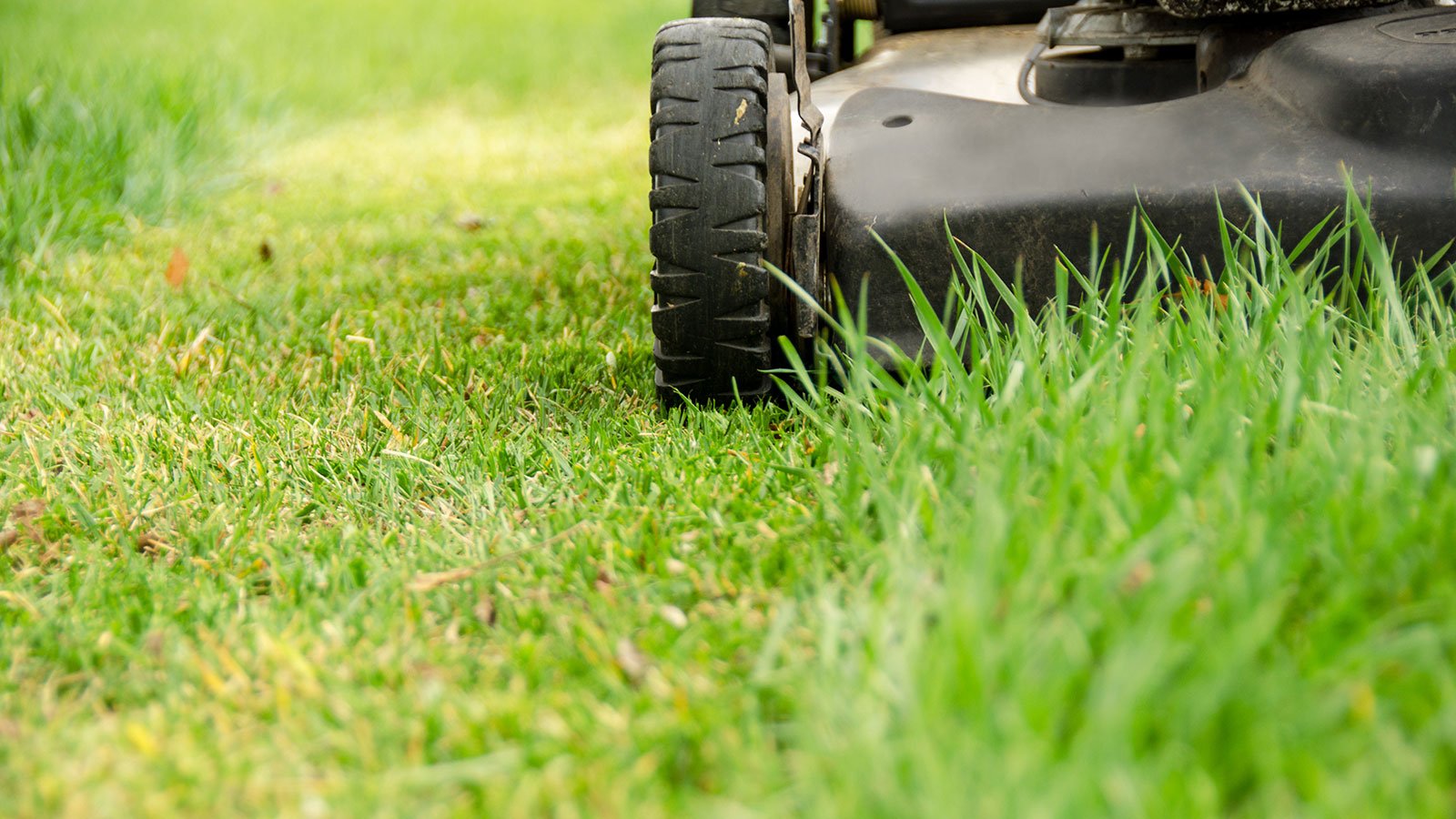
- Soil compaction from mower wheels on wet ground.
- Rutting from heavy equipment sinking into soft soil.
- Tearing when blades cut wet or floppy grass unevenly.
- Slower recovery because the lawn has less leaf area.
- Disease spread when grass stays wet and the mower moves spores around.
One detail many beginners miss: wet grass is more likely to bend than stand up. That means the mower can miss it on the first pass and then rip it on the second pass. Torn grass tips turn brown faster than clean cuts, so the lawn looks rough even if the mower height was correct.
The best first-cut height in spring
The first cut should be gentle. Spring is not the time for a drastic haircut. Cutting too much at once shocks the lawn, especially if the grass has been growing unevenly after winter.
A good rule is to remove no more than one-third of the grass blade at a time. If the lawn is 4 inches tall, cut it to about 2.75 or 3 inches, not to 2 inches. This keeps the plant strong and helps it bounce back faster.
Simple height rules that work
- Measure the grass height in a few spots.
- Set the mower so it removes only the top third.
- If the lawn is too tall, mow in two passes over a few days.
- Never scalp the lawn just to “clean it up” faster.
Scalping is especially harmful in spring because it exposes weak crowns and soil. It can also leave bare spots that dry out quickly. If your lawn is very tall after winter, raise the mower deck first, make one cut, then lower it gradually over the next few mowings.
Another useful point: cut height is often more important than mowing day. A lawn cut at the wrong height will struggle even if the timing is perfect. A lawn cut at the right height can recover from a slightly early first mow much more easily.
Best mowing conditions for spring growth
Spring mowing works best when conditions are dry enough for a clean cut and firm enough to protect the soil. The mower should glide over the lawn, not press deep tracks into it. If the ground feels soft after rain, wait.
Mid-morning or late afternoon is often better than early morning. Early morning grass can still be damp from dew, while late day mowing during dry weather usually gives cleaner results. Avoid mowing during very hot midday stretches if the season has already warmed up quickly.
Conditions that usually mean “go ahead”
- No standing water or mud.
- Grass is dry to the touch.
- Soil does not sink under normal foot pressure.
- Wind is light, so clippings spread evenly.
Here is a non-obvious insight: a lawn can be dry on top but still too wet underneath. After heavy rain, wait long enough for the root zone to firm up. If your shoe leaves a deep impression, the soil is still too soft for mowing, even if the blades look dry.
Also, sharp blades matter more in spring than many people realize. Fresh spring growth has tender tips that tear easily. A dull blade leaves frayed ends, which can turn brown and make the lawn look stressed for several days.
How often to mow after the first spring cut
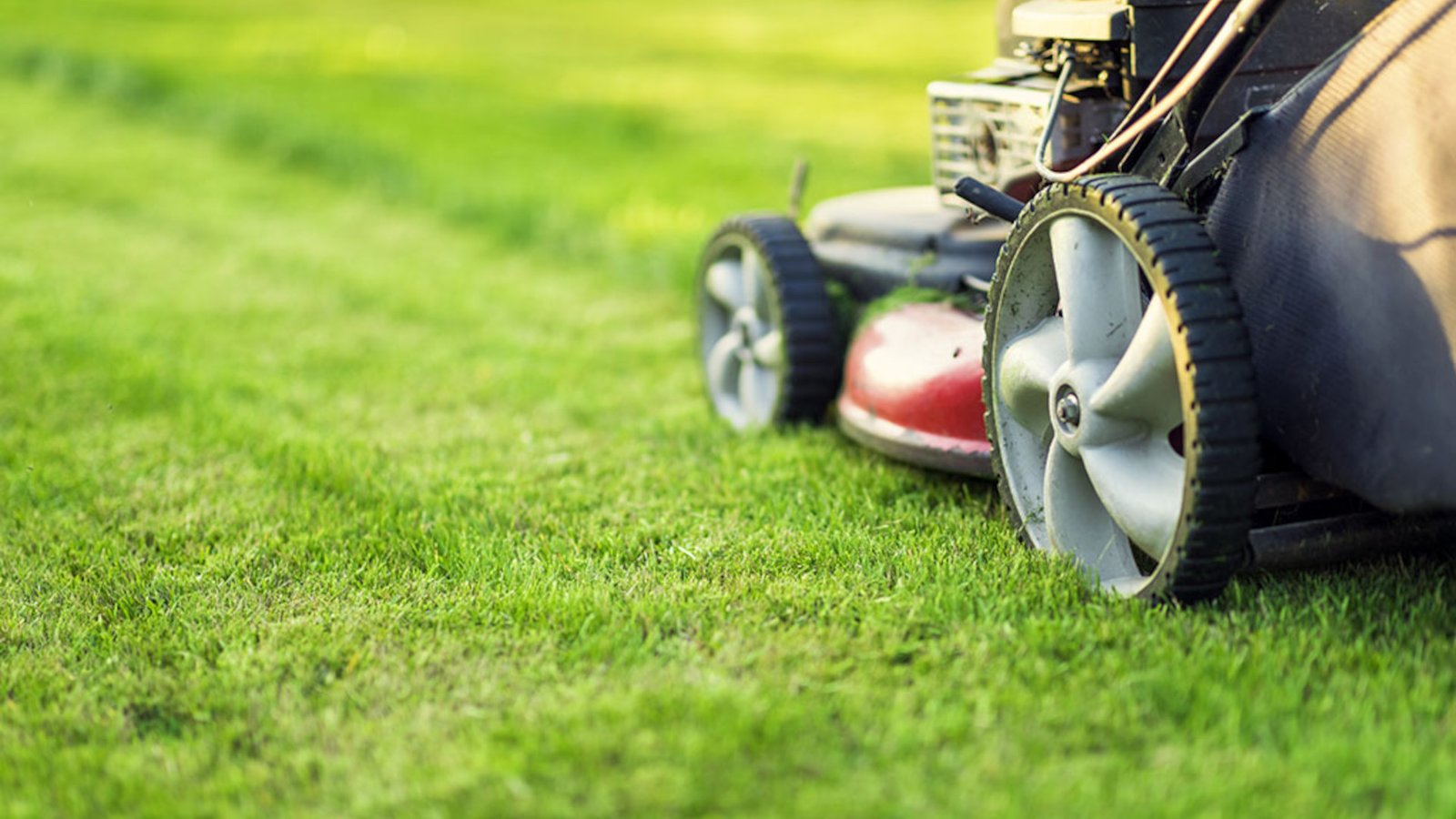
Once spring growth starts, mowing usually becomes more frequent. Many lawns need mowing every 5 to 7 days during the fastest growth period. Some fast-growing lawns may need it even sooner after warm rain and fertilizer.
Do not follow the same weekly schedule all season without checking growth. Spring growth speed changes fast. A cool spell can slow it down, then one warm week can make the lawn shoot up again.
Credit: toptenreviews.com
Use growth, not the calendar
If the grass reaches the top third of its target height, it is time to mow again. That is a better rule than “every Saturday.” For example, tall fescue often looks best when kept around 3 to 4 inches. If it grows to 5 inches, it is ready even if only five days have passed.
Frequent mowing also helps you avoid removing too much at once. Smaller cuts are easier on the lawn and usually leave a cleaner look. They also reduce the amount of clippings left behind, which helps the mower move more smoothly.
During rapid spring growth, change your routine before the lawn gets wild. Waiting until the grass is too tall makes the first cut harder and the mower less efficient. That is one reason spring mowing feels easier when it starts early enough.
Common spring mowing mistakes to avoid
Most lawn trouble in spring comes from a few simple mistakes. The good news is that they are easy to fix once you know what to watch for. Many of them happen because people rush the first mow after winter.
1. Mowing when the soil is soft
Soft soil leads to wheel marks and compaction. That damage is often hidden at first, but it can make roots work harder all season. If the lawn feels spongy, wait a few more days.
2. Cutting too short
Short grass may look neat for a day, but it weakens the plant. It also exposes soil to sun and dries out the root zone faster. In spring, slightly taller grass is usually healthier grass.
3. Using dull blades
Dull blades tear instead of slice. That creates brown tips and more stress. Sharpen the blades before the season starts, then check them again if the mower begins to shred grass instead of cutting it cleanly.
4. Mowing wet grass
Wet grass clumps, bends, and spreads disease more easily. It also sticks to the mower deck. If you need to clean the deck after every pass, the grass is too wet.
5. Ignoring mower height settings
Many homeowners keep the deck too low because the lawn “looks better” for one day. But spring is when roots need support most. A higher cut protects the plant and often reduces weeds later.
A simple spring mowing plan that works
If you want a clear process, keep it simple. Start by checking grass type, soil firmness, and blade height. Then mow only when the lawn is dry, active, and tall enough to cut safely.
- Wait until the lawn is growing steadily.
- Check that the soil is firm and not muddy.
- Set the mower to remove no more than one-third of the blade.
- Use sharp blades for a clean cut.
- Repeat mowing based on growth, not just the calendar.
For most homeowners, this approach gives better results than trying to guess a perfect date. It also makes lawn care less stressful. Once you learn your grass’s spring pattern, the lawn becomes easier to manage each year.
The real answer to when to mow lawn in spring is not one date. It is the moment when the grass is actively growing, the soil is dry enough to handle traffic, and the cut will stay light and even. If you follow those signs, the lawn will usually stay thicker, greener, and more stable through the rest of the season.
Credit: electrawnllc.com
Frequently asked questions
How do I know if it is too early to mow in spring?
If the soil is soft, the grass is still patchy, or the lawn has not reached the target mowing height, it is probably too early. Wet soil and weak growth are the biggest warning signs.
Should I mow before or after the first fertilizer treatment?
Either can work, but many homeowners mow first if the grass is tall, then fertilize soon after active growth begins. The key is to avoid stressing the lawn with both heavy cutting and heavy feeding at the same time.
What is the best mowing height for spring?
It depends on the grass type, but many cool-season lawns do well around 3 to 4 inches. Warm-season grasses are often kept shorter, usually around 1 to 2.5 inches, depending on the variety.
Is it bad to leave grass clippings on the lawn in spring?
Usually no, as long as the clippings are short and spread evenly. Clippings can return nutrients to the soil. If the clippings are thick enough to clump, they should be mulched more finely or collected.
Can I mow right after rain if the grass looks dry?
It is better to wait until both the grass and soil are dry enough. The surface may look fine while the ground underneath is still soft. Mowing too soon can leave tracks and damage roots.